






Middle East Geopolitical Tensions Impact Supply Chain Risk | Cross-Border Sellers Guide
- Escalating Israel-Hezbollah conflict signals logistics disruptions for sellers shipping through Middle East corridors and Mediterranean routes










































Overview
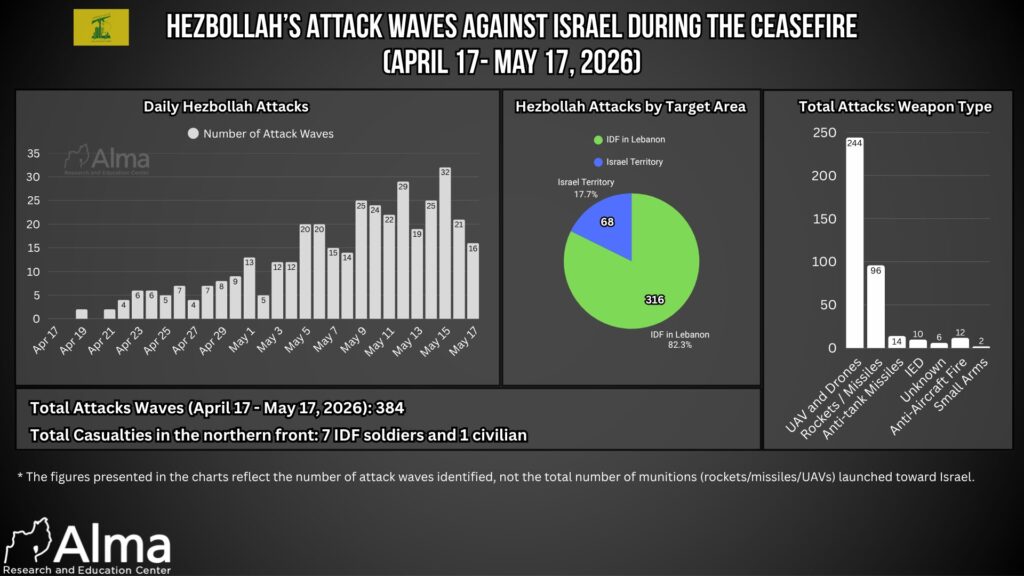
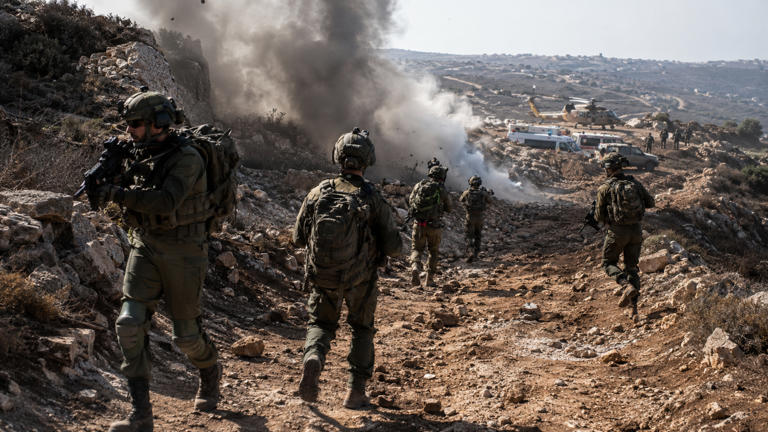
The May 20, 2026 Hezbollah drone attack on Israeli forces—wounding three soldiers in southern Lebanon—represents a critical escalation in regional tensions with direct implications for cross-border e-commerce logistics networks. While the military incident itself involves limited casualties, the broader geopolitical context flagged by Iranian Revolutionary Guard Corps (IRGC) warnings signals potential expansion of regional conflict that could disrupt critical shipping corridors, increase insurance costs, and create supply chain bottlenecks affecting sellers globally.
Supply Chain Risk Assessment: The Middle East and Eastern Mediterranean represent vital logistics arteries for cross-border sellers. Approximately 12-15% of global containerized trade transits through the Suez Canal and regional ports, with sellers shipping electronics, textiles, and consumer goods from Asia to Europe relying heavily on these routes. Escalating military tensions increase insurance premiums (typically 2-5% surcharge during conflict periods), extend transit times by 7-14 days as vessels reroute around conflict zones, and create customs clearance delays at affected ports. Sellers with inventory in transit through Port Said, Haifa, or Lebanese ports face immediate risk of cargo delays or rerouting costs of $500-2,000 per container.
Affected Seller Segments: Small-to-medium sellers (SMBs) shipping 50-500 containers monthly face the highest exposure, as they lack the negotiating power of enterprise shippers to secure alternative routing. Sellers specializing in time-sensitive categories—electronics, fashion, perishables—experience margin compression when delivery windows extend beyond customer expectations. Amazon FBA sellers shipping inventory through Middle East consolidation hubs may face 10-21 day delays, impacting inventory turnover and IPI scores. Sellers with suppliers in Israel, Lebanon, or Iran face direct sourcing disruptions; approximately 2,000-3,000 cross-border sellers source components or finished goods from these regions.
Operational Implications: Sellers should immediately audit supply chain dependencies through geopolitical risk mapping tools (Everstream Analytics, Resilinc). Diversify shipping routes: prioritize air freight for high-value items (cost increase: 15-25%), shift to alternative sea routes via Cape of Good Hope (adds 14-21 days but avoids conflict zones), or consolidate shipments to reduce frequency. Monitor freight forwarding partner communications for route changes and negotiate force majeure clauses protecting against unexpected delays. Update product listings with realistic delivery estimates; Amazon and eBay penalize sellers with high late-delivery rates. Consider temporary inventory repositioning to European or Asian fulfillment centers to reduce Middle East transit dependency.
Questions 8
What force majeure protections should I negotiate with freight forwarders?
Force majeure clauses protect sellers from liability when unforeseeable events (military conflict, port closures) prevent contract fulfillment. Review your freight forwarding agreements immediately and ensure they include explicit language covering 'geopolitical events,' 'military conflict,' and 'port closures' in the Middle East region. Negotiate clauses that allow you to reroute shipments without penalty, extend delivery timelines without breach-of-contract liability, and receive partial refunds if routes change significantly. Request written confirmation from your forwarder that current shipments are covered under force majeure protections. Document all communications about route changes and delays for potential insurance claims. Consider switching to forwarders with established alternative routing capabilities and geopolitical risk insurance.
How should I update my product listings to reflect potential shipping delays?
Amazon and eBay penalize sellers with high late-delivery rates, which directly impact your seller rating and search visibility. Update your product listings' shipping estimates to reflect realistic timelines: add 7-14 days to standard transit times for items shipping through Middle East corridors. In Seller Central, navigate to Shipping Settings and adjust handling time and delivery estimates for affected SKUs. Communicate proactively with customers through order messages explaining potential delays due to 'global logistics adjustments.' Monitor your On-Time Delivery rate in Seller Central's Performance Dashboard—maintain above 95% to avoid account warnings. Consider offering expedited shipping options (air freight) at premium pricing to customers willing to pay for faster delivery.