


Seismic Survival Strategies Amid Japan's Catastrophic Earthquake Risk
- Unprecedented Preparedness Measures Highlight Global Disaster Resilience Challenges

Overview
Geological vulnerability transforms into a critical national security challenge as Japan confronts an imminent seismic threat that could reshape entire regional infrastructures. The current megaquake watch represents more than a natural hazard—it's a complex systemic risk demanding unprecedented logistical and emergency preparedness strategies.
Catastrophic Potential Quantified: Seismologists have calculated a 1 in 20 chance of an earthquake exceeding 8.0 magnitude, with potential tsunami heights reaching an apocalyptic 98 feet. This isn't just a statistical probability, but a scenario that could endanger approximately 200,000 lives and trigger massive economic disruption. The subduction zone dynamics, where oceanic plates dive beneath continental plates, create a perfect storm of geological instability.
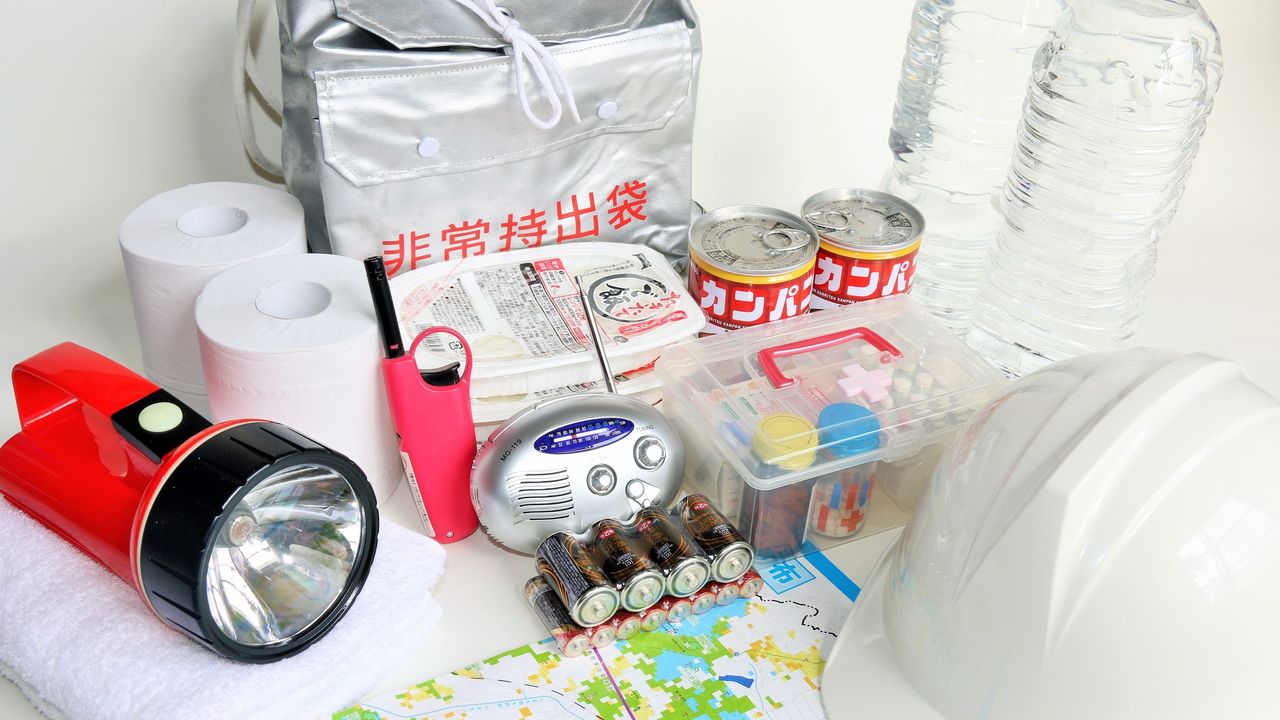
Strategic Preparedness as a National Imperative: Japan's response demonstrates a world-class approach to disaster management. By implementing comprehensive warning systems and public safety protocols, the country transforms potential vulnerability into a model of proactive risk mitigation. Key strategies include detailed evacuation routes, advanced early warning technologies, and widespread public education on emergency response techniques like 'drop, cover, hold on'.
The current alert underscores a critical global lesson: disaster preparedness is not optional but essential. For logistics and infrastructure professionals, this means developing adaptive strategies that can rapidly respond to extreme environmental challenges. Supply chains, emergency logistics, and infrastructure resilience must be designed with catastrophic scenarios in mind.
Critically, the 1 in 20 probability is not a reason for complacency but a call to action. Organizations and governments must develop robust, flexible emergency response frameworks that can activate instantaneously, protecting human lives and maintaining critical infrastructure functionality during potential mega-disasters.
Questions 3
What makes the current earthquake risk in Japan so significant?
The 1 in 20 chance of an 8.0+ magnitude earthquake, potential tsunami heights up to 98 feet, and the possibility of endangering 200,000 lives make this a critically high-stakes scenario. The complex subduction zone geology amplifies the potential for catastrophic damage.
How is Japan preparing for potential mega-disasters?
Japan has developed sophisticated early warning systems, comprehensive public safety protocols, and extensive citizen education programs. These include detailed evacuation routes, 'drop, cover, hold on' techniques, and widespread emergency preparedness training.