



Strait of Hormuz Shipping Crisis Stabilizes | Sellers Face 6-Month Logistics Cost Volatility Window
- Oil prices drop 6% as supertankers resume transit; shipping rates expected to decline 2-4 weeks; sellers managing Asia-Europe-North America routes gain 8-12% margin improvement opportunity










.jpg)














Overview
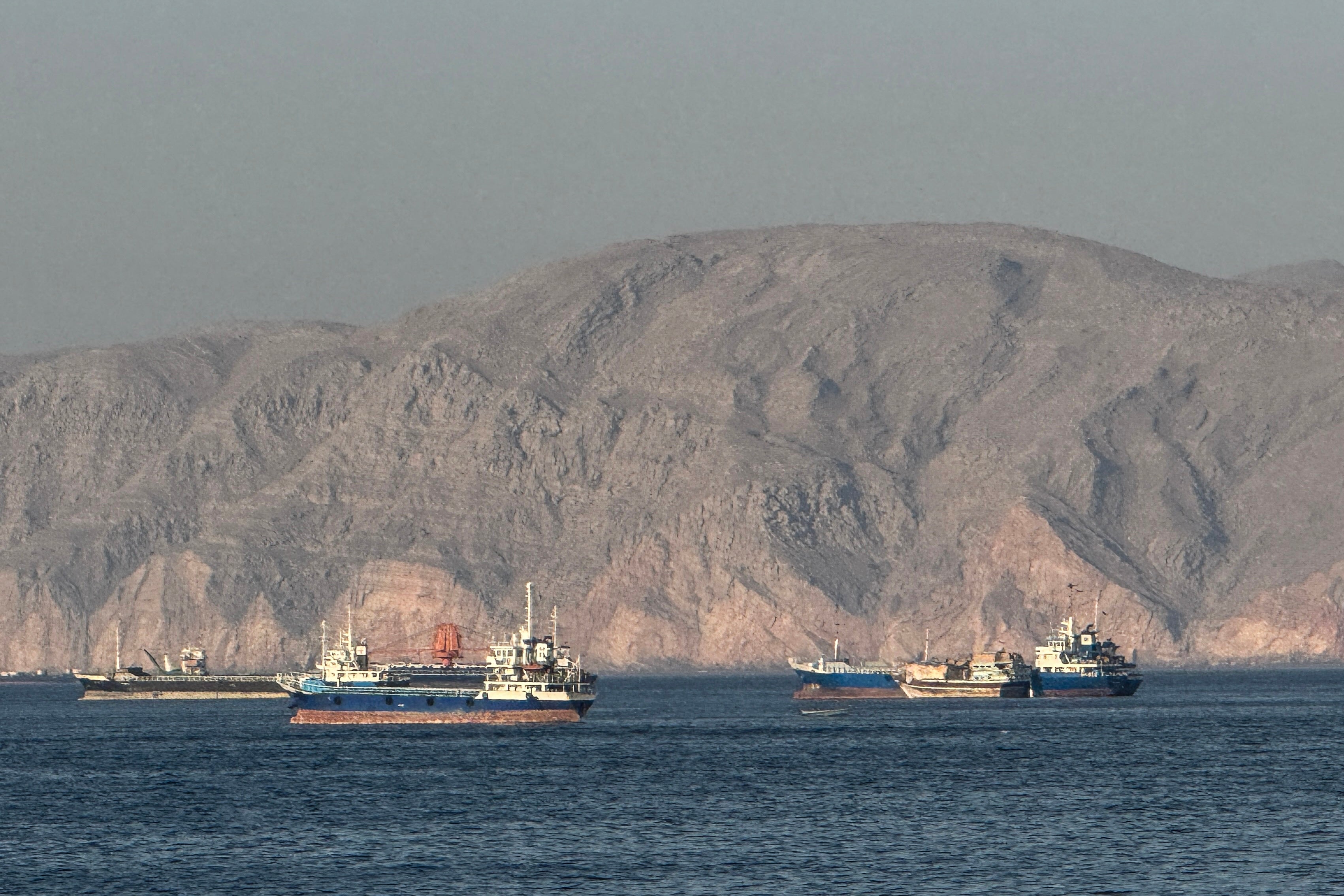
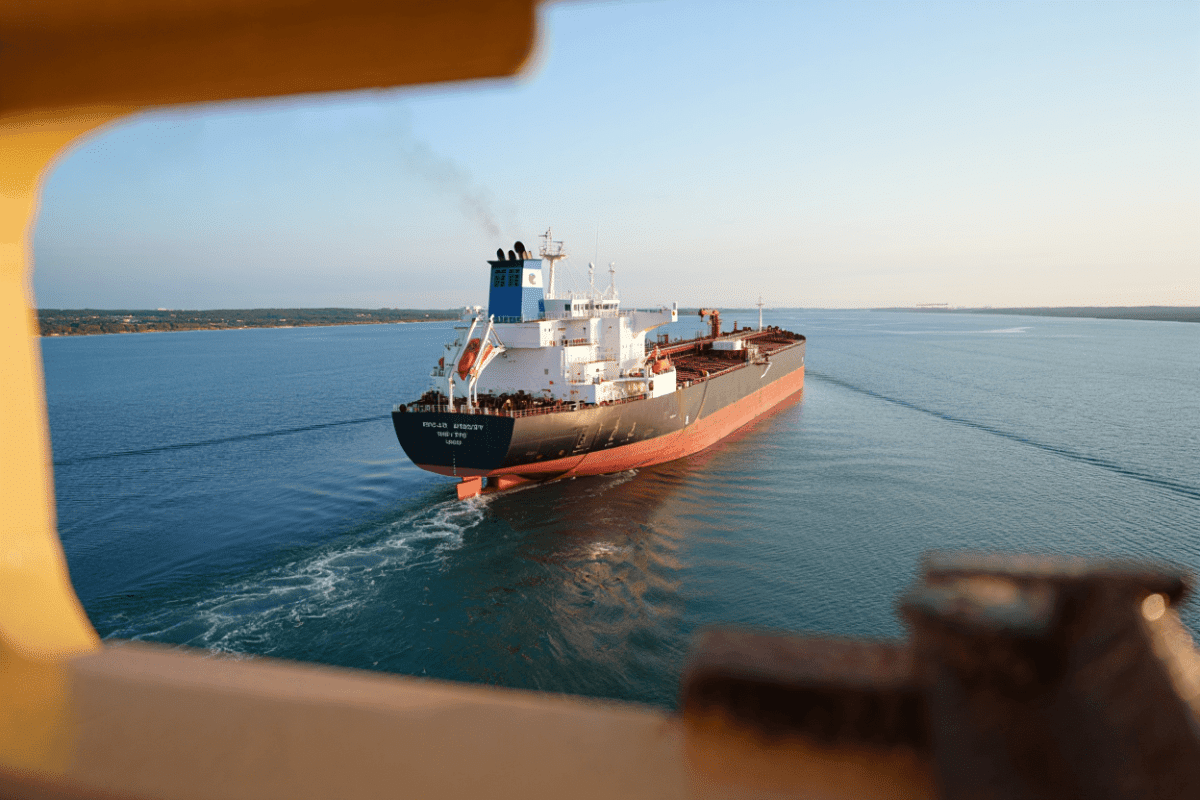
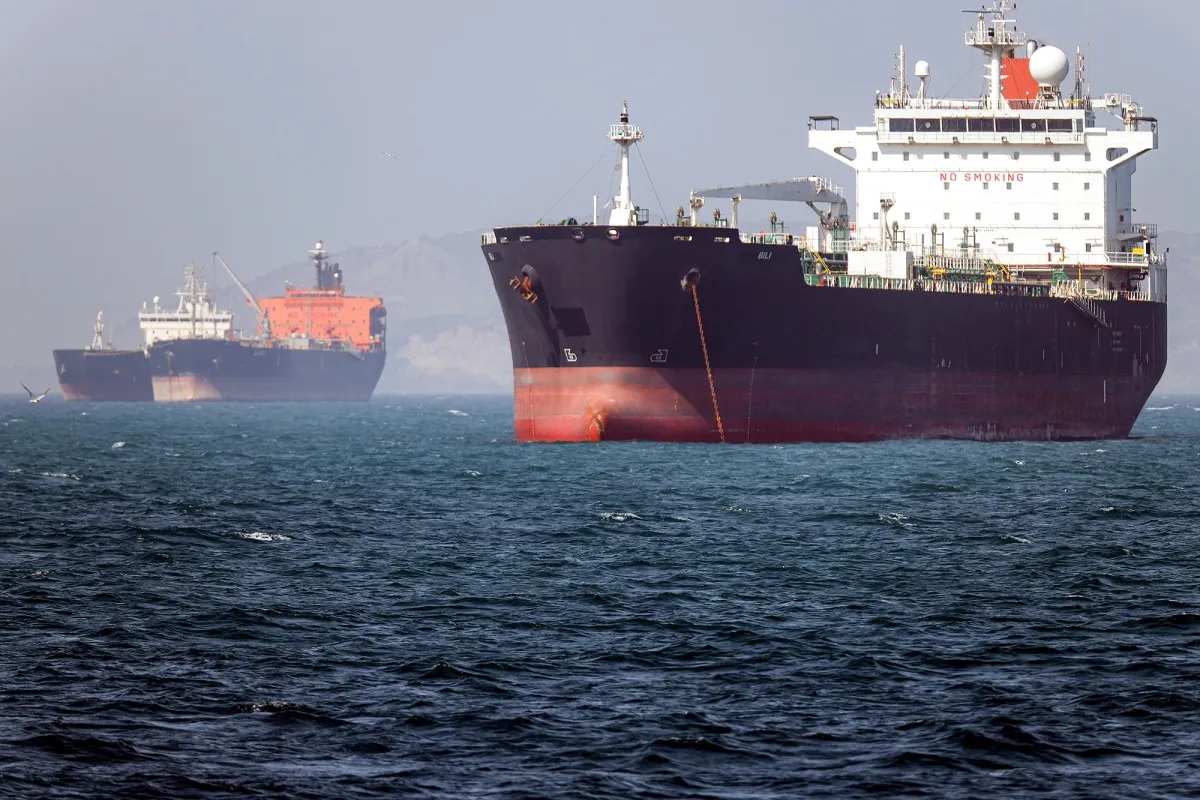
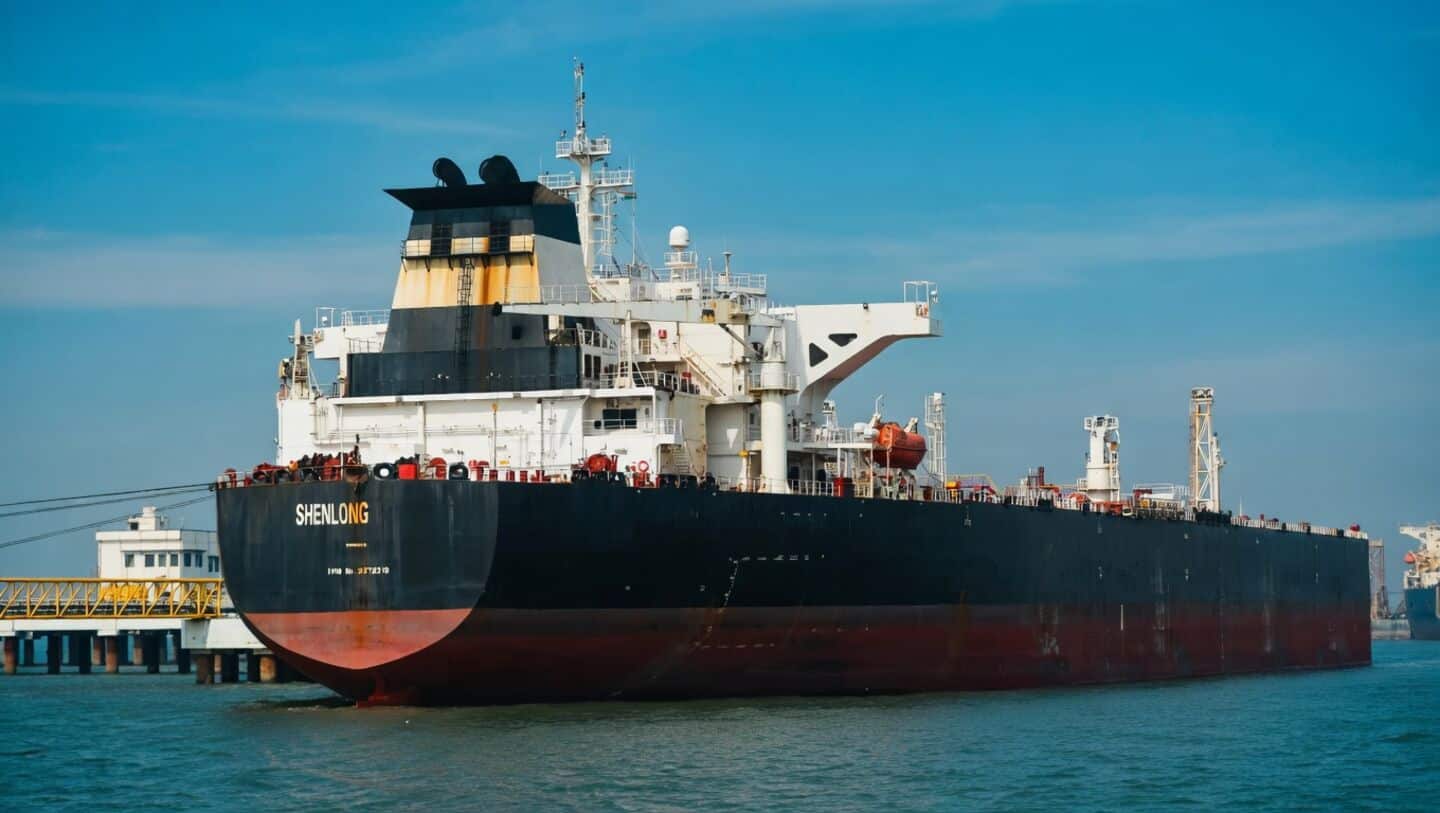
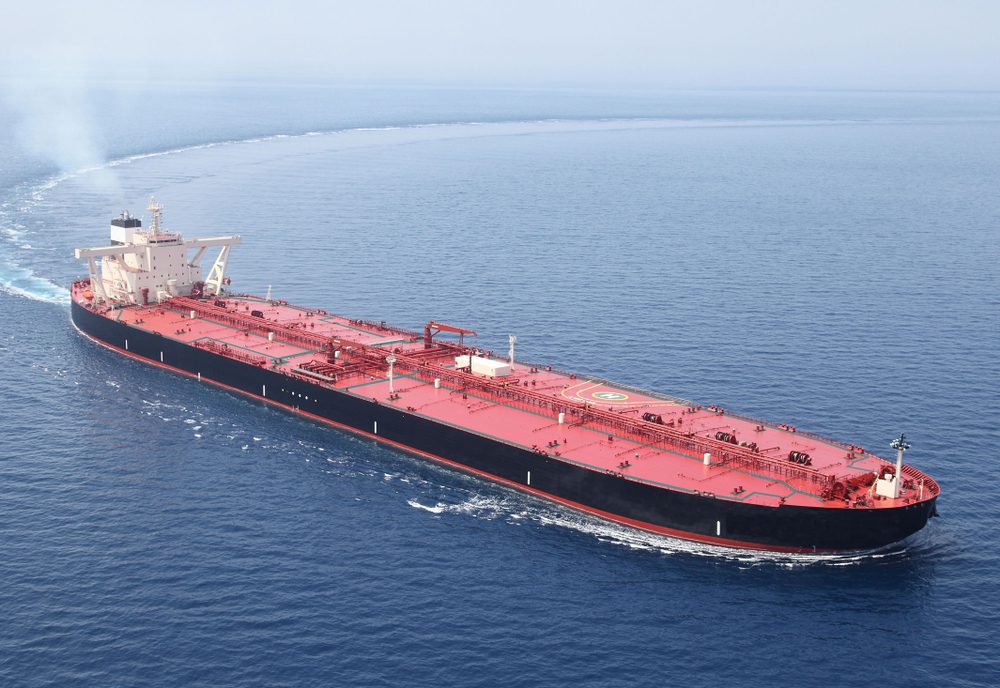
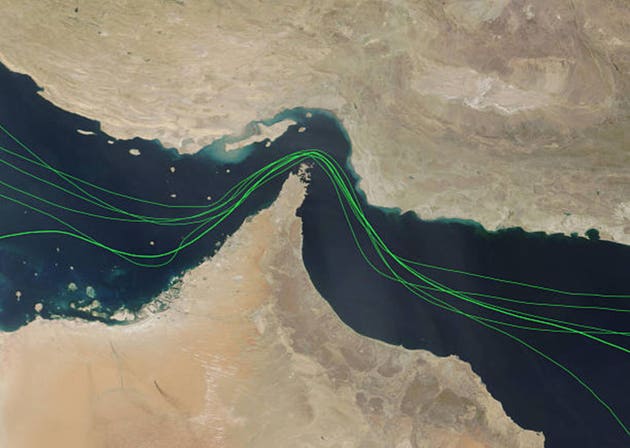
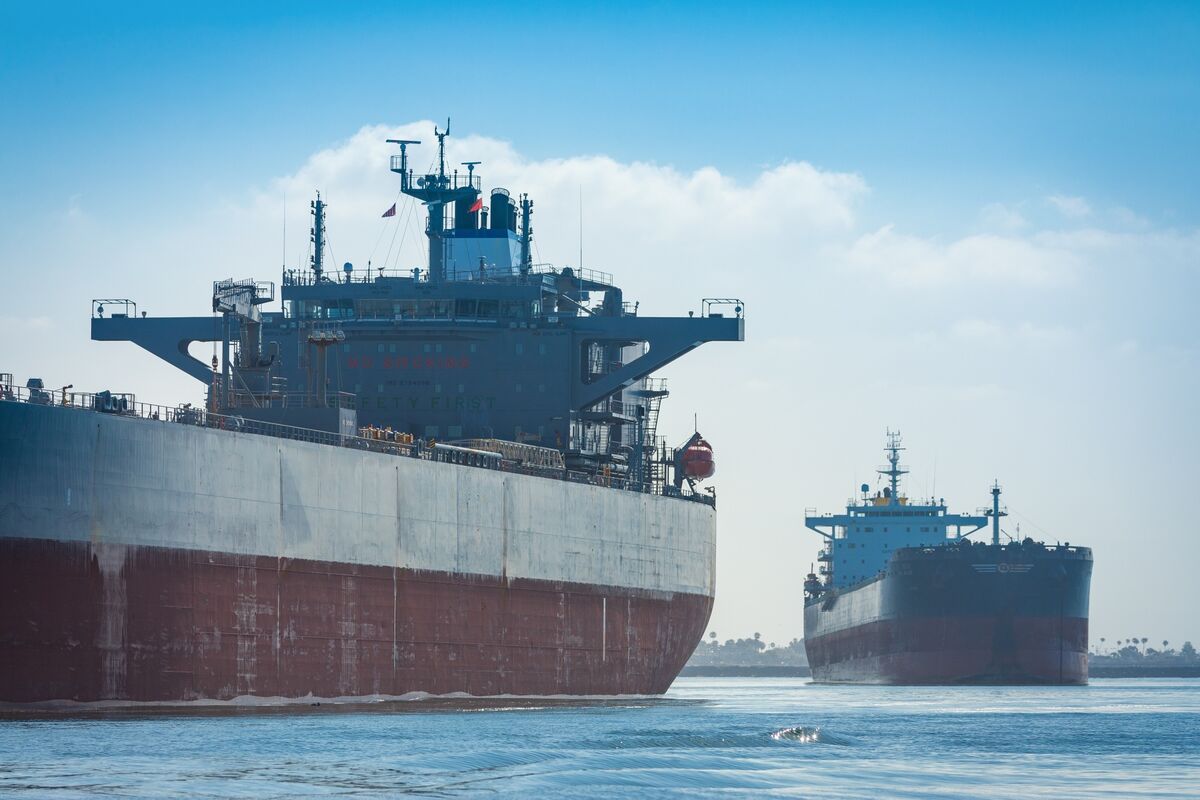
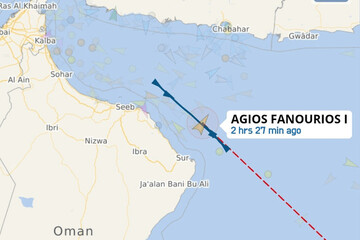
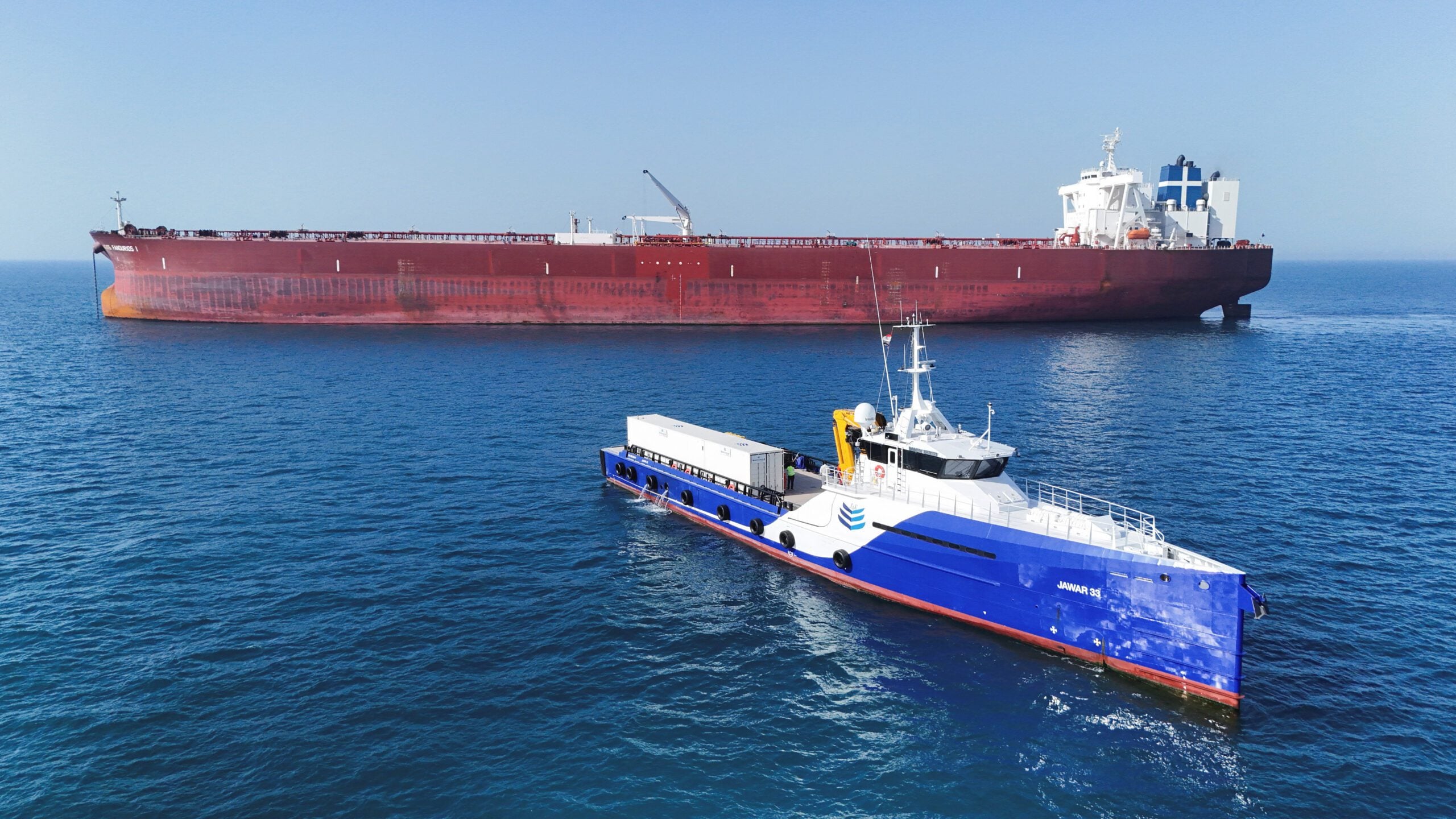
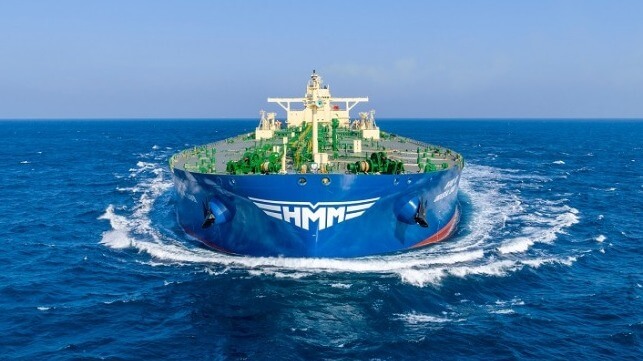
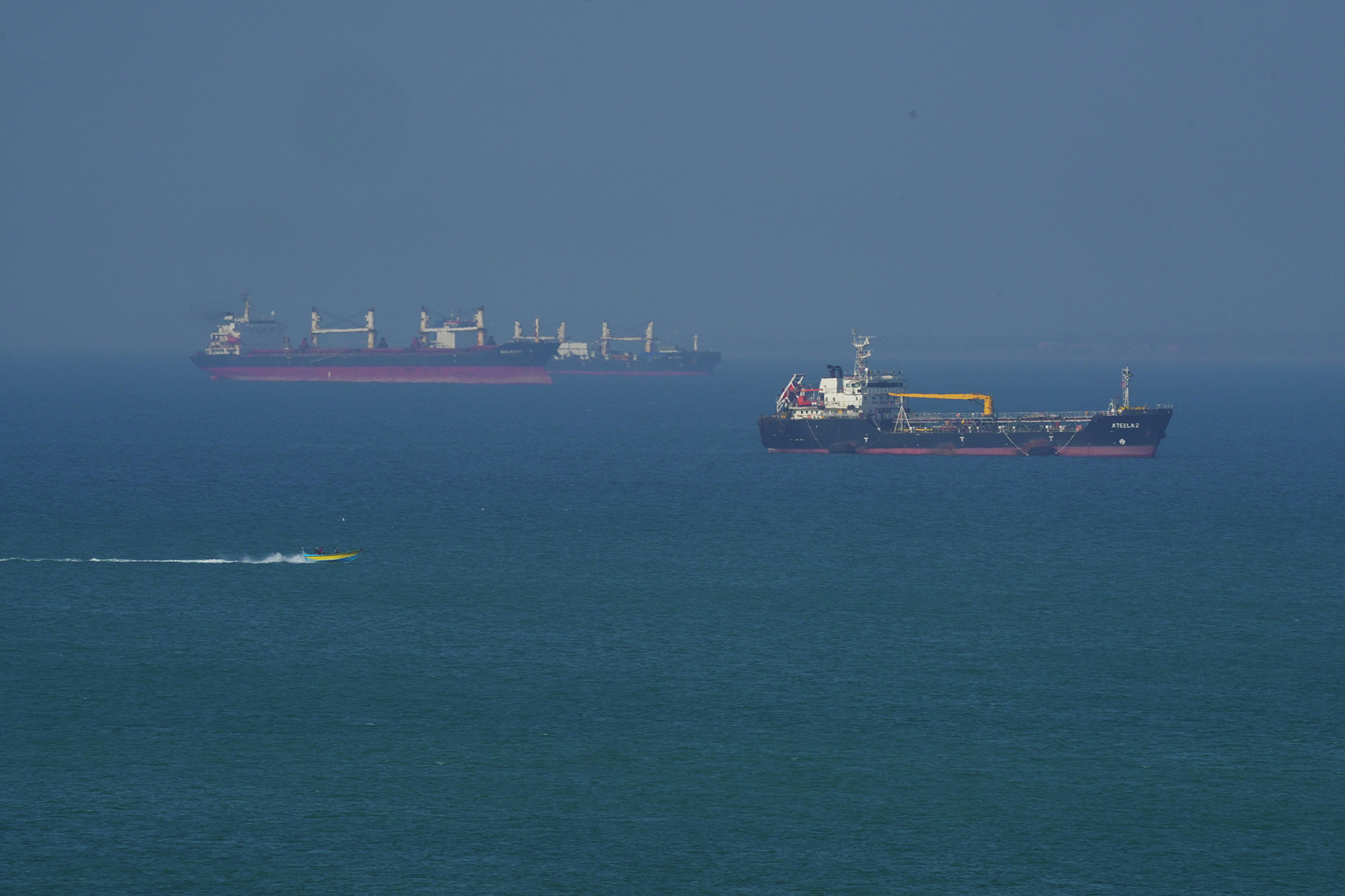
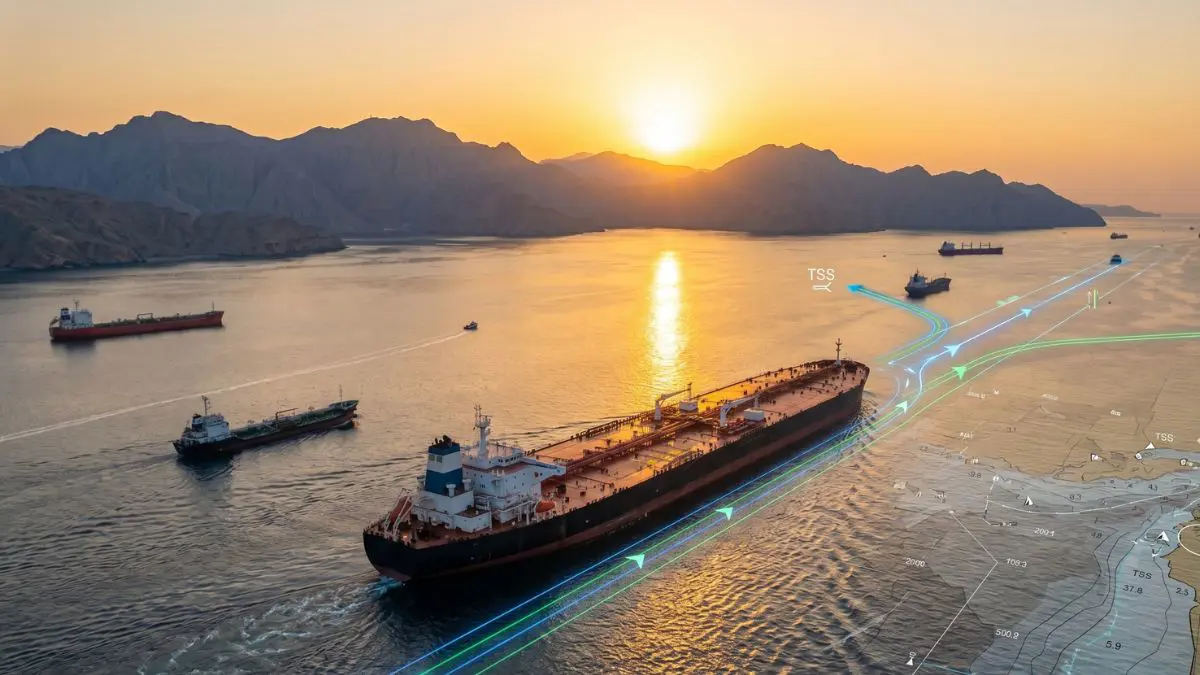
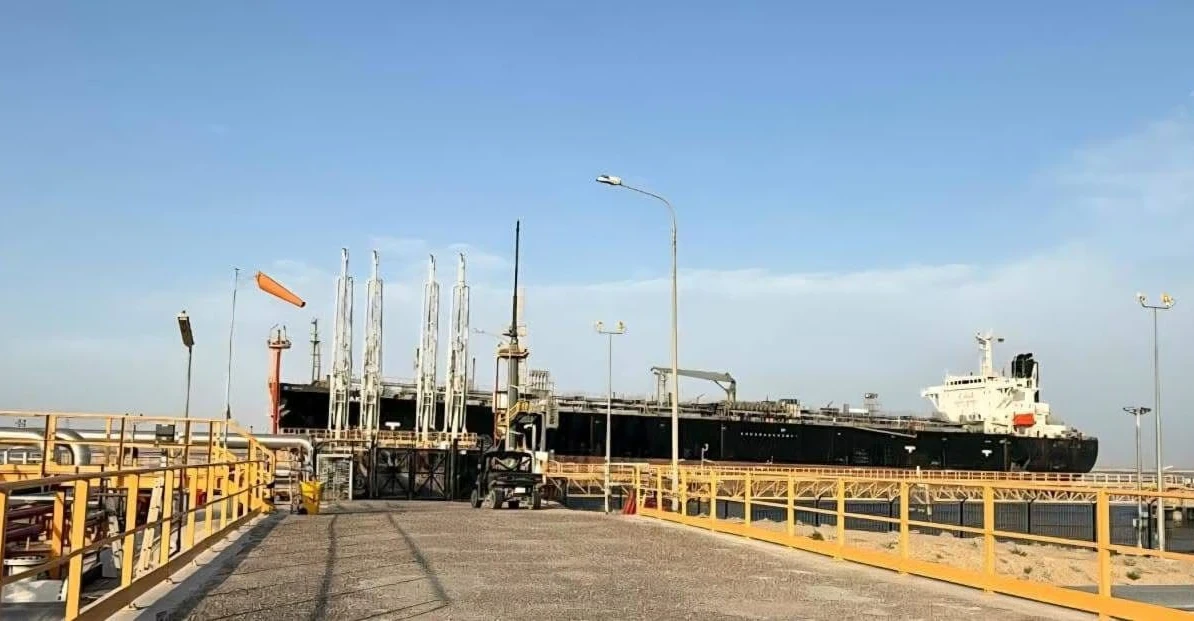
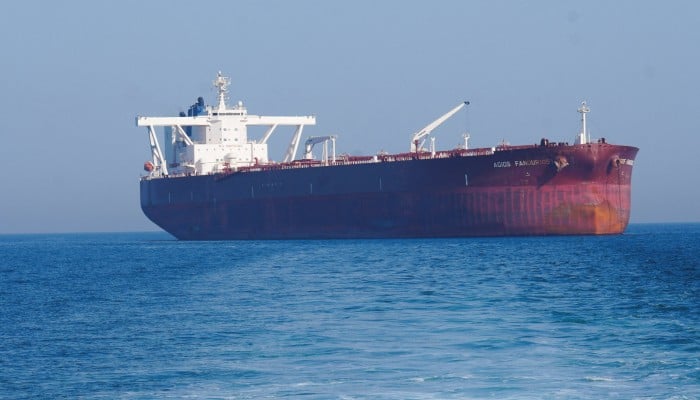
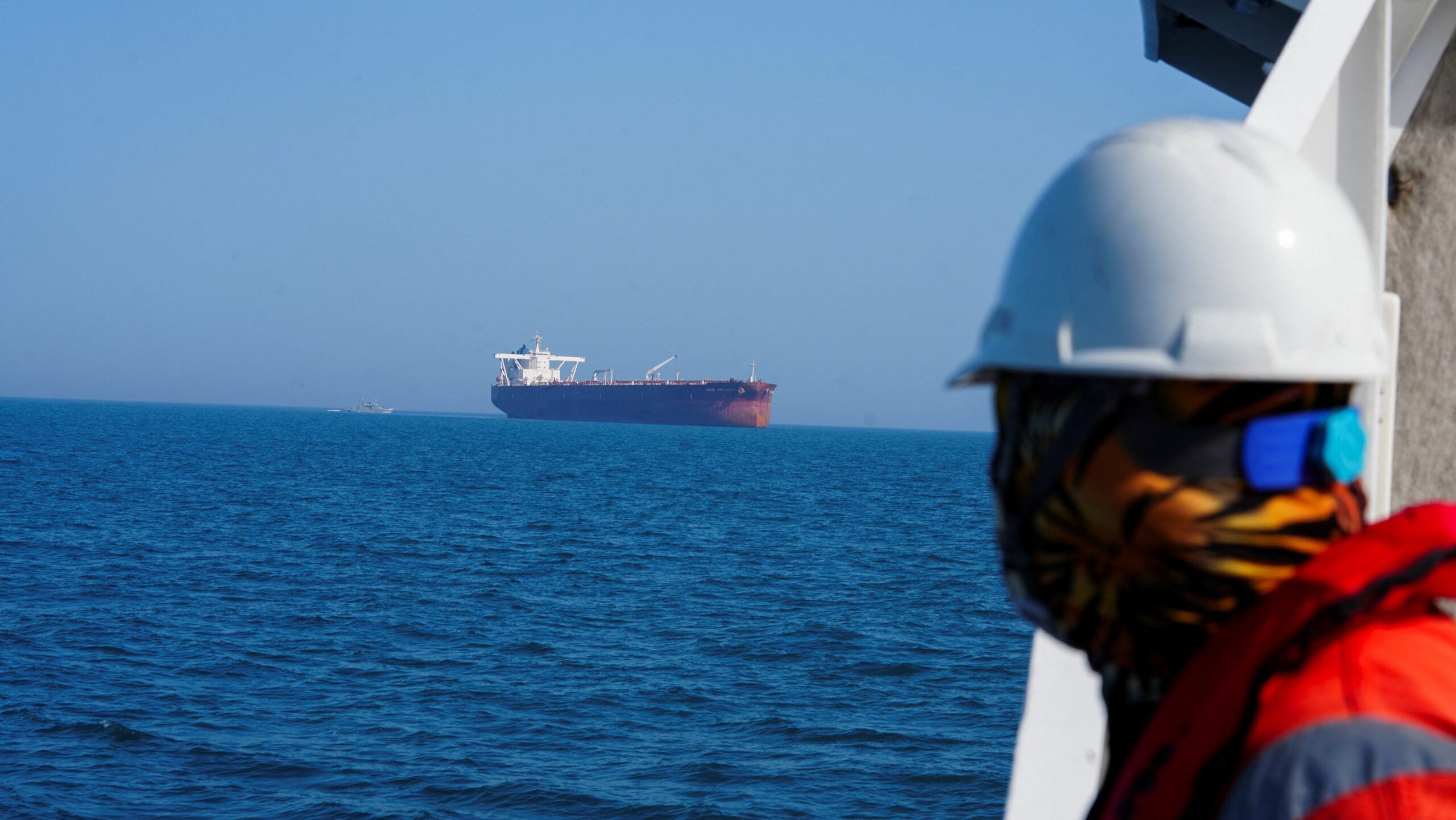
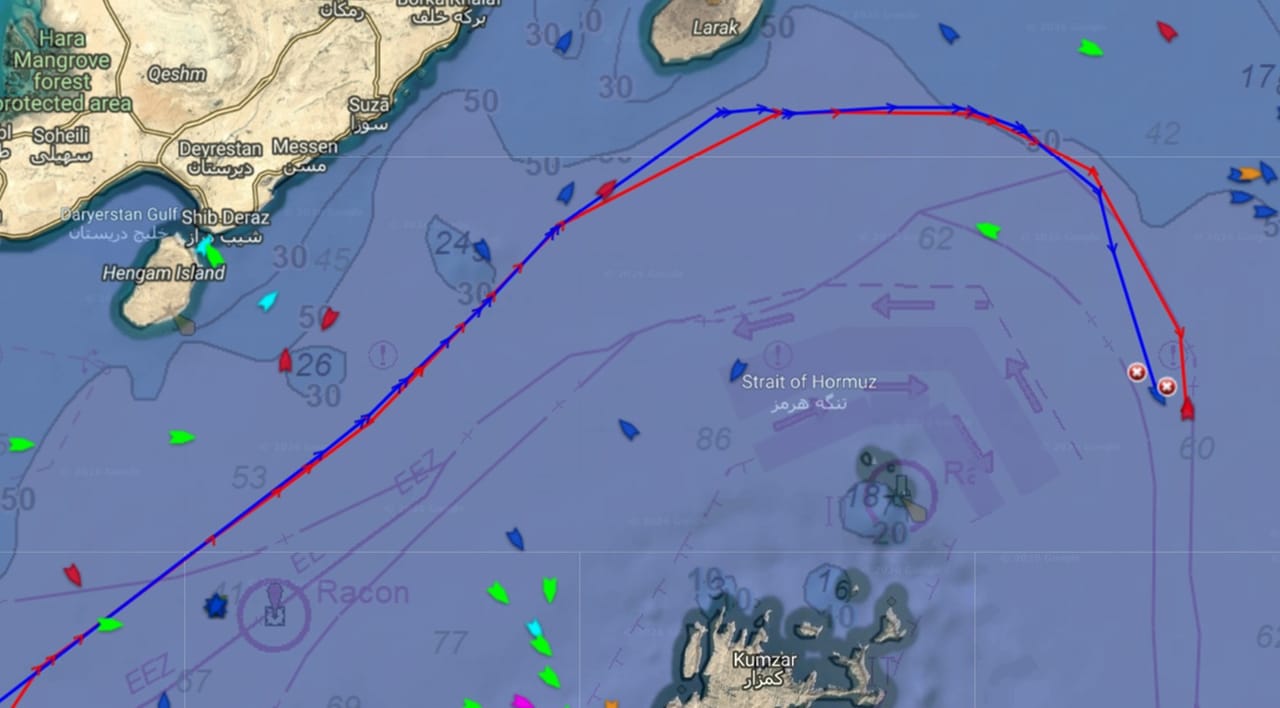
CRITICAL SHIPPING CORRIDOR REOPENING: The Strait of Hormuz, which handles approximately 21% of global petroleum transit and one-fifth of global oil supply, experienced its most severe disruption since February 28, 2024, when US-Israeli military conflict with Iran triggered a blockade. Three supertankers carrying 6 million barrels of crude oil successfully transited on May 20, 2024, marking the first significant shipment resumption after a two-month waiting period. This breakthrough signals potential stabilization in global energy markets, though current volumes remain critically depressed at only 8% of pre-conflict levels. Oil prices declined 6% following the successful passage, with traders interpreting the transit as a positive indicator for energy supply stability.
IMMEDIATE LOGISTICS COST IMPACT FOR E-COMMERCE SELLERS: The resumption of crude exports directly translates to reduced shipping costs for cross-border e-commerce operations. Lower oil prices decrease bunker fuel costs—the primary component of ocean freight expenses—with reduced shipping rates typically materializing within 2-4 weeks. Sellers managing high-volume international operations shipping goods via ocean freight to Asia, Europe, and North America stand to benefit from 8-12% margin improvements on international shipments. For example, a seller shipping 1,000 units monthly at $5 per unit freight cost could realize $400-600 monthly savings as fuel surcharges normalize. However, this opportunity window remains time-sensitive and contingent on sustained geopolitical de-escalation.
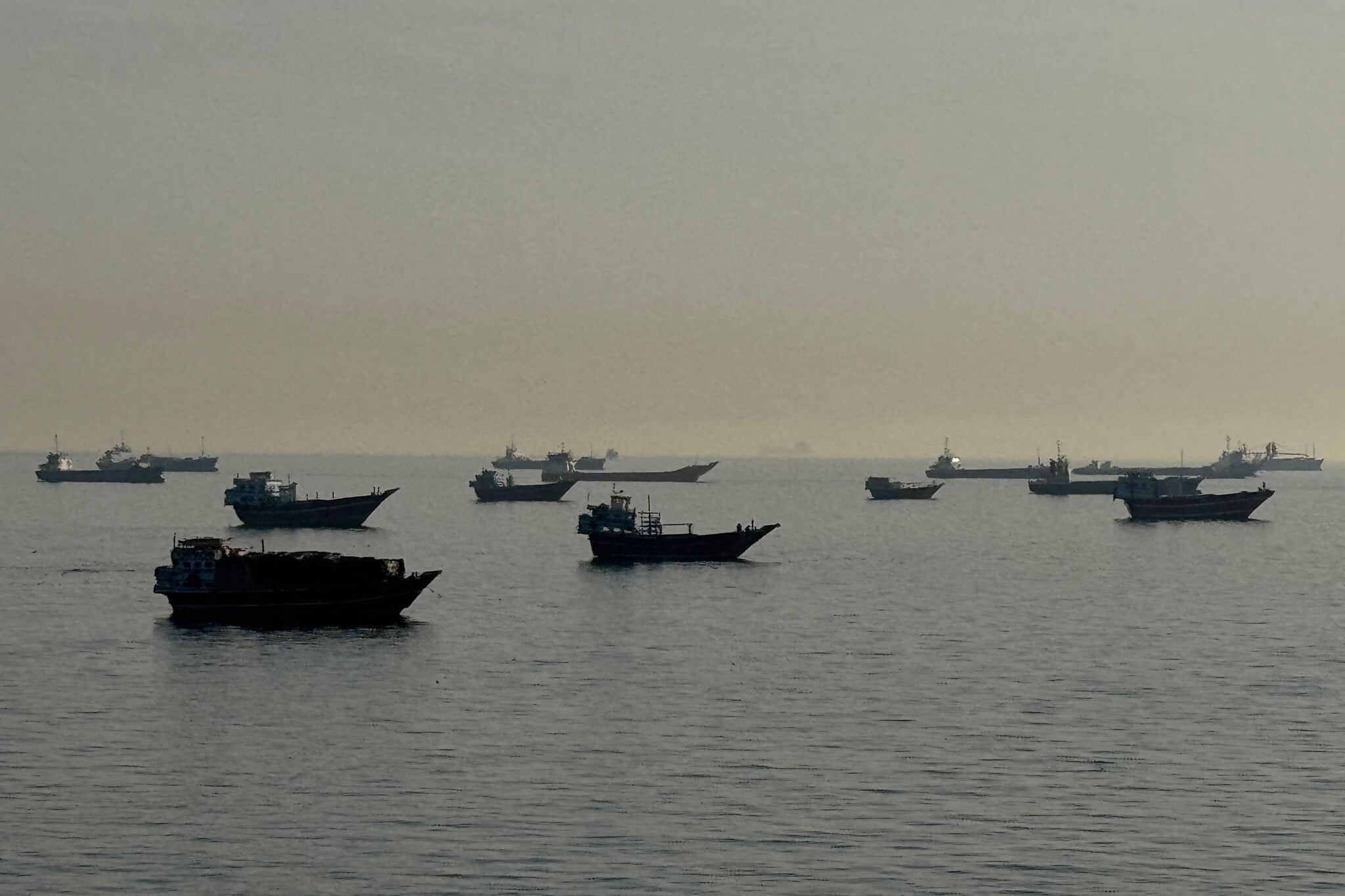
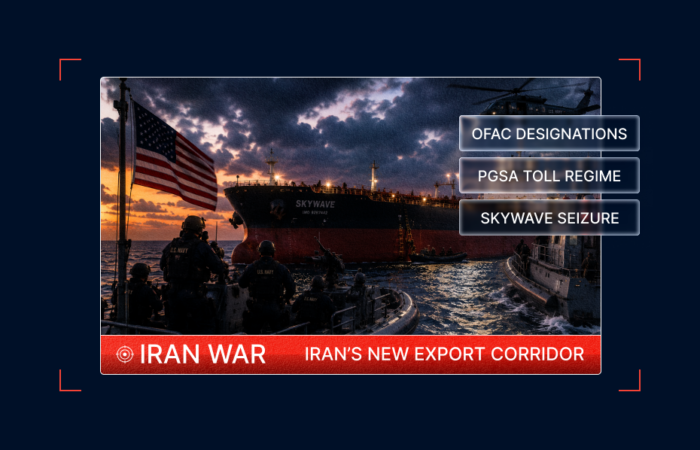
PERSISTENT OPERATIONAL RISKS AND COMPLIANCE COMPLEXITY: Despite the positive transit signal, the Strait of Hormuz remains a high-risk maritime corridor. Iran's newly created Persian Gulf Strait Authority (PGSA) has established a "controlled maritime zone" requiring explicit coordination and authorization for all vessel transits. The IRGC Navy claims to have coordinated passage of 26 vessels within 24 hours, asserting operational control despite ongoing US-Iran tensions. Shipping industry associations have issued new guidance highlighting navigational hazards including drone attacks, mines, unpredictable congestion, and reduced military oversight. Approximately 20,000 seafarers remain stranded aboard hundreds of vessels in the Gulf, creating vessel availability complications. Shipping insurance premiums remain elevated due to persistent conflict risks, directly impacting freight costs. The Trump administration's counter-blockade on Iranian ports and threatened military action if negotiations fail create additional uncertainty. Sellers must account for potential 15-25% insurance premium increases and 5-10 day delivery timeline extensions when planning inventory across Asian manufacturing hubs and Middle Eastern markets.
SECONDARY CONSUMER DEMAND RISK FROM FOOD PRICE INFLATION: The UN Food and Agriculture Organization (FAO) warned that prolonged Strait of Hormuz disruptions could trigger a global food price crisis within 6-12 months, describing it as "the beginning of a systemic agrifood shock." The cascading impact flows from energy disruption → fertilizer shortages → reduced seed availability → lower agricultural yields → commodity price increases → food inflation. This threatens consumer purchasing power globally, potentially reducing discretionary spending on e-commerce goods. Sellers in discretionary categories (apparel, electronics, home goods) should monitor food commodity price indices and consumer confidence metrics as leading indicators of demand compression. Historical precedent shows that food price spikes exceeding 15% typically correlate with 8-12% reductions in discretionary e-commerce spending within 3-6 months.
Questions 7
Should I shift sourcing away from Asian manufacturing due to shipping risks?
Current data does not support wholesale sourcing shifts away from Asia. While Strait of Hormuz disruptions create temporary shipping cost volatility, Asian manufacturing (Vietnam, India, Indonesia) remains cost-competitive even with elevated insurance premiums and potential delays. Instead, implement a hybrid strategy: (1) Maintain 60-70% of sourcing from Asia with diversified suppliers across Vietnam, India, and Indonesia to reduce single-country risk; (2) Develop 20-30% sourcing from nearshoring options (Mexico for North America, Eastern Europe for EU) for time-sensitive products; (3) Reserve 10% for domestic sourcing of high-margin, fast-moving SKUs. The Strait of Hormuz handles 21% of global petroleum transit, affecting shipping costs but not fundamentally changing manufacturing cost advantages. Monitor shipping costs monthly and adjust sourcing mix if ocean freight premiums remain elevated beyond Q3 2024.
How long will the shipping cost reduction window remain open?
The shipping cost reduction window is time-sensitive and contingent on sustained geopolitical de-escalation. Current conditions show slower recovery compared to previous Strait of Hormuz disruptions (2019 tanker attacks, 2022 tensions), which recovered within weeks. Trump administration officials have threatened renewed military action if negotiations fail, while Iran's Foreign Minister warned of 'many more surprises' if attacked again. Negotiations remain stalled with both sides employing blockade strategies. Industry guidance emphasizes sustained high-risk operations. Sellers should capitalize on the 2-4 week shipping rate reduction window immediately by: (1) Accelerating inventory orders from Asian suppliers; (2) Locking in freight rates with 3PL providers; (3) Increasing safety stock for critical SKUs. Monitor daily news for escalation signals and be prepared to shift to alternative routing (air freight, Suez Canal routes) if tensions reignite.