



Geopolitical Tensions Impact Cross-Border Logistics | Seller Risk Assessment
- 430+ detainees from 40+ countries signal escalating maritime restrictions affecting humanitarian and commercial shipping corridors
























Overview
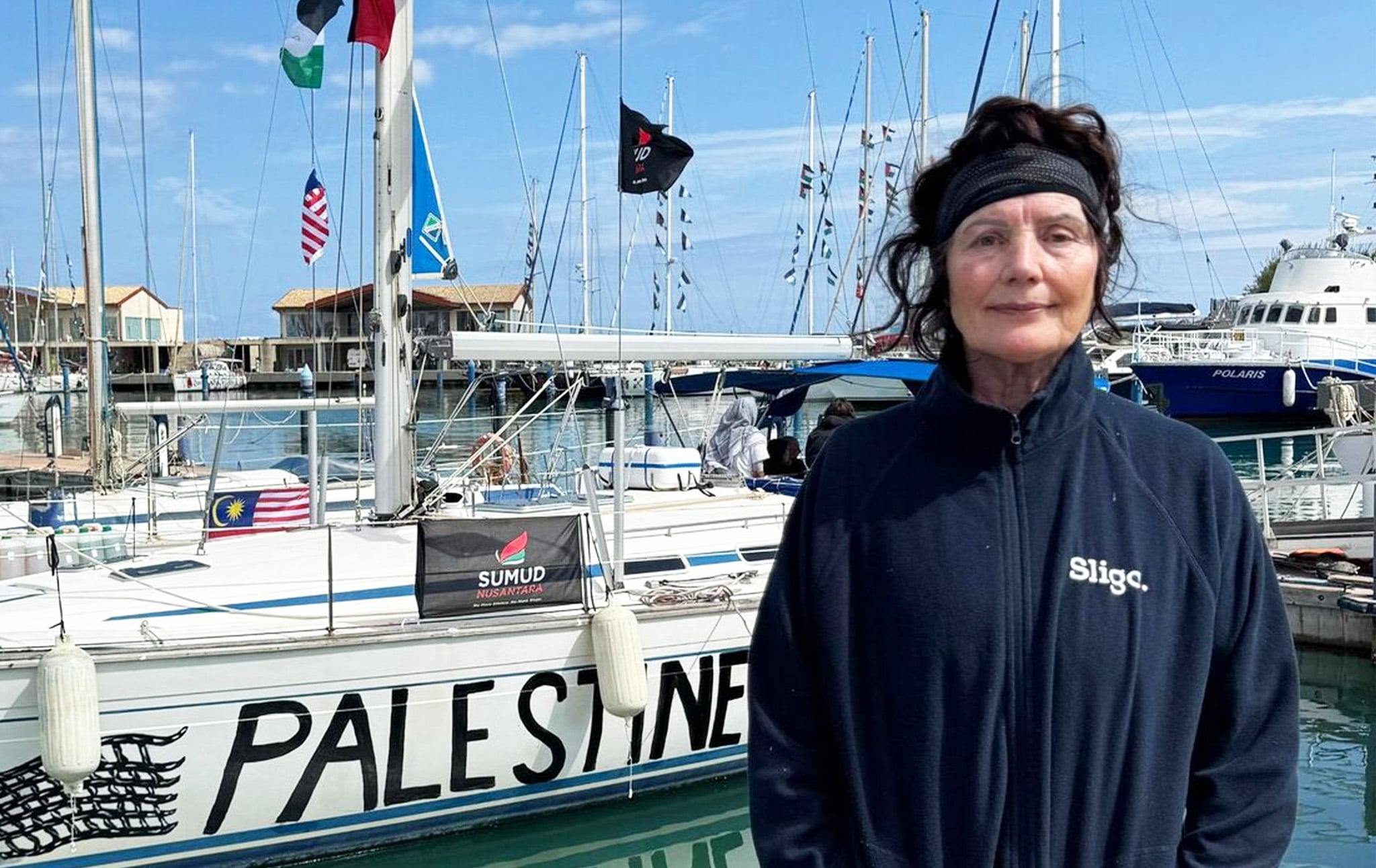
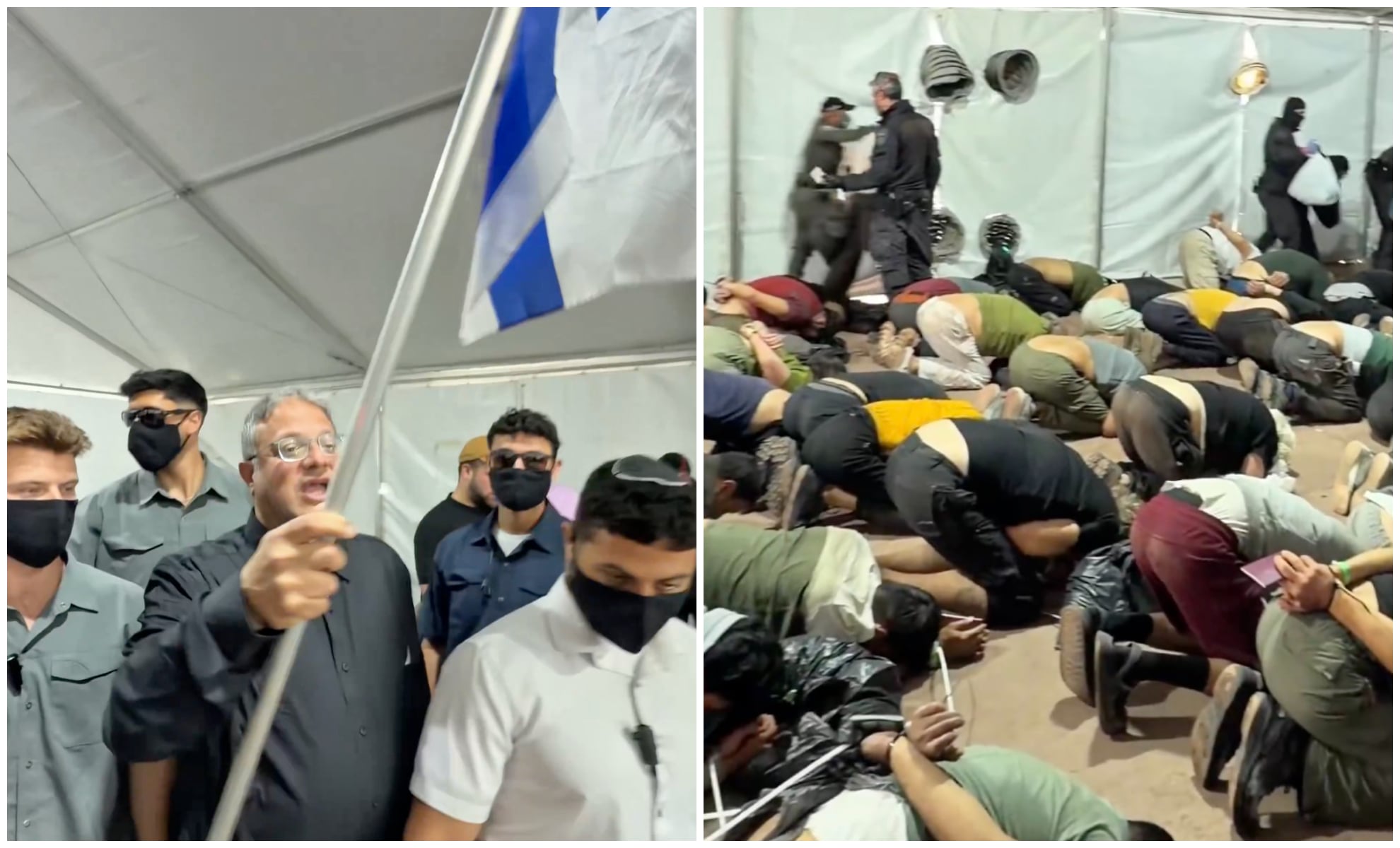
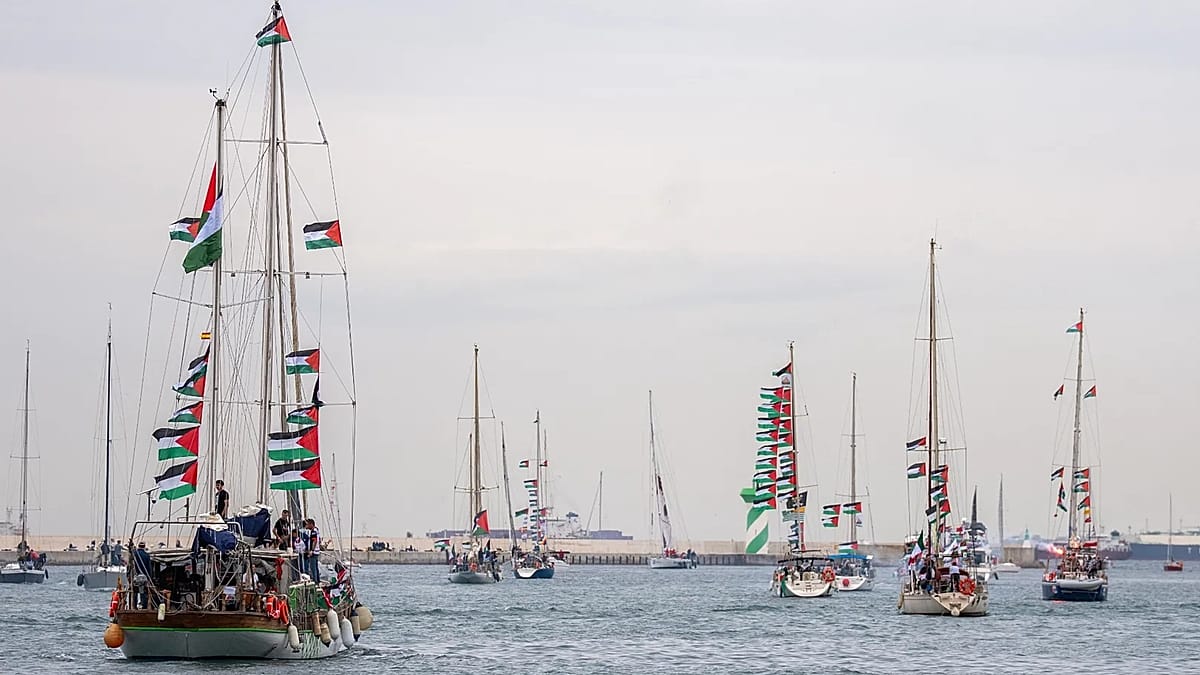
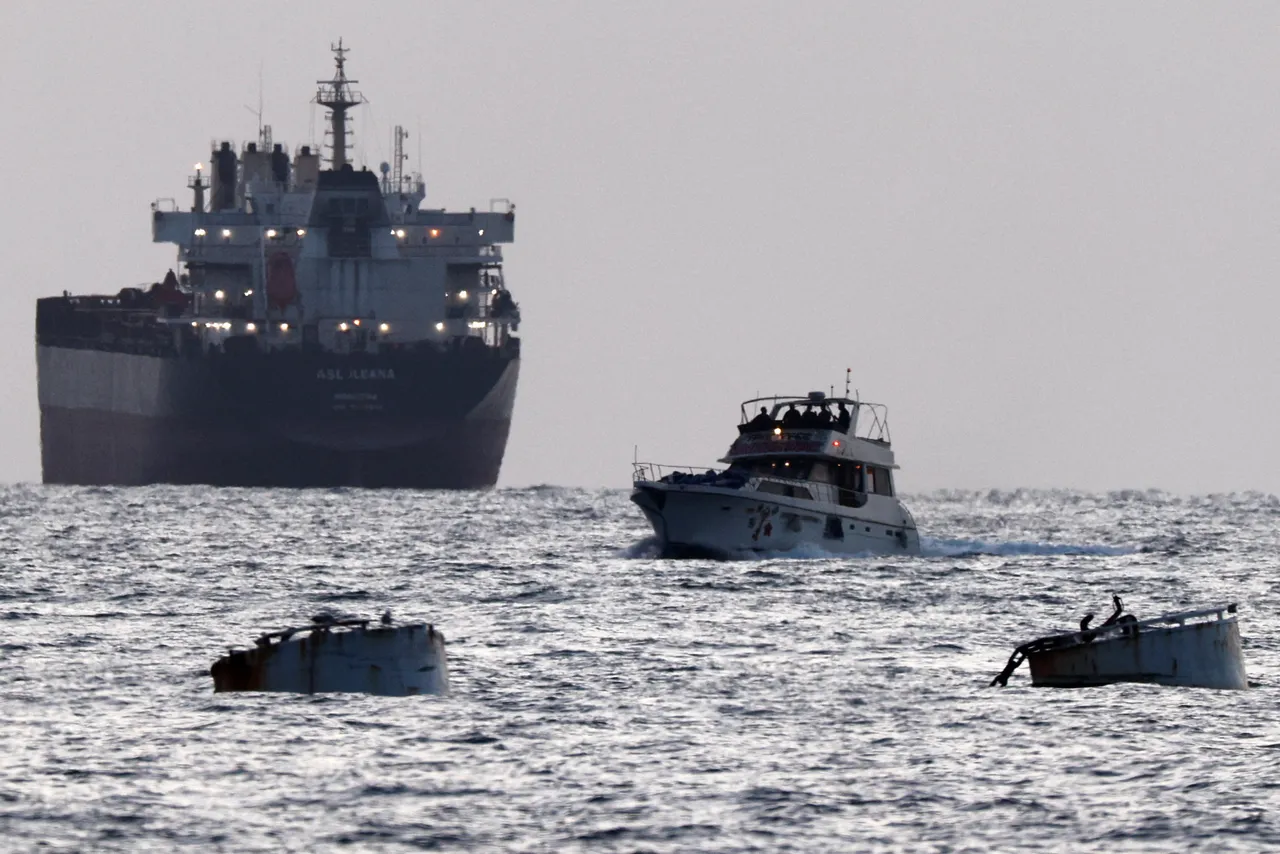
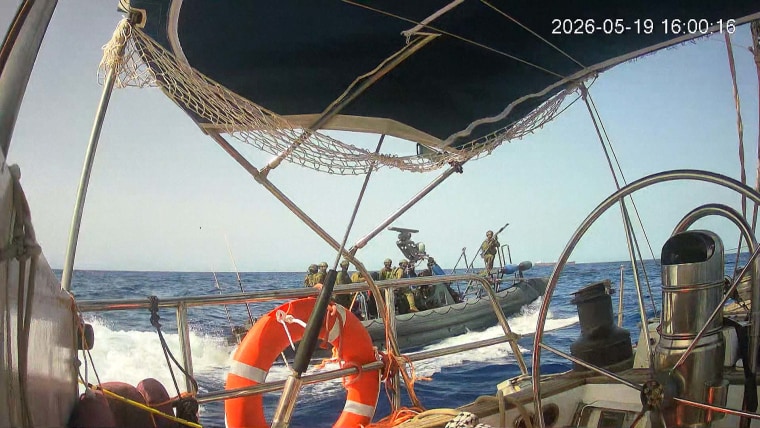
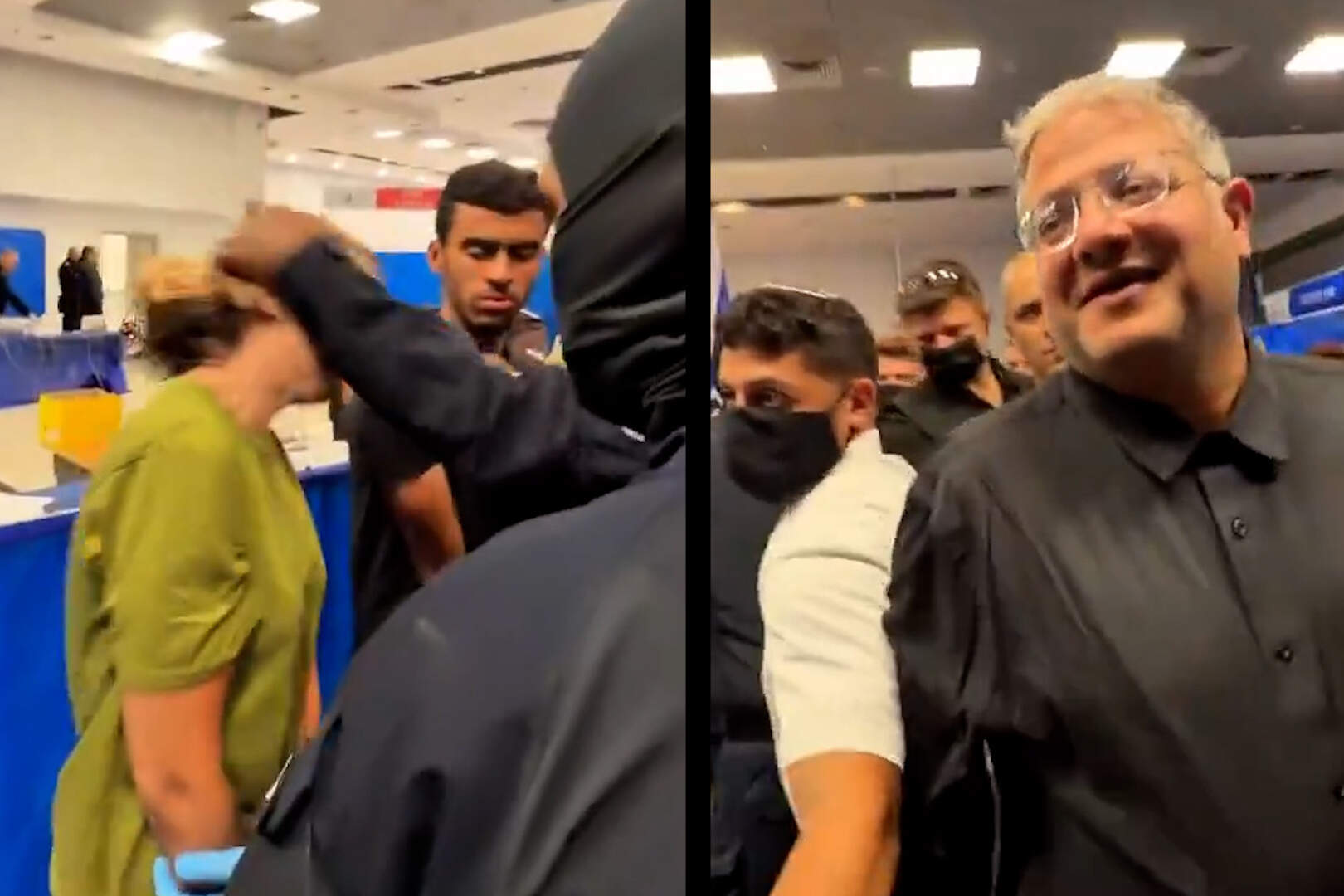
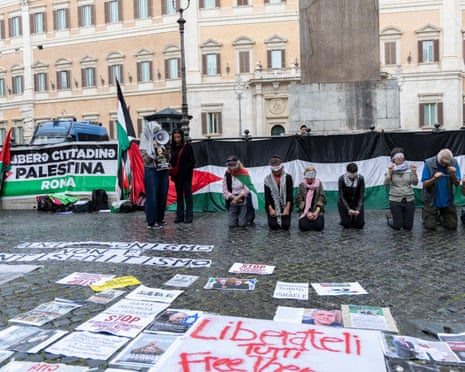
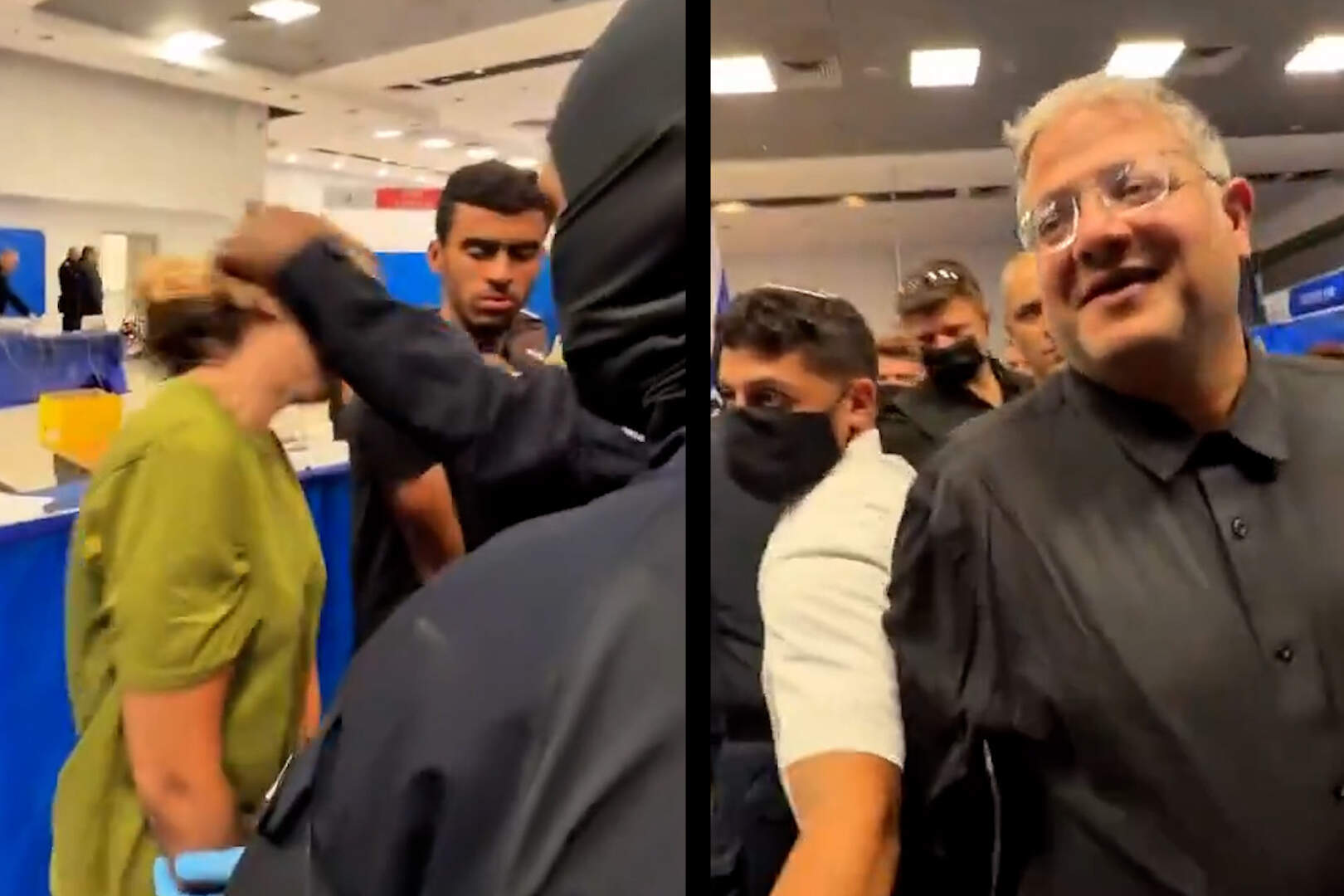
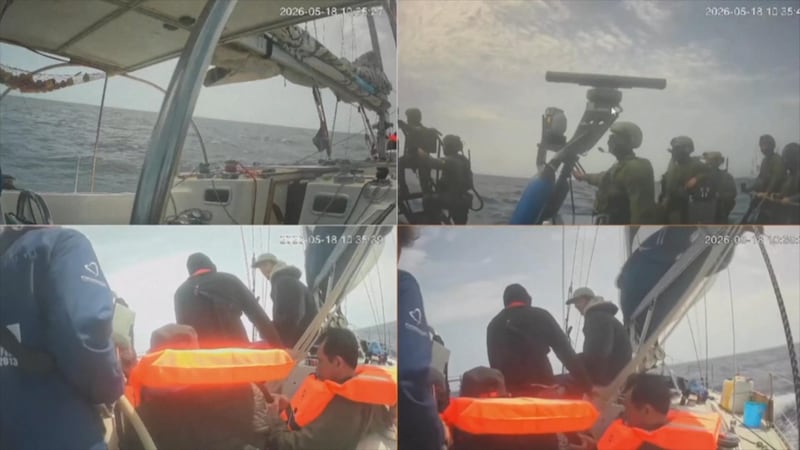
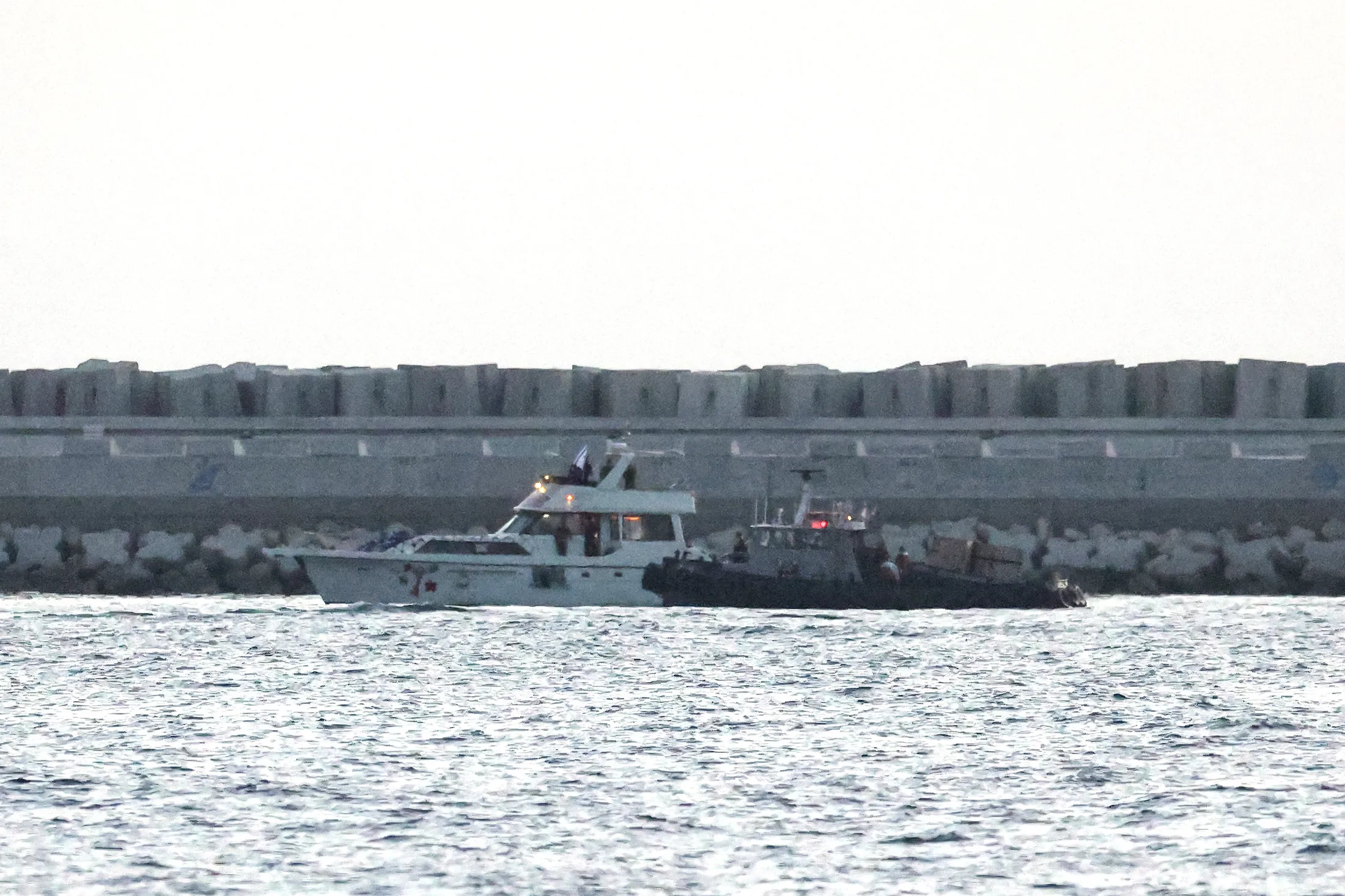
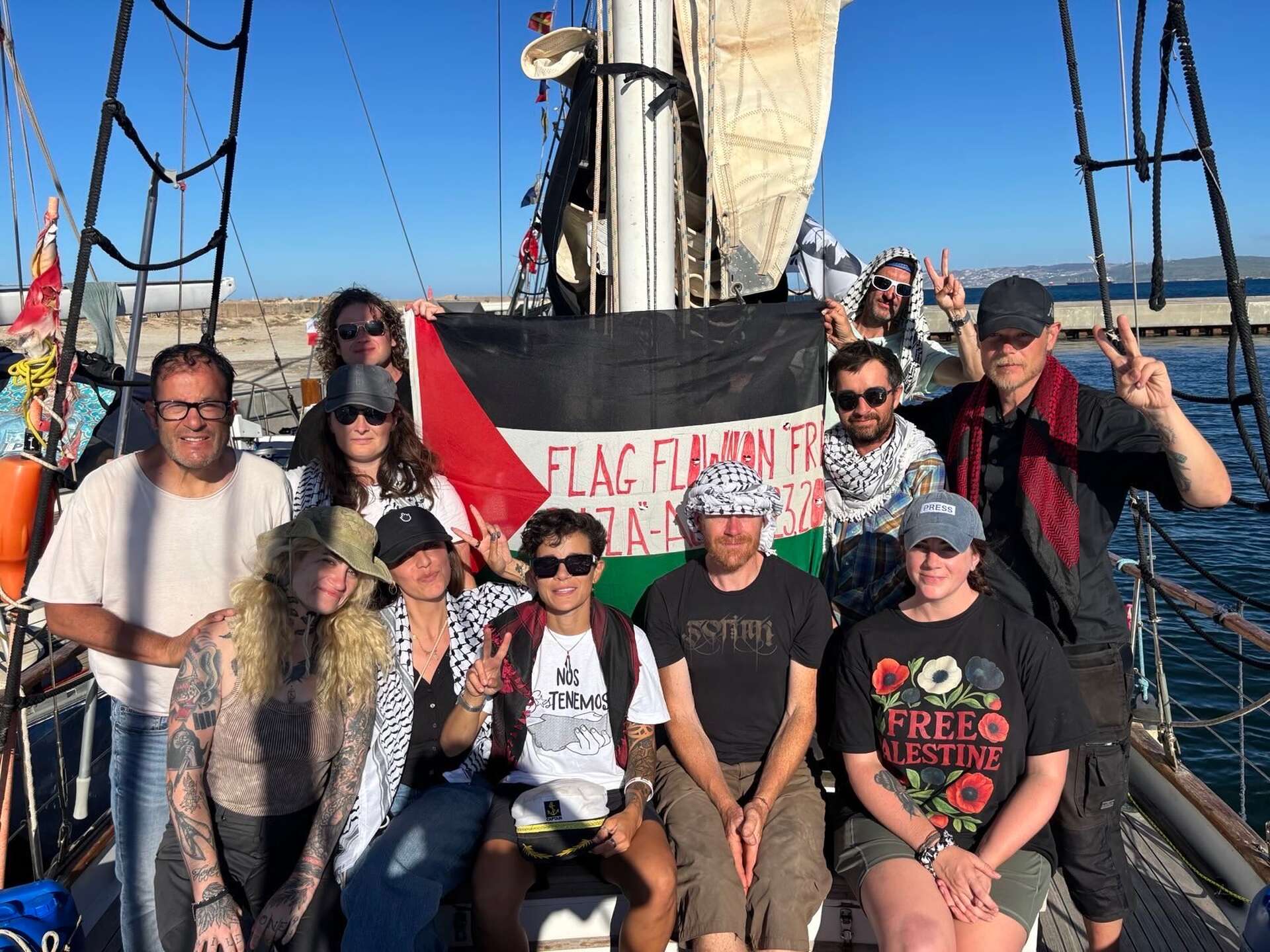
The Global Sumud Flotilla interception involving 50+ vessels and 430 activists from over 40 countries represents a critical geopolitical flashpoint with direct implications for cross-border e-commerce logistics and seller operations. On May 20, 2026, Israeli naval commandos intercepted the flotilla approximately 250 nautical miles west of Cyprus in international waters, with one vessel reaching within 80 nautical miles of Gaza. The incident triggered unprecedented diplomatic responses from 9 major Western nations (US, UK, France, Italy, Canada, Netherlands, Belgium, Spain, Ireland), with ambassadors summoned and formal condemnations issued. This escalation signals heightened maritime enforcement in the Eastern Mediterranean, a critical shipping corridor for European sellers exporting to Middle Eastern and North African markets.
The operational impact extends beyond humanitarian concerns to commercial logistics networks. The flotilla carried food, baby formula, and medical supplies—categories representing $12-15B in annual cross-border e-commerce volume. UN reports document severe restrictions on spare parts, generators, fuel, and equipment, with only 86 of 1,000 approved supplies offloaded in April, indicating 91.4% supply blockage rates. For sellers, this translates to potential delays in reaching Palestinian and Gaza-adjacent markets, increased insurance costs for Mediterranean shipping routes, and heightened scrutiny of cargo manifests. European sellers shipping to Israel, Egypt, and Jordan face elevated compliance requirements and potential port delays as maritime authorities implement stricter vessel documentation protocols.
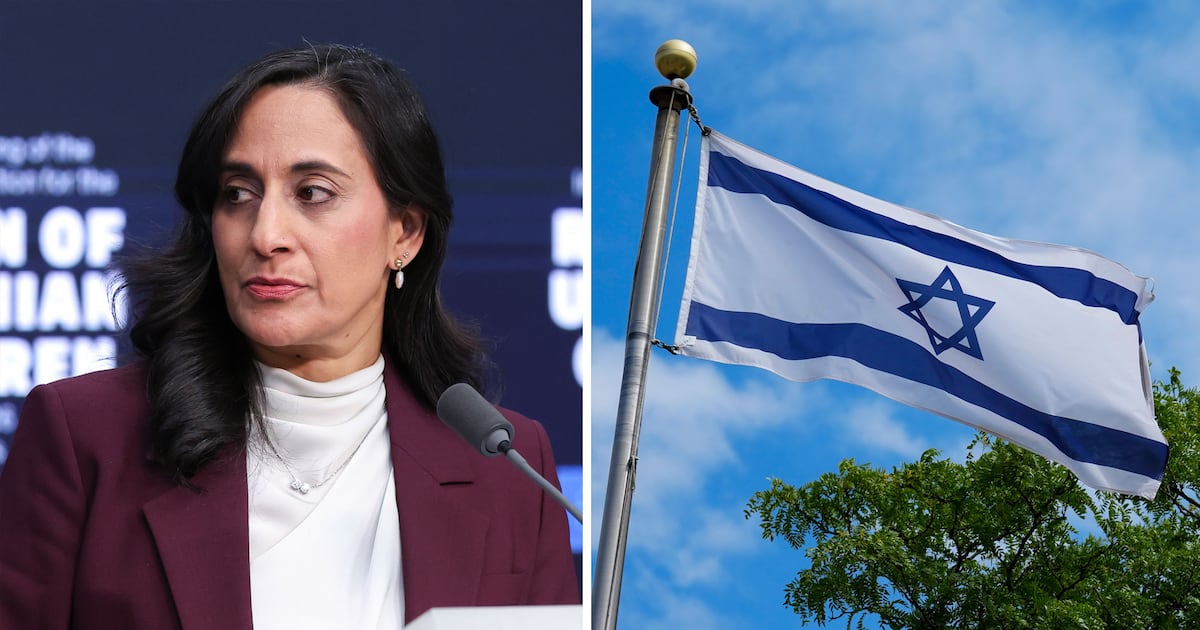
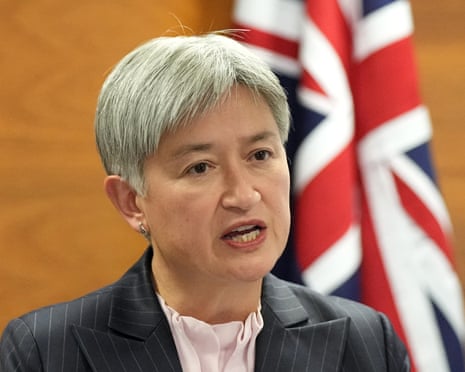
Diplomatic fractures among Western allies create unpredictable regulatory environments for sellers. Italian Prime Minister Meloni's demand for apologies, combined with threats to summon ambassadors, suggests potential trade policy adjustments affecting EU-Israel commerce agreements. The incident highlights internal Israeli political divisions, with Foreign Minister Saar calling the flotilla interception a "disgraceful spectacle," indicating policy instability. For sellers, this means monitoring EU-Israel trade relations closely, as sanctions or tariff adjustments could impact logistics costs by 5-12% for Mediterranean routes. The detention of US citizen Logan Hollarsmith (second detention since October 2024) and involvement of Italian, Spanish, and French nationals suggests potential diplomatic pressure affecting visa policies and cross-border personnel movement for logistics companies.
US Treasury sanctions on flotilla organizers create compliance risks for sellers supporting humanitarian initiatives. News 4 reveals simultaneous US condemnation of Israeli conduct while sanctioning flotilla organizations, creating a compliance minefield for sellers. Any seller supporting or donating to sanctioned organizations faces potential OFAC violations, asset freezes, and platform deactivation. This dual-policy approach indicates sellers must implement enhanced due diligence on charitable partnerships and humanitarian supply chains, particularly for baby formula, medical supplies, and food categories destined for conflict zones. The 91.4% supply blockage rate suggests legitimate humanitarian commerce faces severe restrictions, creating opportunities for sellers to pivot toward alternative markets or product categories with fewer geopolitical constraints.
Questions 8
What insurance and risk management adjustments should sellers implement for Mediterranean shipping?
The interception of 50+ vessels in international waters indicates elevated maritime risk requiring enhanced insurance coverage. Sellers should expect 3-8% premium increases for Mediterranean routes and implement war risk/political violence coverage (typically 0.5-1.5% of shipment value). The incident demonstrates that international waters provide limited protection, requiring sellers to obtain comprehensive maritime liability insurance covering detention, cargo loss, and diplomatic incidents. Consider increasing insurance deductibles from $5,000 to $25,000 to offset premium increases. Implement real-time vessel tracking and geofencing alerts for shipments approaching Eastern Mediterranean zones, with automatic rerouting protocols if vessels enter high-risk areas.
How does the detention of US citizen Logan Hollarsmith affect visa and personnel policies for logistics companies?
Hollarsmith's second detention (October 2024 and May 2026) and involvement of Italian, Spanish, and French nationals suggests potential diplomatic pressure affecting visa policies for logistics personnel. Sellers operating 3PL networks in the Eastern Mediterranean should implement enhanced background checks and compliance training for personnel involved in humanitarian or politically sensitive shipments. The incident indicates Israeli authorities are conducting heightened scrutiny of foreign nationals involved in maritime operations. Logistics companies should expect 10-20 day visa processing delays and potential entry denials for personnel with activism histories. Consider hiring local staff in Israel and Egypt to mitigate personnel movement restrictions.