




Strait of Hormuz Shipping Crisis Threatens 15-20% Margin Compression for Cross-Border Sellers
- Oil prices swing $98-$200/barrel on Iran talks; fuel surcharges could increase 8-15% for Asia-sourcing sellers by Q3 2026























Overview
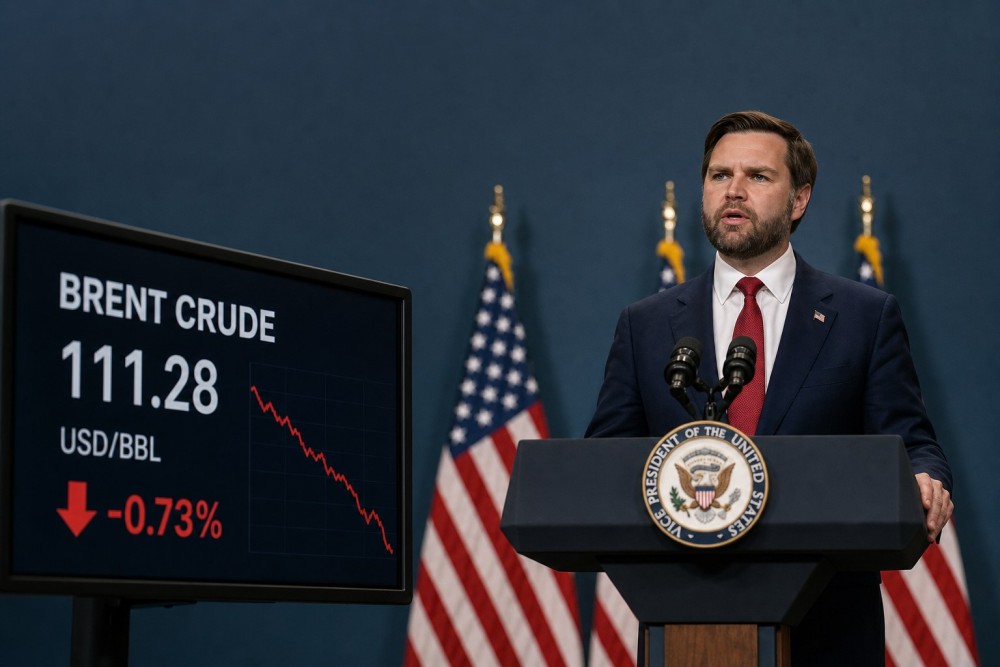
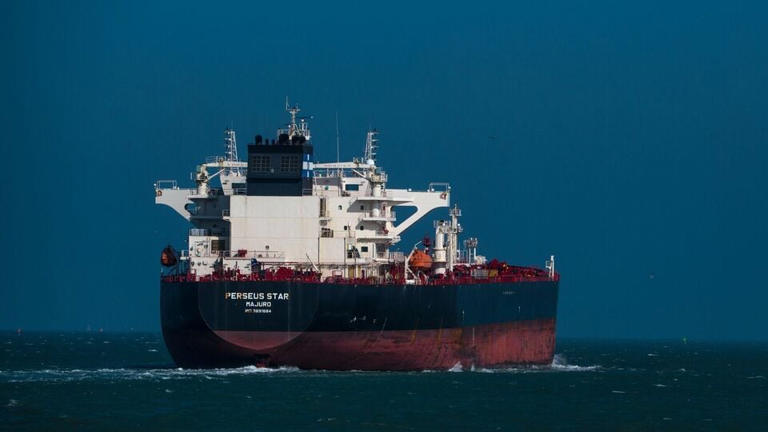
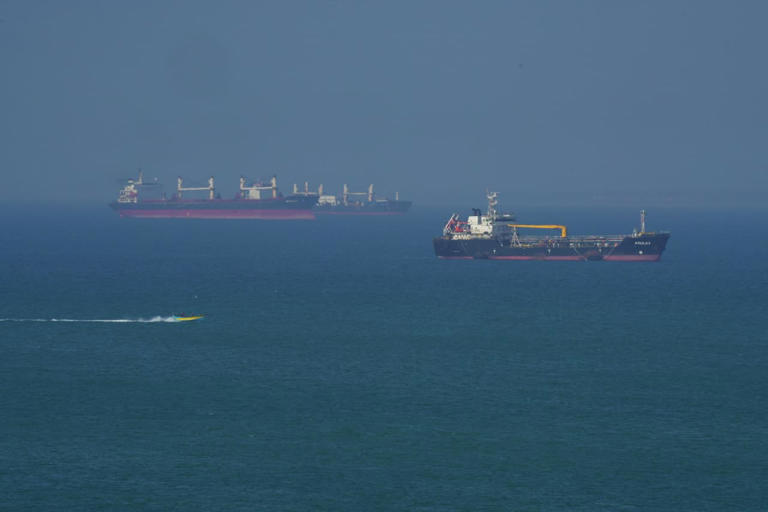
Critical Logistics Cost Crisis Emerging for Cross-Border E-Commerce Sellers: On May 20, 2026, U.S. crude oil fell below $100/barrel (WTI at $98.26, Brent at $105.02) following Trump's announcement that Iran negotiations reached final stages, creating a false sense of supply security. However, this represents a dangerous window of opportunity for sellers to lock in shipping rates before potential price spikes. The Strait of Hormuz—handling approximately 21% of global petroleum trade—remains severely disrupted with only 3 supertankers crossing daily versus pre-conflict levels of 130 vessels. This 97.7% reduction in shipping volume directly translates to elevated fuel surcharges for all cross-border sellers.
Immediate Margin Compression Risk: Citibank projects Brent crude could spike to $120/barrel in the near term, while Wood Mackenzie estimates worst-case scenarios approaching $200/barrel if Hormuz remains closed through year-end. For sellers relying on air freight or expedited ocean shipping from Asia, fuel surcharges typically represent 8-12% of base shipping costs. A $20/barrel price increase translates to approximately $150-300 additional monthly costs for sellers shipping 500+ units internationally. The current Brent contract premium spread ($20/barrel for next-month vs. $35+ last month) indicates traders are underpricing disruption risk—a critical signal that current shipping quotes may not reflect true forward costs.
Strategic Sourcing Implications: The blockade of Iranian ports and Tehran's Strait of Hormuz closure creates alternative routing opportunities. Sellers currently sourcing from Middle East suppliers face 2-3 month delays, forcing pivot to Vietnam, India, or Indonesia suppliers. However, this geographic shift increases sourcing costs by 5-8% while reducing lead times by 4-6 weeks. Russian oil sanctions lifting (per Deputy PM Novak) may provide marginal relief, but alternative crude routes add 15-20 days to delivery timelines. Sellers in time-sensitive categories (electronics, fashion, seasonal goods) face critical inventory planning decisions: accept higher sourcing costs for faster alternatives or maintain current suppliers and absorb shipping delays.
Operational Impact by Seller Segment: Small sellers (under $100K annual revenue) lack negotiating power with 3PL providers and face full fuel surcharge pass-through, potentially reducing net margins by 12-18%. Mid-market sellers ($100K-$1M) can negotiate fixed-rate shipping contracts through June 2026 before potential escalation. Large sellers ($1M+) with dedicated freight forwarding relationships can lock in rates and potentially benefit from competitor margin compression by maintaining price competitiveness. Amazon FBA sellers face additional pressure as fulfillment center surcharges typically lag spot market prices by 4-6 weeks, creating a lag-time arbitrage window.
Questions 8
How can I lock in shipping rates before fuel surcharges increase?
Contact your 3PL provider or freight forwarder immediately to negotiate fixed-rate shipping contracts through June 2026, before potential oil price escalation. Request all-inclusive rates that cap fuel surcharges at current levels (typically $0.15-0.25/kg for ocean freight). For Amazon FBA sellers, monitor Seller Central for fulfillment fee announcements, which typically lag spot market prices by 4-6 weeks. Consider consolidating shipments to reduce per-unit shipping costs and negotiate volume discounts with carriers. For air freight, lock in rates for Q2-Q3 2026 shipments immediately, as spot prices could increase 15-20% if Hormuz remains disrupted. Smaller sellers should consider joining freight consolidation services to access carrier rates typically available only to large shippers.
What is the timeline for oil price stabilization and shipping cost relief?
Wood Mackenzie projects Brent prices would ease to approximately $80/barrel by end-2026 if a quick peace deal opens Hormuz by June 2026, providing significant cost relief. However, Citibank warns markets are underpricing disruption risks, with Brent potentially reaching $120/barrel in the near term. The current Brent contract premium spread ($20/barrel for next-month vs. $35+ last month) indicates traders expect stabilization within 60-90 days. Sellers should plan for elevated shipping costs through Q3 2026 and lock in fixed-rate contracts through June 2026. If negotiations fail and Hormuz remains closed, prices could approach $200/barrel, creating 20-30% margin compression for logistics-dependent sellers.