


Australia's Compliance Crucible: When Gun Laws and Community Safety Collide
- Regulatory Failure Exposes Critical Gaps in Firearms Oversight and Community Protection










Overview
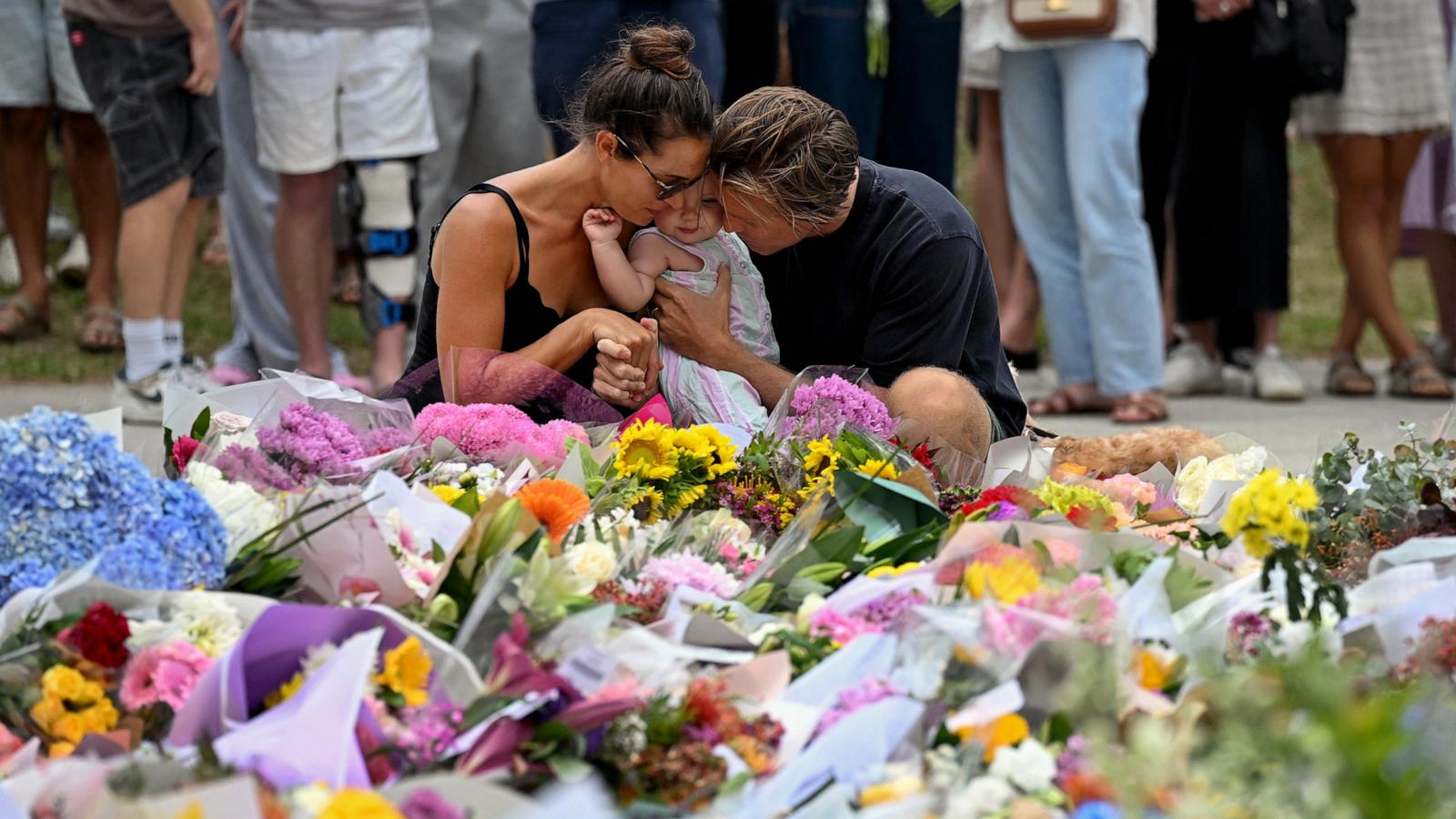
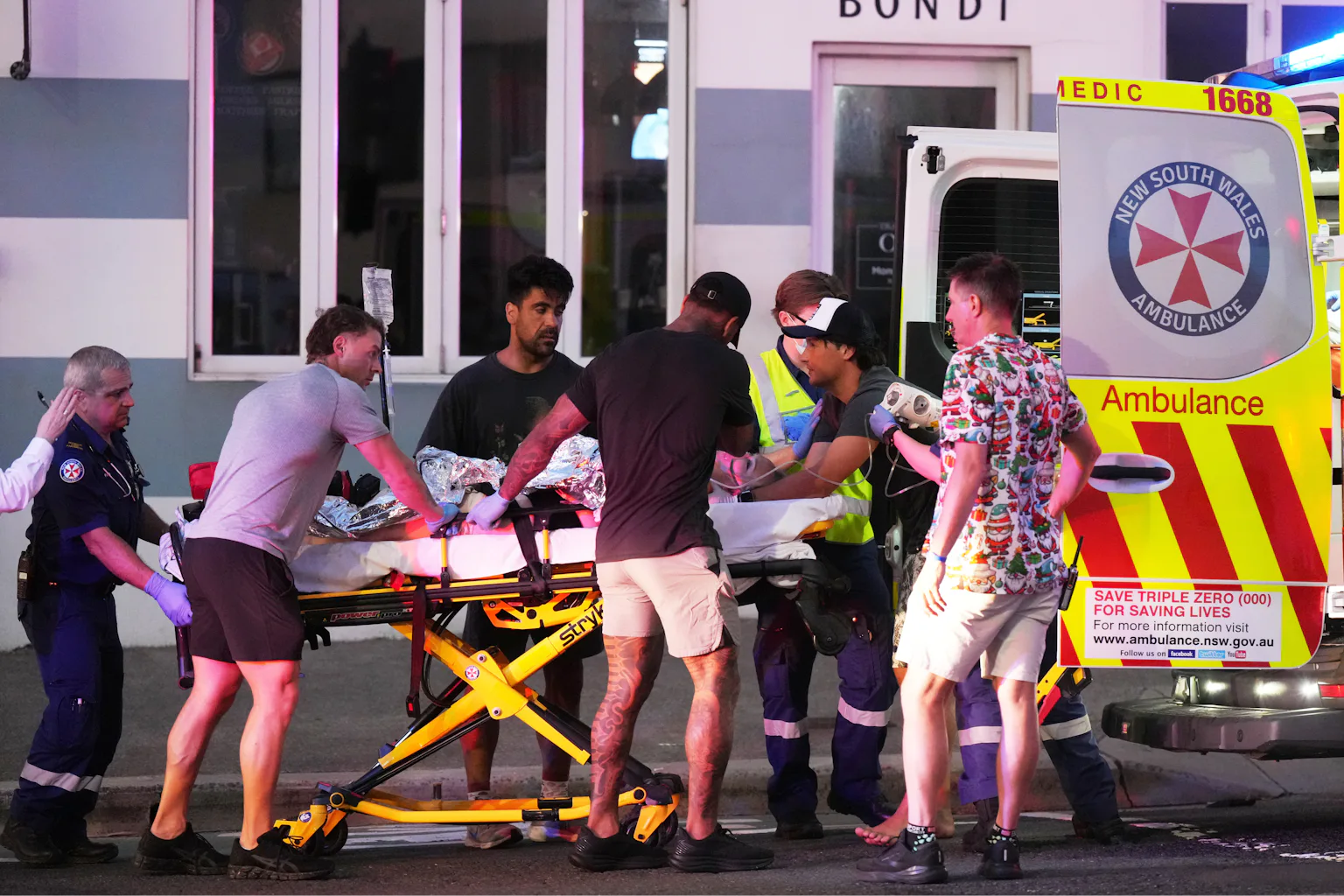
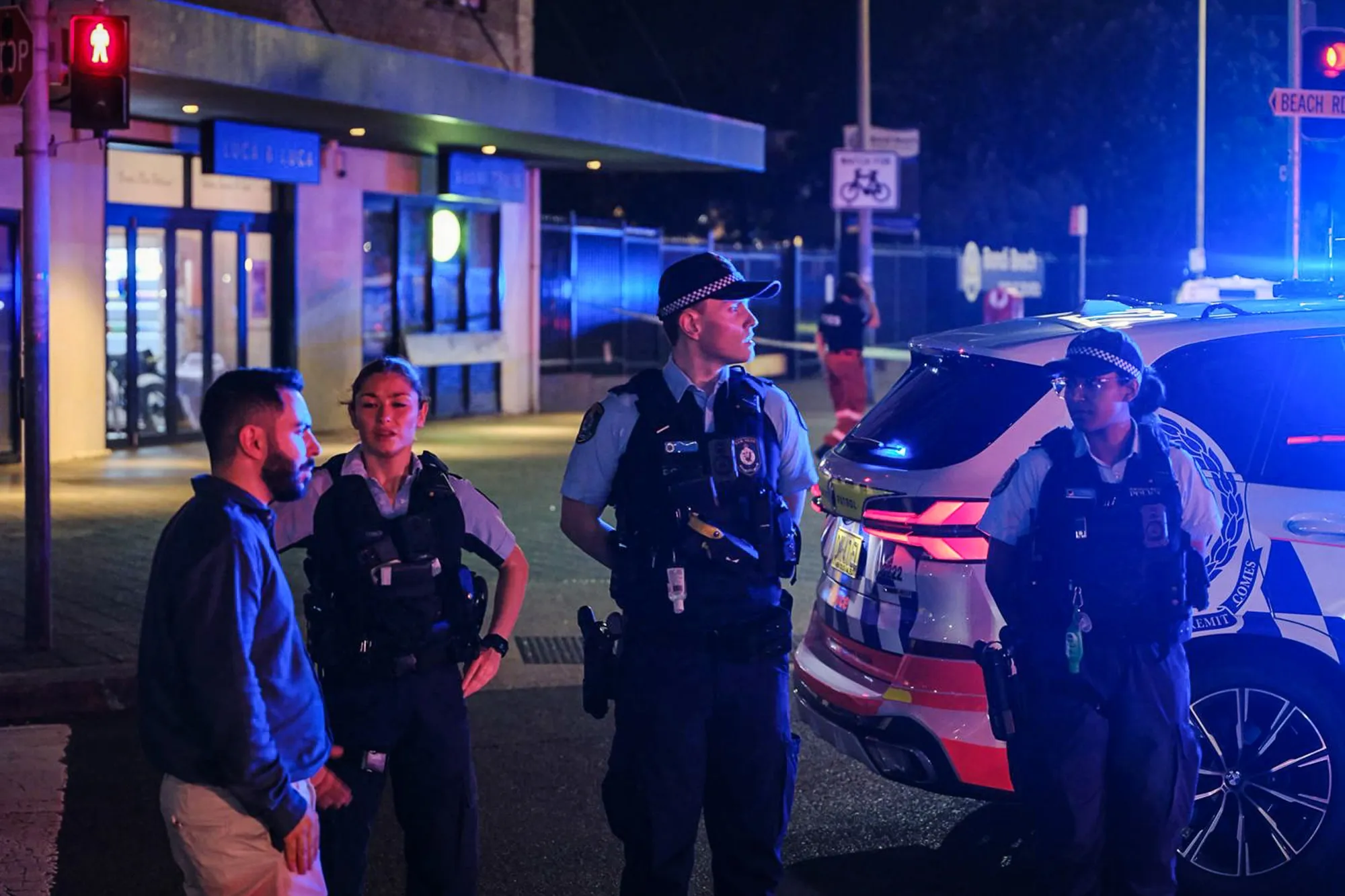
The Bondi Beach shooting represents a catastrophic regulatory compliance breakdown that threatens Australia's long-standing reputation for effective gun control. On December 15, 2025, a single incident exposed multiple systemic vulnerabilities in firearms licensing, community security, and anti-discrimination frameworks.
Regulatory Compliance Failures are starkly evident in this case. Despite Australia's celebrated 1996 gun reform, the attackers—Sajid and Naveed Akram, a father-son duo—navigated existing regulations with alarming ease. The older Akram had held a gun license for 10 years and possessed six registered weapons, highlighting critical weaknesses in the licensing verification process. Naveed's previous examination by Australian Intelligence six years earlier for potential Islamic State links further underscores the intelligence community's limited intervention capabilities.
The incident reveals three key compliance vulnerabilities:
1. Licensing System Gaps: The current firearms registration system failed to prevent a known potential security risk from maintaining legal weapon access. The fact that a recreational hunting license could coexist with potential radicalization signals a profound screening mechanism failure.
2. Community Protection Protocols: Prior to the shooting, Australian Jewish leaders had reported 1,654 antisemitic attacks in the previous year. Despite this warning, preventative measures remained insufficient. The government's reactive approach—appointing a Special Envoy to Combat Antisemitism after the incident—demonstrates a systemic compliance lag.
3. Intersectional Security Challenges: The shooting occurred against a complex backdrop of geopolitical tensions, including Israel's war in Gaza and Australia's recognition of Palestinian statehood. This highlights the need for more nuanced, proactive community security frameworks that anticipate multi-dimensional conflict risks.
Prime Minister Anthony Albanese's subsequent announcement of a comprehensive gun regulation review signals an acknowledgment of these systemic failures. The proposed measures—including potential limits on individual gun licensing and improved inter-state coordination—represent a critical regulatory reset.
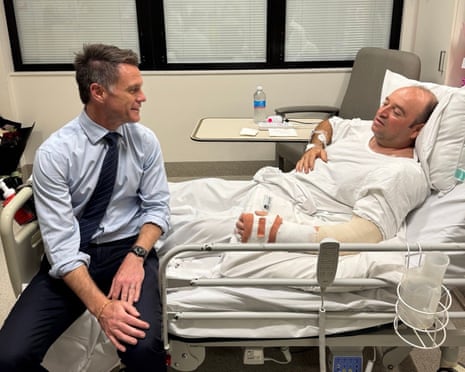
Paradoxically, the incident also showcased remarkable individual resilience. Ahmed Al Ahmed, a refugee's son, demonstrated how community-level intervention can momentarily bridge institutional compliance gaps by disarming one of the attackers and potentially preventing further casualties.
The Bondi Beach shooting is more than a tragic event; it's a pivotal moment demanding a fundamental reimagining of regulatory compliance in community safety, firearms control, and anti-discrimination frameworks.
Questions 3
How did the Bondi Beach shooter obtain a firearms license despite potential security risks?
The shooter, Sajid Akram, had maintained a 10-year gun license through Australia's existing regulatory framework, which failed to comprehensively screen for potential radicalization risks. His ability to possess six registered weapons despite previous intelligence investigations reveals significant gaps in the current firearms licensing system.
What immediate regulatory changes are likely following the Bondi Beach shooting?
Prime Minister Albanese has announced a comprehensive review of gun regulations, potentially including stricter individual gun licensing limits, enhanced inter-state coordination, and more rigorous background checks. The government is likely to implement a more sophisticated risk assessment protocol for firearms licensing.