
LIRR Labor Strike Disrupts NYC Metro Logistics | Seller Supply Chain Risk Alert
- 3-day transportation shutdown affects 300,000 commuters and critical fulfillment corridors; MTA refund precedent signals rising labor costs impacting last-mile delivery pricing

Overview
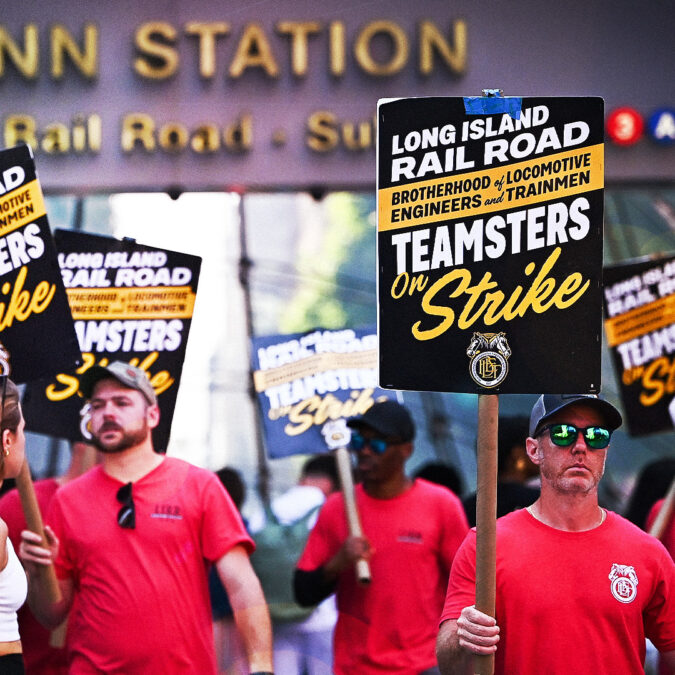
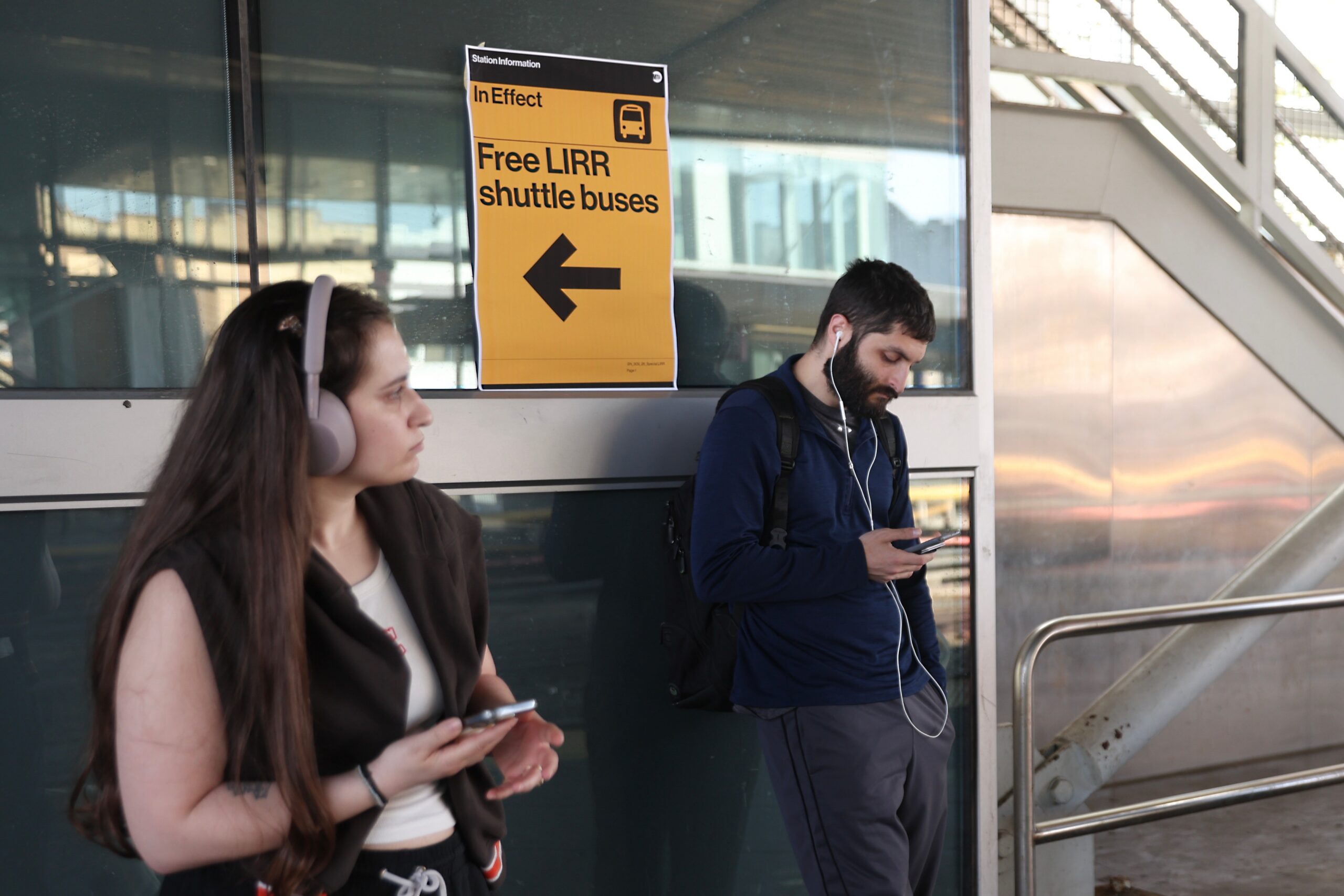
The May 2026 Long Island Rail Road (LIRR) strike represents a critical infrastructure disruption affecting cross-border e-commerce sellers operating in the New York metropolitan region. Five unions representing 3,500 workers initiated a three-day work stoppage demanding a 14.5% pay raise over four years, paralyzing service for approximately 300,000 daily commuters and disrupting regional logistics networks. The strike directly impacted fulfillment operations, last-mile delivery capabilities, and supply chain reliability for sellers dependent on LIRR-connected distribution hubs serving the NYC metro area—one of North America's largest e-commerce markets.
Critical operational impact: The LIRR serves as essential infrastructure for moving goods and personnel throughout the New York metropolitan region. Sellers utilizing 3PL providers, Amazon fulfillment centers, and regional distribution networks experienced service delays, increased shipping costs, and delivery time extensions during the three-day disruption. The tentative agreement ending the strike, while details remain undisclosed, likely includes wage increases that will cascade into higher transportation and logistics costs across the region. Industry analysis suggests labor cost increases of 14.5% over four years translate to approximately 3-4% annual cost escalation for regional logistics providers, directly impacting seller fulfillment expenses.
Precedent-setting refund policy: The MTA's May 20, 2026 decision to automatically refund 68,000 riders ($2.4 million total) represents a significant policy shift toward customer compensation for service disruptions. This precedent signals that future labor disputes or operational failures will trigger automatic refund obligations, establishing new liability frameworks for transportation infrastructure operators. For sellers, this indicates rising operational costs as transit authorities implement more generous compensation policies—costs that will be passed to logistics providers and ultimately reflected in shipping rates. The automatic refund process (completed by June 30, 2026) demonstrates institutional commitment to rapid customer recovery, setting expectations for seller-level service recovery standards during disruptions.
Market implications for sellers: The New York metro region represents approximately 8-10% of total US cross-border e-commerce volume, with significant concentration in fashion, electronics, and home goods categories. Rising labor costs in regional logistics will compress margins for sellers shipping to/from this market, particularly small and medium-sized sellers (SMBs) with limited negotiating power with 3PL providers. Sellers should anticipate 2-4% shipping cost increases over the next 12-18 months as labor agreements cascade through the logistics supply chain. The strike also highlights vulnerability of just-in-time inventory models dependent on LIRR connectivity—sellers should evaluate geographic diversification of fulfillment networks and consider shifting 15-25% of inventory to alternative regional hubs in New Jersey or Connecticut to reduce LIRR dependency.
Questions 8
How does the LIRR strike impact Amazon FBA sellers shipping from New York fulfillment centers?
The three-day LIRR shutdown directly disrupted inbound and outbound logistics for Amazon fulfillment centers in the New York region, causing inventory delays and extended delivery times. Sellers shipping inventory to NYC-area FBA centers experienced 2-4 day processing delays during the strike period. The tentative labor agreement, while details remain undisclosed, will likely increase regional transportation costs by 3-4% annually, raising Amazon FBA inbound shipping fees for sellers utilizing LIRR-connected distribution corridors. Sellers should monitor FBA fee updates in Seller Central and consider pre-positioning inventory in alternative regional fulfillment centers (New Jersey, Connecticut) to reduce LIRR dependency and mitigate future labor disruption risks.
What compliance and monitoring steps should sellers take regarding future LIRR labor actions?
Sellers should establish monitoring protocols for LIRR labor negotiations and contract renewal dates (typically 3-5 year cycles). Subscribe to MTA service alerts and LIRR labor news feeds to receive advance warning of potential disruptions. Document all strike-related delays, cost increases, and customer refunds for potential tax deductions or insurance claims. Review supply chain insurance policies to ensure coverage for labor-related transportation disruptions—many standard policies exclude labor actions. Establish contingency communication plans with 3PL providers and customers to manage expectations during future disruptions. For Amazon sellers, maintain detailed records in Seller Central regarding FBA processing delays during the strike period for potential fee adjustment requests. Sellers should also participate in industry associations (National Retail Federation, E-Commerce Fulfillment Association) that advocate for supply chain resilience and labor policy transparency.