

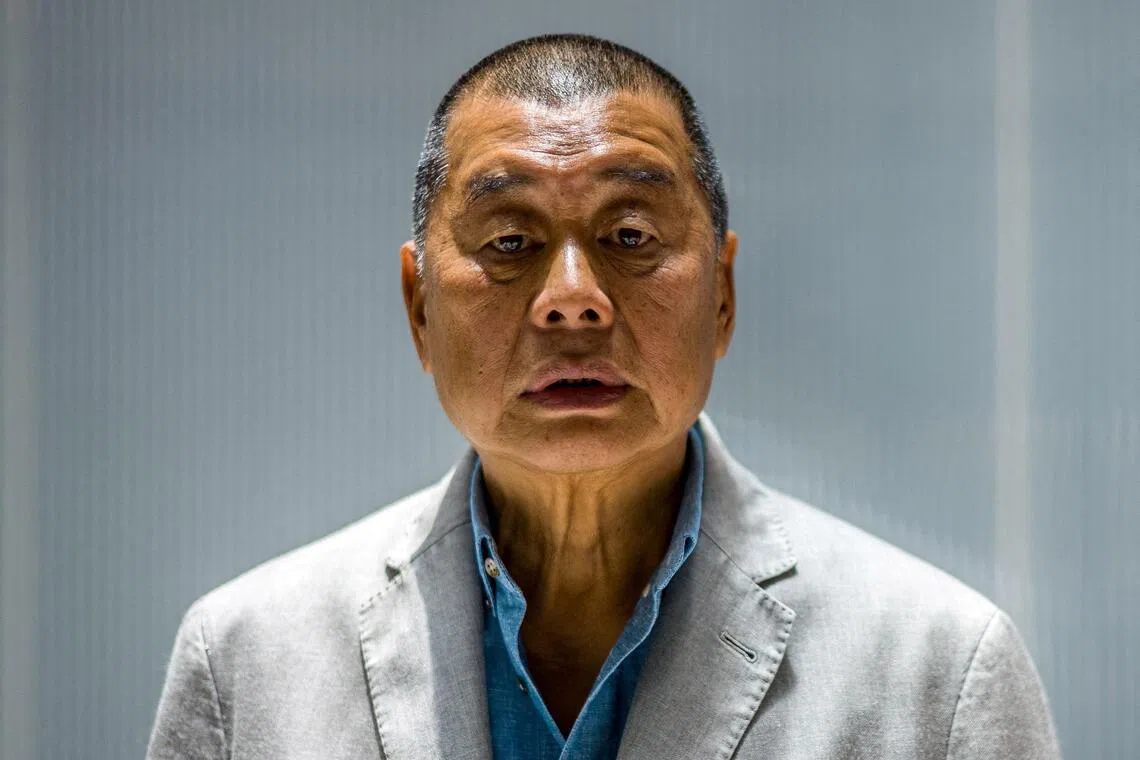



The Crushing of Hong Kong's Last Bastion of Resistance
- Beijing's Strategic Dismantling of Pro-Democracy Voices Signals Total Political Control








Overview
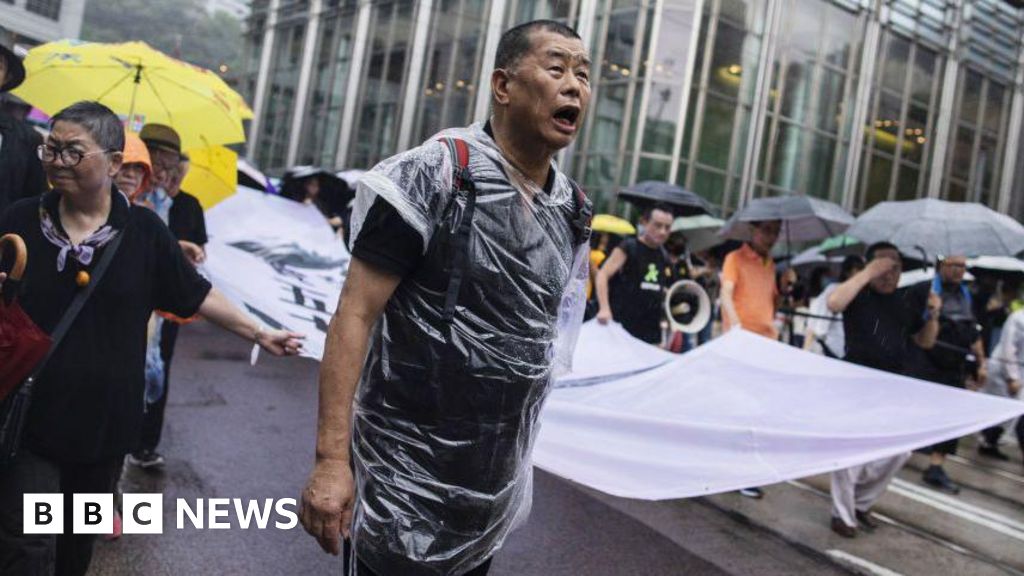
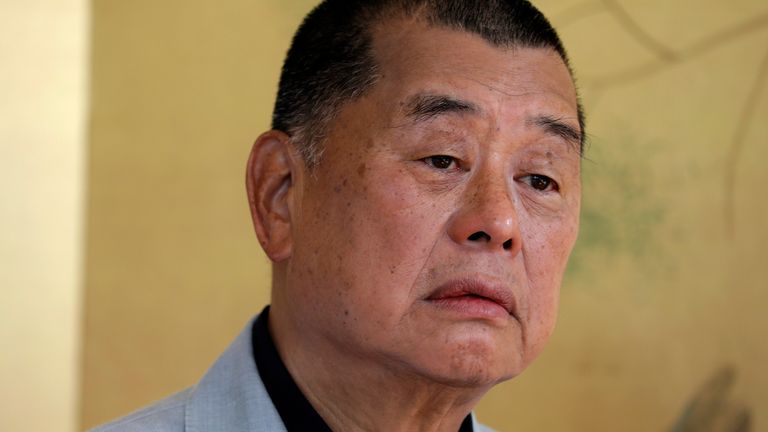
Jimmy Lai's sentencing represents a pivotal moment in Hong Kong's accelerating political transformation, symbolizing the complete erosion of democratic resistance under Beijing's authoritarian consolidation. The 855-page verdict against the prominent media mogul is more than a legal proceeding—it's a calculated political strategy to eliminate any remaining challenges to Chinese Communist Party control.
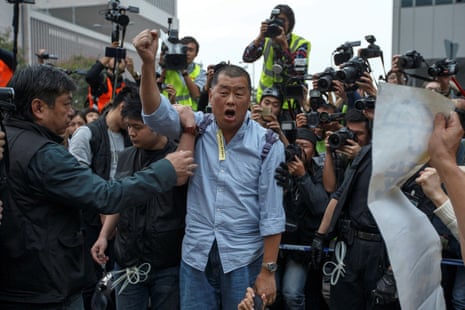
The systematic suppression of dissent has reached unprecedented levels, with Lai's case epitomizing a broader crackdown that has already seen hundreds of activists arrested and 45 lawmakers imprisoned. By targeting a high-profile figure who founded Apple Daily newspaper, Beijing is sending an unambiguous message: no individual, regardless of international prominence or media influence, can successfully challenge the state's narrative.
International reactions reveal the geopolitical complexity of Hong Kong's transformation, with Western governments and pro-democracy groups condemning the trial as a "compromised judicial system." However, these diplomatic protests appear increasingly ineffective against China's determined political restructuring. Lai's conviction under national security laws—originally imposed after 2019 protests—demonstrates how legal mechanisms have become precision instruments of political control.
The strategic implications are profound. By systematically removing vocal critics like Lai, who spent over 1,800 days in solitary confinement, Beijing is not just silencing opposition but fundamentally redesigning Hong Kong's political ecosystem. This represents a total institutional recalibration, where rule of law is being reengineered to serve state objectives rather than protect individual rights.
For international observers and potential investors, the message is clear: Hong Kong's autonomous character has been definitively dismantled. The era of "one country, two systems" has conclusively ended, replaced by a model of direct political integration that brooks no meaningful resistance.
Questions 3
What are the broader implications for businesses and investors in Hong Kong?
The sentencing confirms that Hong Kong's legal and political environment is now fully aligned with mainland China's governance model. Businesses should expect increased state control, reduced judicial independence, and a regulatory landscape prioritizing political stability over individual or corporate freedoms.
What does Jimmy Lai's sentencing mean for Hong Kong's political future?
Lai's conviction signals the complete elimination of meaningful political opposition in Hong Kong. It demonstrates that Beijing will use legal mechanisms to systematically remove any voices challenging its authority, effectively transforming Hong Kong's political landscape into a fully controlled environment.