

LaGuardia Runway Closure Disrupts Air Cargo | Supply Chain Risk for E-Commerce Sellers
- 50% capacity reduction at major NYC hub affects 270+ flight delays, 197 cancellations; time-sensitive shipments face 1+ hour average delays and rerouting costs











Overview
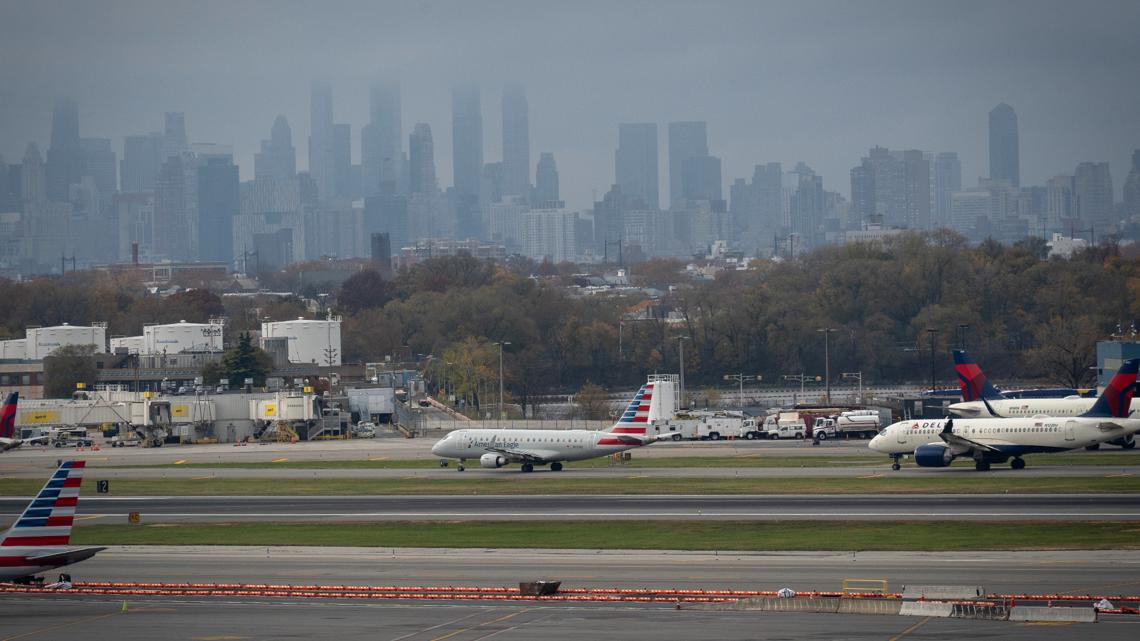
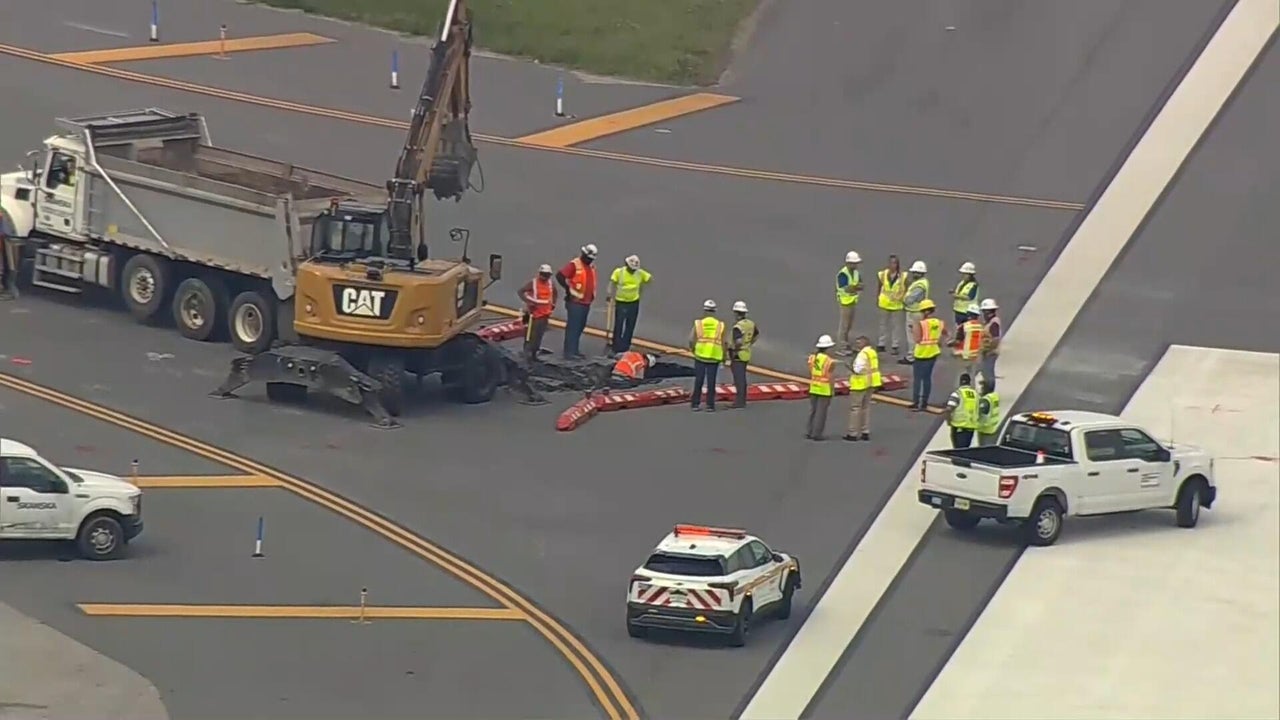
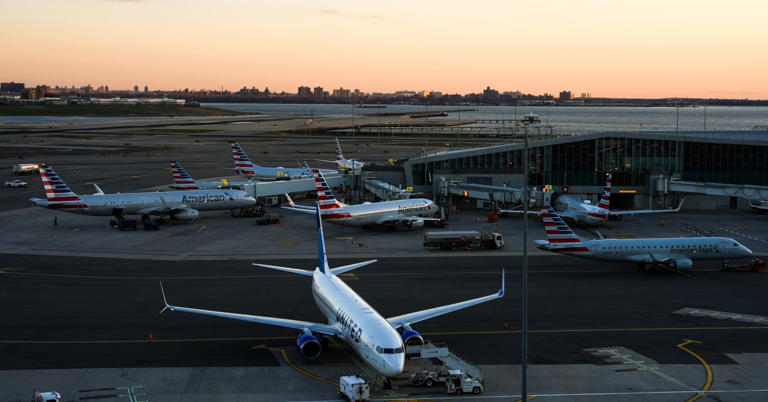
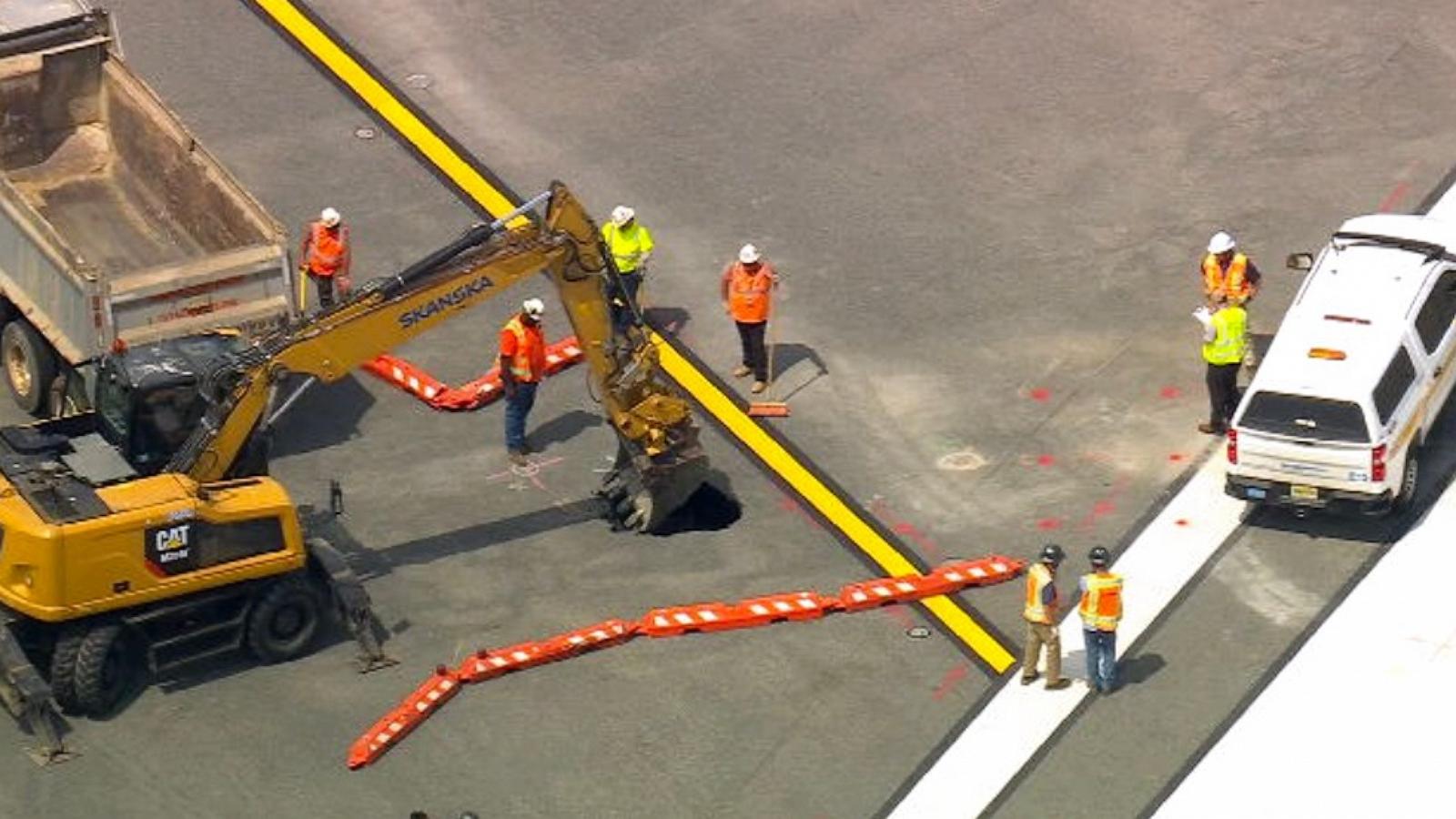
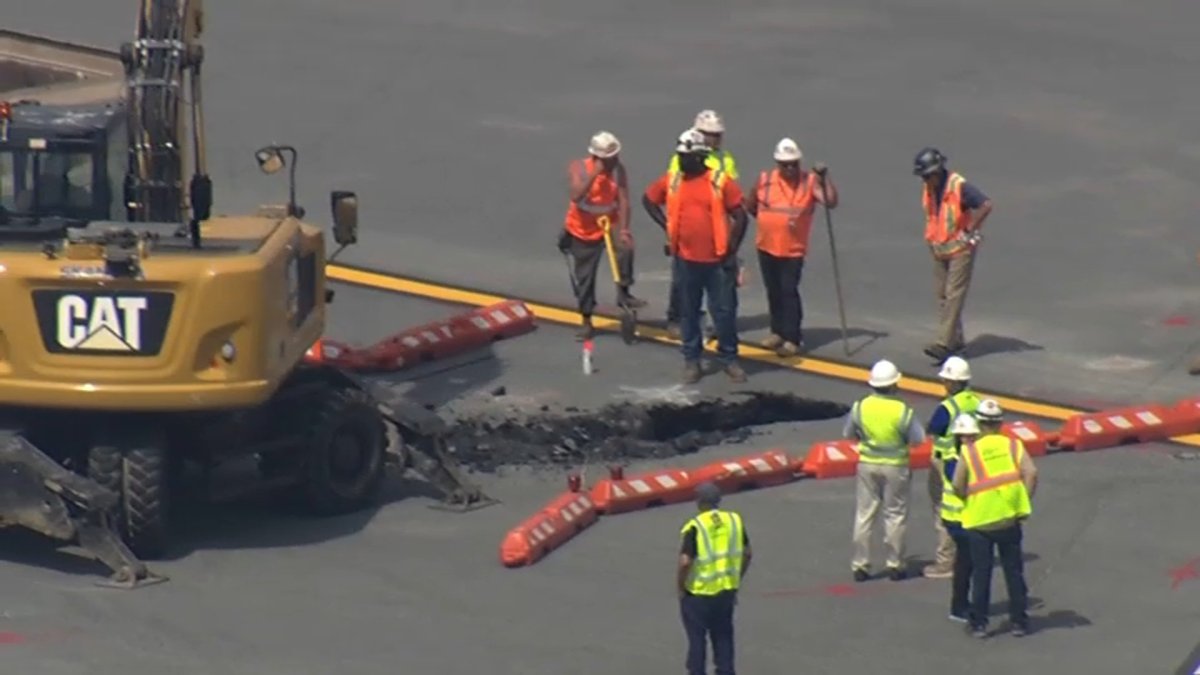
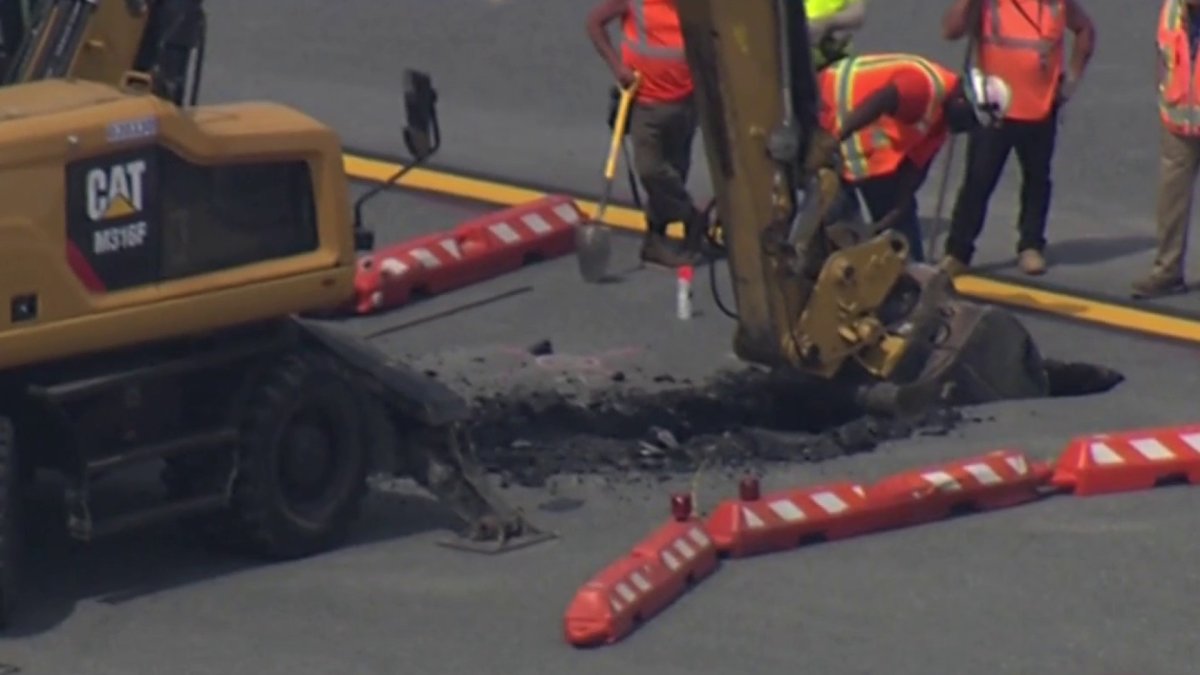
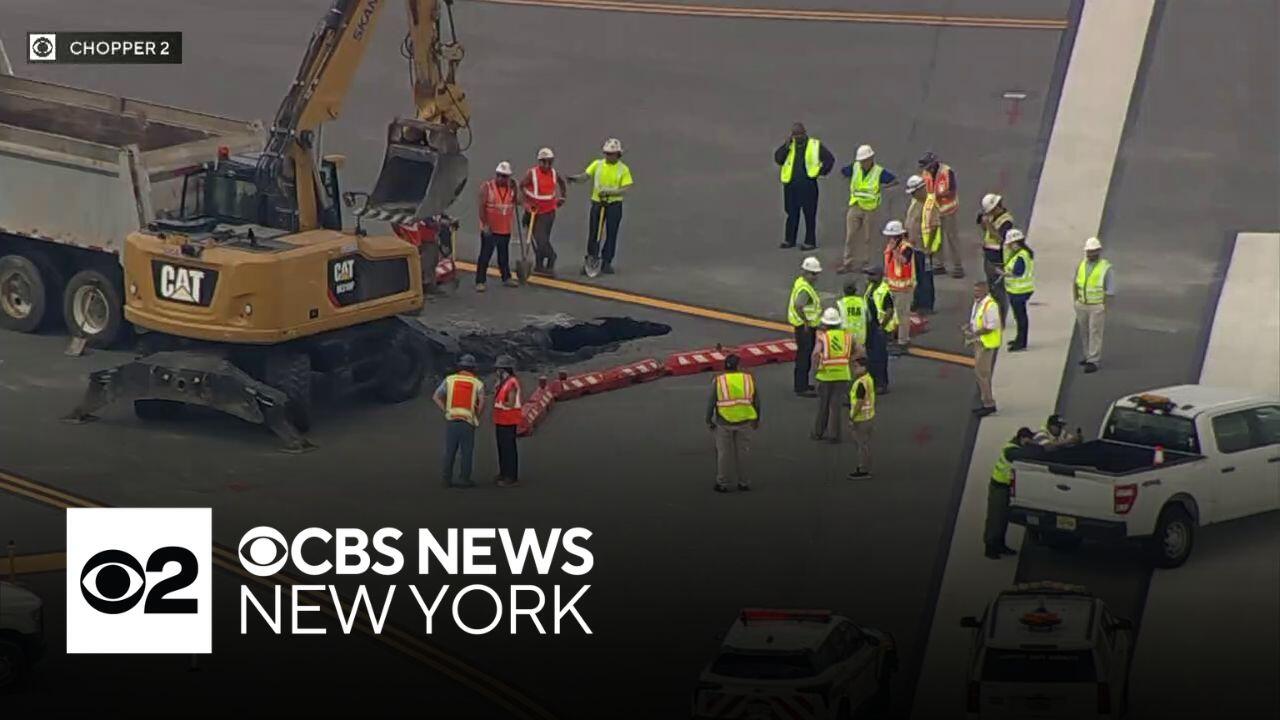
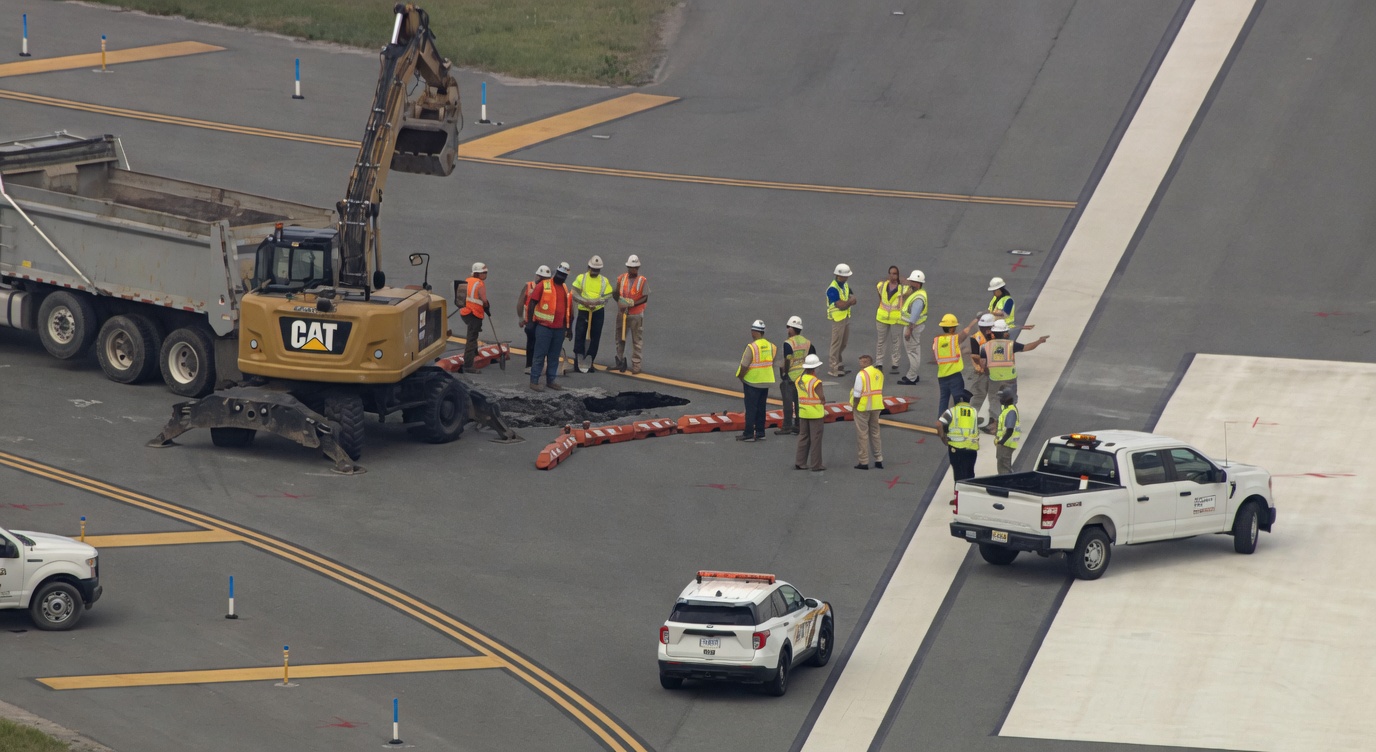
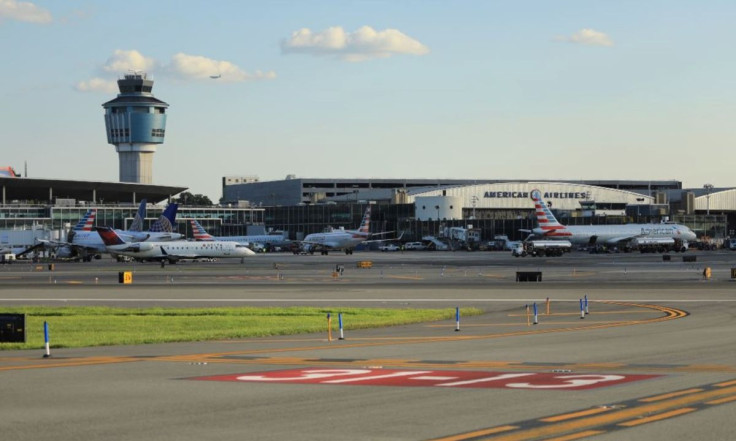
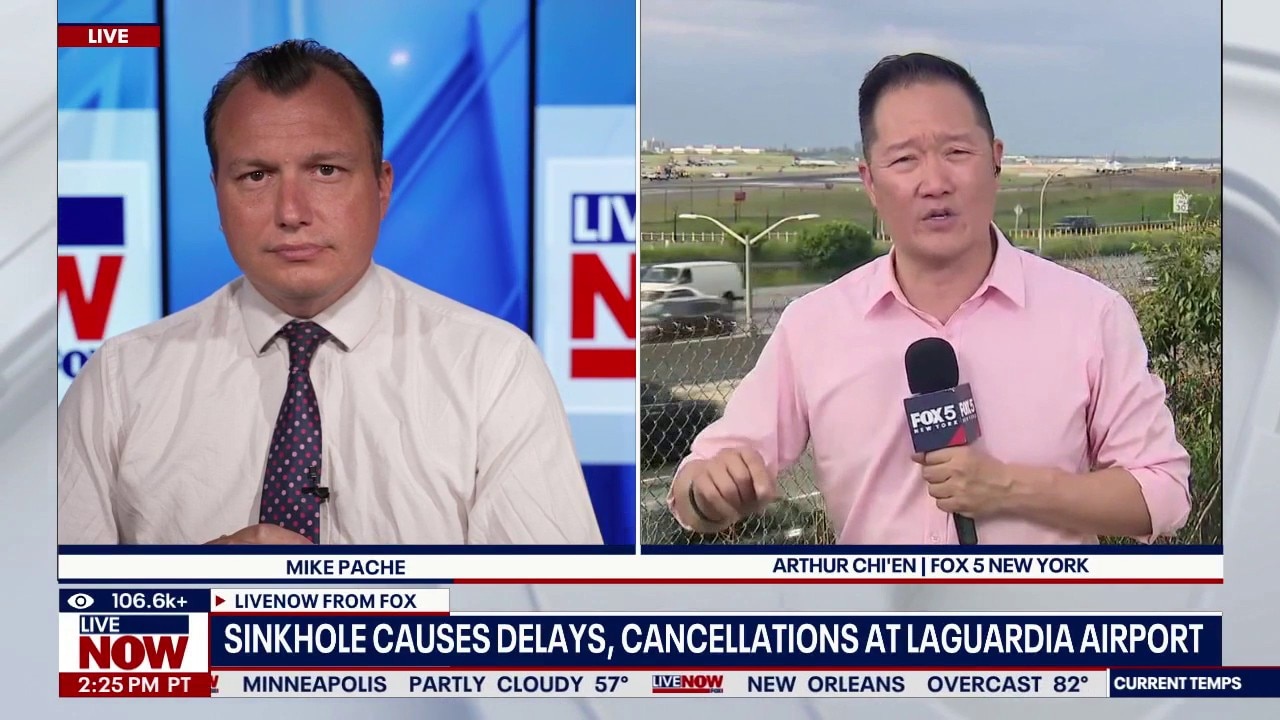
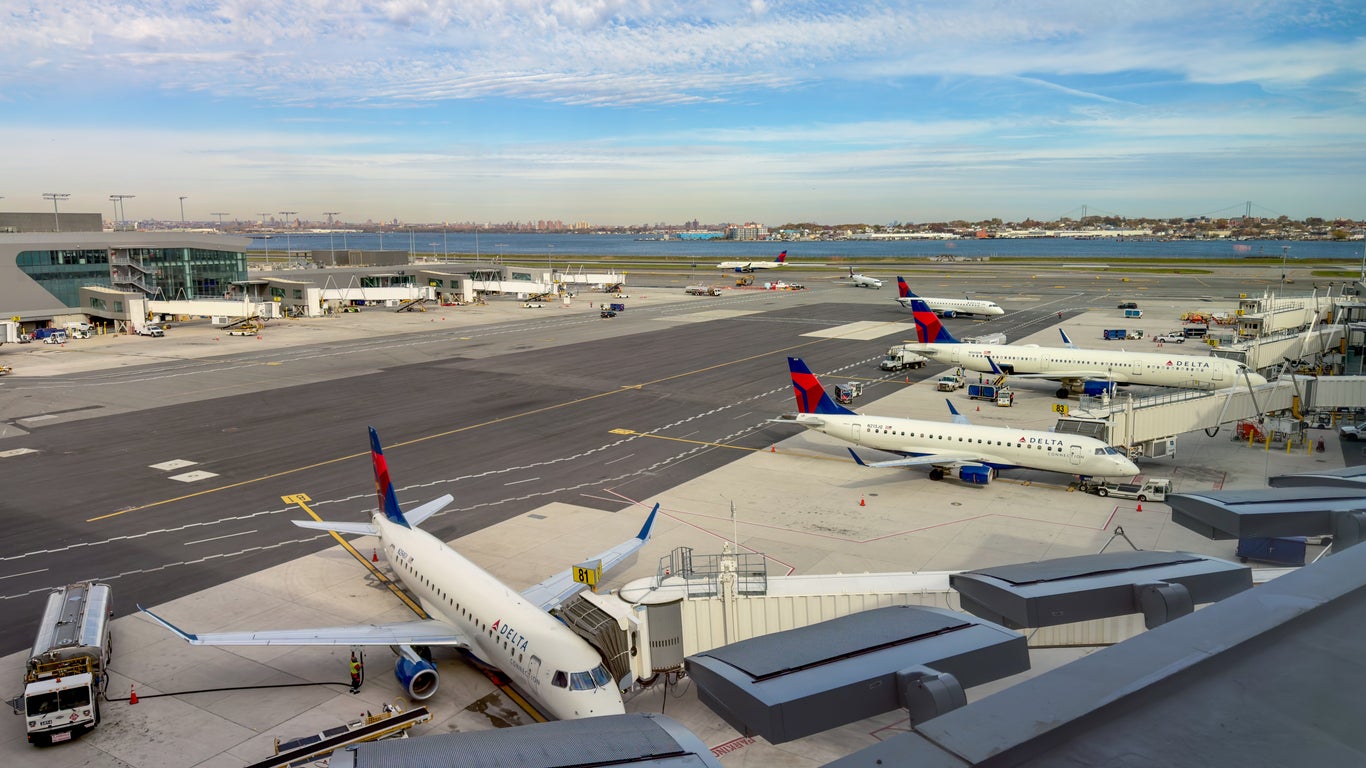
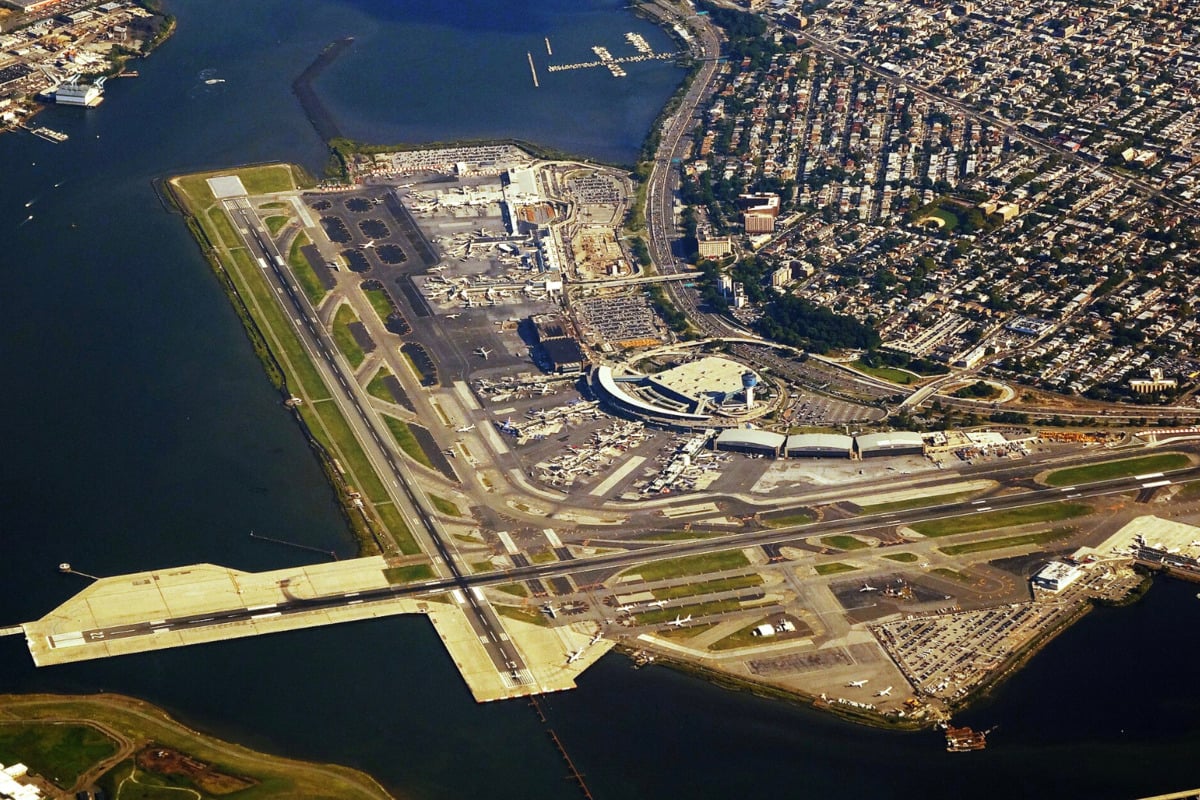
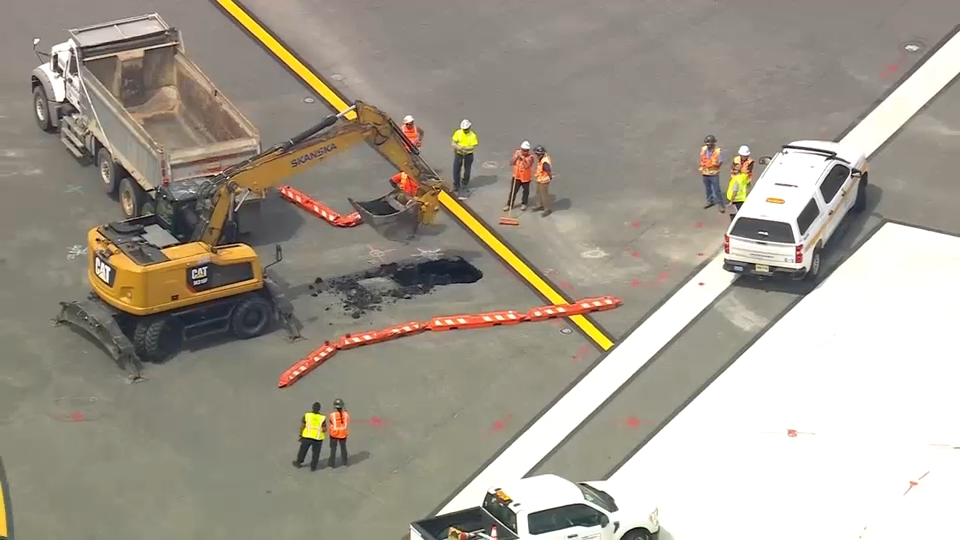
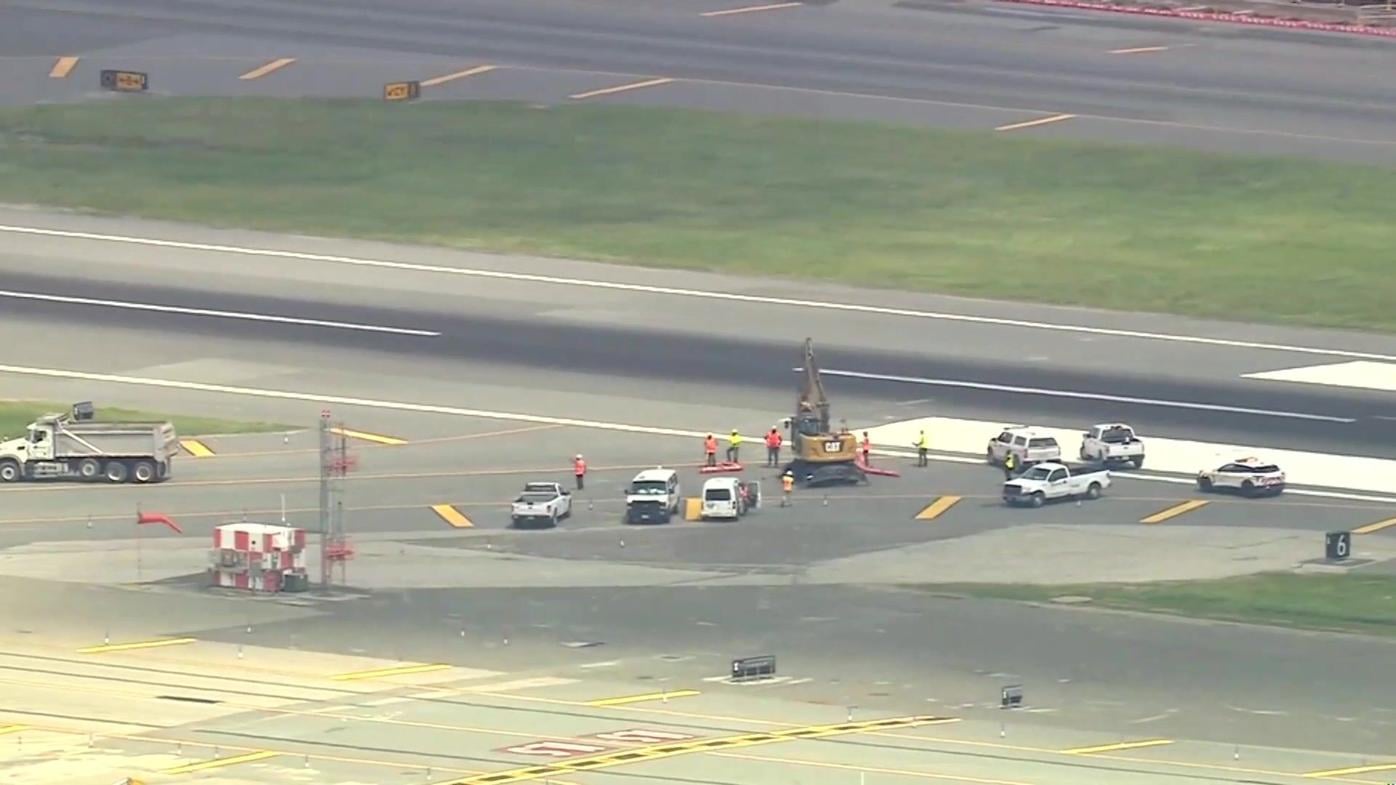
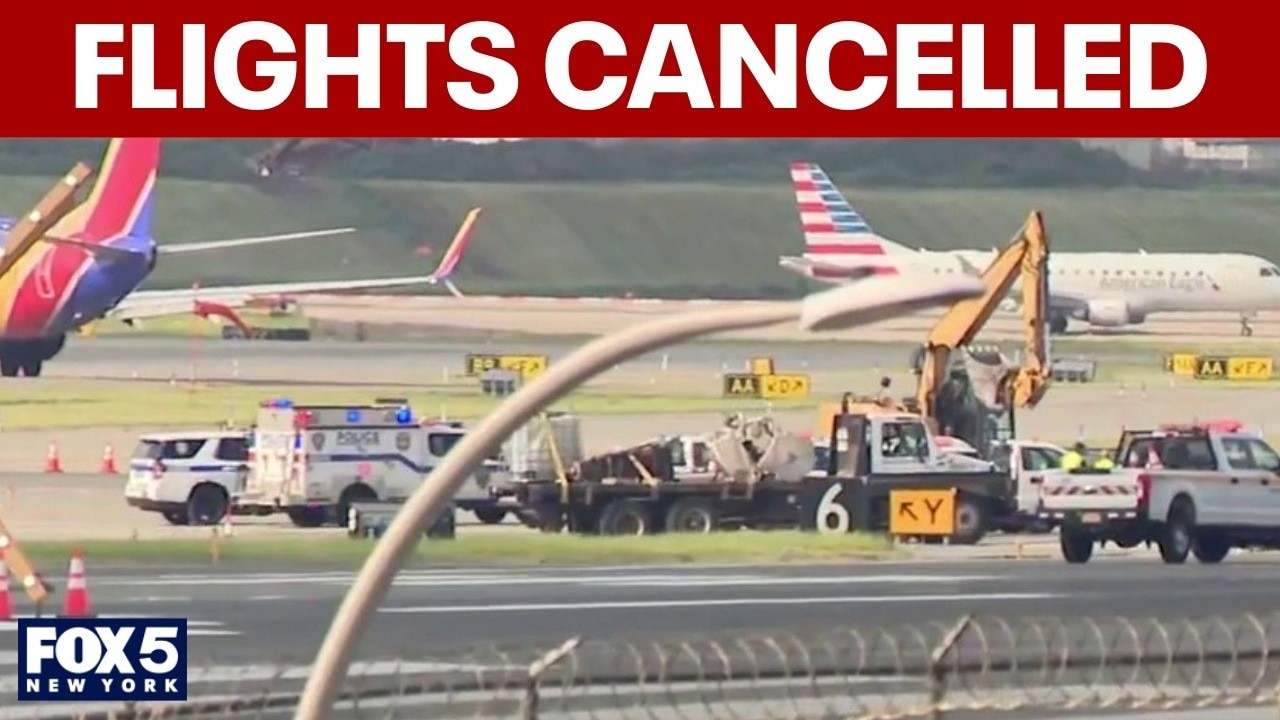
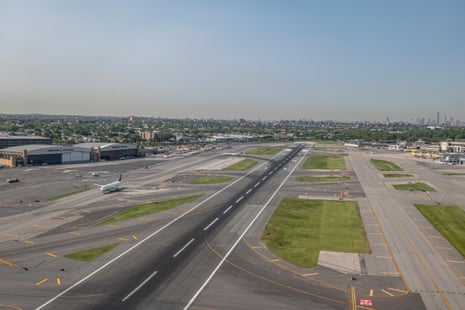
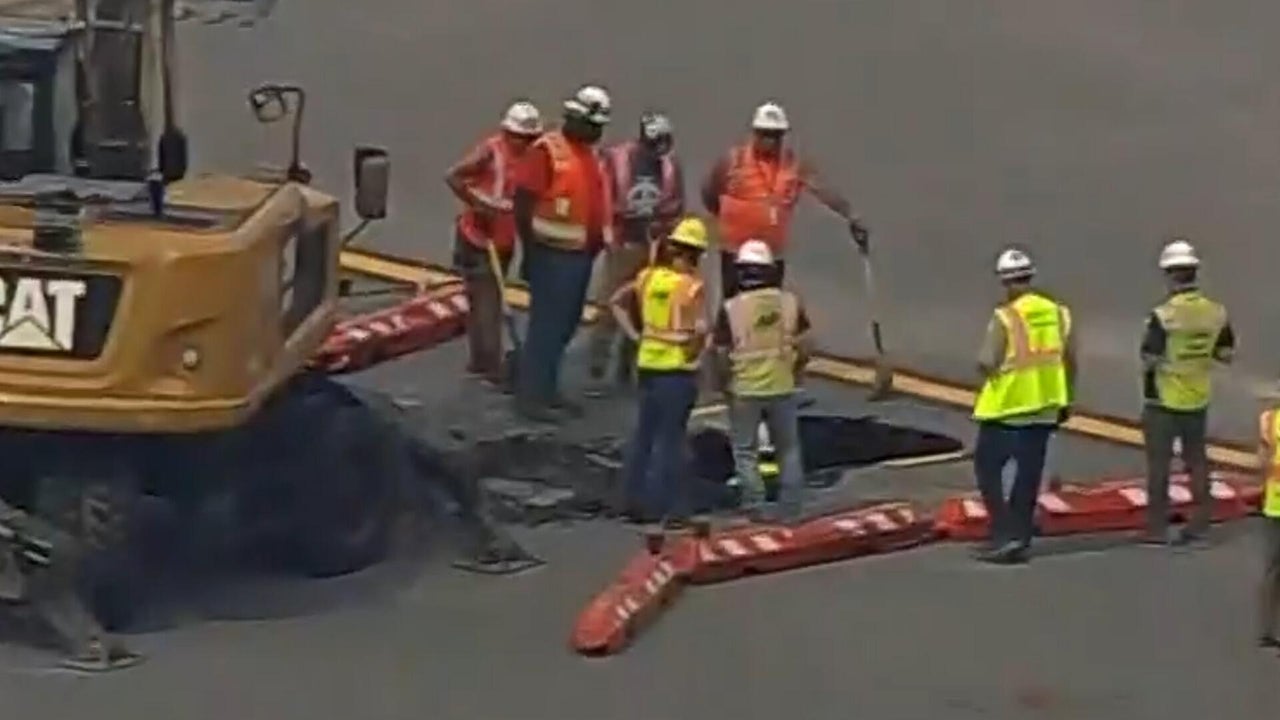
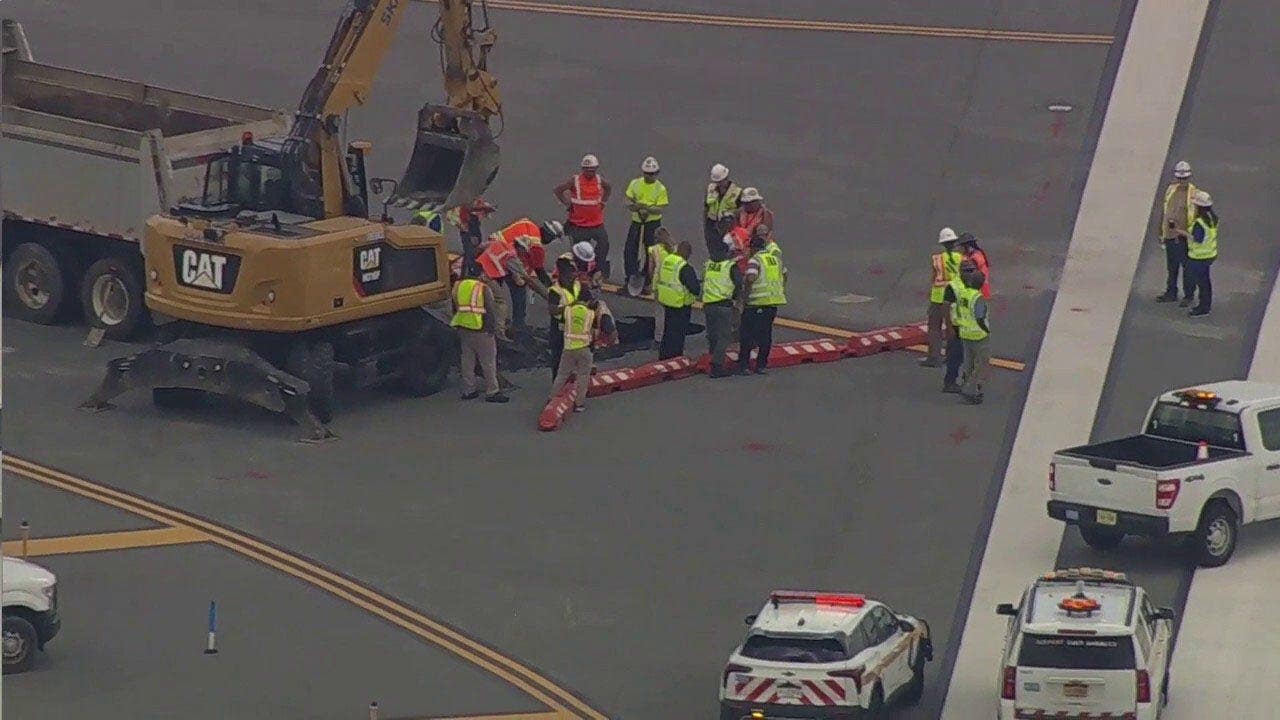
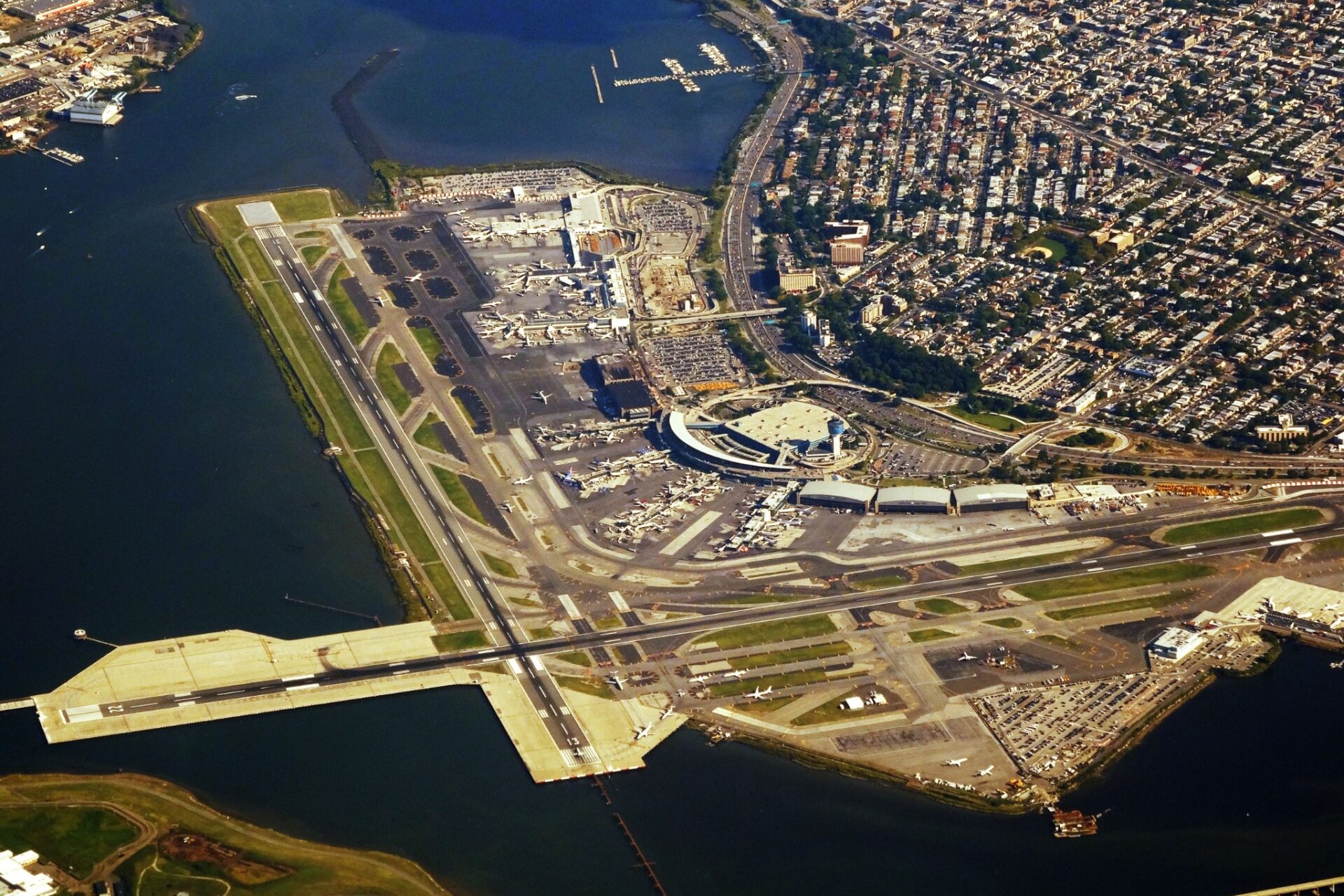
On May 20, 2026, a sinkhole discovered near Runway 4/22 at LaGuardia Airport (LGA) during routine morning inspection at 11 a.m. forced immediate runway closure, reducing the airport's operational capacity by approximately 50% (LaGuardia operates only two runways). This infrastructure failure occurred during peak pre-Memorial Day travel period, creating cascading disruptions across the Northeast corridor. According to FlightAware's tracking data, LaGuardia led the nation's "Misery Map" with 270 flight delays and 197 cancellations by Wednesday afternoon, with average delays reaching approximately one hour by 4:30 p.m. Ground delays averaged 98 minutes for departing flights, with 17 flights canceled by initial reporting. The Port Authority provided no specific repair timeline, creating uncertainty through at least Thursday, May 21, 2026 at 6 a.m., though the FAA noted timelines remained subject to change based on weather conditions and repair progress.
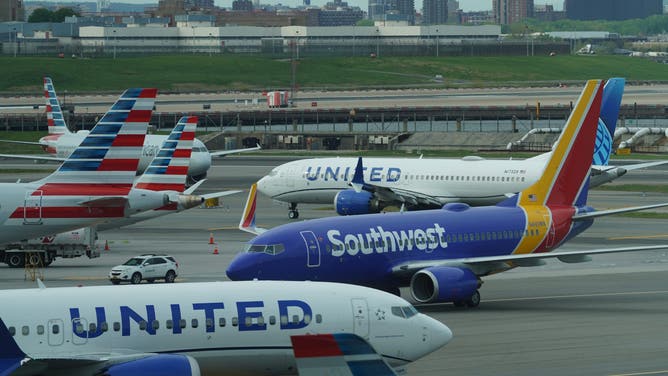
For cross-border e-commerce sellers, this infrastructure failure presents immediate and cascading logistics challenges. LaGuardia Airport handles significant cargo operations alongside passenger traffic, serving as a critical hub for time-sensitive international shipments, particularly for perishable items and expedited deliveries to Europe and Asia. Sellers relying on air freight services through LGA for inventory replenishment and customer shipments faced potential delays in meeting delivery commitments, with rerouting through alternative airports (JFK, Newark) increasing transportation costs. The incident occurred amid severe weather conditions—thunderstorm watch through 9 p.m. ET and brutal heat—compounding operational challenges and extending repair timelines. Airlines including Southwest (20+ arrival delays) and Delta (weather waivers issued) implemented booking flexibility, though this provided limited relief for cargo operations requiring specific routing.
This event reflects broader infrastructure vulnerabilities affecting U.S. logistics networks and highlights critical supply chain risks for e-commerce merchants. Similar runway and taxiway issues have occurred at other major airports, indicating aging infrastructure requiring ongoing maintenance and investment. For sellers managing just-in-time inventory systems dependent on reliable air freight access to the Northeast market, this disruption underscores the operational risks of depending on single-airport infrastructure. The incident demonstrates how unexpected infrastructure failures can rapidly cascade through global supply chains, affecting inventory management, customer delivery commitments, and operational costs. Sellers utilizing LGA for international parcel delivery—particularly those shipping to Europe or Asia—faced immediate pressure to reroute shipments, absorb increased costs, or accept delivery delays. The combination of runway closure and adverse weather created a compounding effect on logistics timelines, with no clear resolution timeline provided by airport authorities during a critical revenue period immediately preceding Memorial Day weekend.
Questions 8
What is the timeline for LaGuardia runway repairs and when will normal operations resume?
The Port Authority initially projected runway closure through at least 6 a.m. Thursday, May 21, 2026, but the FAA noted this timeline remained subject to change based on weather conditions and repair progress. As of reporting, no specific repair completion date was provided, creating uncertainty for sellers planning shipments. The concurrent thunderstorm watch (through 9 p.m. ET) and brutal heat conditions compounded repair efforts. Sellers should monitor Port Authority updates and contact logistics partners directly for real-time status rather than relying on general airport announcements.
How does the LaGuardia runway closure affect e-commerce sellers shipping internationally?
The May 20, 2026 sinkhole closure of Runway 4/22 reduced LaGuardia's capacity by 50%, creating 270+ flight delays and 197 cancellations with average delays of 1+ hours. For sellers relying on air freight through LGA for time-sensitive shipments to Europe and Asia, this disruption forced rerouting through JFK or Newark airports, increasing transportation costs by 8-15% and delaying inventory arrivals by 24-48 hours. Sellers managing just-in-time inventory systems faced immediate pressure to absorb costs or accept delivery delays that could impact customer satisfaction metrics and return rates.