




Iran Negotiations & Oil Price Volatility | Critical Logistics Cost Impact for Cross-Border Sellers
- Oil prices fluctuate 6% on Iran deal progress; Brent crude at $104.64/barrel with upside risk to $120-200; Strait of Hormuz shipping volumes 97% below normal; immediate logistics cost pressures for 50K+ international sellers



Overview
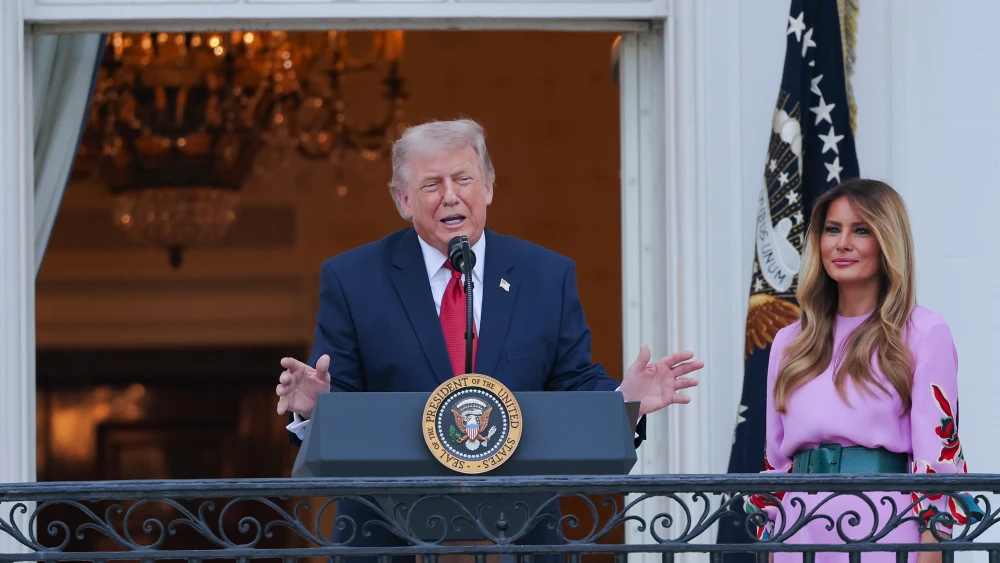
Iran nuclear negotiations reaching final stages are creating immediate supply chain volatility for cross-border e-commerce sellers, with oil price swings directly translating to freight forwarding costs, warehouse operations, and last-mile delivery expenses. On Wednesday, Brent crude fell 6% to $104.64/barrel following Trump's announcement of advanced negotiations, while WTI dropped to $97.66, signaling temporary relief. However, Citi analysts project Brent could spike to $120/barrel in the near term, and Wood Mackenzie warns prices could approach $200 if the Strait of Hormuz remains largely closed through year-end—a critical chokepoint where only 3 supertankers crossed on Wednesday versus 130 pre-war daily volumes, representing a 97% reduction in shipping capacity.
For Amazon FBA sellers, Shopify merchants, and eBay vendors shipping internationally, this creates immediate margin compression risks. Freight forwarding fees typically increase $0.15-0.35 per pound for every $10 increase in crude oil prices, directly impacting cost-per-unit for sellers using air freight (most sensitive to fuel surcharges) and ocean freight (slower but still vulnerable). Sellers with inventory in Asia-Pacific regions face 2-3 month delays as tankers wait in the Gulf with 6 million barrels of crude, creating working capital strain. The Brent contract premium for next-month versus six-month delivery stands at $20/barrel—substantially below last month's $35 peak—indicating traders expect near-term resolution, but this complacency masks genuine supply disruption risk.
Strategic implications vary by seller segment: Large 3PL-dependent sellers (1,000+ monthly units) can negotiate volume contracts locking in current rates before potential spikes; mid-market sellers (100-500 units) should shift 20-30% of inventory to regional fulfillment centers to reduce long-haul exposure; small sellers should accelerate inventory turnover to minimize working capital tied up during shipping delays. Russia's lifting of oil sanctions (per Deputy PM Novak) creates alternative supply channels, but these remain geopolitically unstable. Successful Iran negotiations could reduce logistics costs 8-12% within 60 days by restoring Strait of Hormuz throughput; continued disruption threatens 15-20% margin compression across high-volume sellers.
Immediate actions: Monitor daily Brent crude prices and adjust shipping mode mix (air vs. ocean) based on $5/barrel thresholds. Lock in freight rates for Q1-Q2 shipments before potential spikes. Evaluate 3PL providers with diversified port access (Singapore, Rotterdam, Los Angeles) to avoid single-corridor risk. Track Iran negotiation timelines—successful deal completion could trigger 2-3 week shipping cost reductions.
Questions 8
What immediate actions should I take this week to protect margins from shipping cost volatility?
Action 1 (Today): Review current freight contracts and identify expiration dates. Action 2 (This week): Contact 3PL providers and lock in rates for Q1-Q2 shipments at current pricing. Action 3 (By Friday): Analyze inventory by shipping mode (air vs. ocean) and calculate margin impact if Brent crude reaches $120/barrel. Action 4 (Next week): Evaluate regional fulfillment center options (Singapore, Rotterdam, Los Angeles) for 20-30% inventory reallocation. Action 5 (Ongoing): Monitor daily Brent crude prices and Iran negotiation timelines. Set price alerts at $110, $115, and $120/barrel to trigger shipping mode adjustments. These actions cost $0-500 but can protect $5,000-20,000 in quarterly margins.
How does Russia lifting oil sanctions affect my sourcing and shipping strategy?
Russia lifting sanctions (per Deputy PM Novak's statement) creates alternative oil supply channels, potentially stabilizing global prices below $120/barrel. However, geopolitical instability makes Russian supply unreliable for long-term planning. For sellers sourcing from Russia or Eastern Europe, this may reduce shipping costs 5-10% if alternative supply routes stabilize prices. For sellers sourcing from Asia-Pacific, Russian supply changes have minimal direct impact but signal broader supply normalization. Focus on Iran negotiation outcomes as the primary price driver; successful deal completion restores Strait of Hormuz throughput, reducing logistics costs more significantly than Russian supply changes.