


Asian Markets Navigate Uncertainty as Global Economic Signals Flash Caution
- Macroeconomic Volatility Signals Critical Adaptation Period for Cross-Border Investors and Sellers





!role~Preview!mt~photo!fmt~JPEG%20Baseline)





















Overview
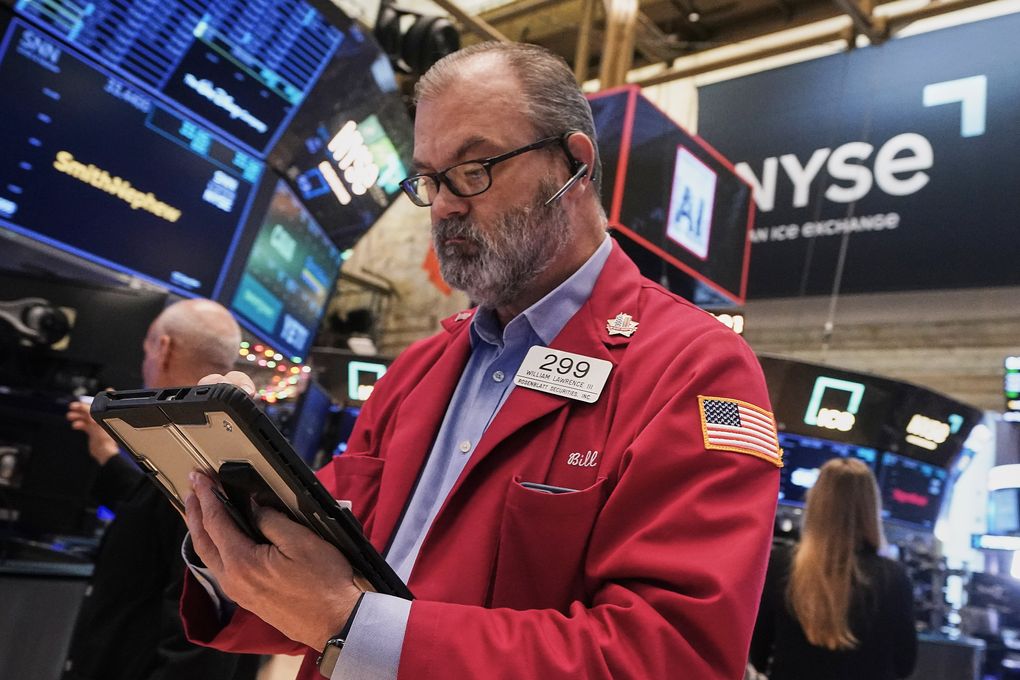
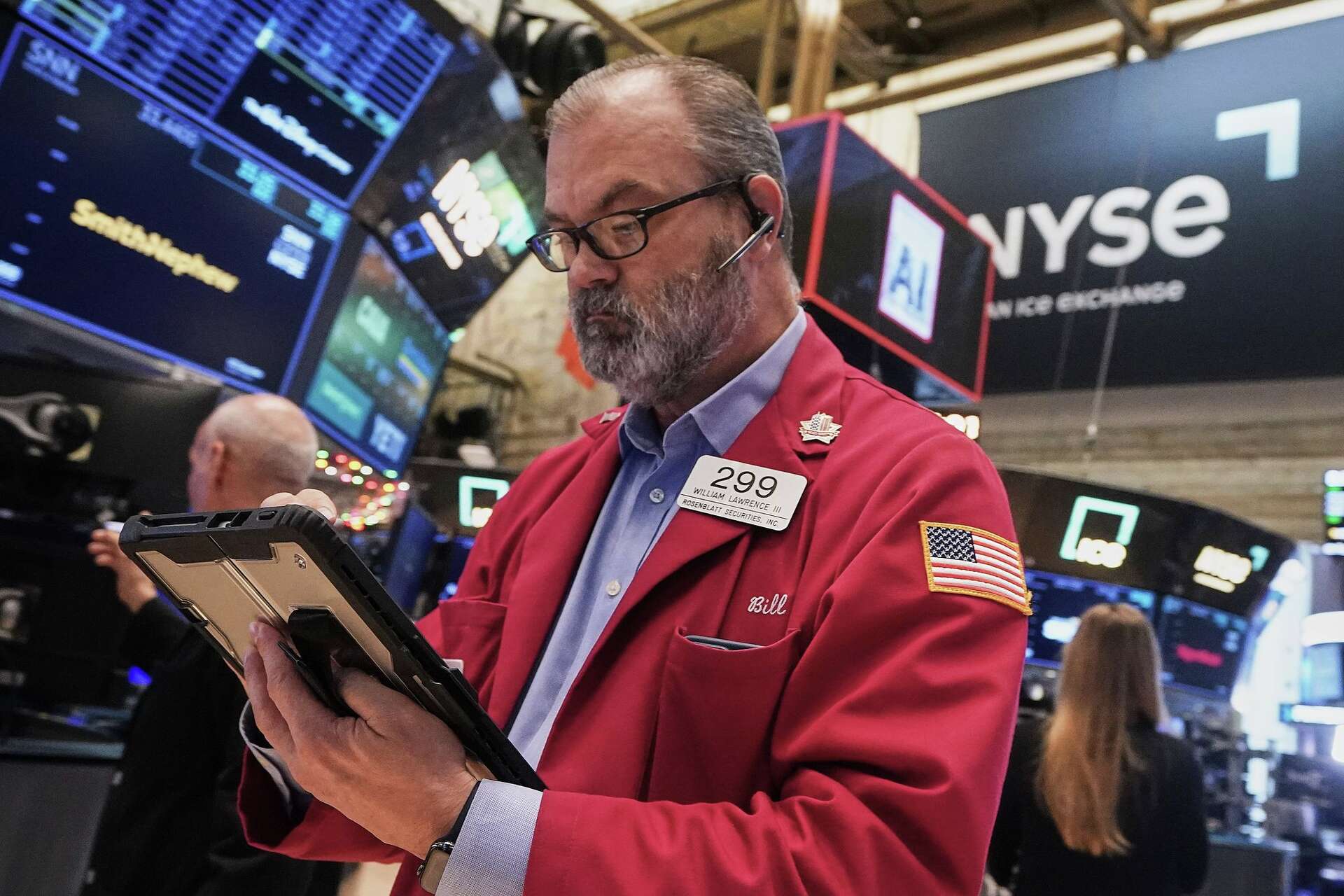
Financial markets are entering a critical inflection point of heightened uncertainty and strategic repositioning. In the final trading week of 2025, Asian financial markets demonstrated remarkable sensitivity to global economic signals, with the MSCI Asia-Pacific shares index outside Japan declining 0.6% and South Korean shares experiencing a substantial 2.7% drop.
Investor Risk Management Takes Center Stage as traders systematically reduce market exposure ahead of pivotal central bank meetings. The market pullback reflects a sophisticated strategy of minimizing positions while awaiting clearer monetary policy signals. This isn't mere market fluctuation—it represents a calculated recalibration where financial participants are meticulously balancing risk management against potential investment opportunities.
Currency and Cross-Border Dynamics Emerge as Key Battleground The macroeconomic landscape suggests profound implications for international sellers and investors. Subtle yet significant currency exchange rate fluctuations could dramatically impact cross-border trade economics. Sellers must now adopt a more dynamic approach, continuously monitoring currency risk, adjusting pricing strategies, and maintaining extraordinarily flexible inventory management protocols.
The broader context reveals a complex financial ecosystem where traditional investment paradigms are being rapidly reconstructed. Investors are no longer just tracking individual market movements but synthesizing intricate global economic indicators. The anticipation surrounding potential monetary policy shifts—particularly regarding Japan's interest rates—underscores the interconnected nature of contemporary financial markets.
Strategic recommendations crystallize around three core principles: (1) Develop robust currency hedging mechanisms, (2) Implement agile pricing models that can rapidly adapt to exchange rate volatility, and (3) Maintain lean, responsive inventory strategies that minimize exposure during uncertain periods.
Questions 3
What specific risks should international investors be monitoring?
Investors should closely track central bank monetary policy signals, currency exchange rate fluctuations, and macroeconomic indicators across Asian markets, particularly focusing on Japan's potential interest rate changes and their cascading effects on regional financial ecosystems.
What strategic adaptations are recommended for businesses operating in this uncertain environment?
Businesses should prioritize developing multi-currency financial strategies, investing in real-time economic intelligence platforms, creating scenario-based financial models, and maintaining lean operational structures that can quickly pivot in response to market shifts.