


Automotive Transformation: How Volkswagen's Dresden Closure Signals Global Manufacturing Disruption
- Strategic Realignment Reveals Deeper Shifts in European Industrial Competitiveness






Overview
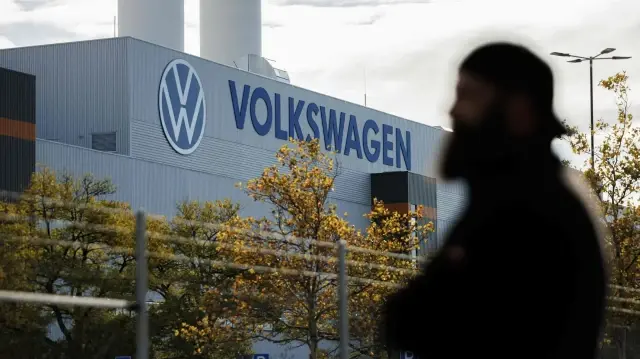
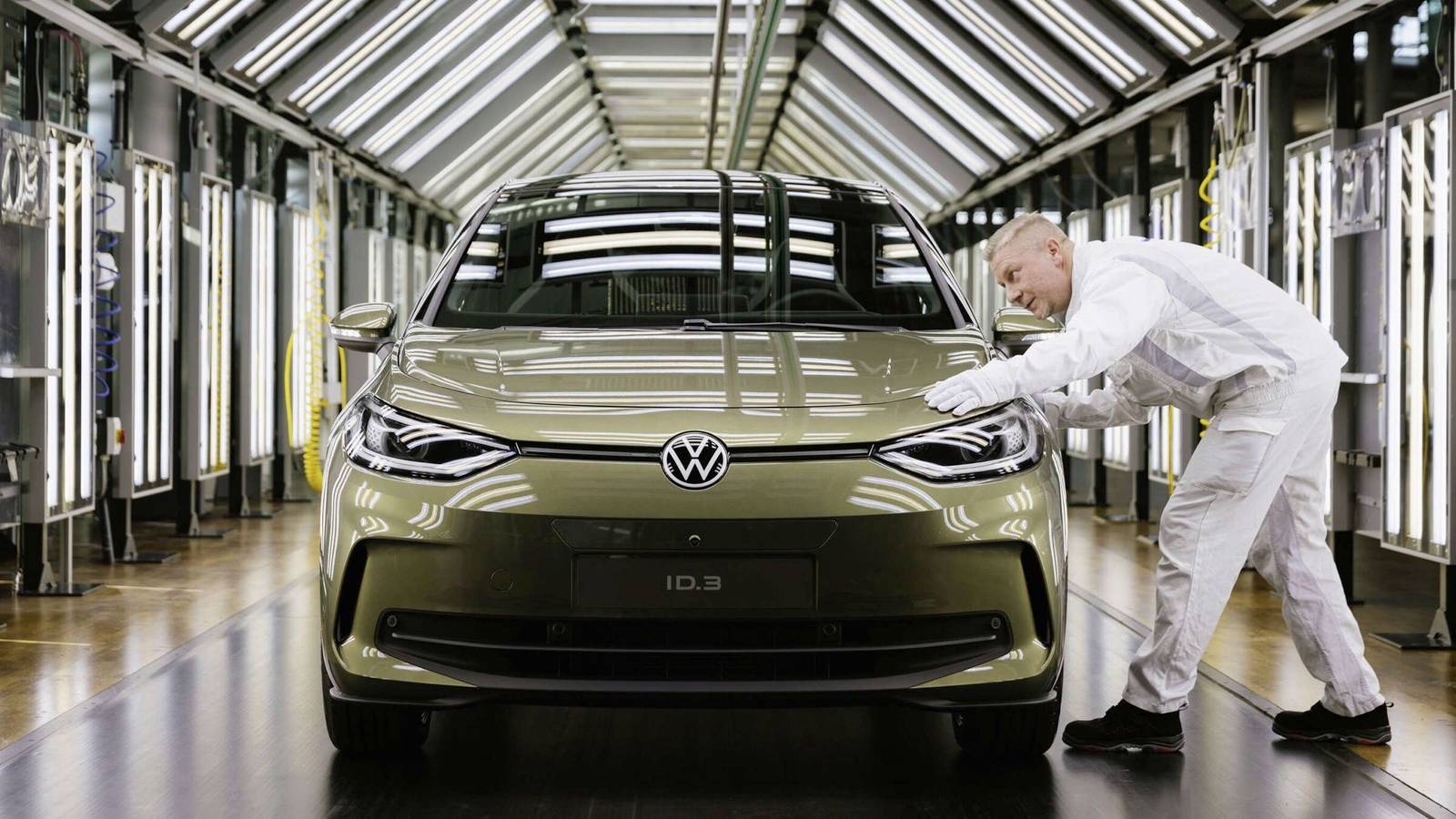
The unprecedented closure of Volkswagen's Dresden plant represents a pivotal moment in European industrial strategy, exposing the complex challenges facing traditional manufacturing in an era of rapid technological and economic transformation. This isn't merely a factory shutdown—it's a strategic recalibration that illuminates profound shifts in automotive production, technological innovation, and global competitiveness.
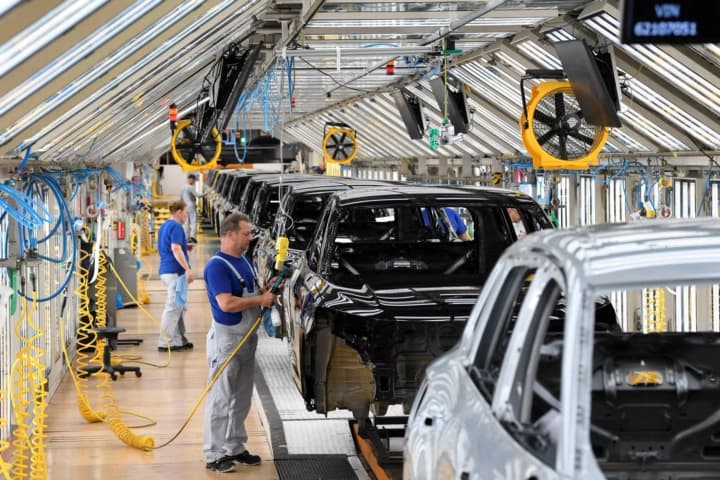
Volkswagen's Dresden decision is a microcosm of larger industrial dynamics. By transforming its 88-year-old production facility into an innovation campus, the company is signaling a fundamental reimagining of manufacturing's role. The plant's transition—reducing workforce from 250 to 155 employees and pivoting toward emerging technological domains like microelectronics, AI, and robotics—demonstrates how traditional industrial spaces are being repurposed as knowledge ecosystems.
The closure reveals multiple strategic imperatives. First, global competitive pressures are forcing European manufacturers to radically restructure. Chinese manufacturers' aggressive expansion and technological innovation are creating unprecedented challenges for established European brands. Second, the electric vehicle market's slower-than-expected adoption is compelling companies to be more selective about manufacturing investments. Volkswagen's €160 billion future investment strategy suggests a laser focus on technological adaptation rather than maintaining legacy production infrastructure.
Critically, this transformation extends beyond Volkswagen. The broader European industrial landscape is experiencing a fundamental reconfiguration. Regulatory pressures, technological disruption, and global market dynamics are compelling companies to become more agile, technology-focused, and strategically nimble. The Dresden plant's metamorphosis from a vehicle production facility to an innovation hub symbolizes this broader transition—where physical manufacturing increasingly gives way to technological research and development.
For international businesses and investors, the key takeaway is clear: traditional manufacturing models are rapidly becoming obsolete. Success now demands continuous reinvention, technological integration, and a willingness to radically reimagine existing assets. Volkswagen's strategic pivot offers a blueprint for industrial adaptation in an increasingly complex global economy.
Questions 3
Why is Volkswagen closing its Dresden plant after 88 years?
The closure stems from multiple strategic factors: intense international competition, particularly from Chinese manufacturers, slower electric vehicle adoption, and the need to reallocate resources toward technological innovation. By transforming the plant into an innovation campus, Volkswagen is repositioning its industrial assets for future technological challenges.
What does this closure mean for the future of European manufacturing?
It signals a critical transition from traditional manufacturing to technology-driven innovation hubs. European manufacturers must now focus on research, development, and technological adaptation rather than maintaining legacy production infrastructure. The Dresden plant's transformation represents a broader trend of industrial reinvention.