





Penn Station $8B Renovation Reshapes Northeast Logistics | Seller Shipping Impact 2027-2030
- $8 billion federal investment transforms NYC's busiest transit hub serving 500K+ daily commuters; construction disruptions 2027-2030 require contingency planning for rail-dependent e-commerce logistics in Northeast corridor





















Overview
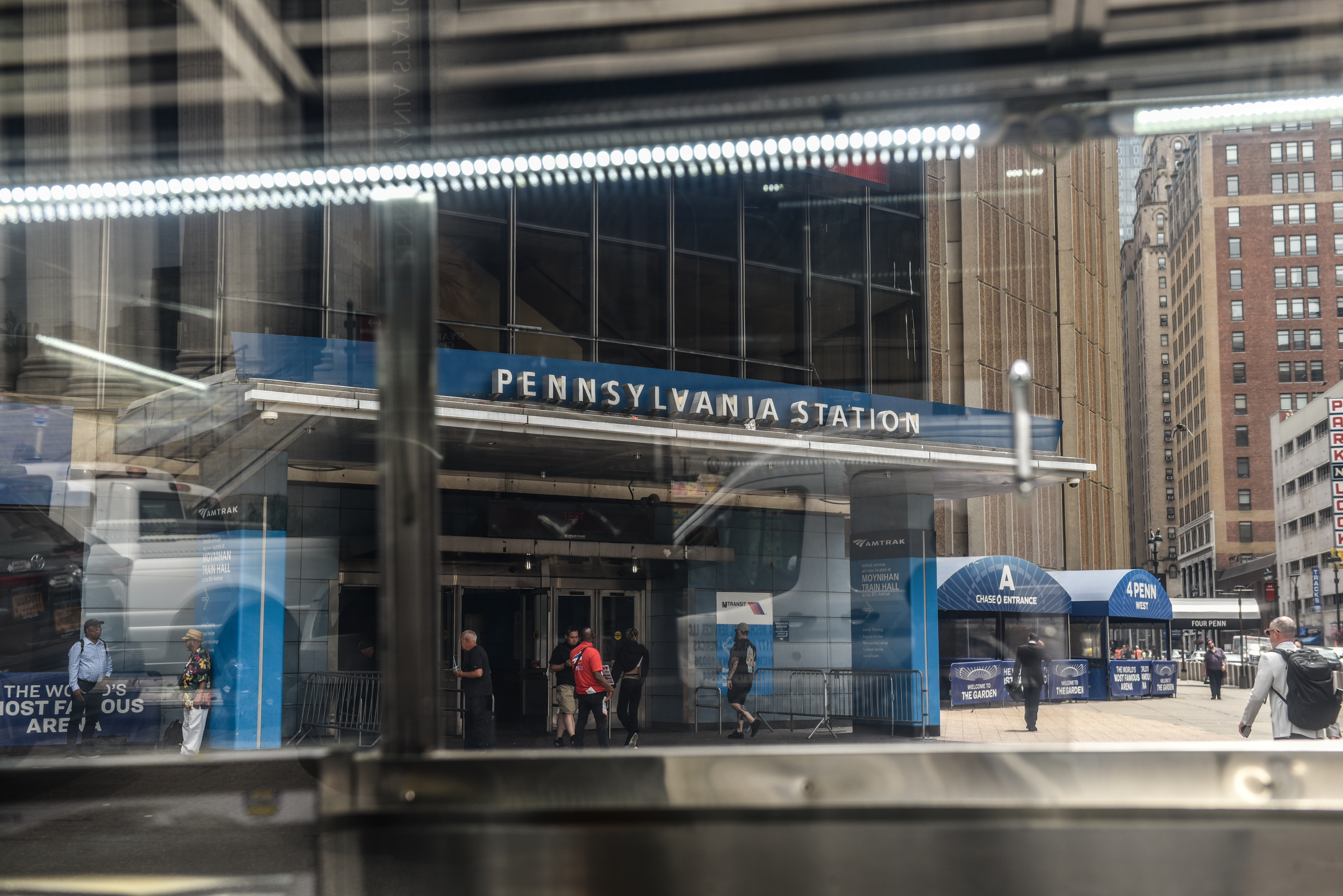
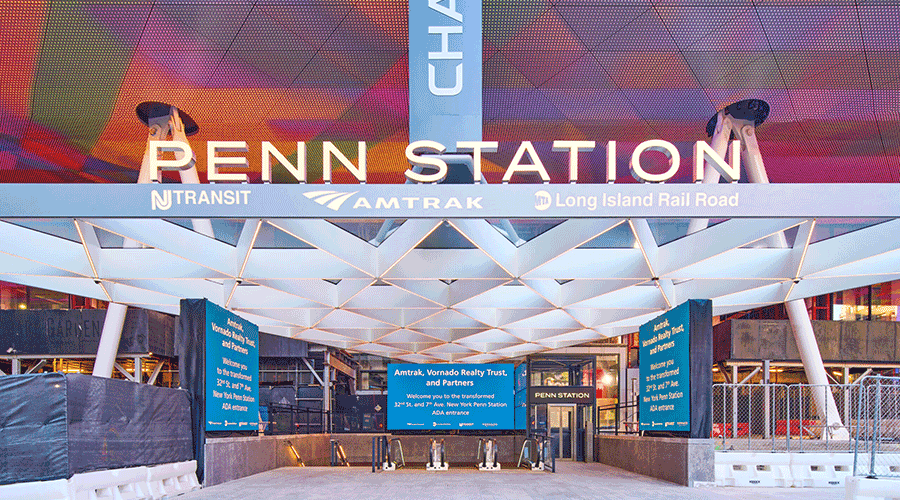
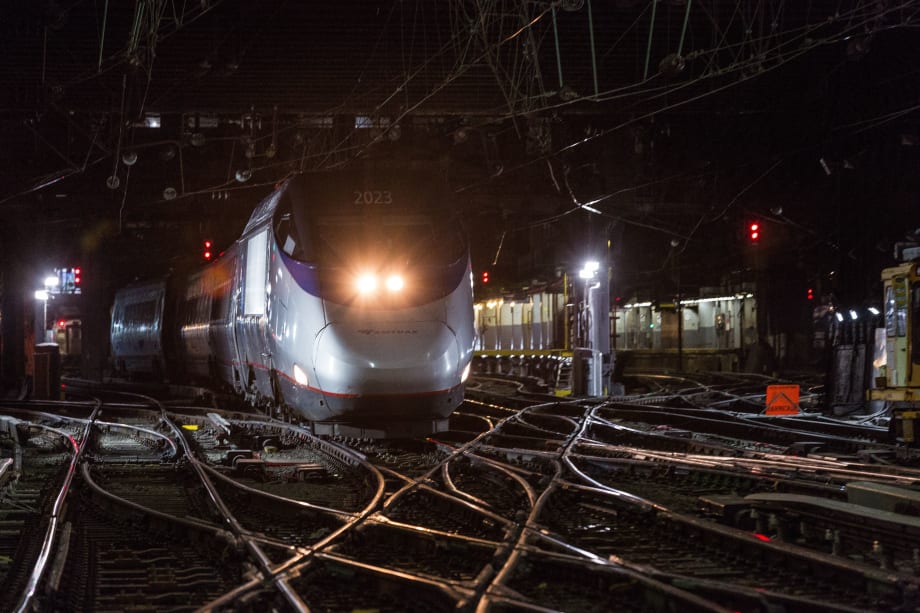
The U.S. Department of Transportation and Amtrak announced on May 20, 2026, the selection of Penn Transformation Partners (joint venture of Halmar International and Skanska) as master developer for New York Penn Station's comprehensive renovation. This $8 billion federal infrastructure investment, with an additional $200 million through the Partnership-Northeast Corridor Program, represents one of the largest transportation modernization projects affecting cross-border e-commerce logistics networks in the Northeast corridor.
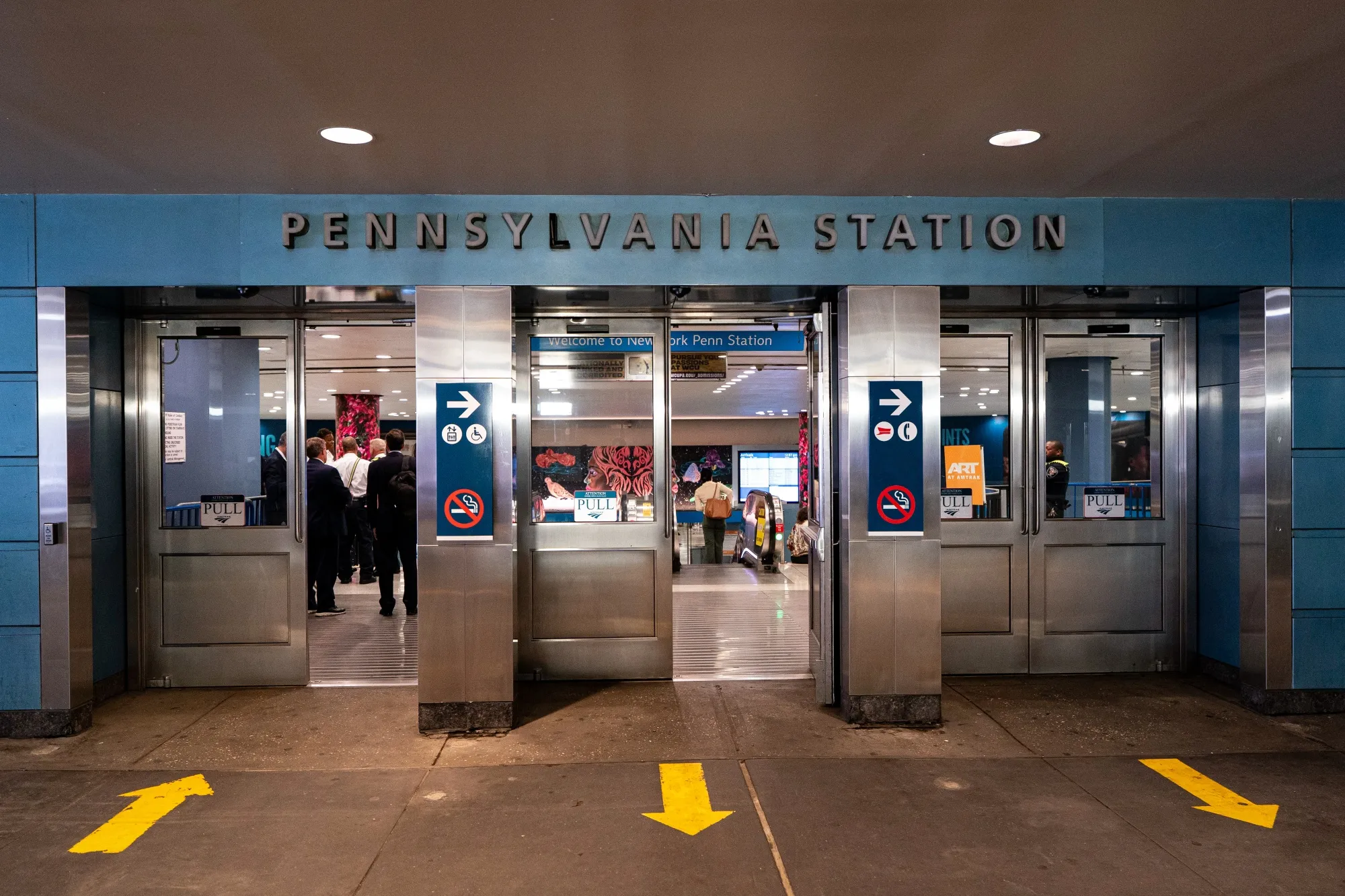
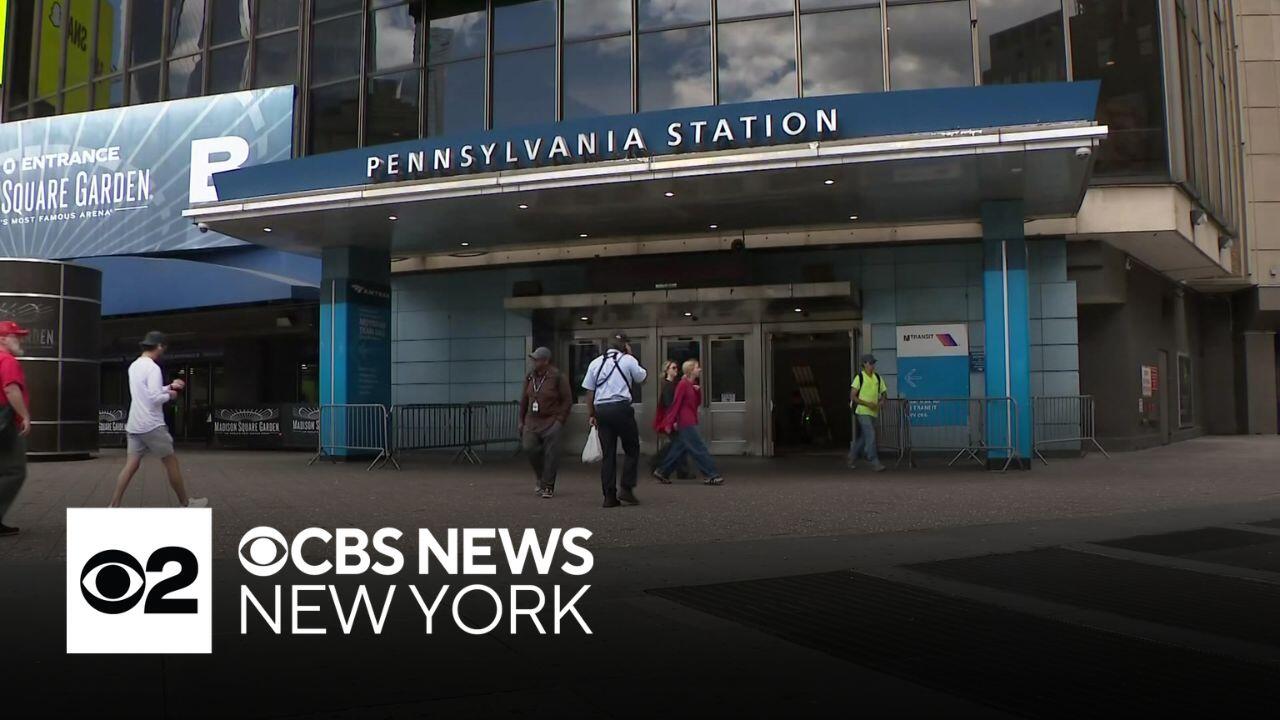
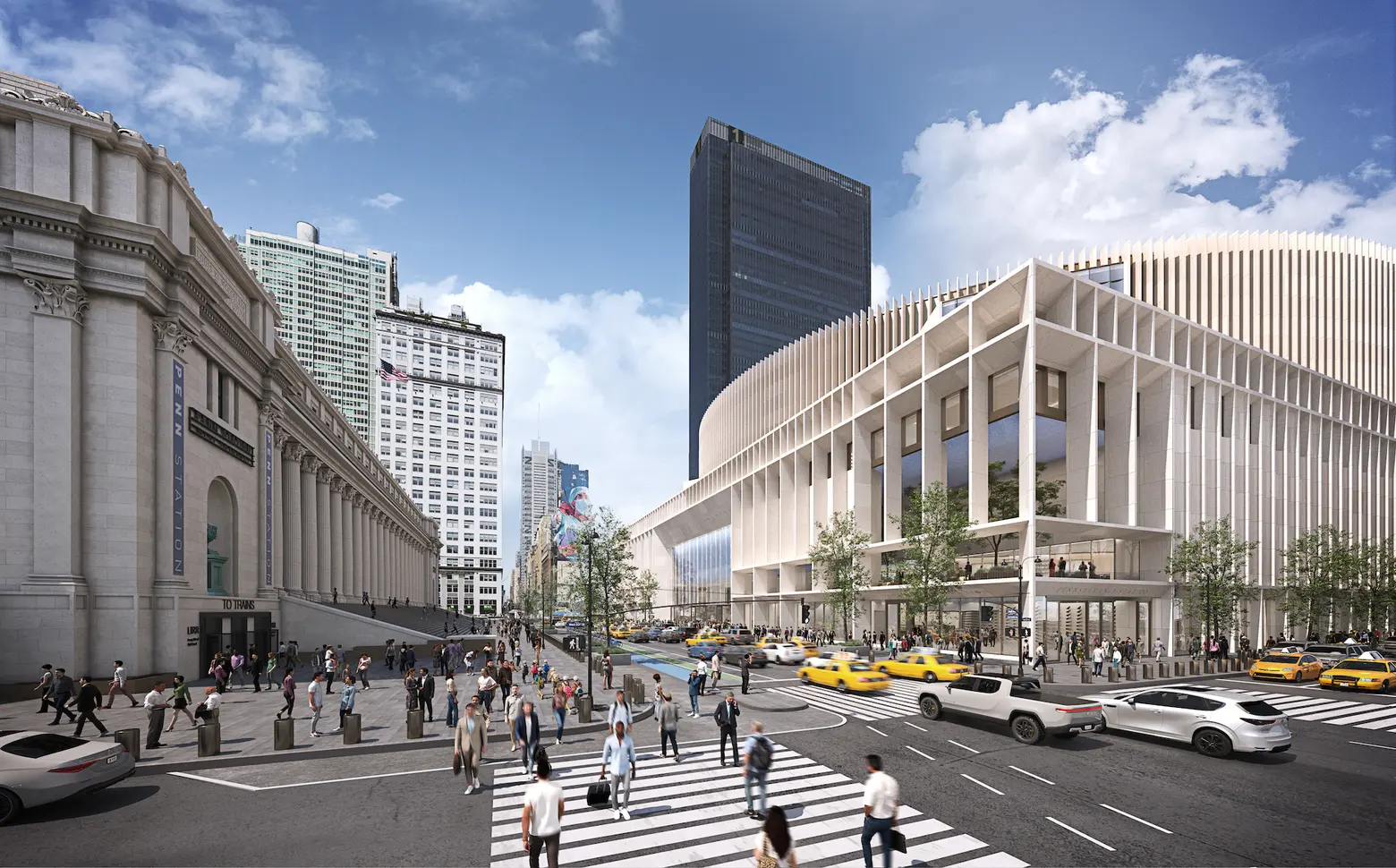
Immediate Project Scope & Timeline: The renovation will construct a grand entrance on Eighth Avenue, replace cramped walkways with open concourses, expand track capacity through limited through-running on regional rail networks, and introduce enhanced retail and wayfinding systems. Groundbreaking is targeted for end of 2027, with construction extending through 2030+. The project currently serves over 500,000 daily commuters and visitors, making it America's busiest transit hub. Transportation Secretary Sean P. Duffy emphasized the project's significance, stating "the days of Penn Station's cramped hallways, broken infrastructure and snarled rail lines are numbered."
E-Commerce Logistics Impact: This infrastructure investment directly affects logistics and transportation networks critical to cross-border e-commerce operations in the Northeast corridor. Positive long-term impact: Improved rail capacity and modernized facilities will enhance freight and parcel distribution efficiency through Pennsylvania Station, benefiting sellers utilizing rail-based logistics for Northeast distribution. The expanded track capacity and operational efficiency improvements will reduce shipping times and increase reliability for 3PL providers and logistics companies serving the region. Negative near-term impact: Construction disruptions during 2027-2030+ period will temporarily impact rail-based shipping routes, requiring contingency planning from e-commerce businesses dependent on Northeast rail infrastructure. Sellers shipping bulk inventory via rail to Northeast distribution centers should expect 15-25% capacity constraints during peak construction phases (2028-2029).
Strategic Implications for Sellers: The project demonstrates federal commitment to transportation modernization, creating opportunities for logistics service providers to position themselves for post-2030 capacity expansion. Sellers currently relying on Penn Station rail routes for Northeast distribution should: (1) diversify shipping methods during construction period, (2) evaluate alternative 3PL providers with trucking capacity, (3) monitor project milestones for capacity recovery windows. The public-private partnership model signals the Trump Administration's template for major infrastructure initiatives, potentially establishing precedent for similar upgrades affecting e-commerce logistics networks nationwide. This could accelerate modernization of other critical transportation hubs (Chicago Union Station, Boston South Station) that currently constrain regional distribution efficiency.
Questions 7
Will Penn Station renovation create new retail opportunities for sellers?
The renovation includes enhanced retail and wayfinding systems within the modernized station, creating potential opportunities for sellers of travel-related merchandise, food/beverage products, and convenience items targeting 500,000+ daily commuters. The project's focus on passenger experience improvements suggests increased retail footprint and foot traffic post-2030. Sellers in travel accessories, premium snacks, and commuter convenience categories should monitor project completion for potential vendor opportunities within the redesigned station's retail spaces.
What federal funding supports Penn Station renovation and what does it signal?
The federal government allocated $8 billion toward the project, with an additional $200 million through the Partnership-Northeast Corridor Program, plus supplementary resources from Amtrak and NJ TRANSIT. This substantial federal commitment demonstrates government investment in critical transportation infrastructure modernization. The public-private partnership model is intended as a template for delivering major infrastructure initiatives, signaling potential acceleration of similar projects nationwide. Sellers should monitor federal infrastructure announcements for opportunities to optimize logistics strategies around modernized transportation hubs.