


Samsung Strike Settlement Stabilizes AI Chip Supply | Critical for Electronics Sellers
- 48,000-worker agreement prevents $14-21B production disruption; stabilizes component costs for sellers of AI-enabled devices, smart electronics, and tech accessories through 2026-2028










Overview
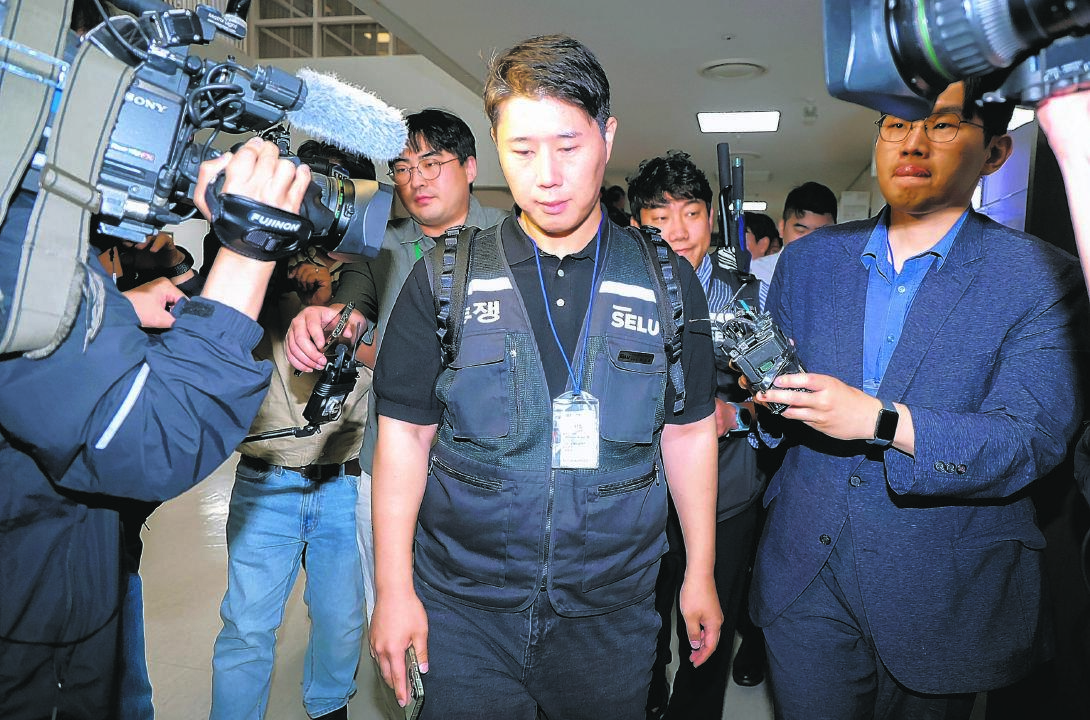
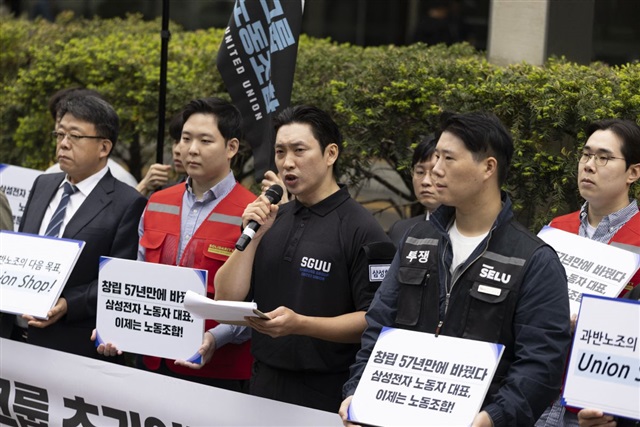
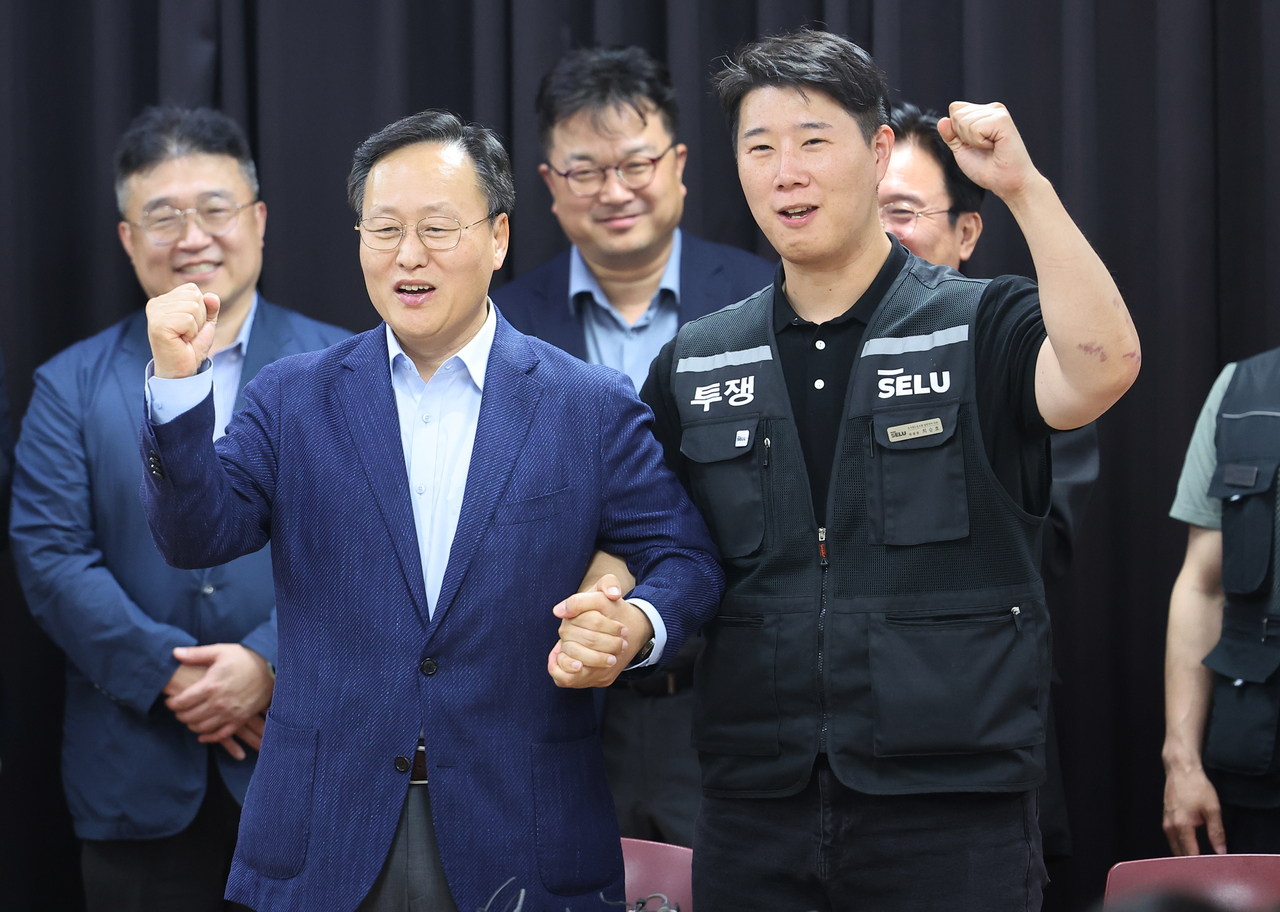
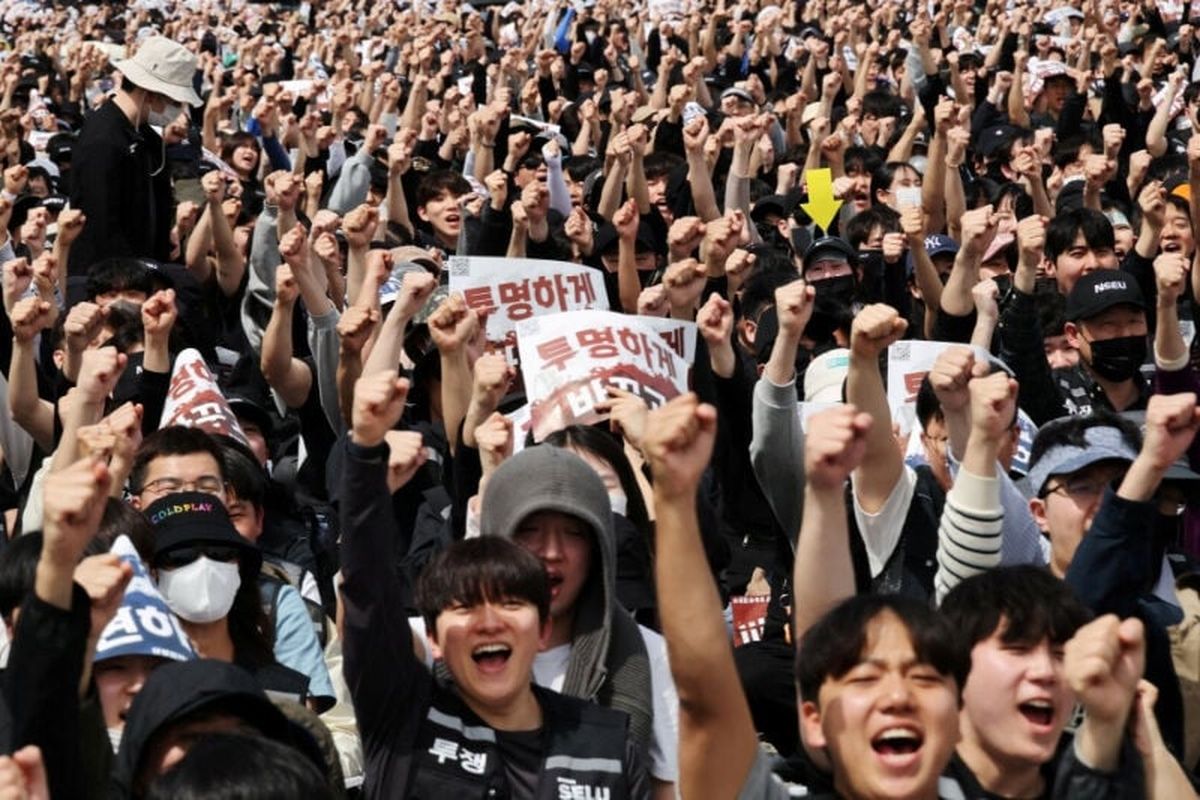
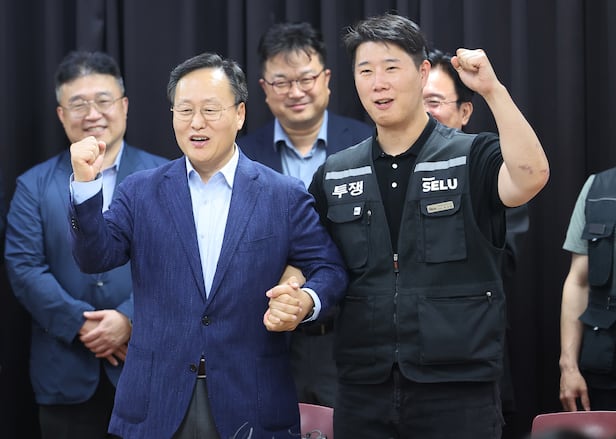
Samsung's tentative labor agreement on May 21, 2026, suspends an 18-day strike and stabilizes the world's largest memory chip supply chain—directly impacting cross-border sellers of AI devices, consumer electronics, and smart home products. The union representing 48,000 workers (27,000 memory chip specialists, 23,000 other divisions) agreed to halt industrial action after Samsung committed to allocating 10.5% of operating profits as special bonuses to the chip division, with contingent targets of 200 trillion won ($133.65 billion) operating profit for 2026-2028. This settlement prevents potential losses of 21-31 trillion won ($14.08-20.79 billion) in Samsung operating profit and avoids cascading supply disruptions that could have cost South Korea's economy up to 100 trillion won.
For electronics sellers, this agreement directly impacts component availability and pricing stability. Samsung's Q1 2025 operating profit surged 750% year-over-year driven by AI chip demand, with the company's market valuation exceeding $1 trillion. The strike suspension removes immediate supply chain risk for sellers sourcing memory chips for laptops, servers, smartphones, and AI-enabled devices. Sellers relying on Samsung components for products sold on Amazon, eBay, Shopify, and regional marketplaces can expect stable pricing through 2026-2028, assuming the union ratifies the deal (member vote May 22-27). However, the agreement's contingency structure—with bonus payouts tied to specific profit targets—creates potential for future labor disputes if chip division performance underperforms targets, particularly from 2029-2035 when targets drop to 100 trillion won.
The competitive landscape shifts as rival SK Hynix previously agreed to 10% operating profit bonuses in September 2025, establishing industry wage benchmarks. This creates upward pressure on manufacturing costs across South Korean semiconductor producers, potentially increasing component costs 3-5% annually for sellers sourcing from the region. The American Chamber of Commerce noted that supply chain disruptions create "ripple effects across interconnected global markets," meaning sellers dependent on Samsung/SK Hynix chips face ongoing labor stability risks. South Korean President Lee Jae Myung's warning about wage inflation limits suggests government may resist further labor concessions, potentially stabilizing costs but increasing strike risk if unions demand additional gains. Sellers should monitor the May 22-27 ratification vote closely—rejection would restart negotiations and create 30-60 day supply uncertainty.
Immediate opportunity exists for sellers of AI-enabled consumer electronics, particularly in smart home, robotics, and edge computing categories. Samsung's 750% profit surge reflects explosive AI chip demand; sellers can capitalize on this trend by sourcing AI-accelerated products (smart speakers, AI cameras, edge computing devices) while component availability remains stable. The settlement reduces short-term supply risk, creating a 12-18 month window for sellers to build inventory and establish market position before potential 2027-2028 labor renegotiations. Sellers should diversify component sourcing to include non-Samsung alternatives (Intel, AMD, NVIDIA) to hedge against future labor disruptions, particularly for high-volume SKUs.
Questions 8
How does this settlement compare to SK Hynix's September 2025 wage agreement?
SK Hynix agreed to 10% operating profit bonuses in September 2025, while Samsung committed to 10.5% for the chip division—establishing industry wage benchmarks that create upward cost pressure. The 0.5% differential suggests Samsung's higher profitability (750% Q1 surge) justifies premium wages, but SK Hynix's earlier agreement signals unions will demand parity. Sellers should expect both companies to maintain 10-10.5% profit-sharing commitments through 2028, creating 3-5% annual component cost increases. This wage inflation is structural and unlikely to reverse, so sellers should build cost increases into pricing models and consider margin compression of 2-3% annually through 2028.
How should sellers adjust inventory strategy given Samsung's AI chip demand surge?
Samsung's 750% Q1 2025 operating profit surge reflects explosive AI chip demand, creating a 12-18 month opportunity window for sellers of AI-enabled devices. Sellers should increase inventory allocation to AI-accelerated products (smart speakers, AI cameras, edge computing devices) by 30-50% while component costs remain stable. Simultaneously, implement supplier diversification: allocate 50% of AI chip sourcing to Samsung, 30% to SK Hynix, and 20% to alternative suppliers (NVIDIA, Intel). This hedging strategy protects against future labor disruptions while capitalizing on AI demand growth. Monitor Samsung's profit targets quarterly—if performance exceeds targets by 15%+, increase AI product inventory further.