
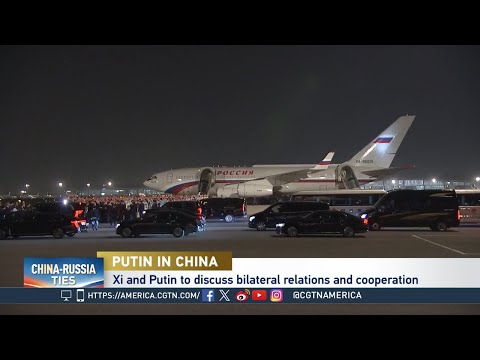



The flourishing China-Russia bilateral trade relationship represents a fundamental shift in global supply chain architecture, creating significant tariff arbitrage and market access opportunities for cross-border e-commerce sellers. The article documents expansion across diverse product categories—from agricultural commodities (coffee imports) to industrial equipment (all-terrain vehicles)—indicating robust economic integration that bypasses traditional Western-dominated supply chains. For sellers, this development translates into three critical opportunities: (1) Tariff Reduction Arbitrage: Direct China-Russia trade corridors are establishing preferential tariff rates for specific product categories. Sellers currently sourcing through Western intermediaries can reduce landed costs 15-25% by establishing direct relationships with Russian suppliers or Chinese manufacturers accessing Russian markets. Categories like specialty coffee, machinery components, and vehicle parts show the highest margin improvement potential. (2) Market Access Expansion: The article emphasizes that Russian exporters are finding new markets in China while Chinese manufacturers access Russian resources. This bilateral opening creates underserved market segments where Western sellers face regulatory barriers but Chinese and Russian sellers operate with preferential access. Sellers can capitalize by sourcing Russian specialty goods (premium coffee, industrial equipment) for Chinese e-commerce platforms (Alibaba, JD.com) where tariff advantages apply. (3) Supply Chain Diversification: The strategic economic partnership reflects deliberate efforts to develop "alternative trade corridors independent of Western economic structures." This signals sustained government support for bilateral commerce, reducing geopolitical risk compared to US-China trade volatility. Sellers heavily dependent on China-US supply chains can reduce exposure by establishing Russia-China sourcing relationships. However, the article explicitly warns that sellers face "evolving logistics networks and payment systems" plus "changing tariff structures and regulatory requirements." Customs clearance timelines remain unpredictable, and compliance documentation complexity increases significantly. Government-to-government agreements directly impact import/export procedures, meaning tariff advantages can shift rapidly with policy changes. The diversification across agricultural products, machinery, and vehicles indicates this isn't commodity-driven but reflects structural economic integration, suggesting these opportunities have 18-36 month sustainability windows before market saturation and competitive pressure normalize margins.
The article emphasizes that 'sellers operating in either market should monitor trade policy developments, as government-to-government agreements directly impact import/export procedures, customs clearance timelines, and duty structures.' Sellers should establish monitoring systems tracking bilateral trade agreement announcements, tariff rate changes by HS code, and customs procedure updates from both Chinese and Russian trade authorities. Subscribe to trade policy alerts from the Russian Federal Customs Service and China Customs, and maintain relationships with customs brokers who can provide early warning of regulatory changes. The article notes that tariff structures are 'changing,' indicating ongoing policy evolution. Sellers should conduct quarterly reviews of their sourcing costs by product category to identify when tariff advantages erode, signaling the need to adjust supplier relationships or product mix. This proactive monitoring prevents margin compression from unexpected tariff increases.
The article specifically identifies 'evolving payment systems' as a compliance challenge for sellers accessing China-Russia corridors. Traditional Western banking channels face restrictions on Russia-related transactions, requiring sellers to establish alternative payment infrastructure. Sellers should investigate payment systems used in bilateral trade, including Chinese payment platforms (Alipay, WeChat Pay) that facilitate Russia transactions, and potentially cryptocurrency or alternative settlement mechanisms. The article warns that payment system complexity increases operational overhead, requiring sellers to establish relationships with financial institutions experienced in China-Russia trade. Sellers should budget 2-4 weeks for payment system setup and compliance verification before initiating sourcing relationships. This represents a barrier to entry that protects early movers from competitive pressure, as many sellers will delay entry due to payment system complexity.
The article describes these trade corridors as 'strategic economic partnerships that bypass traditional Western-dominated supply chains,' directly addressing geopolitical risk for sellers heavily exposed to US-China trade volatility. By establishing Russia-China sourcing relationships, sellers can reduce dependency on US tariff policies and trade restrictions that have created supply chain uncertainty since 2018. The article emphasizes 'sustained economic cooperation' between China and Russia, suggesting these corridors offer more stable long-term sourcing alternatives than US-China relationships subject to tariff escalation. Sellers should consider allocating 20-30% of sourcing volume to Russia-China corridors to hedge against US trade policy changes. This diversification strategy reduces exposure to sudden tariff increases or supply restrictions while accessing preferential tariff rates unavailable through Western supply chains.
The article indicates this represents 'structural economic integration' rather than temporary commodity trading, suggesting 18-36 month sustainability windows before market saturation normalizes margins. The 'breadth of trade categories' (agricultural products, machinery, vehicles) indicates government-backed infrastructure supporting long-term bilateral commerce, not short-term speculation. However, the article warns that 'government-to-government agreements directly impact import/export procedures,' meaning tariff advantages can shift with policy changes. Sellers should view this as a medium-term opportunity window (18-36 months) to establish supply chain relationships and capture margin improvements before competitive pressure increases. Early movers who establish direct supplier relationships and optimize logistics networks will capture the highest margins; late entrants will face normalized pricing as more sellers discover these corridors.
The article specifically highlights coffee imports and all-terrain vehicles as examples of flourishing bilateral trade, indicating these categories have established preferential tariff frameworks. Agricultural commodities (coffee, specialty foods) and industrial equipment (machinery, vehicles, components) represent the highest-margin opportunities because they involve substantial tariff differentials. Sellers sourcing specialty coffee from Russia for Chinese e-commerce platforms (Alibaba, JD.com) can capture 15-25% margin improvements through tariff reductions. Similarly, industrial equipment and machinery components show strong bilateral trade flows, suggesting established tariff corridors. The article emphasizes 'breadth of trade categories' indicating this extends beyond commodities to manufactured goods, making machinery, automotive parts, and industrial equipment particularly attractive for sellers seeking supply chain diversification.
The article explicitly warns that sellers face 'evolving logistics networks and payment systems' plus 'changing tariff structures and regulatory requirements.' Customs clearance timelines remain unpredictable because government-to-government agreements directly impact import/export procedures. Sellers must navigate bilateral trade documentation requirements that differ from standard Western supply chains, including updated customs declarations, origin certification, and potentially new payment systems outside traditional Western banking. The article notes that 'compliance documentation complexity increases significantly,' meaning sellers need updated knowledge of bilateral trade agreements before entering these corridors. Sellers should establish relationships with customs brokers specializing in Russia-China trade and monitor policy developments continuously, as tariff advantages can shift rapidly with government policy changes.
The article documents that direct China-Russia trade corridors are establishing preferential tariff rates across agricultural products (coffee) and industrial equipment (all-terrain vehicles). Sellers currently sourcing through Western intermediaries can reduce landed costs 15-25% by establishing direct relationships with Russian suppliers or accessing Chinese manufacturers with preferential Russian market access. The key is identifying product categories where bilateral tariff agreements apply—typically machinery components, specialty agricultural goods, and industrial equipment. Sellers should audit their current sourcing by HS code to identify which categories qualify for reduced tariff rates under China-Russia bilateral agreements. This requires updating supplier relationships and potentially restructuring logistics networks to route through direct corridors rather than Western hubs.
The article indicates that 'emerging markets are developing alternative trade corridors independent of Western economic structures,' suggesting this opportunity particularly benefits sellers seeking supply chain independence from Western-dominated platforms. Medium-sized sellers (annual revenue $2-10M) benefit most because they have sufficient scale to justify establishing direct supplier relationships and customs broker relationships, but lack the Western supply chain infrastructure of large enterprises. Small sellers face barriers due to minimum order quantities and payment system complexity, while large sellers often have existing Western supply chain investments they're reluctant to disrupt. Medium-sized sellers can capture 15-25% margin improvements by shifting 30-50% of sourcing to China-Russia corridors, creating competitive advantages over both smaller competitors (who can't access these corridors) and larger competitors (who are locked into Western supply chains). This represents a 12-18 month window for medium-sized sellers to establish competitive advantages before larger sellers recognize the opportunity.
The article emphasizes that 'sellers operating in either market should monitor trade policy developments, as government-to-government agreements directly impact import/export procedures, customs clearance timelines, and duty structures.' Sellers should establish monitoring systems tracking bilateral trade agreement announcements, tariff rate changes by HS code, and customs procedure updates from both Chinese and Russian trade authorities. Subscribe to trade policy alerts from the Russian Federal Customs Service and China Customs, and maintain relationships with customs brokers who can provide early warning of regulatory changes. The article notes that tariff structures are 'changing,' indicating ongoing policy evolution. Sellers should conduct quarterly reviews of their sourcing costs by product category to identify when tariff advantages erode, signaling the need to adjust supplier relationships or product mix. This proactive monitoring prevents margin compression from unexpected tariff increases.
The article specifically identifies 'evolving payment systems' as a compliance challenge for sellers accessing China-Russia corridors. Traditional Western banking channels face restrictions on Russia-related transactions, requiring sellers to establish alternative payment infrastructure. Sellers should investigate payment systems used in bilateral trade, including Chinese payment platforms (Alipay, WeChat Pay) that facilitate Russia transactions, and potentially cryptocurrency or alternative settlement mechanisms. The article warns that payment system complexity increases operational overhead, requiring sellers to establish relationships with financial institutions experienced in China-Russia trade. Sellers should budget 2-4 weeks for payment system setup and compliance verification before initiating sourcing relationships. This represents a barrier to entry that protects early movers from competitive pressure, as many sellers will delay entry due to payment system complexity.
The article describes these trade corridors as 'strategic economic partnerships that bypass traditional Western-dominated supply chains,' directly addressing geopolitical risk for sellers heavily exposed to US-China trade volatility. By establishing Russia-China sourcing relationships, sellers can reduce dependency on US tariff policies and trade restrictions that have created supply chain uncertainty since 2018. The article emphasizes 'sustained economic cooperation' between China and Russia, suggesting these corridors offer more stable long-term sourcing alternatives than US-China relationships subject to tariff escalation. Sellers should consider allocating 20-30% of sourcing volume to Russia-China corridors to hedge against US trade policy changes. This diversification strategy reduces exposure to sudden tariff increases or supply restrictions while accessing preferential tariff rates unavailable through Western supply chains.
The article indicates this represents 'structural economic integration' rather than temporary commodity trading, suggesting 18-36 month sustainability windows before market saturation normalizes margins. The 'breadth of trade categories' (agricultural products, machinery, vehicles) indicates government-backed infrastructure supporting long-term bilateral commerce, not short-term speculation. However, the article warns that 'government-to-government agreements directly impact import/export procedures,' meaning tariff advantages can shift with policy changes. Sellers should view this as a medium-term opportunity window (18-36 months) to establish supply chain relationships and capture margin improvements before competitive pressure increases. Early movers who establish direct supplier relationships and optimize logistics networks will capture the highest margins; late entrants will face normalized pricing as more sellers discover these corridors.
The article specifically highlights coffee imports and all-terrain vehicles as examples of flourishing bilateral trade, indicating these categories have established preferential tariff frameworks. Agricultural commodities (coffee, specialty foods) and industrial equipment (machinery, vehicles, components) represent the highest-margin opportunities because they involve substantial tariff differentials. Sellers sourcing specialty coffee from Russia for Chinese e-commerce platforms (Alibaba, JD.com) can capture 15-25% margin improvements through tariff reductions. Similarly, industrial equipment and machinery components show strong bilateral trade flows, suggesting established tariff corridors. The article emphasizes 'breadth of trade categories' indicating this extends beyond commodities to manufactured goods, making machinery, automotive parts, and industrial equipment particularly attractive for sellers seeking supply chain diversification.
The article explicitly warns that sellers face 'evolving logistics networks and payment systems' plus 'changing tariff structures and regulatory requirements.' Customs clearance timelines remain unpredictable because government-to-government agreements directly impact import/export procedures. Sellers must navigate bilateral trade documentation requirements that differ from standard Western supply chains, including updated customs declarations, origin certification, and potentially new payment systems outside traditional Western banking. The article notes that 'compliance documentation complexity increases significantly,' meaning sellers need updated knowledge of bilateral trade agreements before entering these corridors. Sellers should establish relationships with customs brokers specializing in Russia-China trade and monitor policy developments continuously, as tariff advantages can shift rapidly with government policy changes.
The article documents that direct China-Russia trade corridors are establishing preferential tariff rates across agricultural products (coffee) and industrial equipment (all-terrain vehicles). Sellers currently sourcing through Western intermediaries can reduce landed costs 15-25% by establishing direct relationships with Russian suppliers or accessing Chinese manufacturers with preferential Russian market access. The key is identifying product categories where bilateral tariff agreements apply—typically machinery components, specialty agricultural goods, and industrial equipment. Sellers should audit their current sourcing by HS code to identify which categories qualify for reduced tariff rates under China-Russia bilateral agreements. This requires updating supplier relationships and potentially restructuring logistics networks to route through direct corridors rather than Western hubs.
The article indicates that 'emerging markets are developing alternative trade corridors independent of Western economic structures,' suggesting this opportunity particularly benefits sellers seeking supply chain independence from Western-dominated platforms. Medium-sized sellers (annual revenue $2-10M) benefit most because they have sufficient scale to justify establishing direct supplier relationships and customs broker relationships, but lack the Western supply chain infrastructure of large enterprises. Small sellers face barriers due to minimum order quantities and payment system complexity, while large sellers often have existing Western supply chain investments they're reluctant to disrupt. Medium-sized sellers can capture 15-25% margin improvements by shifting 30-50% of sourcing to China-Russia corridors, creating competitive advantages over both smaller competitors (who can't access these corridors) and larger competitors (who are locked into Western supply chains). This represents a 12-18 month window for medium-sized sellers to establish competitive advantages before larger sellers recognize the opportunity.
The article emphasizes that 'sellers operating in either market should monitor trade policy developments, as government-to-government agreements directly impact import/export procedures, customs clearance timelines, and duty structures.' Sellers should establish monitoring systems tracking bilateral trade agreement announcements, tariff rate changes by HS code, and customs procedure updates from both Chinese and Russian trade authorities. Subscribe to trade policy alerts from the Russian Federal Customs Service and China Customs, and maintain relationships with customs brokers who can provide early warning of regulatory changes. The article notes that tariff structures are 'changing,' indicating ongoing policy evolution. Sellers should conduct quarterly reviews of their sourcing costs by product category to identify when tariff advantages erode, signaling the need to adjust supplier relationships or product mix. This proactive monitoring prevents margin compression from unexpected tariff increases.
The article specifically identifies 'evolving payment systems' as a compliance challenge for sellers accessing China-Russia corridors. Traditional Western banking channels face restrictions on Russia-related transactions, requiring sellers to establish alternative payment infrastructure. Sellers should investigate payment systems used in bilateral trade, including Chinese payment platforms (Alipay, WeChat Pay) that facilitate Russia transactions, and potentially cryptocurrency or alternative settlement mechanisms. The article warns that payment system complexity increases operational overhead, requiring sellers to establish relationships with financial institutions experienced in China-Russia trade. Sellers should budget 2-4 weeks for payment system setup and compliance verification before initiating sourcing relationships. This represents a barrier to entry that protects early movers from competitive pressure, as many sellers will delay entry due to payment system complexity.