

Eastern Europe Geopolitical Escalation May 2026 | Supply Chain Risk & Seller Logistics Impact
- Russia-Belarus nuclear drills (64,000 personnel, May 19-21) trigger border security tightening across Ukraine, Belarus, Baltic states; impacts cross-border logistics corridors, shipping delays 5-15 days, increased customs scrutiny for sellers shipping to/through Eastern Europe






)





Overview
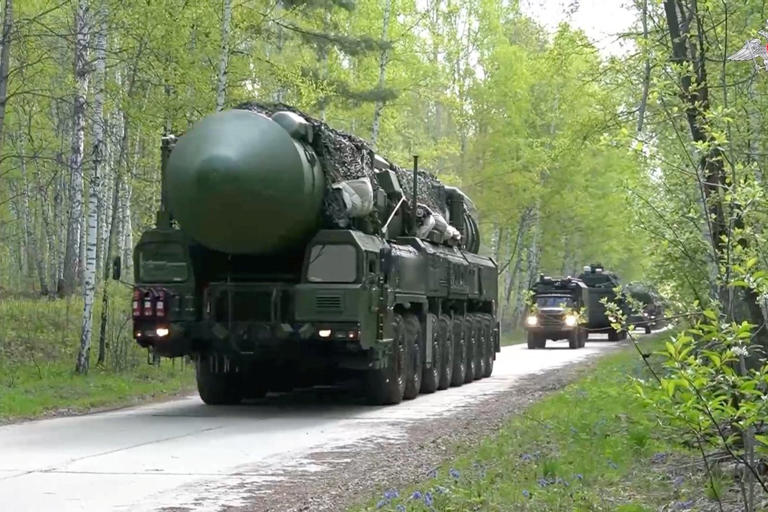
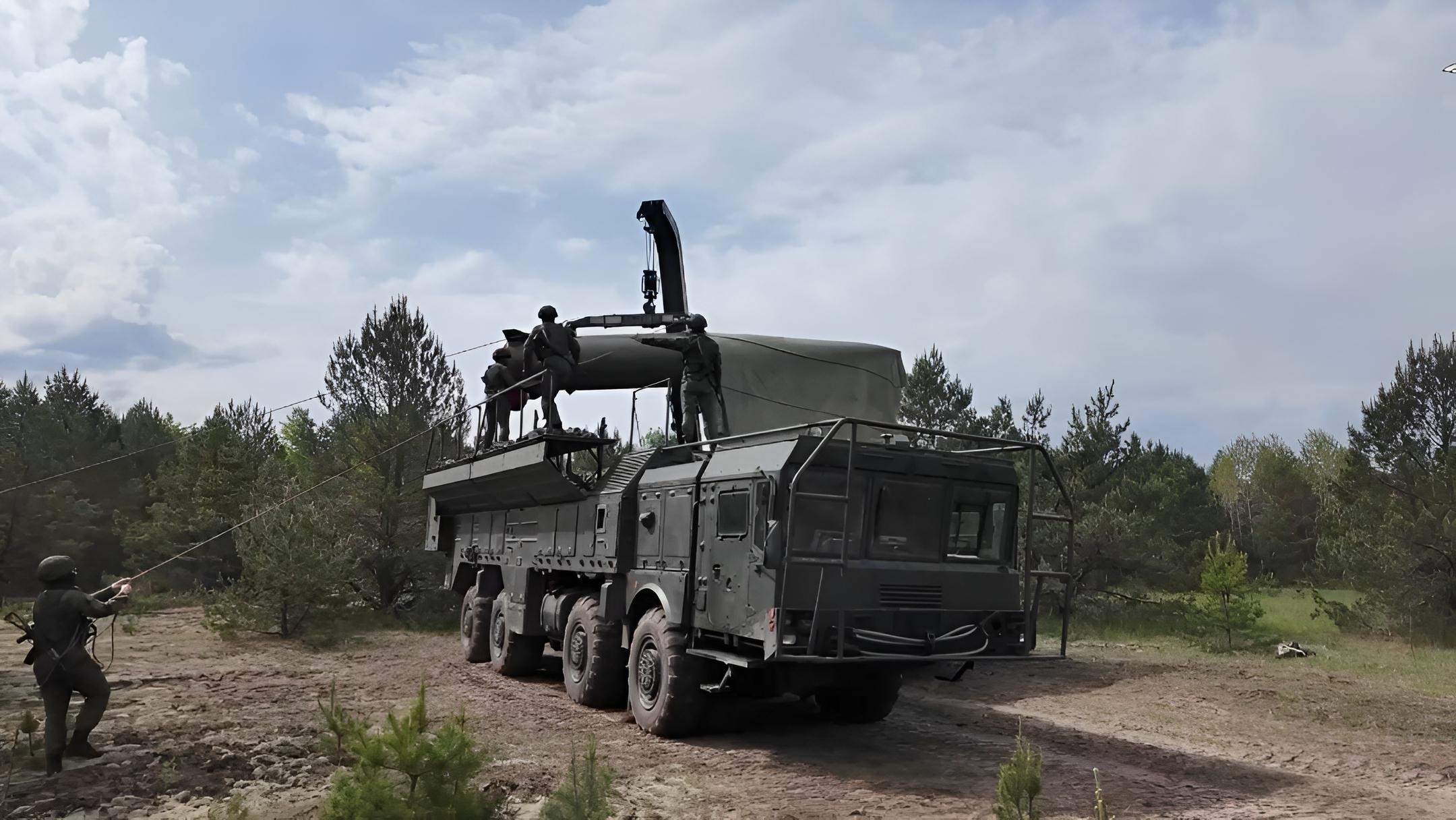
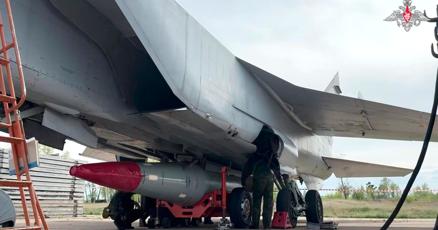
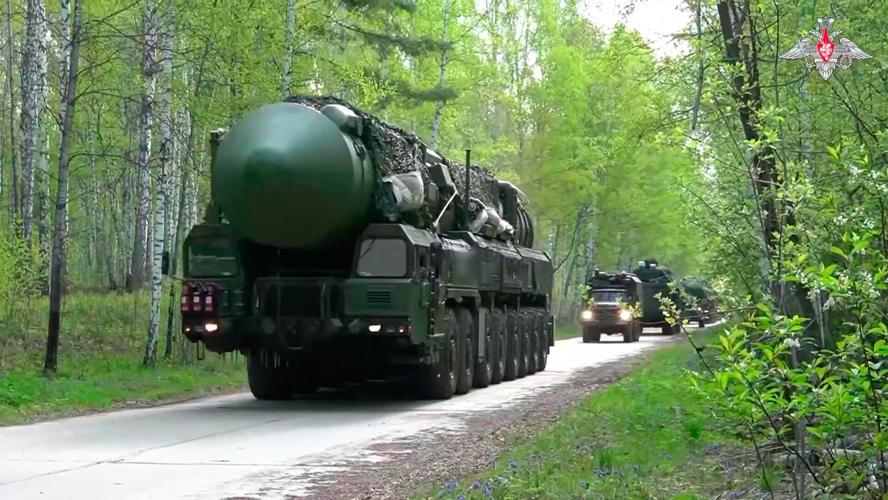
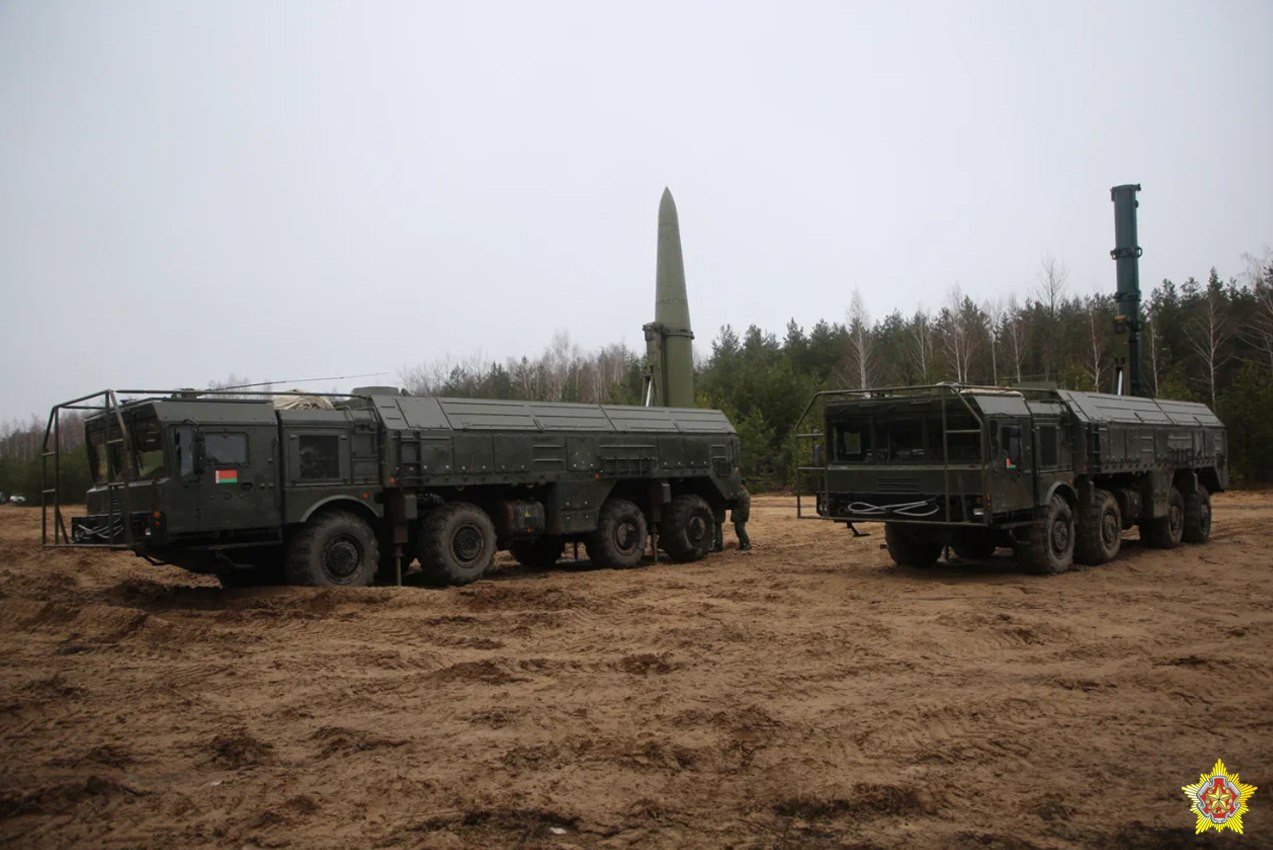
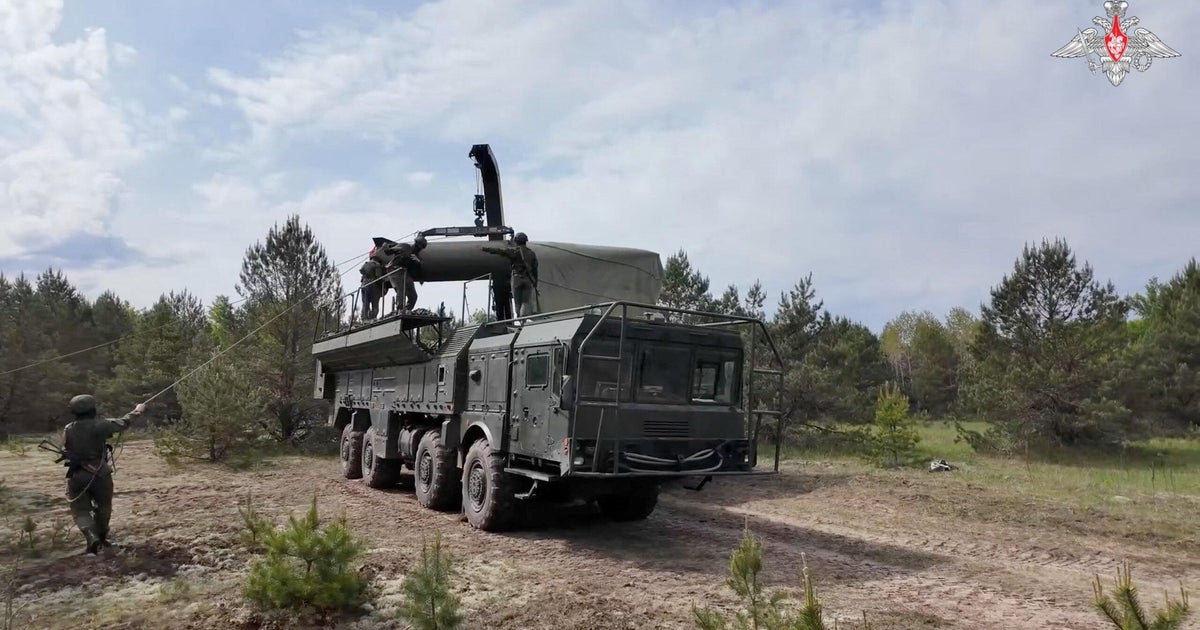
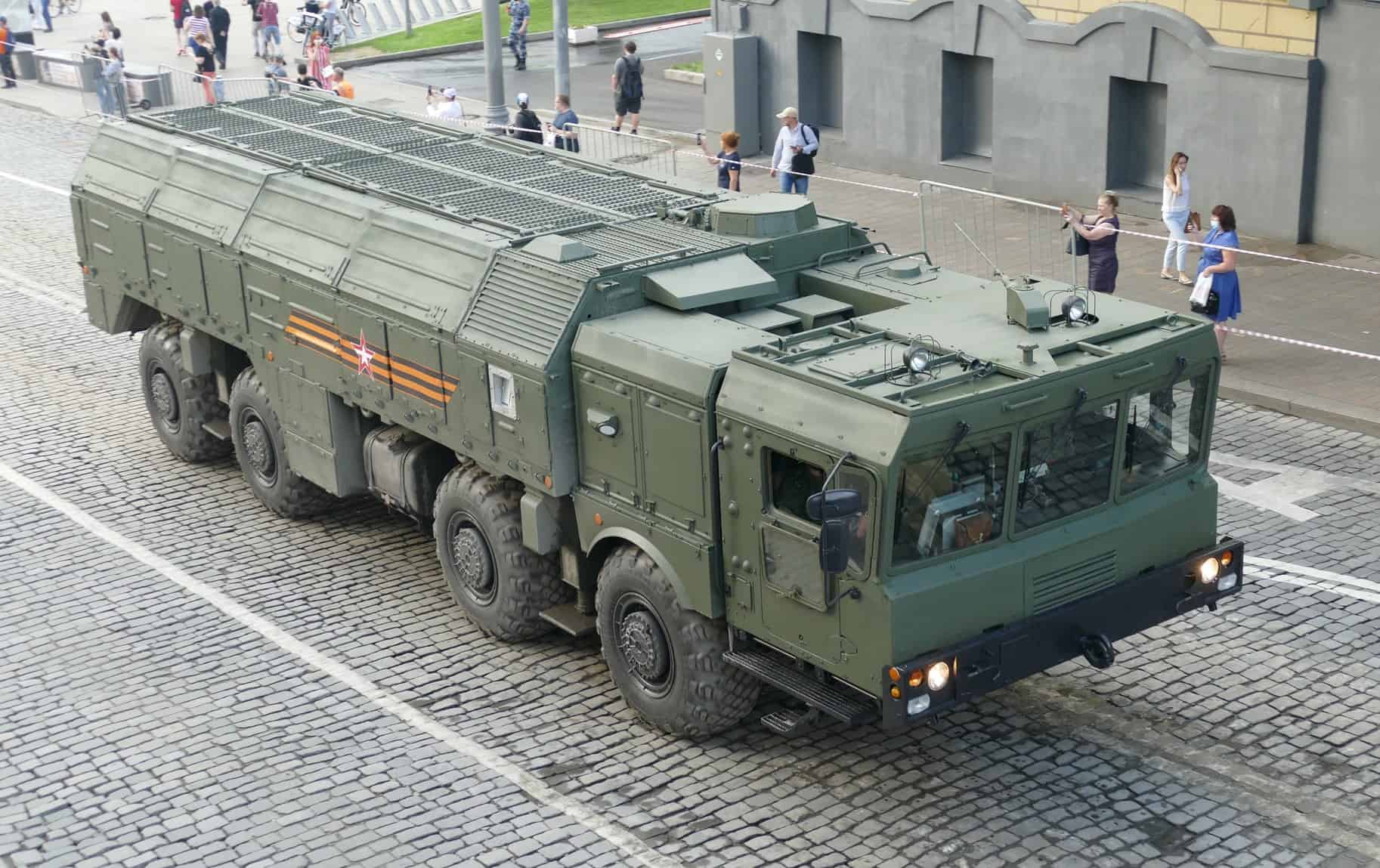
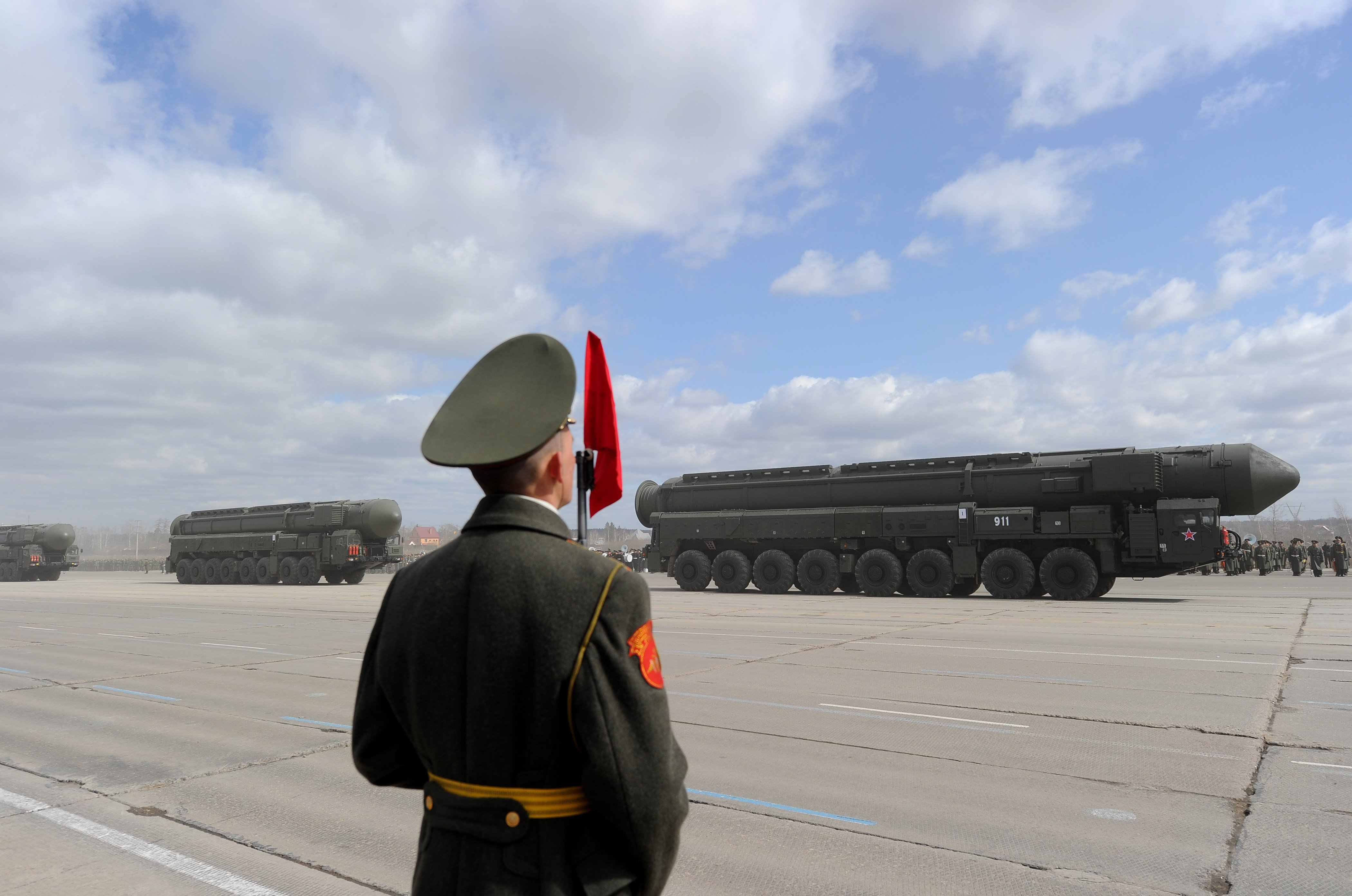
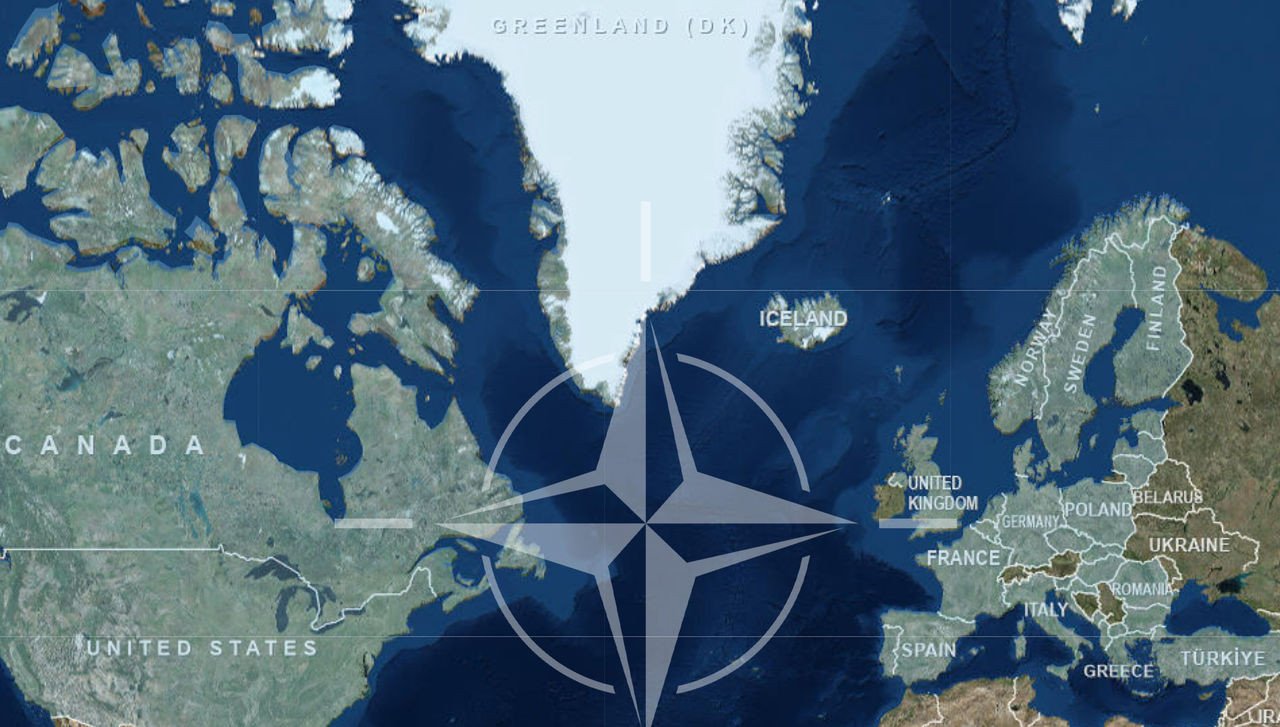
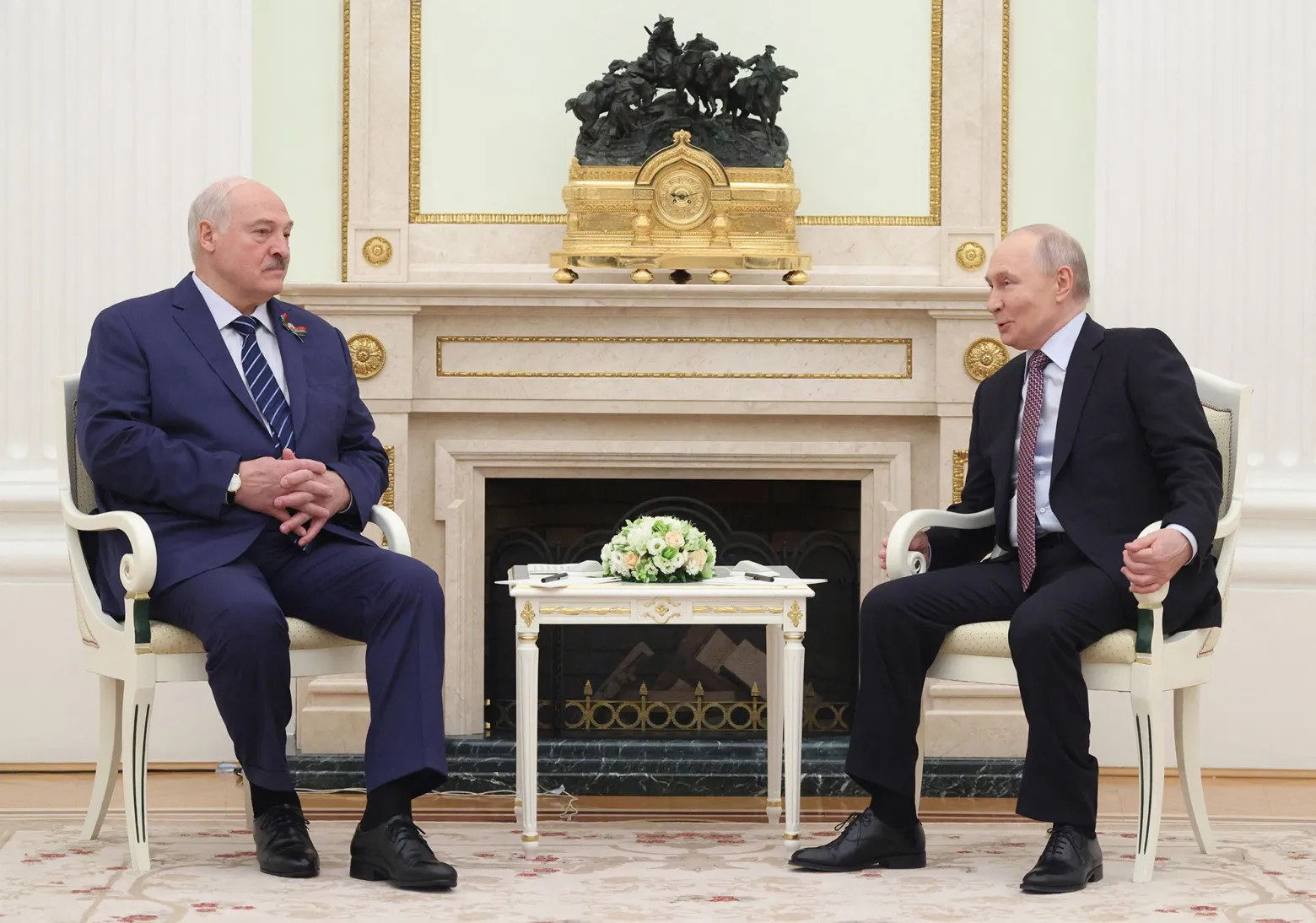
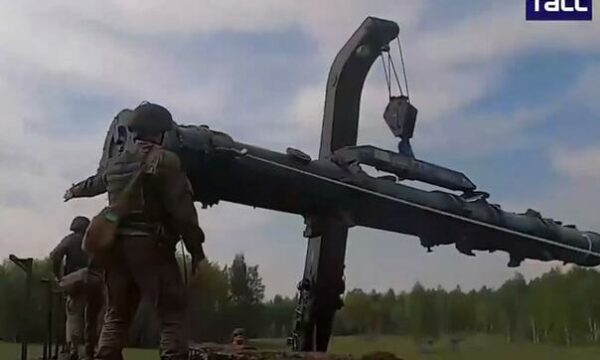
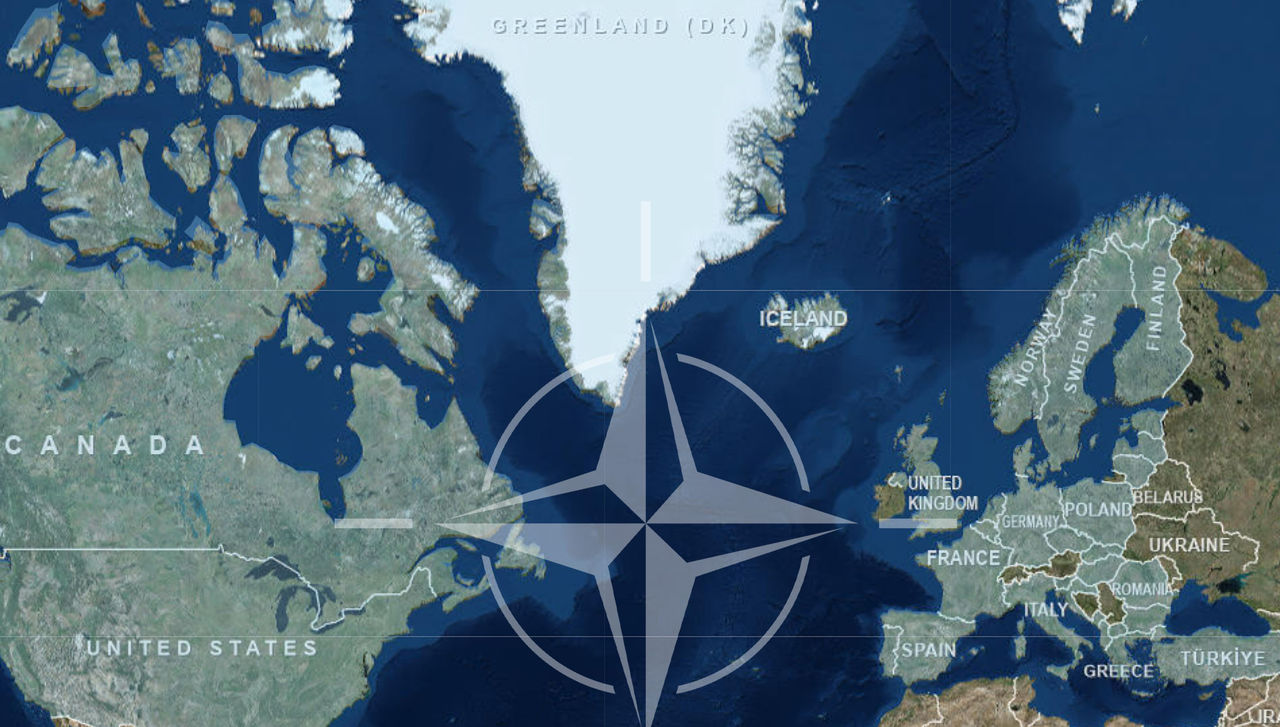
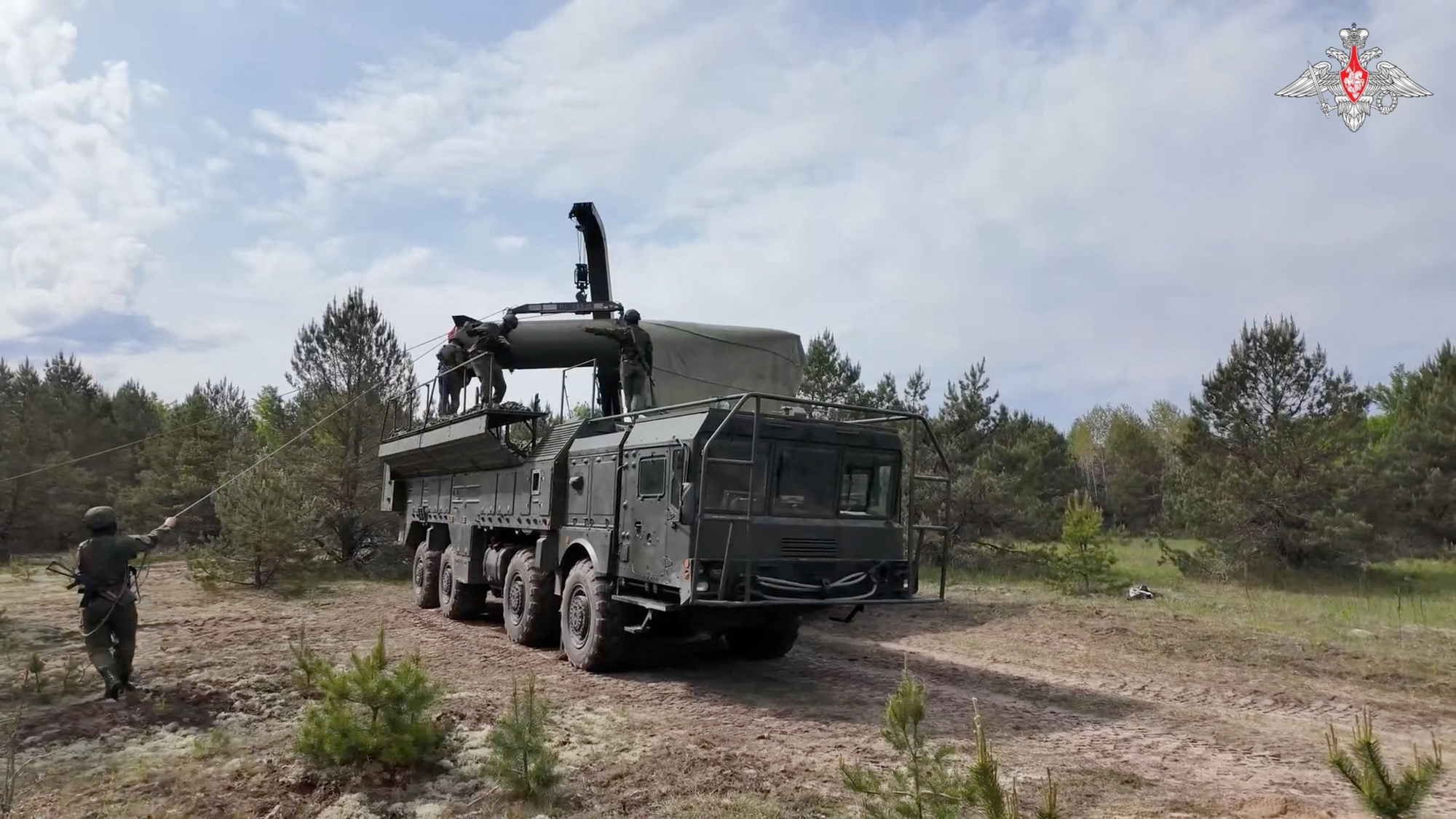
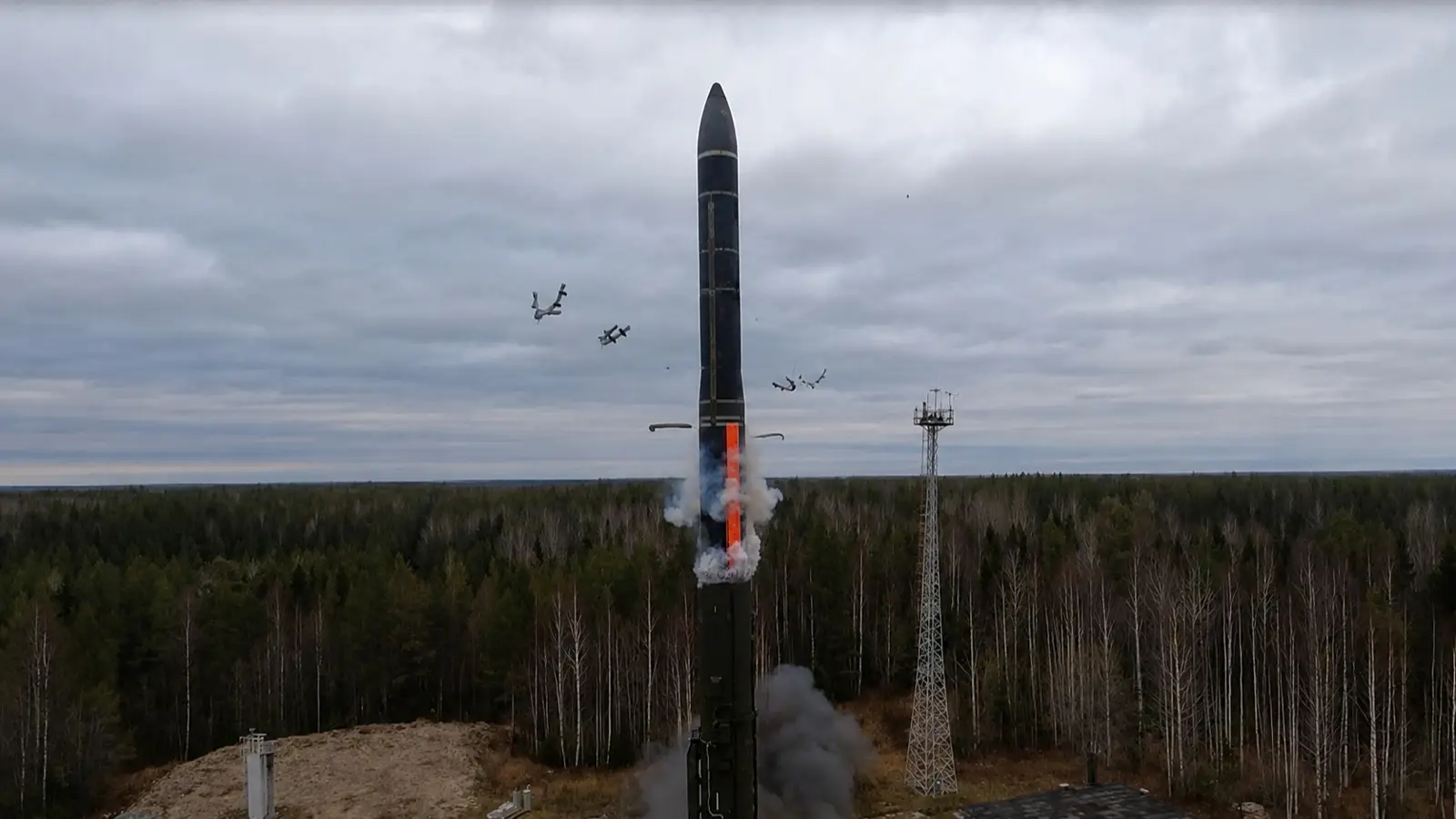
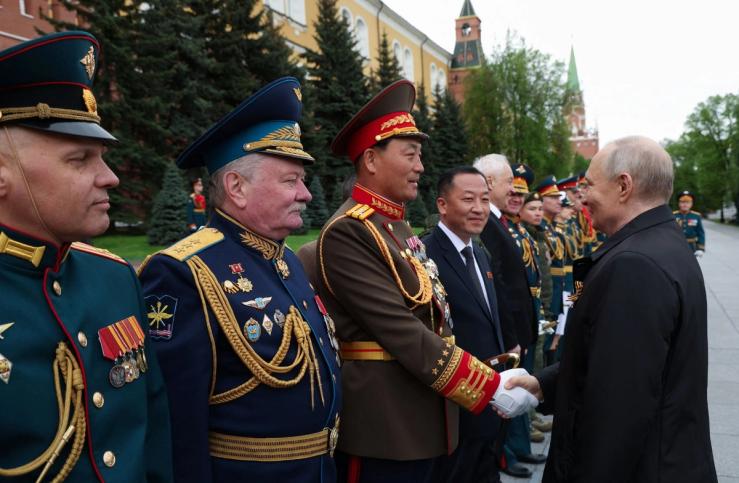
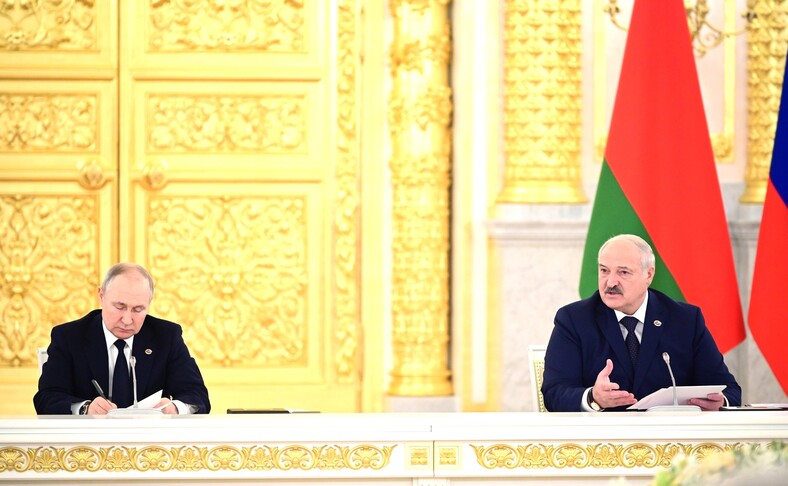
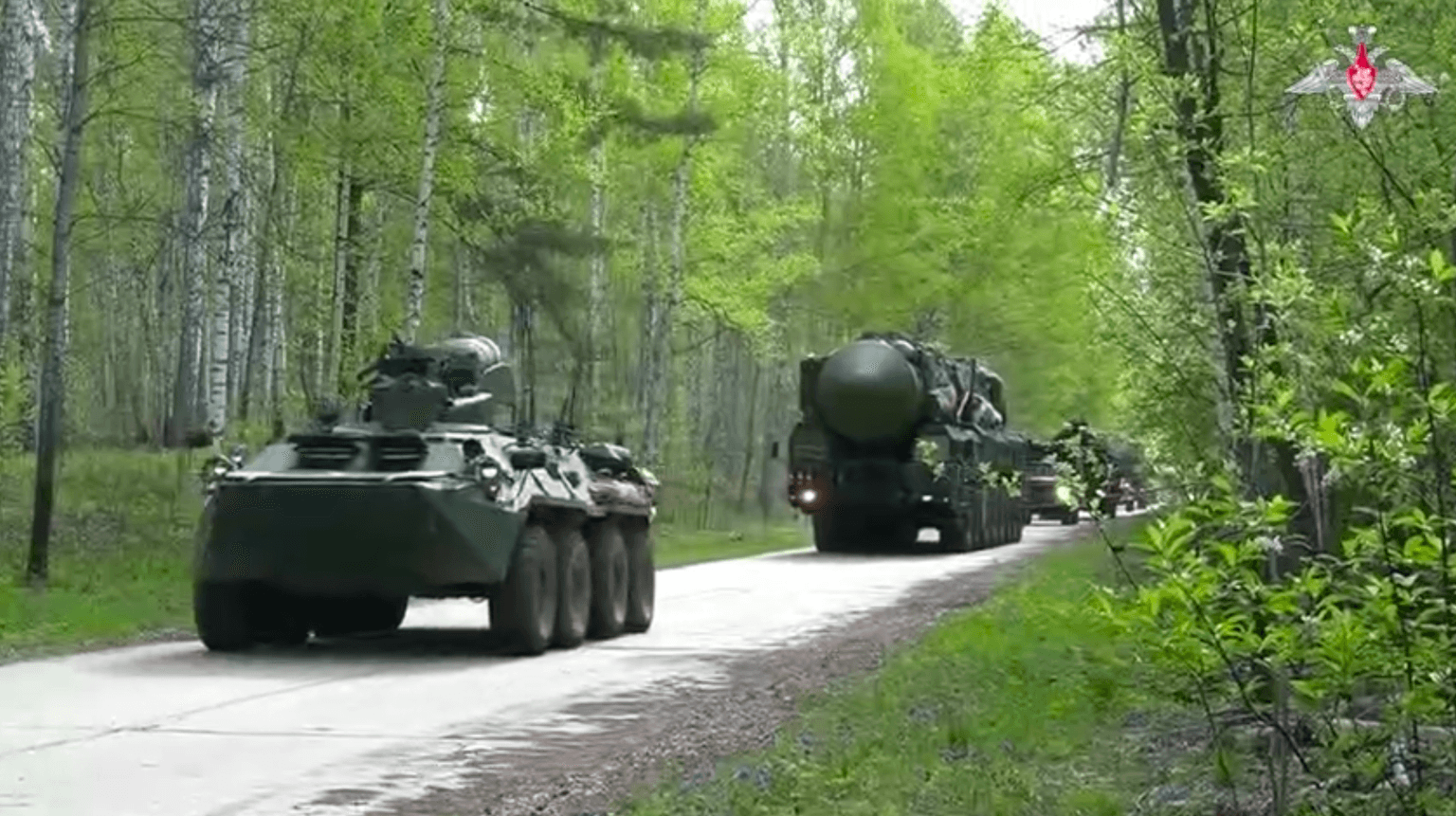
The May 19-21, 2026 Russia-Belarus nuclear exercises involving 64,000 personnel represent a significant geopolitical escalation with direct operational consequences for cross-border e-commerce sellers. While the military drills themselves focus on strategic nuclear capabilities (Borei-class submarines, Iskander-M systems, hypersonic missiles), the secondary effect—enhanced border security measures implemented by Ukraine's Security Service (SBU) and increased NATO monitoring—creates measurable friction in Eastern European logistics networks that sellers depend on for inventory movement and fulfillment.
Supply Chain & Logistics Impact: The exercises triggered Ukraine's implementation of "stepped-up checks and controls of individuals and properties" along its northern border with Belarus, directly affecting cross-border shipping corridors. Sellers utilizing Eastern European 3PL providers, particularly those routing inventory through Poland, Czech Republic, or Slovakia to reach EU markets, face 5-15 day shipping delays as customs procedures intensify. The Baltic region tensions (Lithuania's controversial NATO remarks, Moscow's accusations against Baltic states) create secondary friction points for sellers shipping to/from Baltic marketplaces. Estimated impact: 8-12% increase in logistics costs for sellers with active Eastern European fulfillment networks, affecting approximately 15,000-20,000 cross-border sellers with inventory in the region.
Product Category Opportunities: Geopolitical uncertainty historically drives demand for specific product categories: emergency preparedness items (first aid kits, water purification, survival gear), communication devices (satellite phones, mesh networks), and security/surveillance equipment. Sellers in these categories can expect 20-40% demand spikes during periods of heightened regional tension, particularly from Eastern European consumers. Additionally, the exercises highlight demand for military-adjacent merchandise (tactical apparel, outdoor gear, drone accessories) in NATO-aligned countries, representing a $300-500M annual cross-border opportunity.
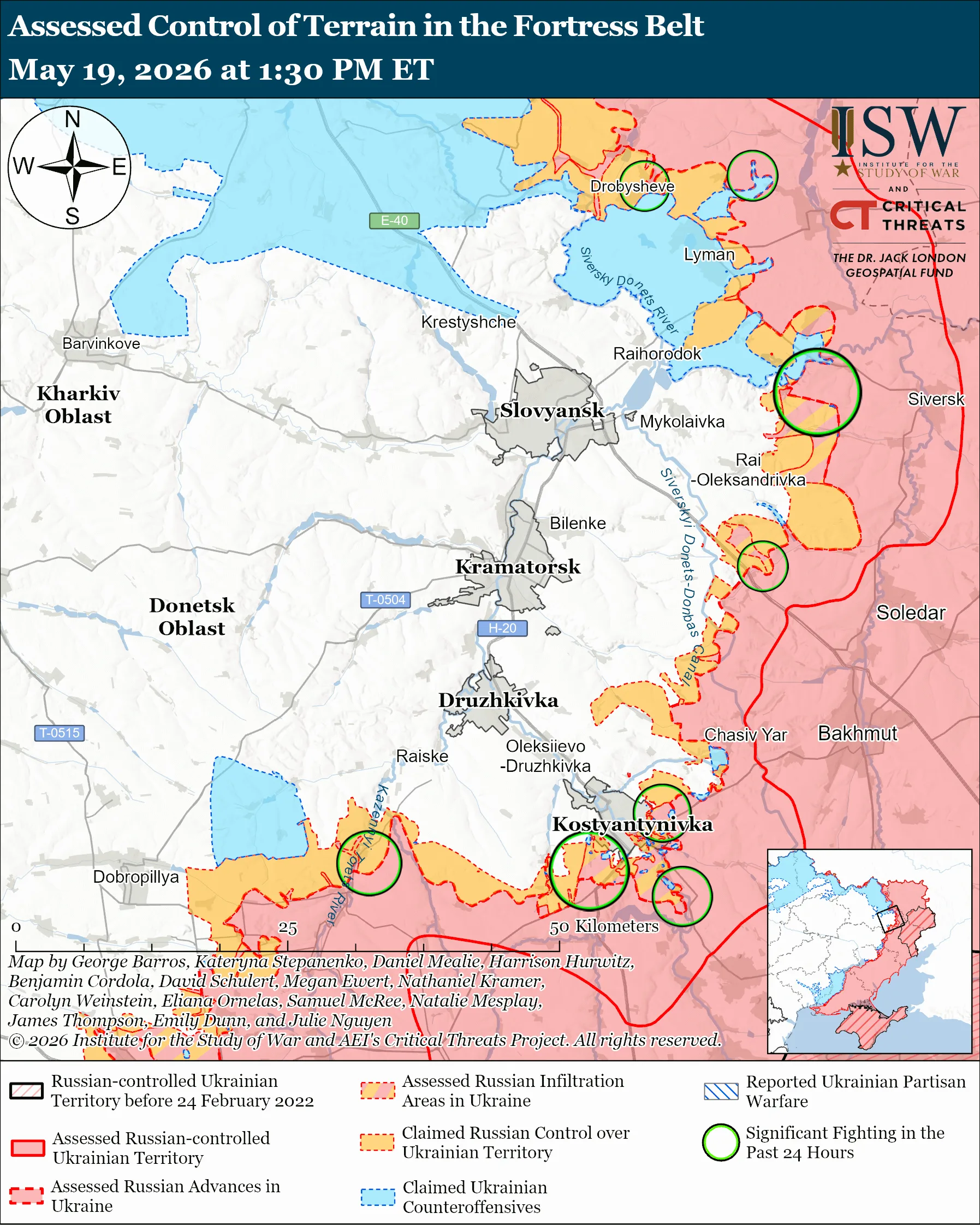
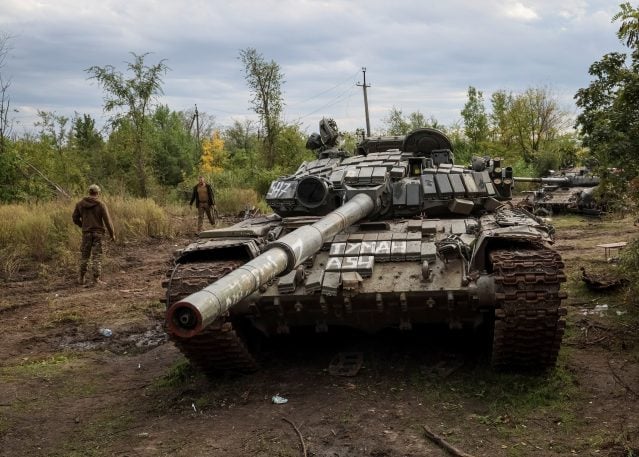
Risk Mitigation for Sellers: The escalation signals potential for further restrictions on goods movement through the region. Sellers should diversify fulfillment routes away from Eastern European corridors, consider alternative 3PL providers in Western Europe (Germany, Netherlands, Poland's western regions), and monitor customs documentation requirements. The 5-year Ukraine conflict with "little significant change in recent months" suggests this is a sustained operational challenge rather than a temporary disruption, requiring structural supply chain adjustments rather than tactical responses.
Questions 7
What documentation changes should sellers expect for Eastern European shipments?
Enhanced border security increases customs documentation requirements: expect requests for detailed product origin certificates, manufacturer declarations, and additional safety certifications. Ukraine's SBU controls now require detailed shipment manifests with individual item descriptions, HS codes, and declared values. Sellers should prepare comprehensive product documentation, ensure HS code accuracy (misclassification triggers delays), and work with customs brokers familiar with current Eastern European procedures. Maintain digital copies of all documentation and communicate proactively with 3PL providers about new requirements to avoid shipment holds.
How should sellers adjust their supply chain strategy for sustained geopolitical tension?
Treat the Ukraine conflict (now in its fifth year with 'little significant change') as a structural supply chain challenge requiring permanent adjustments rather than temporary responses. Implement geographic diversification: maintain 40-50% inventory in Western Europe, 30-40% in Central Europe (Poland, Czech Republic), and 10-20% in Eastern Europe only for high-demand categories. Establish relationships with multiple 3PL providers to reduce single-point-of-failure risk. Monitor NATO announcements and Russian military activity through official channels; escalations warrant immediate inventory rebalancing. Build 10-15% buffer stock in stable regions to absorb unexpected delays.