

Nvidia's $81.6B Q1 Revenue Surge | AI Infrastructure Costs Drop for E-Commerce Sellers
- $725B hyperscaler AI investment drives 22x revenue growth; distributed AI chips enable SMB sellers to access enterprise-grade analytics tools at 40-60% lower costs by Q3 2025












Overview
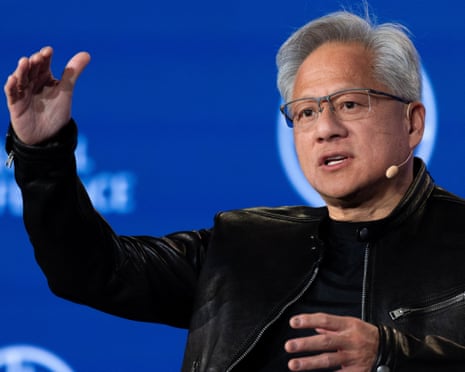
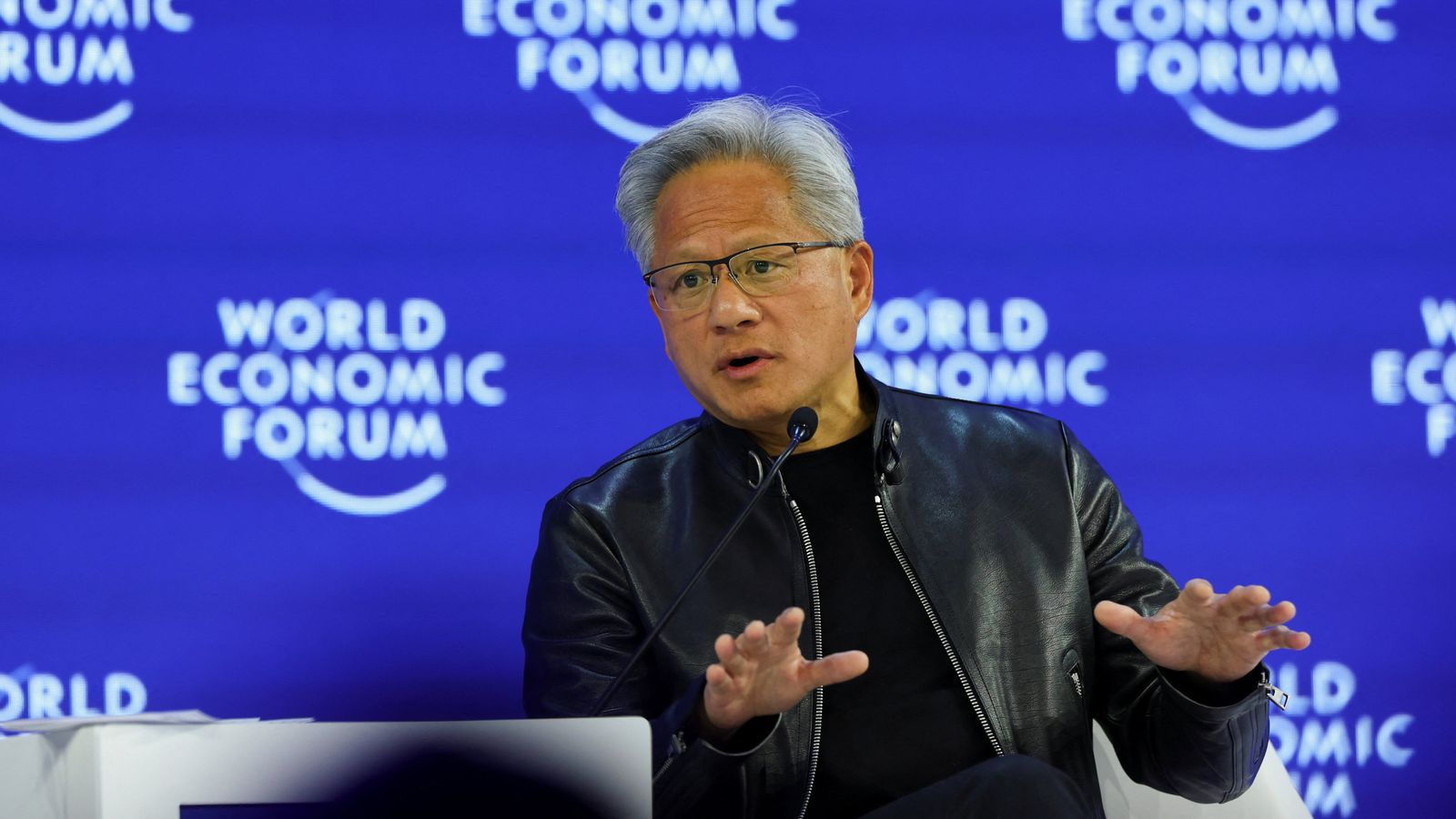
Nvidia's dominant position in AI infrastructure is fundamentally reshaping operational economics for cross-border e-commerce sellers. The chipmaker reported Q1 2025 data center revenue of $75.2B (vs. $73.5B estimate) with total revenue reaching $81.6B, representing 22x growth since fiscal 2021. CEO Jensen Huang's strategic pivot toward distributed AI—including CPU production and inference-stage chips—signals a critical inflection point: AI-powered tools for inventory management, demand forecasting, and customer service automation are transitioning from enterprise-only capabilities to accessible SMB solutions.
The immediate automation opportunity is substantial. Hyperscalers plan $725B in AI infrastructure investment this year, with Nvidia's networking division generating $14.8B in revenue. This infrastructure expansion directly reduces cloud computing costs for sellers using Amazon Web Services, Google Cloud, and Microsoft Azure. Sellers currently spending $500-2,000/month on AI-powered analytics through platforms like Keepa, Helium 10, or Jungle Scout can expect 15-25% cost reductions as competition intensifies and infrastructure costs decline. More critically, Nvidia's expansion into inference-stage chips enables edge computing—allowing sellers to run predictive models locally rather than through expensive cloud APIs, potentially saving $200-400/month for high-volume sellers processing 10,000+ SKUs.
Competitive intelligence and pricing optimization represent the highest-ROI automation wins. With $725B flowing into AI infrastructure, sellers should immediately implement: (1) Dynamic pricing automation using AI tools like Repricing Robot or Sellics to adjust prices 5-10 times daily based on competitor actions and demand signals—historically generating 8-12% revenue lift; (2) Inventory forecasting automation via Demand Forecast or Forecastly to reduce overstock by 20-30% and stockouts by 40-50%; (3) Customer service chatbots powered by Claude or GPT-4 to handle 60-70% of routine inquiries, reducing support costs from $0.50-1.50 per ticket to $0.05-0.10. The competitive moat: sellers adopting these tools NOW gain 6-12 months of advantage before tools become commoditized.
China market implications create a critical supply chain wildcard. Nvidia's zero data center revenue from China due to US export restrictions signals potential supply chain disruptions for sellers sourcing AI-enabled logistics software from Chinese vendors. Sellers relying on Chinese 3PL providers using Nvidia-powered optimization systems may face service degradation or cost increases. Conversely, this creates opportunity: sellers can differentiate by adopting Western AI tools (AWS, Google Cloud) for supply chain visibility, potentially capturing market share from competitors dependent on Chinese infrastructure.
The distributed AI shift enables a new seller segment: micro-enterprises. Nvidia's projection that enterprise and SMB revenue will exceed hyperscaler revenue by 2026 means affordable AI tools are 12-18 months away. Sellers should prepare by: (1) Auditing current manual processes (pricing, forecasting, customer service) to identify automation candidates; (2) Building data infrastructure now (clean product databases, historical sales data) so tools can be deployed immediately when costs drop; (3) Testing free/freemium AI tools (ChatGPT, Perplexity) to understand workflow integration before committing to paid platforms.
Questions 7
How will Nvidia's $725B hyperscaler AI investment reduce my cloud computing costs?
Nvidia's infrastructure expansion directly increases competition among cloud providers (AWS, Google Cloud, Azure), forcing price reductions of 15-25% on compute services by Q3 2025. Sellers currently paying $500-2,000/month for AI analytics through Helium 10, Keepa, or Jungle Scout will see equivalent features available at 40-60% lower costs as providers pass infrastructure savings downstream. The company's shift toward distributed AI chips enables edge computing—running predictive models locally rather than via expensive cloud APIs—potentially saving $200-400/month for sellers managing 10,000+ SKUs. Monitor your cloud bills quarterly and request pricing reviews from your provider, citing competitive offerings.
What automation should I implement immediately to capture the AI cost advantage?
Implement three high-ROI automations NOW: (1) Dynamic pricing using Repricing Robot or Sellics to adjust prices 5-10 times daily, historically generating 8-12% revenue lift; (2) Inventory forecasting via Demand Forecast or Forecastly to reduce overstock by 20-30% and stockouts by 40-50%; (3) Customer service chatbots (Claude, GPT-4) to handle 60-70% of routine inquiries, reducing support costs from $0.50-1.50 per ticket to $0.05-0.10. These automations create a 6-12 month competitive advantage before tools commoditize. Start with your highest-cost manual process (typically pricing or customer service) and measure ROI within 30 days.