
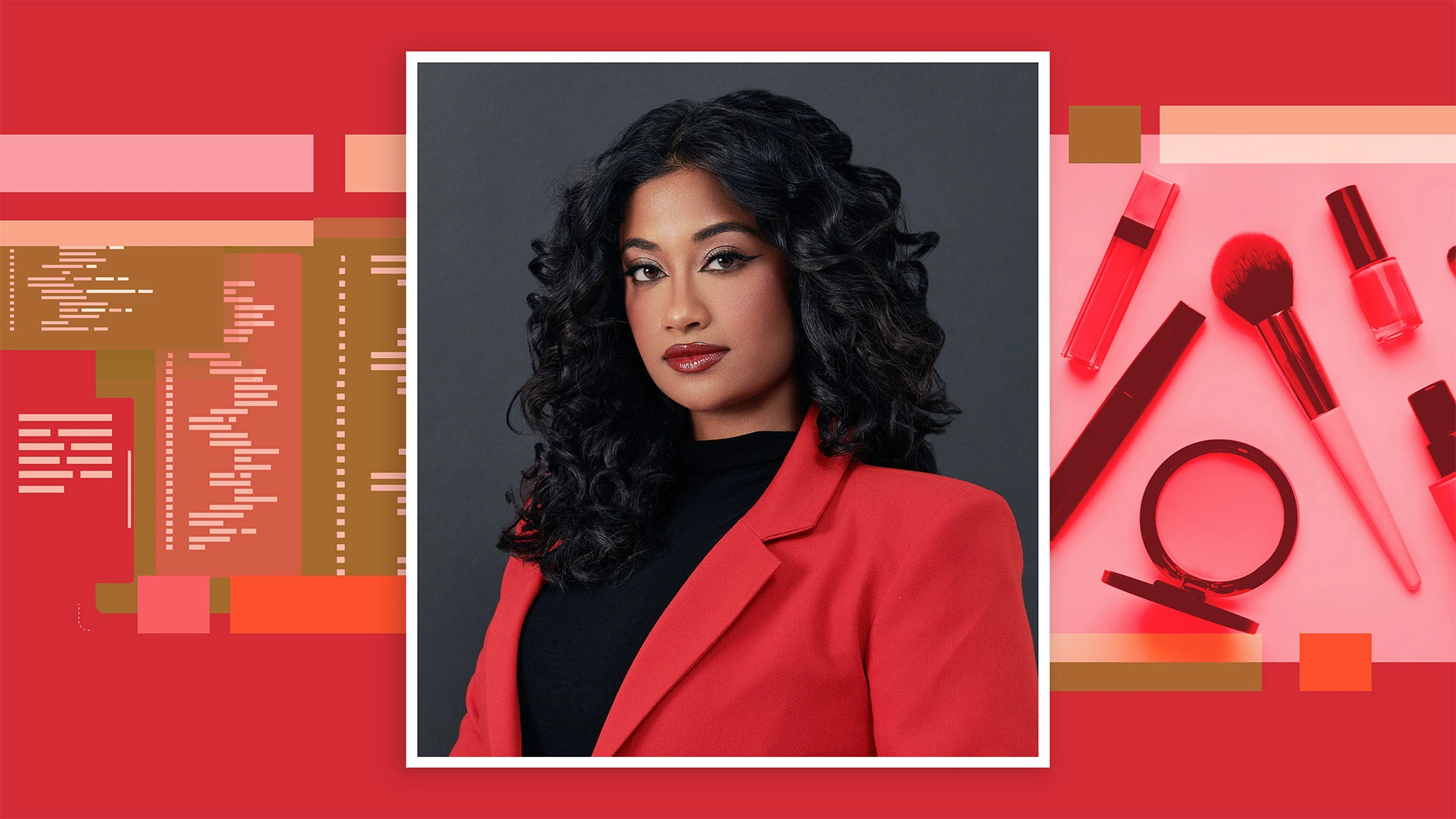
Data-Driven Beauty Content Strategy | Seller Opportunity in Creator Economy
- Multi-million follower creator reveals systematic product management framework for scaling beauty content; direct implications for sellers partnering with influencers and building brand communities
Overview
Monica Ravi-Conway's systematic approach to beauty content creation represents a critical shift in how influencer marketing operates—moving from intuition-based content to data-driven product management frameworks. This trend directly impacts e-commerce sellers in three ways: (1) influencer partnership expectations are rising, requiring sellers to work with creators who employ rigorous performance metrics; (2) the beauty product category is experiencing accelerated demand from content-driven discovery; (3) sellers must understand how creators now evaluate brand partnerships through systematic frameworks rather than follower counts alone.
The operational framework Ravi-Conway developed demonstrates scalable content production at enterprise level. Her three-component system—content pillars, sprint-based organization, and specification sheets—mirrors Amazon Seller Central inventory management and Shopify product workflow systems. She currently manages two team members (lead editor, creative assistant) while maintaining consistency across YouTube and short-form platforms, generating partnerships with premium beauty brands including Espoir, Armani Beauty, fwee, and MOB Beauty. This indicates the beauty content category generates sufficient revenue to support 3-person teams, suggesting significant monetization potential for sellers who understand creator economics.
For cross-border beauty sellers, this news signals a fundamental change in influencer ROI measurement. Traditional metrics (follower count, engagement rate) are being replaced by product management KPIs: audience targeting precision, content hook effectiveness, category alignment, and community-building potential. Sellers partnering with creators like Ravi-Conway must now provide detailed product specifications, target audience data, and performance benchmarks—essentially treating influencer collaborations as product launches with measurable conversion targets. The weekly intake form requirement (target audience, viewer concept, content hook, outline structure, category classification) mirrors Amazon A+ content requirements and Shopify product description standards.
The beauty category specifically shows strong momentum for content-driven sales. Ravi-Conway's partnerships with premium brands (Armani Beauty, Espoir) indicate that luxury beauty products command higher margins when sold through content-driven channels. Cross-border sellers in beauty should expect: (1) increased demand for product samples and detailed specifications from creators; (2) higher expectations for brand storytelling and audience alignment; (3) longer sales cycles as creators implement rigorous vetting processes; (4) premium pricing opportunities for products that fit established content pillars.
Immediate seller implications: The creator economy is professionalizing. Sellers who treat influencer partnerships as casual sponsorships will lose to competitors who provide creators with systematic data, clear performance targets, and measurable ROI frameworks. The shift from "follower count" to "audience quality metrics" means smaller creators with highly engaged, targeted audiences may deliver better results than mega-influencers with passive followers.
Questions 7
How does Ravi-Conway's sprint-based content organization impact seller timelines for influencer campaigns?
Ravi-Conway's sprint-based system (organizing work into structured cycles with weekly intake forms) means **influencer campaigns now require 4-8 week lead times** instead of the traditional 2-3 week turnaround. Her detailed specification sheet requirement (target audience, viewer concept, content hook, outline structure, category alignment) means sellers must provide comprehensive product briefs before creators begin production. This longer timeline actually benefits sellers by ensuring higher-quality content and better audience targeting, but requires sellers to plan campaigns further in advance. For **cross-border sellers**, this means: (1) coordinate product launches with creator schedules 6-8 weeks ahead; (2) provide detailed product specifications in creator-friendly formats; (3) expect multiple revision cycles as creators test content against their established frameworks; (4) plan inventory accordingly to avoid stockouts during peak post-content demand periods.
What product categories benefit most from Ravi-Conway's content-driven sales model?
**Premium beauty products** show the strongest fit with Ravi-Conway's systematic content approach, as evidenced by her partnerships with luxury brands (Armani Beauty, Espoir). Her framework works best for categories requiring: (1) visual demonstration (makeup, skincare, haircare); (2) audience education (product benefits, application techniques); (3) community building (beauty routines, lifestyle integration). Cross-border sellers in these categories should expect increased demand for product samples, detailed specifications, and brand storytelling. However, the framework also applies to **wellness products, fashion accessories, and home goods**—any category where content creators can establish clear audience personas and measure engagement by demographic. Sellers in commodity categories (basic electronics, generic apparel) will see less ROI from this approach.