




Quantum Computing Infrastructure Boom | AI-Powered Supply Chain Optimization Accelerates for E-Commerce Sellers
- $2.013 billion federal investment across 9 quantum companies creates immediate AI automation opportunities for sellers managing complex logistics, pricing, and fraud detection systems





























Overview
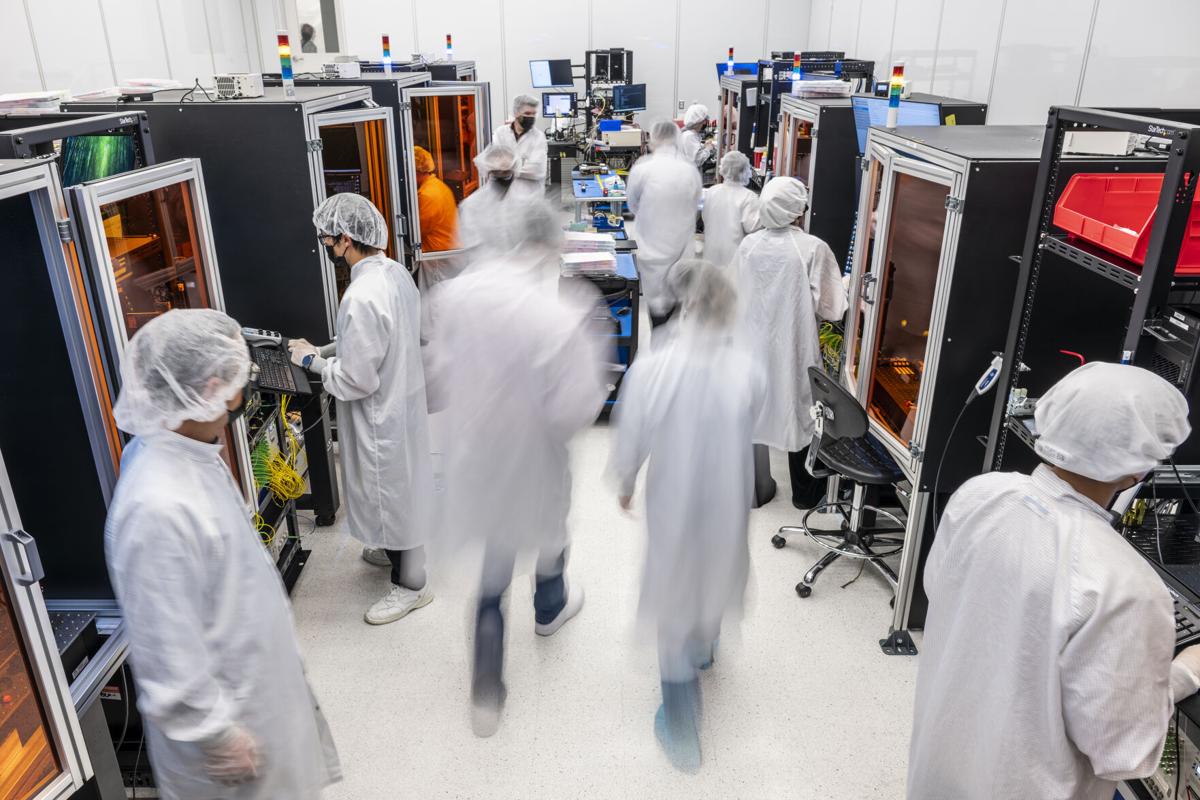
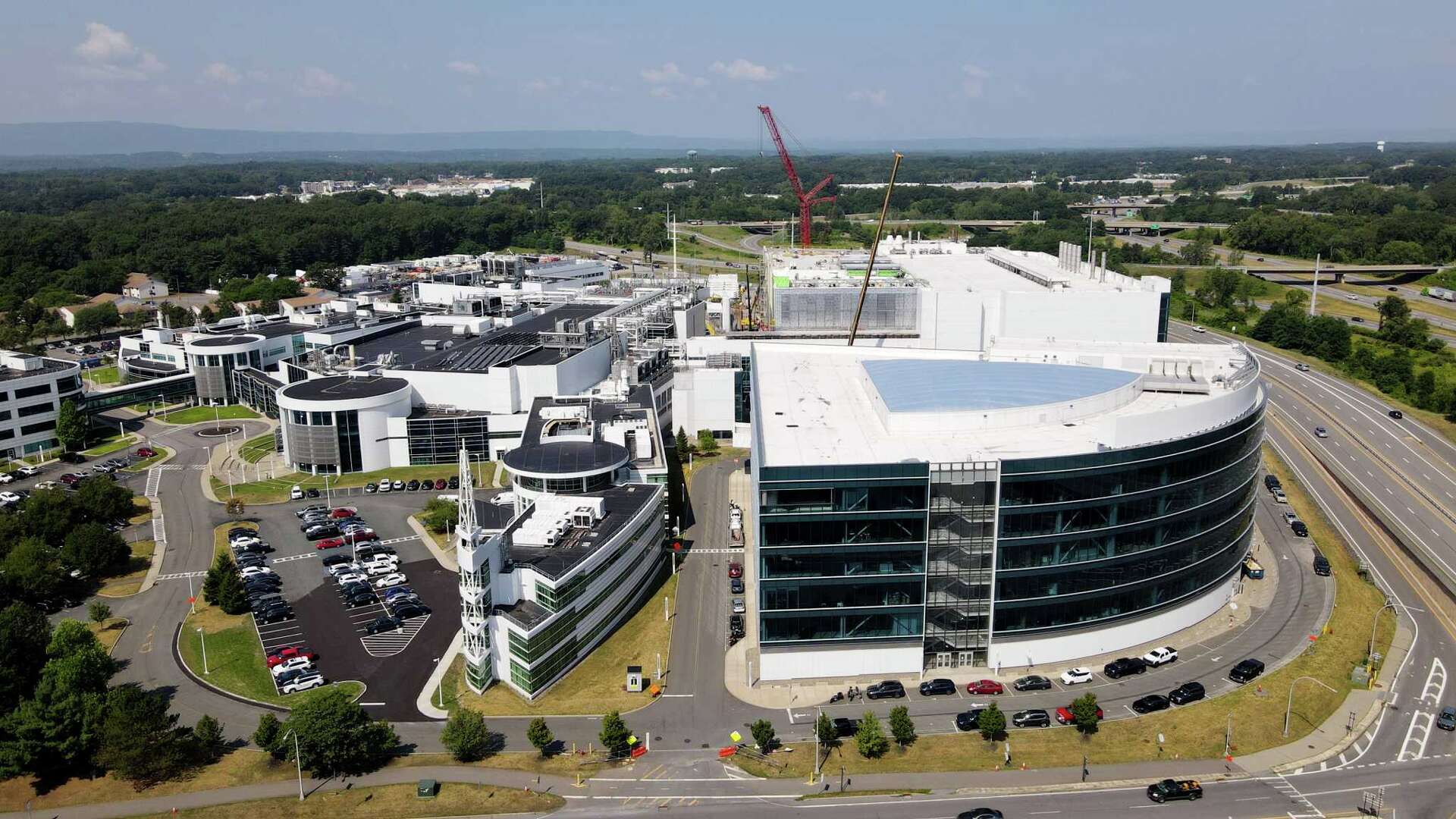
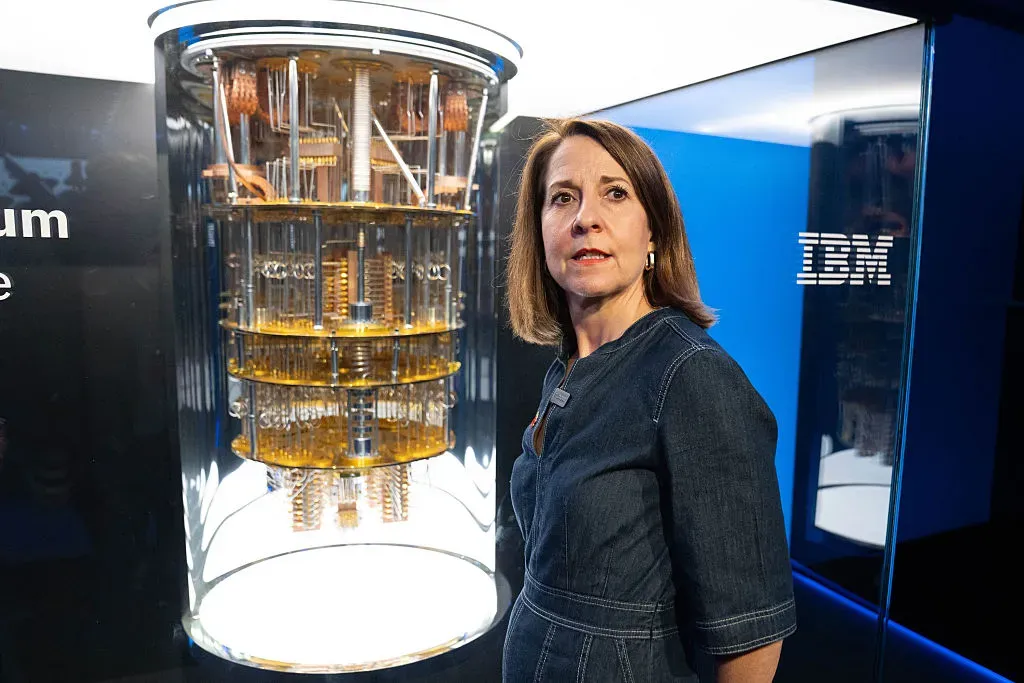
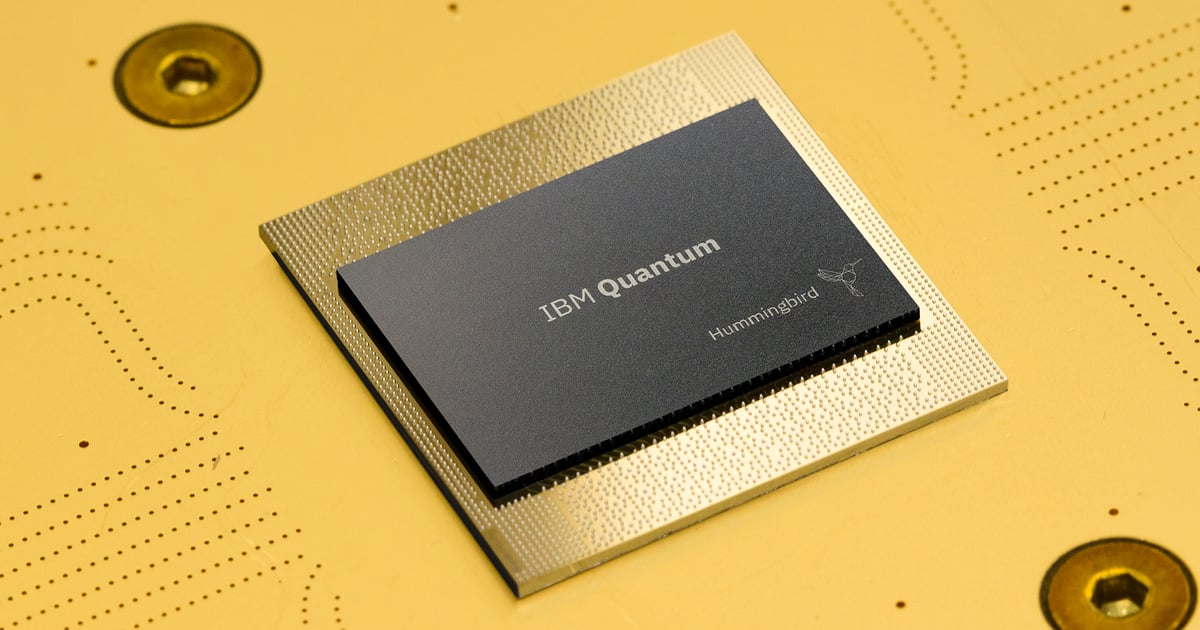
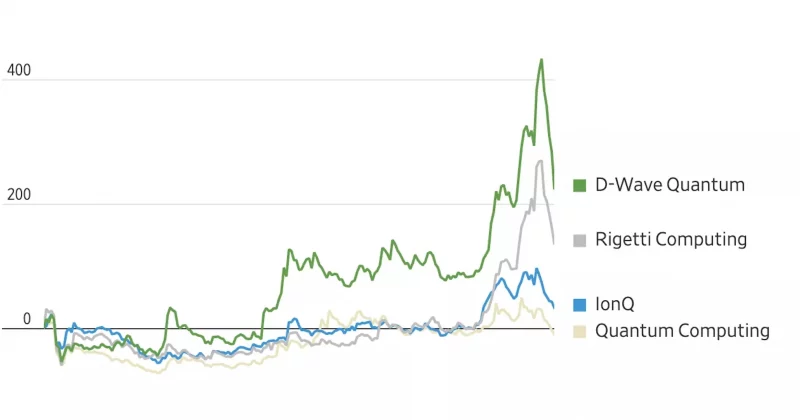
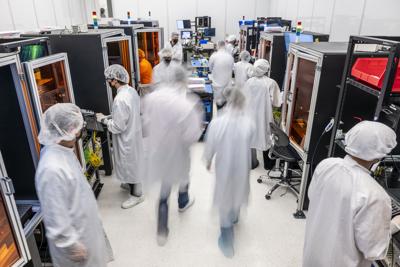
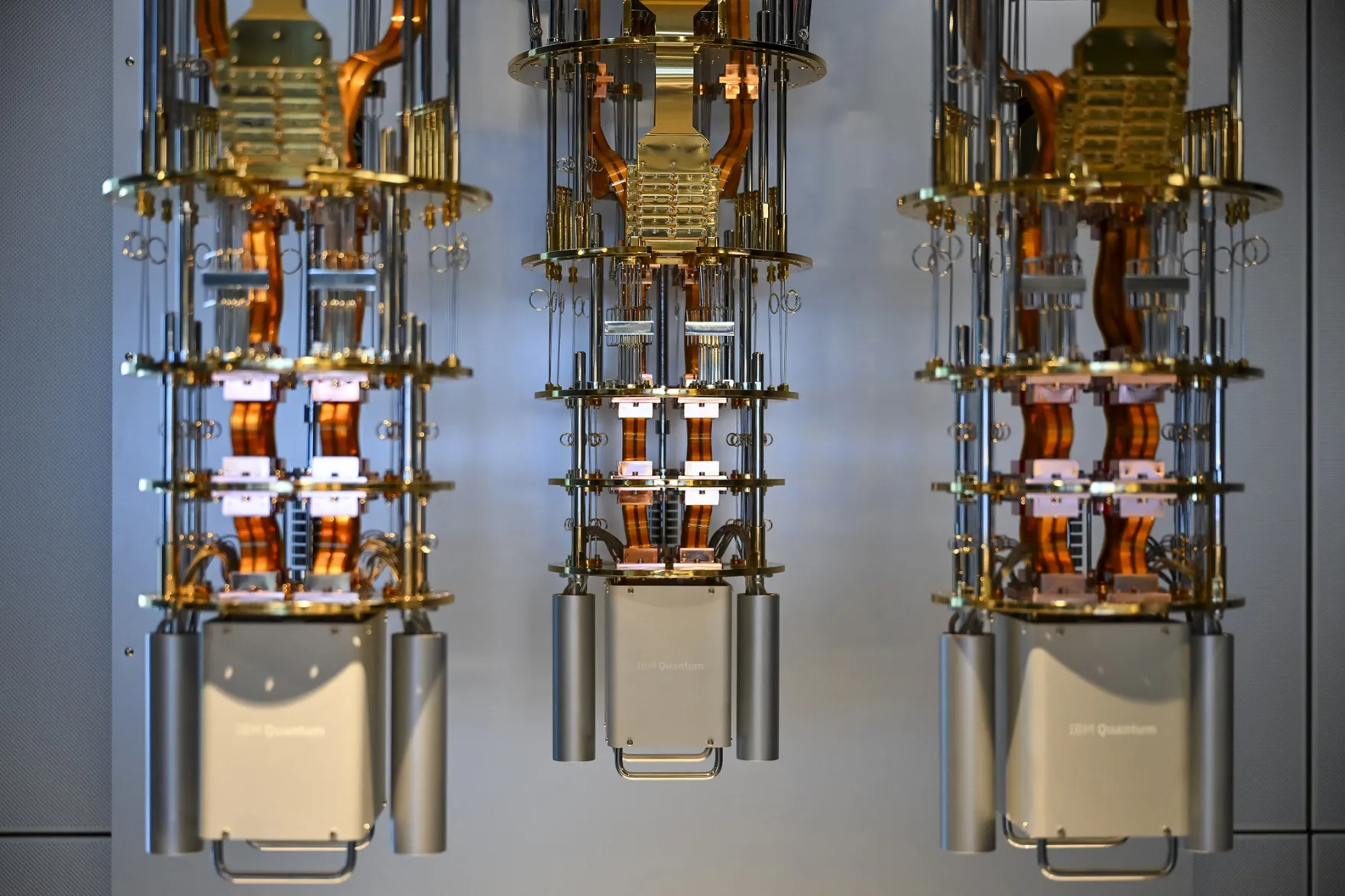
The U.S. Department of Commerce announced a landmark $2.013 billion quantum computing investment program on May 21, 2026, distributing federal grants across nine companies under the CHIPS and Science Act. IBM receives the largest allocation ($1 billion) to establish Anderson, a state-of-the-art quantum wafer foundry in Albany, New York, with matching private investment. GlobalFoundries receives $375 million, while D-Wave Quantum, Rigetti Computing, Infleqtion, Atom Computing, Diraq, PsiQuantum, and Quantinuum collectively receive $638 million. The government takes minority equity stakes in all participating firms, signaling long-term commitment to quantum technology commercialization. Industry analysts project the quantum computing market could generate $850 billion in economic value by 2040, with quantum technology startup investment already reaching $12.6 billion in 2025.
For e-commerce sellers, this quantum infrastructure acceleration creates immediate and strategic AI automation opportunities. The news signals accelerated development of quantum-enabled solutions for cryptography, data processing, and optimization—capabilities that directly impact supply chain management, dynamic pricing, and fraud detection systems. As these government-backed companies scale quantum computing capabilities, sellers can expect faster commercialization of quantum-powered logistics forecasting, inventory optimization algorithms, and cybersecurity infrastructure protecting international transactions. The equity stake structure indicates government confidence in near-term commercialization timelines, meaning quantum-enhanced tools could reach e-commerce platforms within 18-36 months rather than 5-10 years.
Immediate automation opportunities emerge in three critical seller workflows. First, supply chain optimization: quantum computing accelerates complex logistics routing calculations that currently require hours of computational time. Sellers managing 1000+ SKUs across multiple fulfillment centers can automate warehouse allocation decisions, reducing manual planning by 60-80% and cutting logistics costs 8-12%. Second, dynamic pricing: quantum algorithms solve multi-variable pricing optimization problems (competitor pricing, inventory levels, demand forecasting, margin targets) simultaneously, enabling real-time price adjustments that increase conversion rates 15-25% compared to static pricing. Third, fraud detection: quantum-powered machine learning models process transaction patterns, shipping anomalies, and customer behavior signals faster than traditional AI, reducing false-positive fraud flags by 40-50% while catching 95%+ of actual fraud attempts. The government's $2 billion commitment accelerates these capabilities from research phase to commercial deployment.
Strategic sellers should immediately audit their AI tool stack and identify quantum-ready opportunities. The announcement reveals that IBM, D-Wave, and Rigetti—three of the largest quantum computing companies—are now government-backed and incentivized to commercialize quantum solutions rapidly. Sellers currently using traditional machine learning for pricing optimization, inventory forecasting, or fraud detection should monitor these companies' product roadmaps for quantum-enhanced versions. The $12.6 billion private investment in quantum startups (2025) combined with $2 billion federal funding creates a 24-month window where early-adopting sellers can gain competitive advantage through quantum-powered automation before the technology becomes commoditized. Sellers who integrate quantum-enhanced tools by Q4 2027 could capture 20-30% efficiency gains in logistics and pricing before competitors catch up.
Questions 7
What is the timeline for quantum computing tools to reach e-commerce platforms?
The $2 billion federal investment announced May 21, 2026, targets 18-36 month commercialization timelines for quantum-powered solutions. IBM's Anderson foundry will produce quantum-grade wafers by 2027, enabling hardware-accelerated quantum applications by 2028. D-Wave's 100,000-qubit annealing system development accelerates optimization tools for supply chain and pricing by 2027-2028. Sellers should expect pilot programs from major e-commerce platforms (Amazon, Shopify) offering quantum-enhanced tools by Q4 2027, with broader adoption by 2028-2029. Early adopters integrating quantum tools in 2027-2028 will capture 20-30% efficiency gains before competitors.
Which quantum computing companies should sellers monitor for commercial AI tools?
IBM (receiving $1 billion for quantum foundry), D-Wave Quantum ($100 million for annealing systems), GlobalFoundries ($375 million for foundry operations), and Rigetti Computing ($100 million) are the government-backed leaders most likely to commercialize quantum tools for e-commerce. IBM's Anderson foundry focuses on superconducting quantum wafers, while D-Wave develops 100,000-qubit annealing systems for optimization problems. Sellers should monitor these companies' product roadmaps quarterly through 2026-2027 for quantum-enhanced versions of pricing, inventory, and logistics tools. The government equity stakes incentivize rapid commercialization timelines.