




Central Africa Ebola Outbreak Disrupts Supply Chains | Cross-Border Sellers Face 6-Month Market Access Crisis
- Emergency travel restrictions to DRC, Uganda, South Sudan halt logistics operations; 600+ suspected cases trigger Dulles airport screening; sellers lose access to 100M+ consumer market during critical Q4-Q1 period









Overview
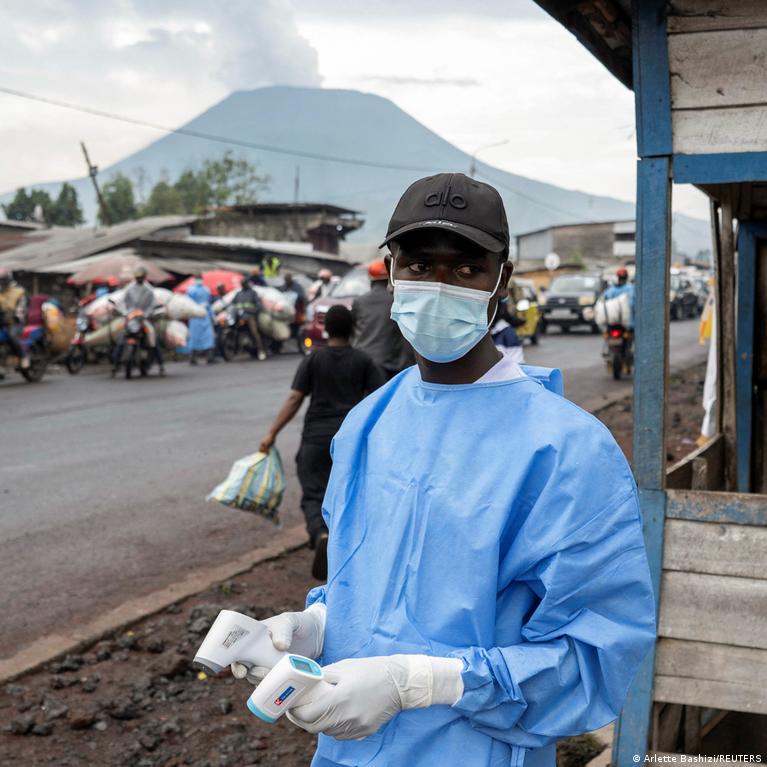
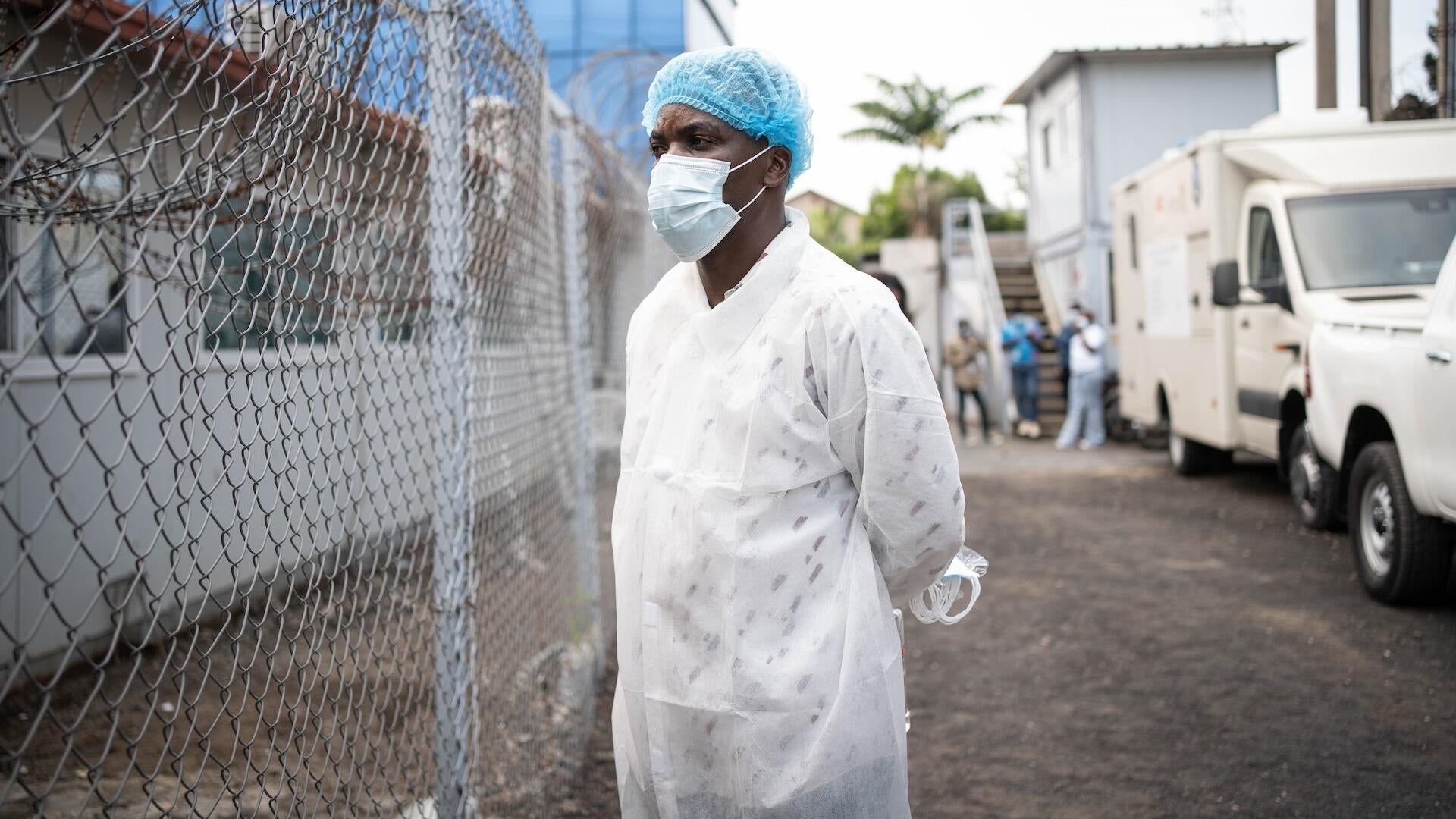
The Bundibugyo Ebola outbreak in Central Africa—with 600+ suspected cases and 139 confirmed deaths primarily in the Democratic Republic of Congo—has triggered emergency travel restrictions that directly disrupt cross-border e-commerce operations across the region. The U.S. Department of Homeland Security issued a draft memo requiring all passengers from the DRC, South Sudan, and Uganda to land exclusively at Washington Dulles International Airport for enhanced screening, creating 21-day travel delays and logistics bottlenecks. This public health emergency of international concern, declared by the WHO, represents a critical supply chain vulnerability for sellers operating in or sourcing from Central Africa.
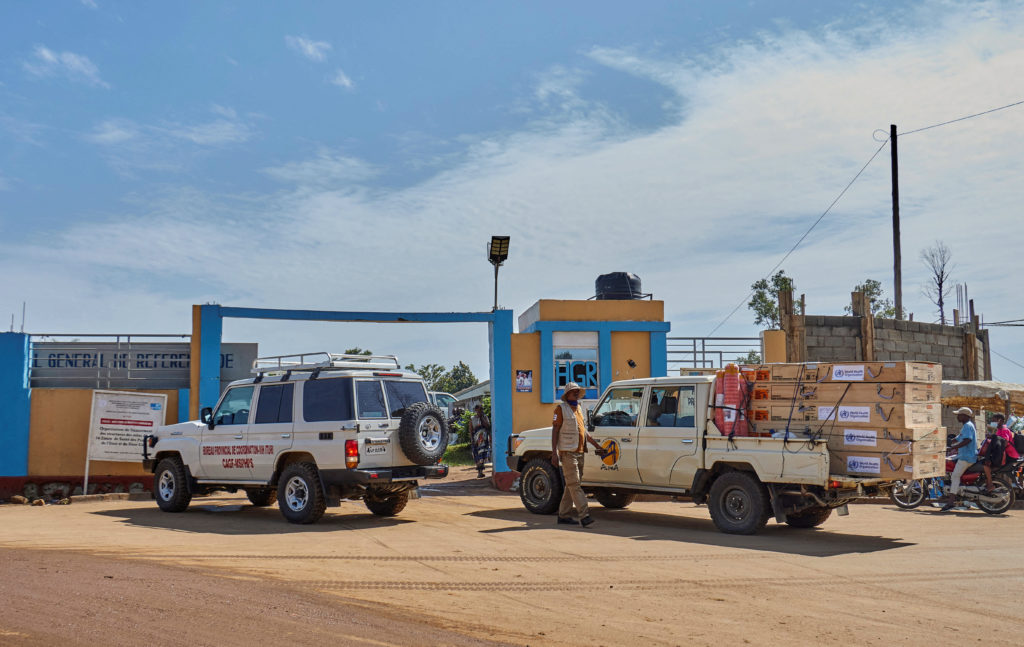
Supply Chain Disruption Impact: The outbreak's geographic concentration in Ituri Province (Bunia, Mongwalu, Rwampara) and spread to Uganda's capital Kampala directly affects major logistics hubs and manufacturing centers. Sellers relying on 3PL providers, freight forwarders, or direct sourcing from these regions face 6-month operational delays, as former health minister Eteni Longondo estimates the outbreak will persist through early 2025. The Bundibugyo strain's 30%+ mortality rate and lack of approved vaccines (with the most promising candidate not expected for 6-9 months) signals prolonged containment efforts. This creates cascading effects: delayed inventory replenishment, increased air freight costs (estimated 15-25% premium for expedited routing), and reduced consumer purchasing power across the region where 80% of 100 million citizens live in extreme poverty.
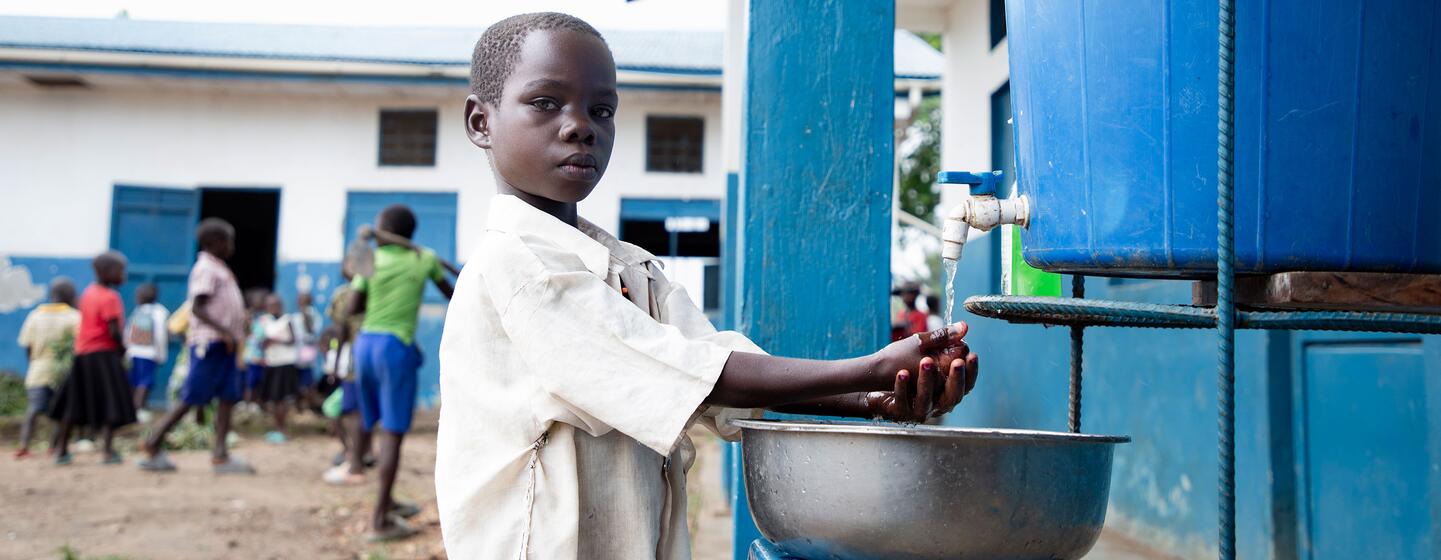
Market Access and Consumer Behavior Shifts: The humanitarian crisis compounds existing challenges—armed rebellion in eastern DRC has created severe food crises, reducing discretionary spending on imported goods and e-commerce purchases. Misinformation about the outbreak (rumors about "phantom coffins") drives residents toward traditional practices rather than modern commerce, further depressing market demand. For sellers targeting Central African consumers, this represents a 6-month revenue cliff. Simultaneously, sellers with inventory stuck in affected regions face potential spoilage, storage cost accumulation, and customs complications as border screening intensifies. The outbreak also creates opportunities in health/safety product categories: demand for protective equipment, sanitizers, and medical supplies will spike in affected regions and among diaspora communities in the U.S. and Europe sending aid packages.
Operational Recommendations: Sellers should immediately audit supply chain dependencies on DRC/Uganda/South Sudan sourcing and implement alternative routing through neighboring countries (Kenya, Tanzania, Zambia) with 2-3 week delays but lower health risk. For sellers with inventory in-country, consider liquidation through local marketplaces or donation for tax benefits rather than waiting for normalization. Increase safety stock for products dependent on Central African supply chains by 30-40% to cover the 6-month disruption window. Monitor CDC and WHO updates weekly—vaccine approval or outbreak containment could rapidly restore market access, creating first-mover advantages for sellers who maintain supply relationships.
Questions 8
What alternative sourcing routes should sellers use during the outbreak?
The outbreak is concentrated in Ituri Province (Bunia, Mongwalu, Rwampara) and Uganda's Kampala, but neighboring countries remain accessible. Sellers should route sourcing through Kenya, Tanzania, Zambia, or Angola, which adds 2-3 weeks to delivery timelines but avoids health screening delays and reduces operational risk. These alternative routes typically cost 10-15% more than direct DRC sourcing but provide supply certainty. Establish relationships with 3PL providers in these countries immediately—lead times for new partnerships are 2-4 weeks. For sellers with existing DRC suppliers, negotiate temporary relocation of operations to neighboring countries rather than severing relationships entirely.
Should sellers liquidate inventory stuck in DRC or wait for normalization?
Sellers with inventory in-country face difficult choices. The Bundibugyo strain lacks approved vaccines (most promising candidate not expected for 6-9 months), and former health minister estimates the outbreak will persist for several months. Storage costs accumulate at 1-2% monthly, and perishable goods face spoilage risk. For non-perishables, consider liquidation through local marketplaces at discounted rates or donation for tax benefits rather than waiting. For perishables, liquidation is critical within 30-60 days. Monitor CDC and WHO updates weekly—vaccine approval or outbreak containment could rapidly restore market access, creating first-mover advantages for sellers who maintain supply relationships during the crisis.