



China's Property Market Meltdown: A Controlled Demolition of Economic Expectations
- Systematic Deflation Strategy Reveals Beijing's Long-Term Restructuring Playbook for Real Estate Sector


















Overview
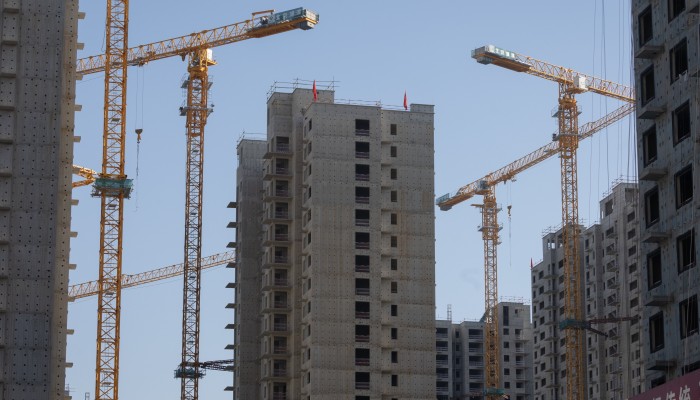
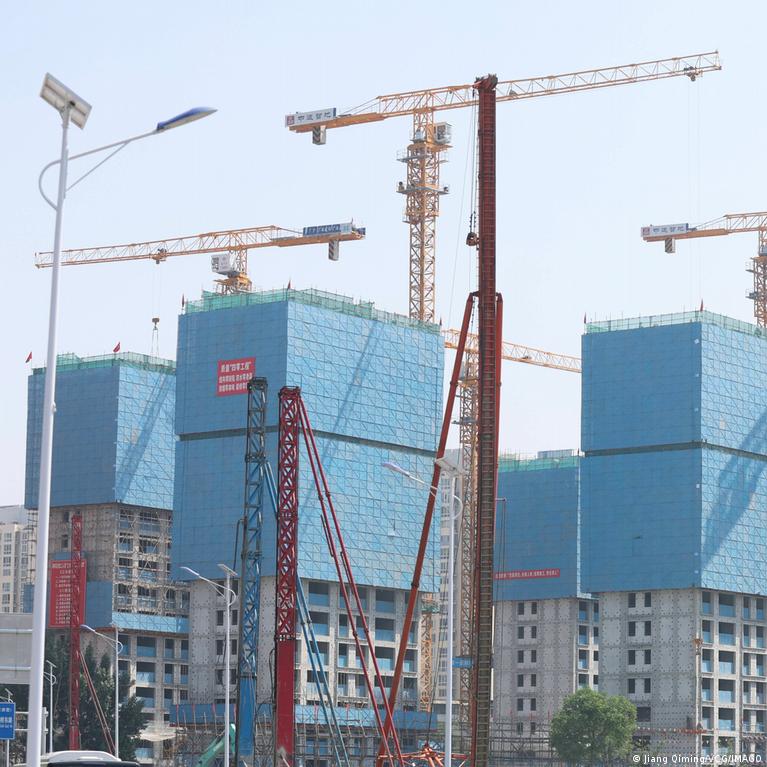
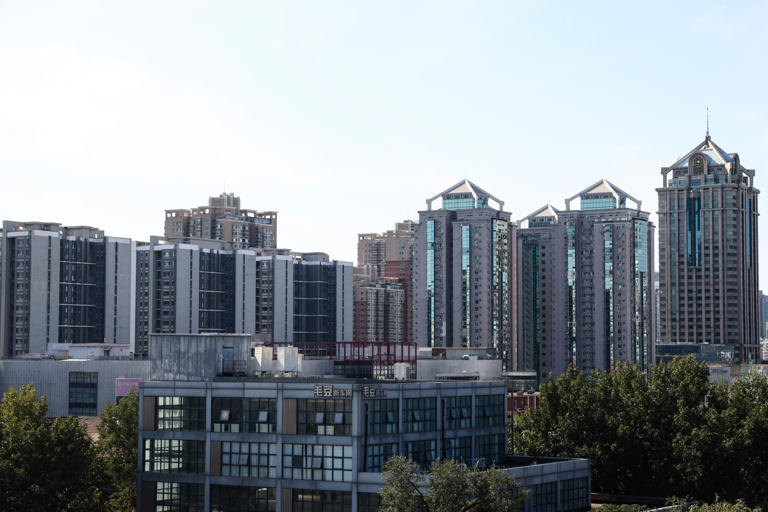
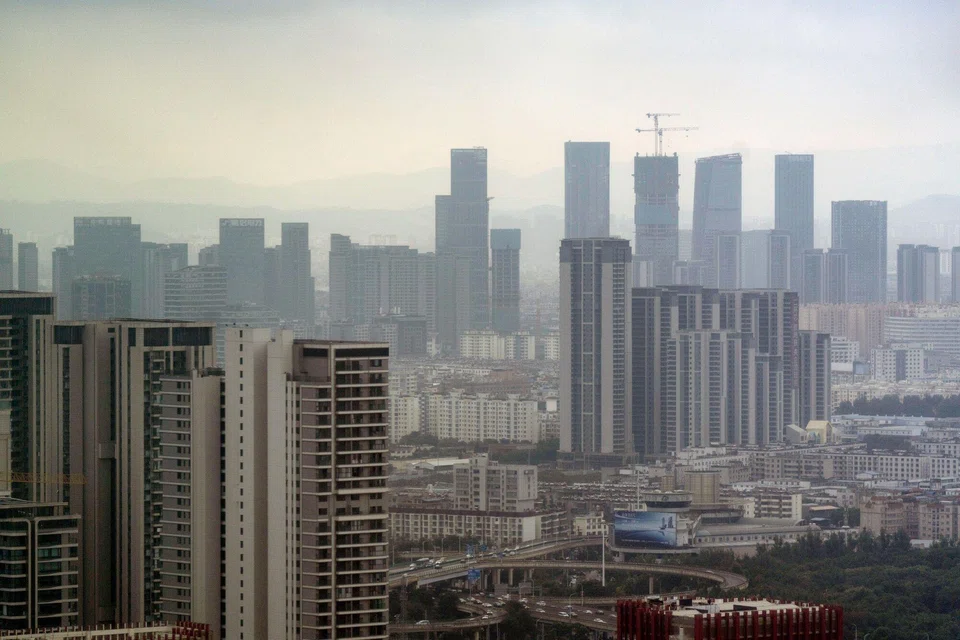
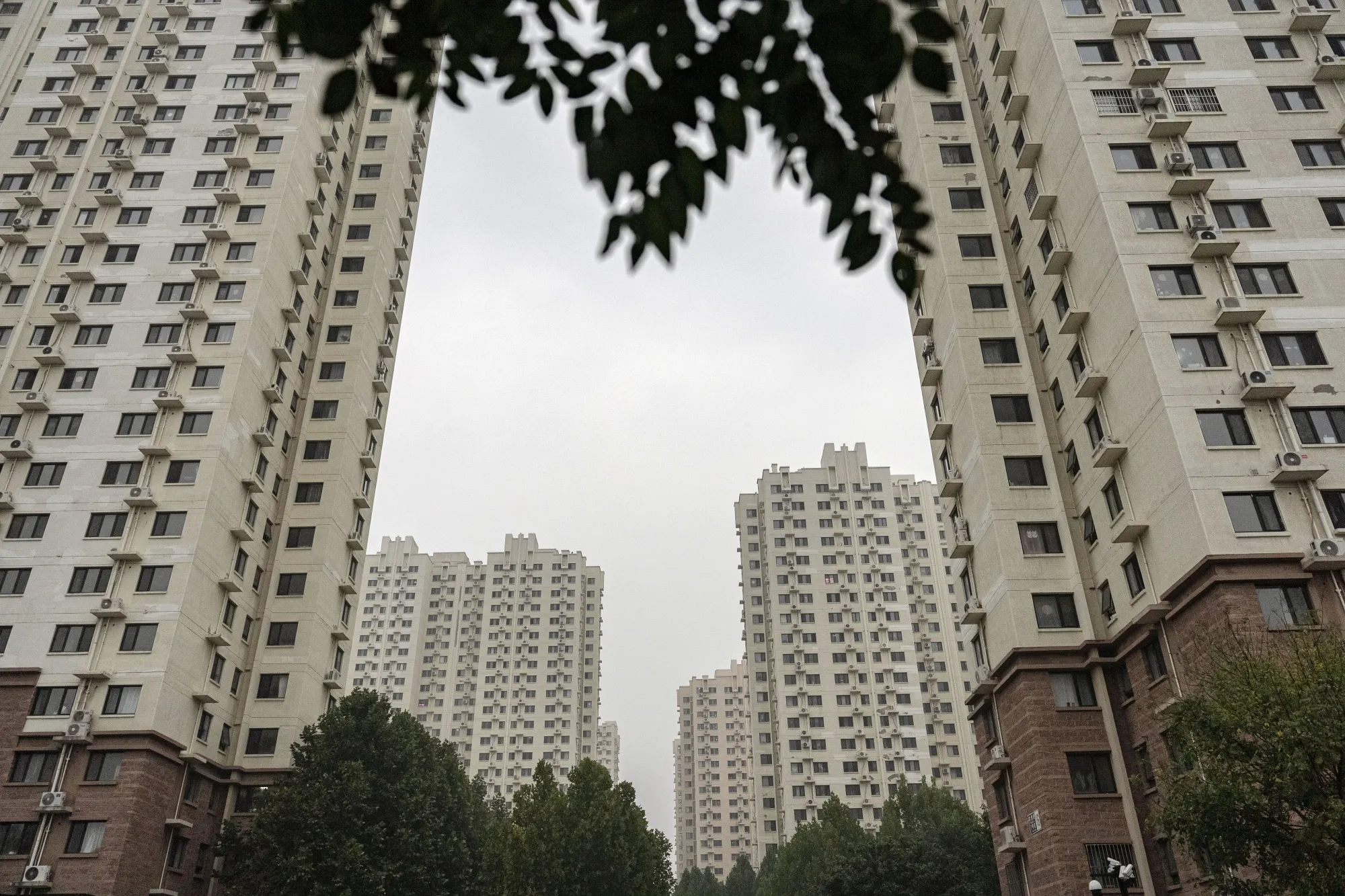
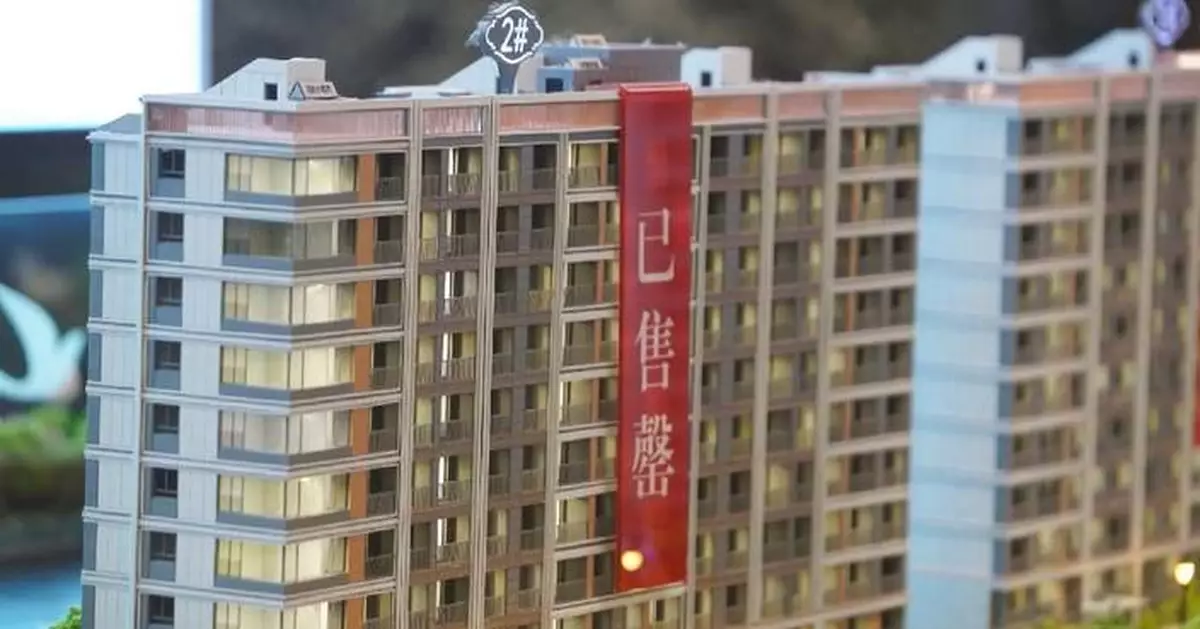
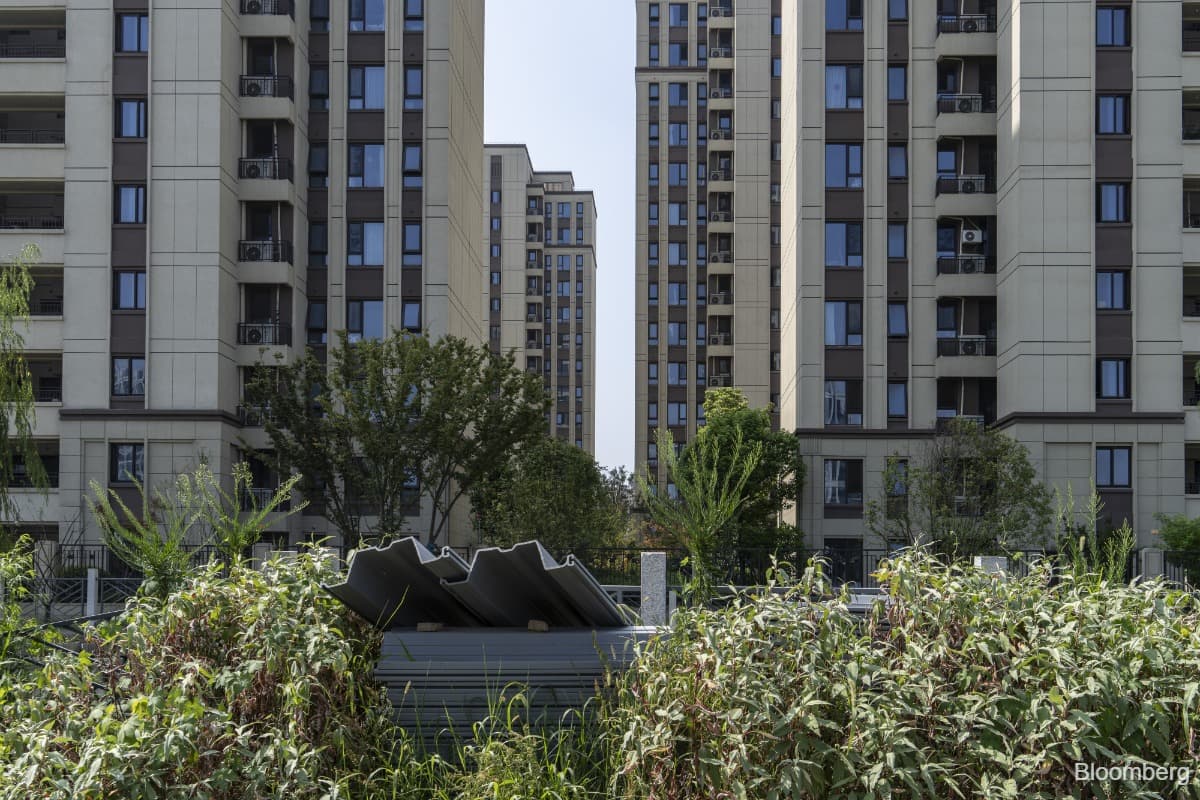
China's property market is undergoing a deliberate, strategic deconstruction that represents far more than a typical market correction. With home prices plummeting up to 50% in some markets and over 18 trillion yuan in household wealth evaporated, Beijing is executing a calculated economic reset that prioritizes long-term structural transformation over short-term stability.
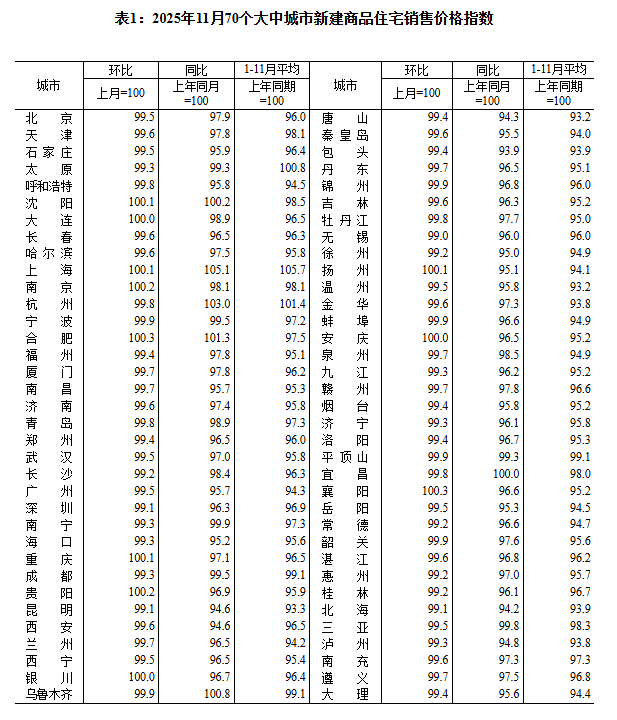
The systematic price deflation is not an accident, but a carefully managed policy intervention. In November, new-home prices in 70 major cities dropped 0.39%, with resale values experiencing an even steeper 0.66% decline. These aren't random fluctuations, but a deliberate government strategy to restructure a sector that has been a double-edged sword—previously driving GDP growth but increasingly creating systemic financial risks.
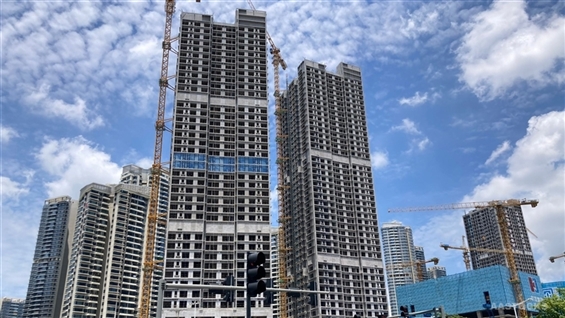
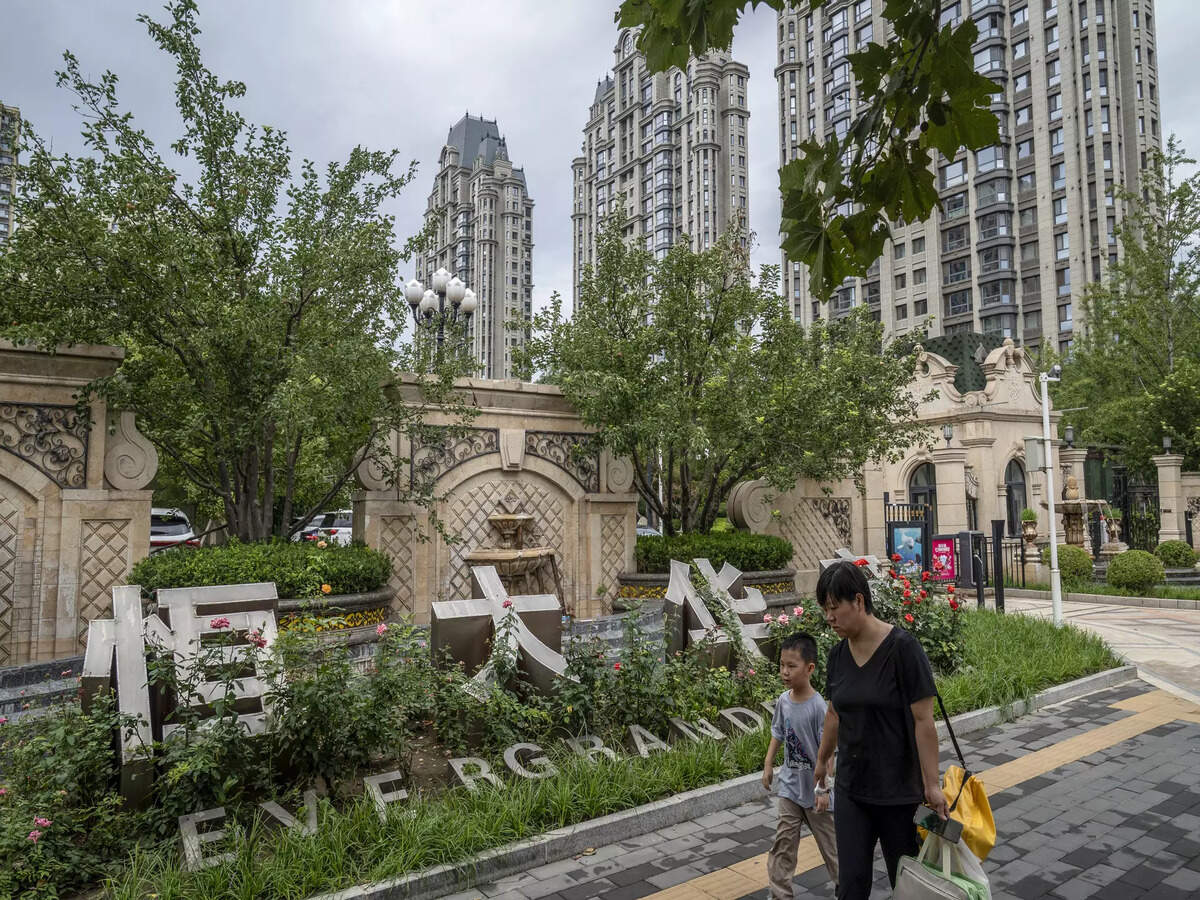
Major property developers like Evergrande and Country Garden's defaults signal a profound market recalibration. With over 70 developers either bankrupt or requiring state bailouts, Beijing is surgically dismantling the speculative real estate model that dominated the past two decades. The government's approach reveals a nuanced strategy: allowing gradual price deflation while cautiously considering limited interventions like mortgage interest subsidies and transaction fee reductions.
The ripple effects extend far beyond domestic markets. Global commodity exporters like Australia, Brazil, and Chile—who relied heavily on Chinese construction demand—are experiencing significant economic disruptions. Household consumption is weakening, reducing imports of luxury brands and automobiles, which compounds the economic complexity.
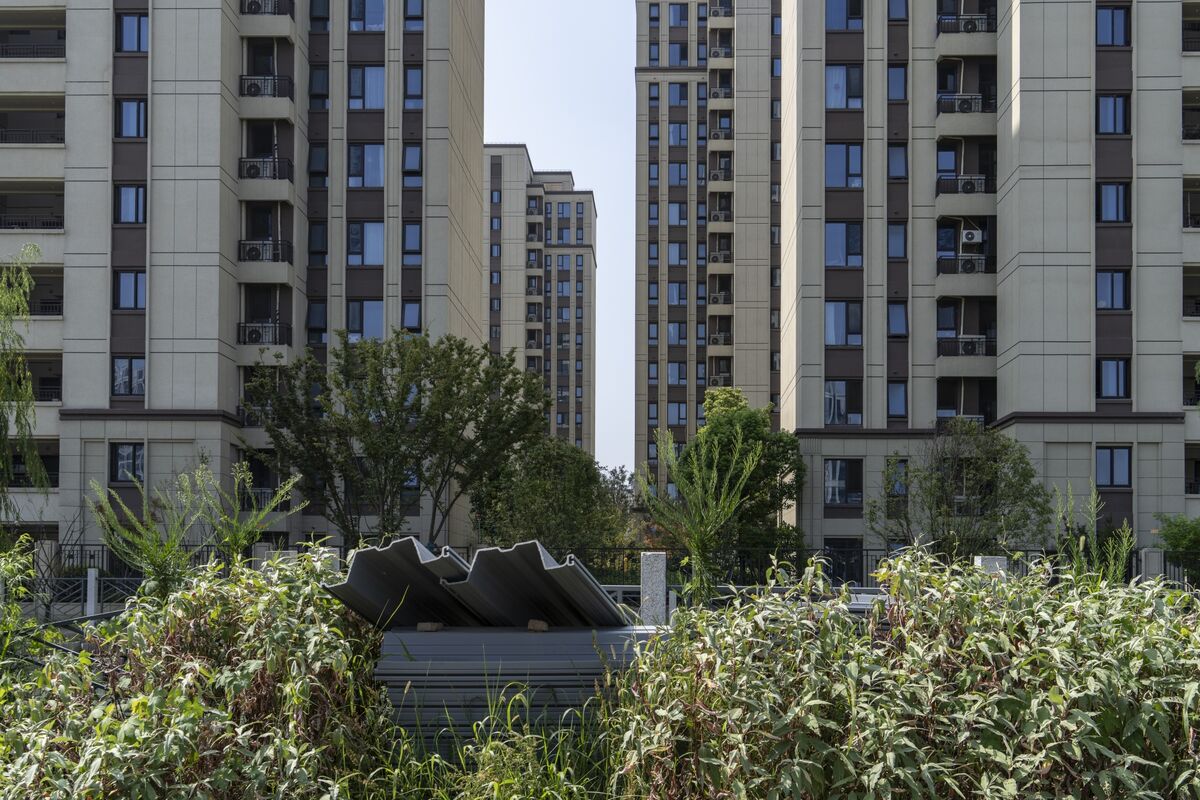
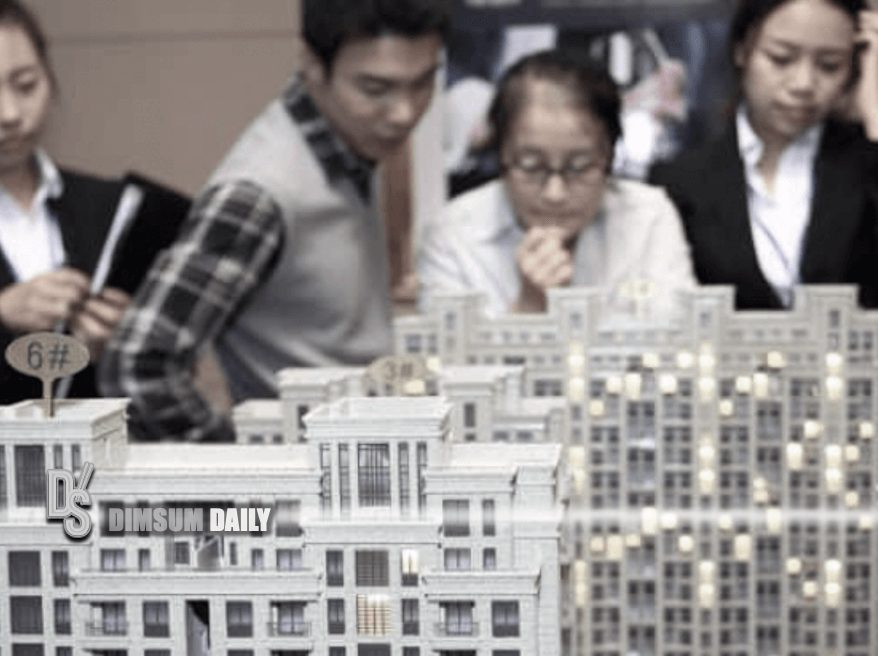
Most critically, millions of Chinese homeowners are now trapped in negative equity, sparking public anger and highlighting the profound economic disruption. Experts predict this downturn could persist for a decade, with some forecasting recovery not occurring until the late 2020s. This suggests Beijing is willing to endure significant short-term pain to achieve a more sustainable, less speculative real estate ecosystem.
Questions 3
Why is China allowing such a dramatic property market decline?
Beijing is prioritizing long-term market restructuring over short-term economic stability. By systematically deflating the property market, they aim to reduce speculative investment, decrease financial system risks, and create a more sustainable real estate ecosystem that doesn't rely on continuous price appreciation.
What are the global implications of China's property market crash?
The crash is impacting global commodity exporters like Australia, Brazil, and Chile, who relied on Chinese construction demand. Additionally, weakening household consumption is reducing imports of luxury brands and automobiles, creating a broader economic ripple effect beyond China's borders.