





Banking AI Automation Reshapes Payment Infrastructure | Cross-Border Seller Fintech Risk
- 7,800+ job cuts at Standard Chartered by 2028 signal accelerated AI adoption in financial services affecting trade finance, payment processing, and banking accessibility for e-commerce sellers in Asia-Pacific and global markets

















Overview
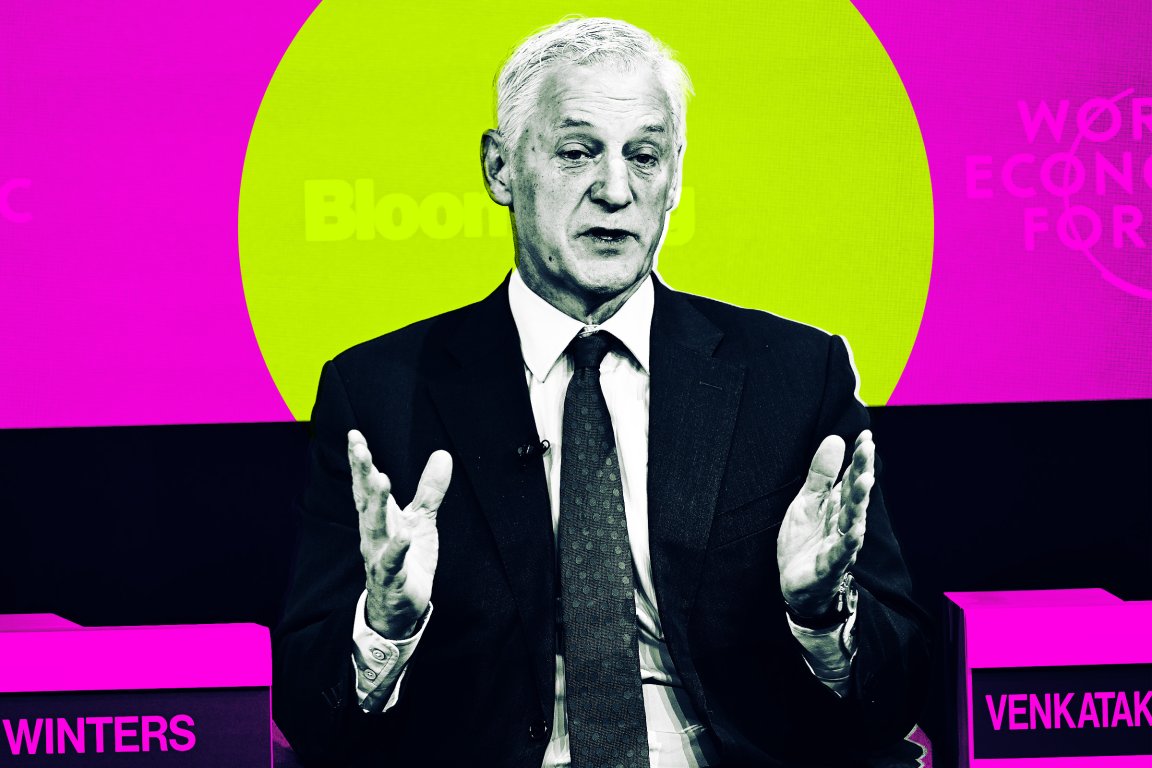
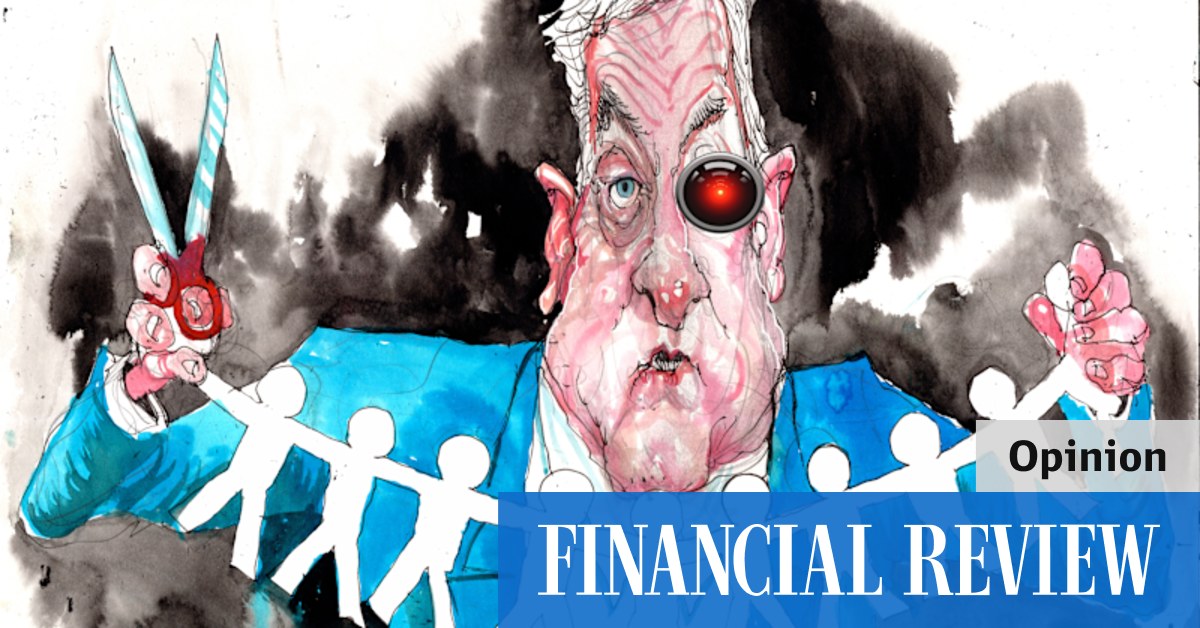
Banking sector AI transformation is reshaping financial infrastructure critical to cross-border e-commerce operations. Standard Chartered announced plans to eliminate 7,800 jobs by 2028 through AI-driven automation, with CEO Bill Winters initially describing affected workers as "lower-value human capital" before walking back the controversial comment. This incident triggered regulatory scrutiny from Singapore's Monetary Authority (MAS) and Hong Kong Monetary Authority (HKMA), signaling governments' intent to monitor how financial institutions implement AI workforce restructuring. The pattern extends across major lenders: HSBC CEO Georges Elhedery acknowledged AI will "destroy and create certain jobs," while JPMorgan CEO Jamie Dimon announced plans to hire more AI specialists while reducing traditional banker positions.
For cross-border e-commerce sellers, this development creates both immediate operational risks and strategic opportunities. As major financial institutions reduce headcount and shift toward AI-driven operations, sellers relying on banking services, trade finance, and payment processing may experience service disruptions, longer processing times, or reduced personalized support. Standard Chartered operates critical trade finance infrastructure for Asia-Pacific sellers, particularly those shipping from Hong Kong, Singapore, and Southeast Asia. The regulatory response demonstrates governments' intent to monitor technology implementation's employment impact, potentially influencing future fintech regulations affecting e-commerce payment infrastructure. Sellers should anticipate: (1) potential service delays during banking system transitions to AI operations, (2) reduced availability of relationship managers for trade finance support, (3) increased automation in payment processing that may require sellers to adapt compliance procedures, and (4) possible regulatory changes affecting cross-border payment flows.
AI automation opportunities for sellers emerge from banking sector transformation. As financial institutions automate routine tasks and customer service functions, sellers can leverage AI-powered fintech alternatives for payment processing, invoice automation, and trade finance. The regulatory scrutiny also creates competitive advantages for sellers who adopt AI-driven financial management tools early—automating invoice reconciliation, payment tracking, and compliance documentation can reduce operational friction as banking services become more automated. Sellers should immediately audit their banking dependencies, identify alternative payment processors (Wise, Stripe, PayPal for cross-border), and implement AI-powered accounting software (Xero, QuickBooks) to reduce reliance on bank-provided services. The 4-year transition timeline (2028 deadline) provides a window to migrate critical financial operations to AI-enabled platforms before banking service disruptions accelerate.
Questions 7
How will Standard Chartered's 7,800 job cuts affect cross-border e-commerce sellers?
Standard Chartered's AI-driven workforce reduction by 2028 will likely reduce personalized banking support for trade finance, potentially slowing letter-of-credit processing and payment confirmations that many Asia-Pacific sellers depend on. The bank's shift toward automated operations may increase processing times during the transition period and reduce availability of relationship managers who handle complex cross-border transactions. Sellers should diversify banking relationships now and consider alternative trade finance providers like DBS, OCBC, or fintech platforms like Wise and Stripe to mitigate service disruptions. The regulatory scrutiny from MAS and HKMA suggests governments will monitor service quality, which may protect sellers from severe degradation, but operational friction is likely during the 4-year transition.
What immediate actions should sellers take regarding banking service changes?
Sellers should immediately: (1) audit current banking dependencies and identify which services are critical (trade finance, payment processing, currency conversion), (2) establish backup payment processors (Wise, Stripe, PayPal) for cross-border transactions, (3) implement AI-powered accounting software (Xero, QuickBooks) to automate invoice reconciliation and reduce reliance on bank-provided services, and (4) document all banking relationships and service SLAs to track any degradation. For sellers with significant trade finance needs, contact alternative banks or fintech providers to establish credit lines before Standard Chartered's transition accelerates. The 4-year timeline provides a window to migrate operations, but early action reduces risk of service disruptions during peak selling seasons.