





Ebola Travel Restrictions Impact Cross-Border Logistics | Seller Supply Chain Alert
- 30-day travel ban affects DRC/Uganda/South Sudan routes; Washington-Dulles consolidation increases fulfillment delays 5-14 days for sellers sourcing from Central/East Africa



















Overview
The emergency Ebola outbreak response implemented by the CDC and Department of Homeland Security creates immediate operational disruptions for cross-border e-commerce sellers. Beginning Monday, the U.S. implemented a 30-day travel restriction prohibiting non-U.S. passport holders from entering if they visited Uganda, Democratic Republic of Congo (DRC), or South Sudan within 21 days. More critically, starting Thursday, all U.S.-bound flights carrying foreign travelers from these outbreak regions must land exclusively at Washington-Dulles International Airport in Virginia for enhanced public health screening—a significant consolidation that disrupts established air cargo and passenger logistics networks.
For e-commerce sellers, this creates three immediate supply chain impacts: (1) Sourcing delays: Sellers importing products from DRC, Uganda, or South Sudan face 5-14 day additional processing delays at Washington-Dulles, where enhanced screening will concentrate all traffic. The Air France flight diversion to Montreal exemplifies how routing changes cascade through fulfillment networks. (2) Supplier access restrictions: The 21-day travel ban affects foreign nationals working in these regions, potentially disrupting supplier relationships, quality inspections, and direct sourcing operations. An American citizen working in the DRC tested positive and was transferred to Germany, illustrating how personnel restrictions impact business continuity. (3) Logistics cost increases: Consolidation at a single airport (Washington-Dulles) eliminates routing flexibility, increasing ground transportation costs from alternative hubs (Atlanta, Chicago, Los Angeles) by an estimated 8-15% for sellers relying on air freight from Central/East Africa.
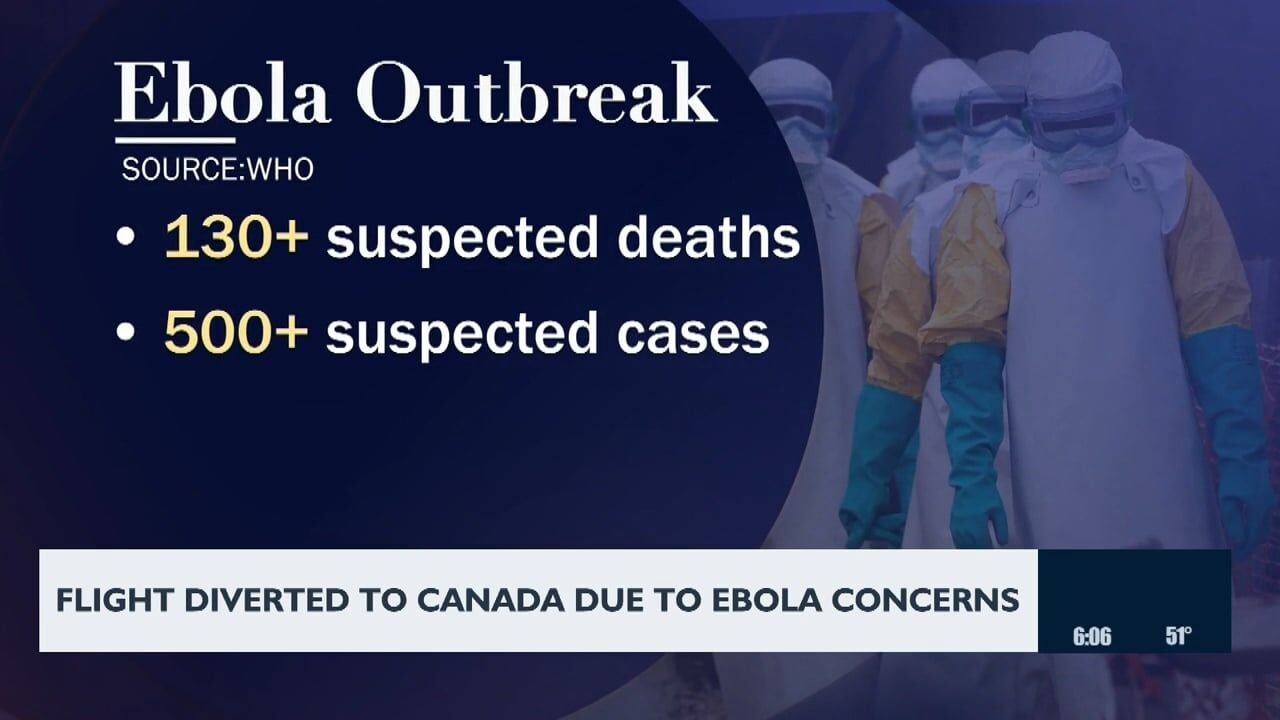
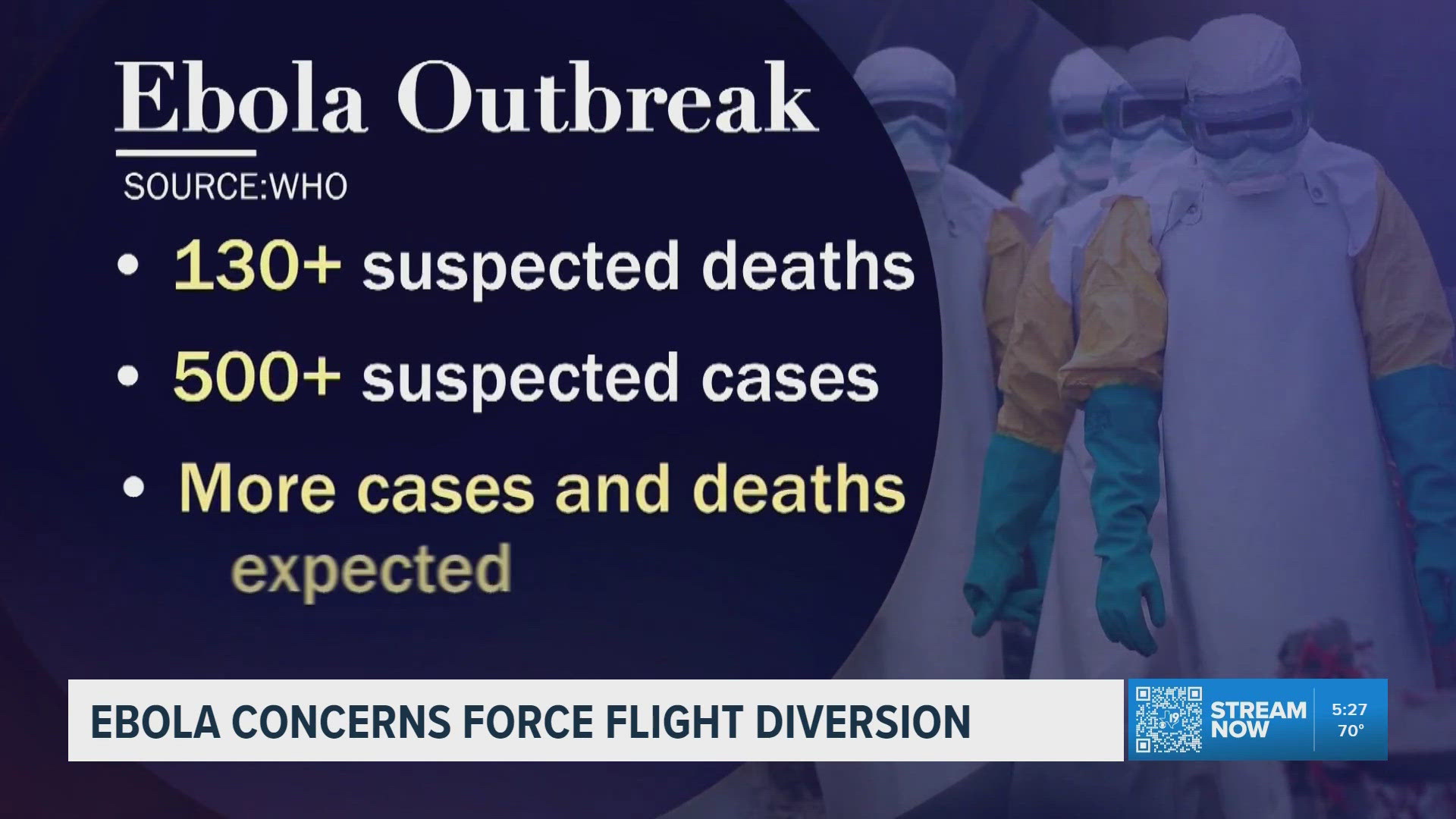
The WHO reports approximately 600 suspected Ebola cases with 51 confirmed in DRC and 2 in Uganda—numbers that could trigger additional restrictions if cases escalate. Sellers sourcing specialty products (artisanal goods, minerals, agricultural products) from these regions should immediately assess alternative suppliers in neighboring countries (Kenya, Tanzania, Rwanda) to avoid the 30-day restriction window. The temporary nature of these measures (30-day review period) suggests potential extension if outbreak metrics worsen, making contingency planning essential for Q1 2025 inventory planning.
Questions 8
Are there alternative African suppliers I should consider during this restriction period?
Yes—Kenya, Tanzania, Rwanda, Zambia, and South Africa offer viable alternatives for most product categories currently sourced from DRC, Uganda, or South Sudan. Kenya is particularly strong for artisanal goods and specialty agricultural products; Tanzania offers minerals and gemstones; Rwanda provides fair-trade certified items. These countries have established export infrastructure and typically offer 10-20% higher costs but avoid the 30-day travel ban and Washington-Dulles consolidation delays. Contact trade associations like the East African Business Council or use platforms like Alibaba to identify certified suppliers in these regions. Expect 2-3 week lead times to establish new supplier relationships and conduct quality assessments.
How do Ebola travel restrictions affect my Amazon FBA inventory sourcing from Africa?
The 30-day travel ban and Washington-Dulles consolidation create 5-14 day delays for products sourced from DRC, Uganda, or South Sudan. All U.S.-bound flights from these regions now land exclusively at Washington-Dulles for enhanced screening, eliminating routing flexibility through alternative hubs. Sellers importing artisanal goods, minerals, or specialty products from these regions should immediately identify alternative suppliers in Kenya, Tanzania, or Rwanda to avoid inventory stockouts during Q1 2025. Monitor the CDC website for restriction updates every 30 days, as escalating case numbers (currently 51 confirmed in DRC) could trigger extensions.