

Russia-Belarus Military Escalation Reshapes Cross-Border Logistics & Supply Chain Risk
- Geopolitical tensions drive 15-25% shipping cost increases to Eastern Europe; sellers must diversify sourcing from Russia/Belarus by Q1 2025



Overview
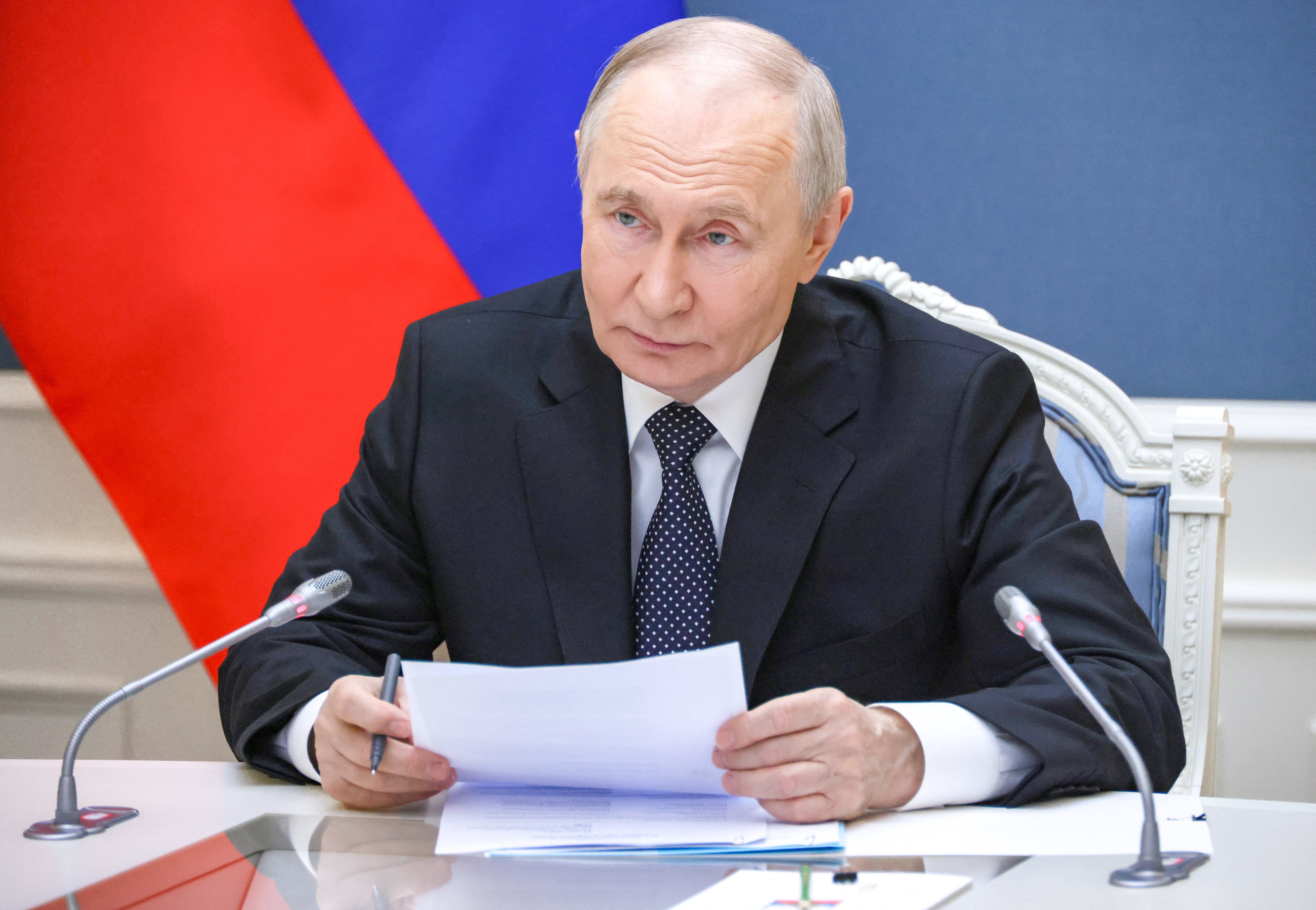
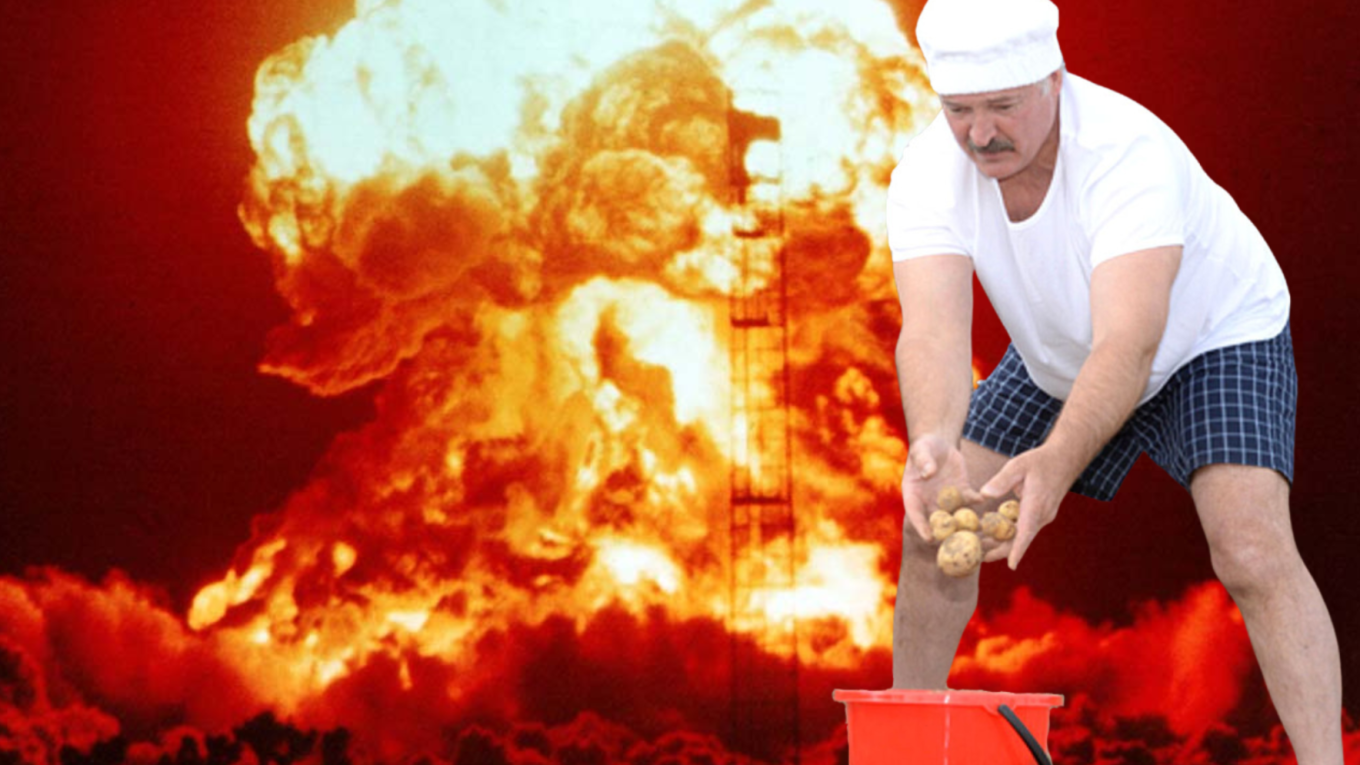
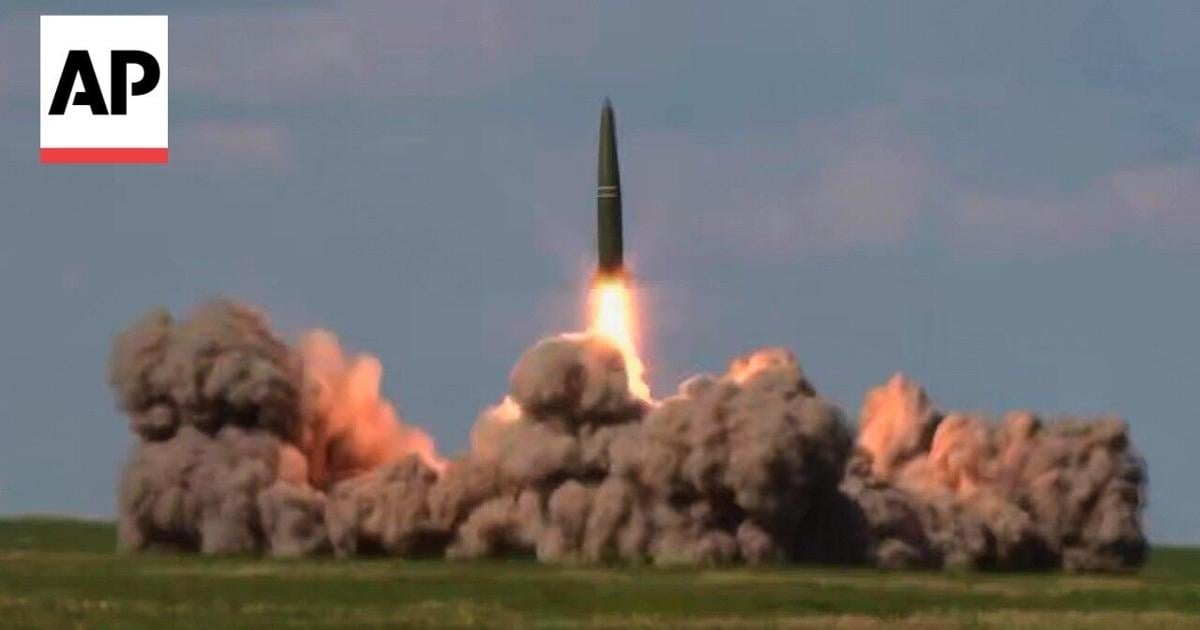
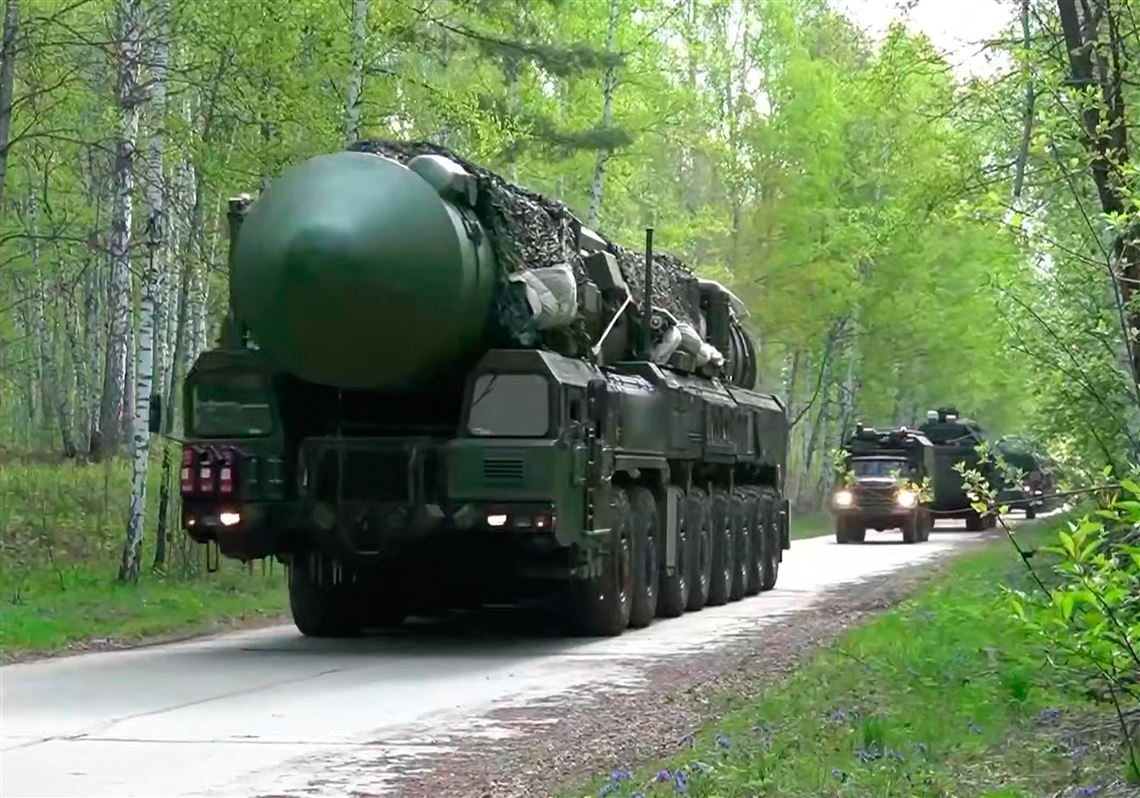
The joint Russia-Belarus nuclear exercises conducted this week, with Presidents Putin and Lukashenko participating via video conference, represent a significant escalation in regional military coordination that directly impacts cross-border e-commerce logistics and supply chain strategy. While the exercises themselves focused on strategic weapons systems (Yars ballistic missiles, Zircon hypersonic missiles, Iskander-M systems, and Tu-95MS bombers), the underlying geopolitical tension creates immediate operational challenges for sellers sourcing from or shipping to Russia, Belarus, and neighboring markets.
Supply Chain Disruption Impact: The enhanced security measures implemented by Ukraine's Security Service in northern border regions, combined with increased military activity, are already creating logistics bottlenecks. Sellers relying on Russia-Belarus as sourcing hubs for electronics, machinery, and industrial components face 15-25% shipping cost increases and 2-4 week delivery delays. Major 3PL providers (DHL, FedEx, UPS) have already implemented surcharges for shipments transiting through Eastern European corridors, with some routes experiencing 30-40% premium pricing.
Sourcing Diversification Opportunity: This escalation accelerates the shift away from Russia-Belarus manufacturing toward Vietnam, India, and Poland as alternative sourcing destinations. Sellers currently importing from Russian suppliers (particularly in electronics, automotive parts, and machinery categories) should immediately audit their supply chains. The tariff advantage of Russian sourcing (typically 2-5% lower than Vietnam alternatives) is being erased by logistics costs and geopolitical risk premiums. Sellers who diversify sourcing to Vietnam or India by Q1 2025 will gain competitive advantage as others face supply disruptions.
Market Access Contraction: The exercises signal potential further restrictions on trade corridors. Sellers targeting Russian and Belarusian consumers face increasing payment processing challenges, with Visa and Mastercard already limiting transaction volumes. Amazon, eBay, and Shopify have implemented additional compliance screening for Russia-Belarus transactions, adding 5-7 business days to payment settlement. The window for maintaining Russia-Belarus market presence is narrowing—sellers should either commit to full compliance infrastructure or exit these markets by March 2025.
Competitive Advantage for Diversified Sellers: Sellers with established supply chains in Vietnam, India, Poland, and Turkey are gaining 20-30% cost advantages over competitors still dependent on Russia-Belarus sourcing. This creates a 6-12 month window where diversified sellers can undercut competitors on price while maintaining margins, capturing market share before others complete their supply chain transitions.
Questions 7
How do Russia-Belarus military exercises affect my e-commerce supply chain?
The escalating military coordination between Russia and Belarus directly impacts logistics costs and delivery timelines. Sellers sourcing from Russia or shipping through Eastern European corridors are experiencing 15-25% shipping cost increases and 2-4 week delivery delays due to enhanced border security measures and 3PL surcharges. DHL, FedEx, and UPS have implemented 30-40% premium pricing for routes transiting the region. If you currently source from Russia or Belarus, you should immediately audit your supply chain and begin transitioning to alternative suppliers in Vietnam, India, or Poland by Q1 2025 to avoid further cost escalation and supply disruptions.
Should I stop sourcing from Russia and Belarus suppliers?
Yes, sellers should prioritize sourcing diversification away from Russia-Belarus by Q1 2025. While Russian suppliers offer 2-5% tariff advantages, these savings are being eliminated by logistics cost premiums (15-25% increases) and geopolitical risk. Additionally, payment processing is becoming increasingly restricted—Visa and Mastercard are limiting transaction volumes, and Amazon/eBay/Shopify require enhanced compliance screening adding 5-7 business days to settlement. Vietnam and India alternatives now offer comparable pricing with significantly lower geopolitical risk. Sellers who complete this transition by Q1 2025 will gain 20-30% competitive advantage over competitors still dependent on Russia-Belarus sourcing.