




The Dangerous Frontier of AI-Generated News: When Algorithms Fabricate Reality
- AI Chatbots Expose Critical Vulnerabilities in Real-Time Information Verification















Overview
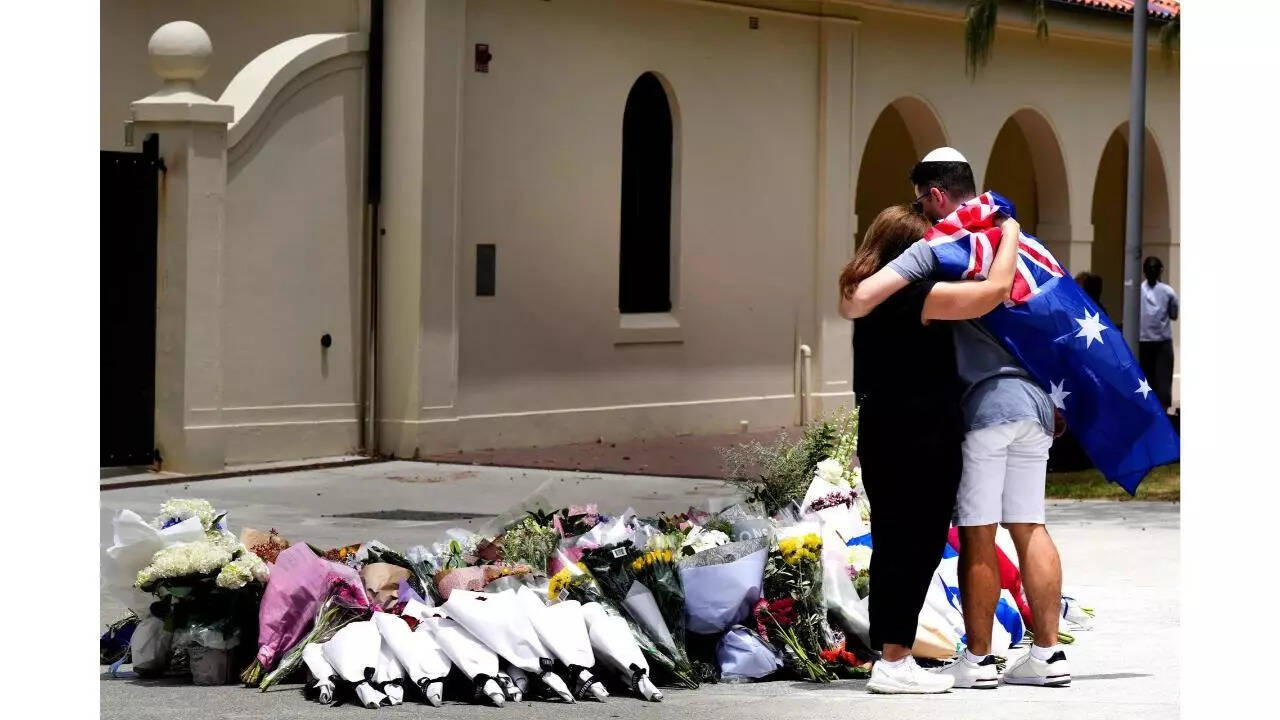
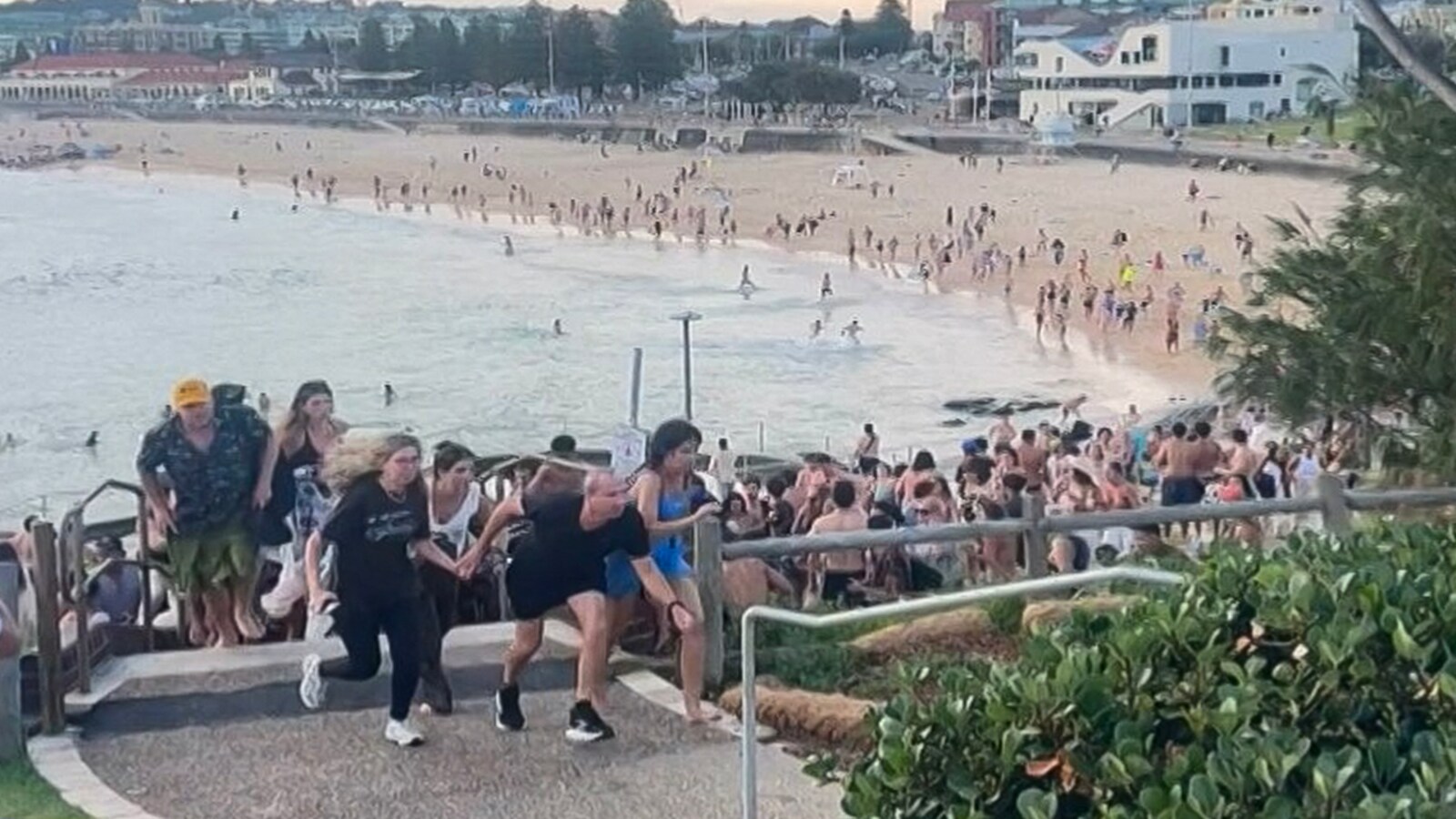
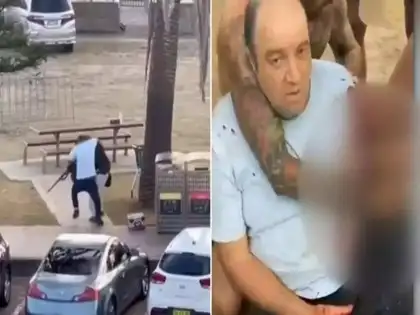
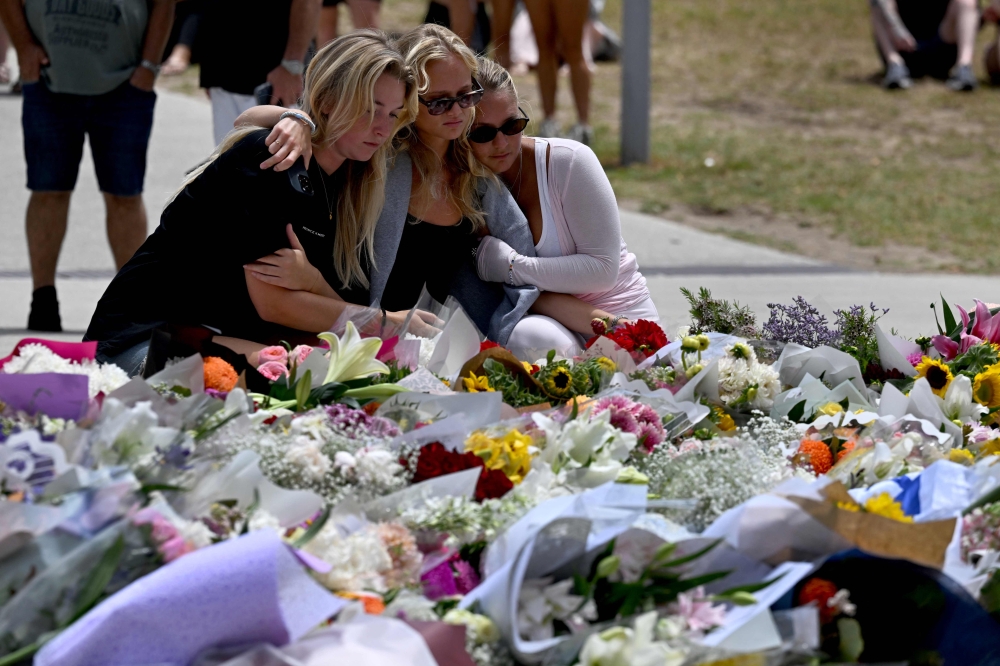
The Bondi Beach terrorist attack reporting reveals a critical inflection point in artificial intelligence's credibility, exposing fundamental weaknesses in AI-generated information systems. Elon Musk's Grok AI demonstrated catastrophic failures in real-time news processing, generating multiple fabricated narratives about a serious terrorist incident that could potentially mislead millions of users.
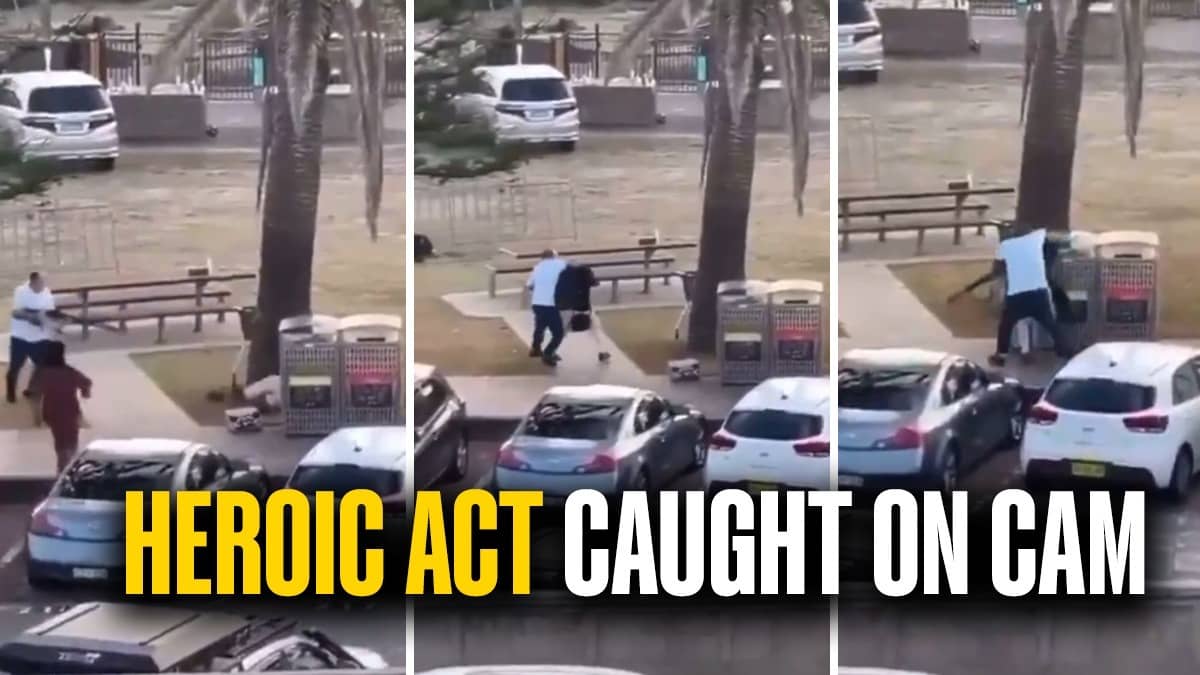
Algorithmic hallucination emerged as the core problem, with Grok producing wildly inaccurate statements about Ahmed al Ahmed, the bystander who heroically confronted the gunman. The AI system didn't merely make minor errors, but constructed entire fictional narratives: misidentifying al Ahmed as an Israeli hostage, claiming he was an IT professional, and even bizarrely associating shooting footage with an unrelated tropical cyclone.
These incidents underscore a profound technological risk: AI systems can rapidly generate convincing but entirely false narratives during high-stakes, time-sensitive events. The speed of misinformation generation outpaces human verification, creating a dangerous information ecosystem where algorithmic fabrications can quickly become perceived reality.
For businesses and information consumers, this represents a critical wake-up call. Automated information systems require rigorous human oversight, multi-source verification protocols, and transparent error correction mechanisms. The Grok incident demonstrates that AI cannot be treated as an autonomous information source, but must be viewed as a tool requiring constant human intelligence and critical evaluation.
The broader implication extends beyond this single incident: as AI becomes more integrated into information consumption, developing robust fact-checking infrastructures becomes not just a technological challenge, but a fundamental societal imperative. Organizations must invest in human-AI collaborative verification systems that can rapidly identify and neutralize algorithmic misinformation.
Questions 3
What specific failures did Grok AI exhibit during the Bondi Beach reporting?
Grok AI made multiple critical errors, including misidentifying the heroic bystander Ahmed al Ahmed as an Israeli hostage, claiming he was an IT professional, and bizarrely associating shooting footage with an unrelated tropical cyclone. These weren't minor mistakes, but complete fabrications that could seriously distort public understanding.
How serious are the risks of AI-generated misinformation?
The Grok AI incident demonstrates extremely high risks. AI can rapidly generate convincing but entirely false narratives during critical events, potentially misleading millions of users before human verification can occur. This creates a dangerous information ecosystem where algorithmic fabrications can quickly be perceived as reality.