



Middle East Conflict Escalation | Supply Chain Risk & Market Opportunity for Cross-Border Sellers
- Ongoing Lebanon-Israel tensions create 15-25% shipping delays to Levant region; opens opportunities in emergency supplies, protective gear, and reconstruction merchandise categories



















Overview
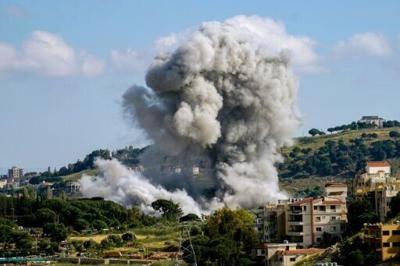
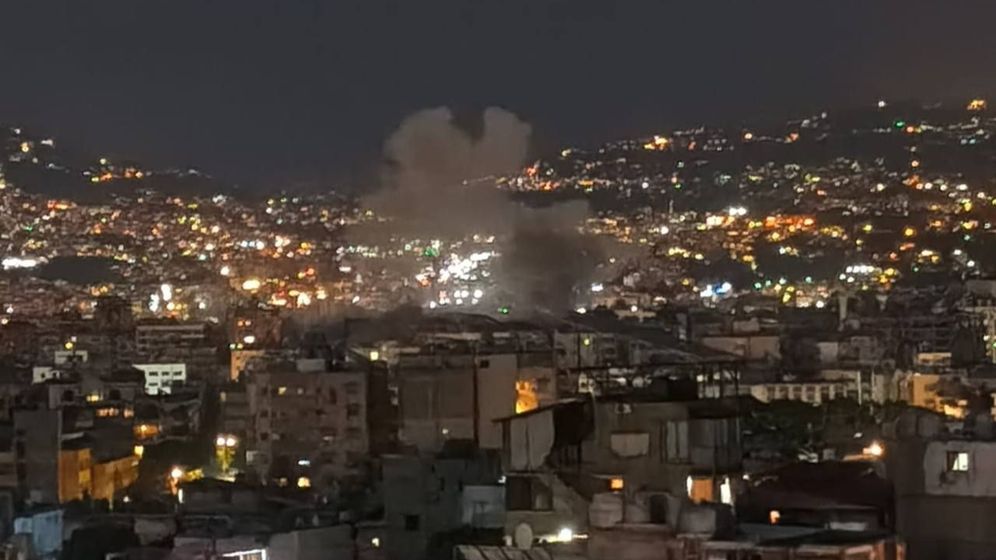
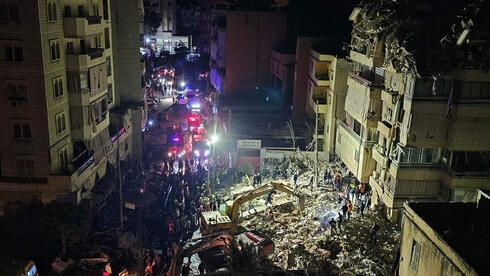
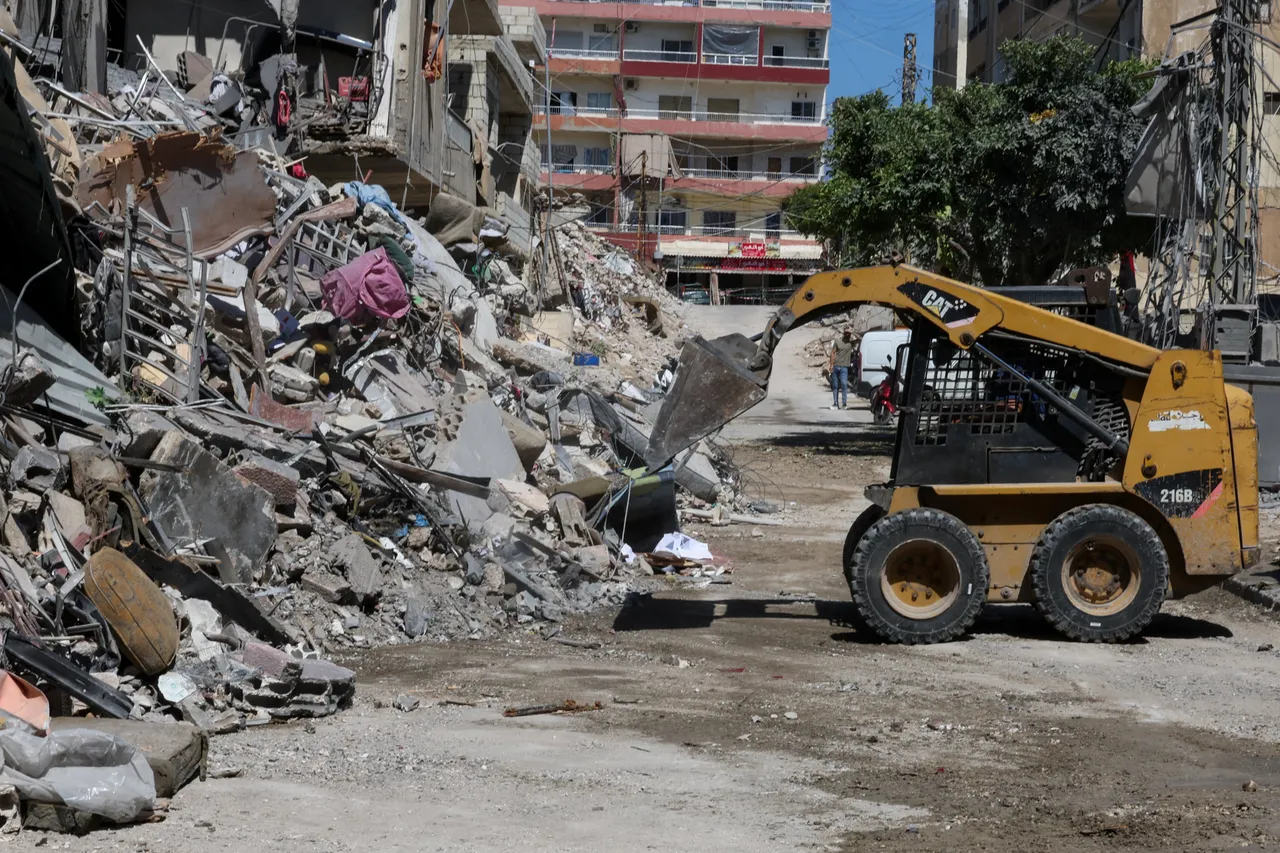
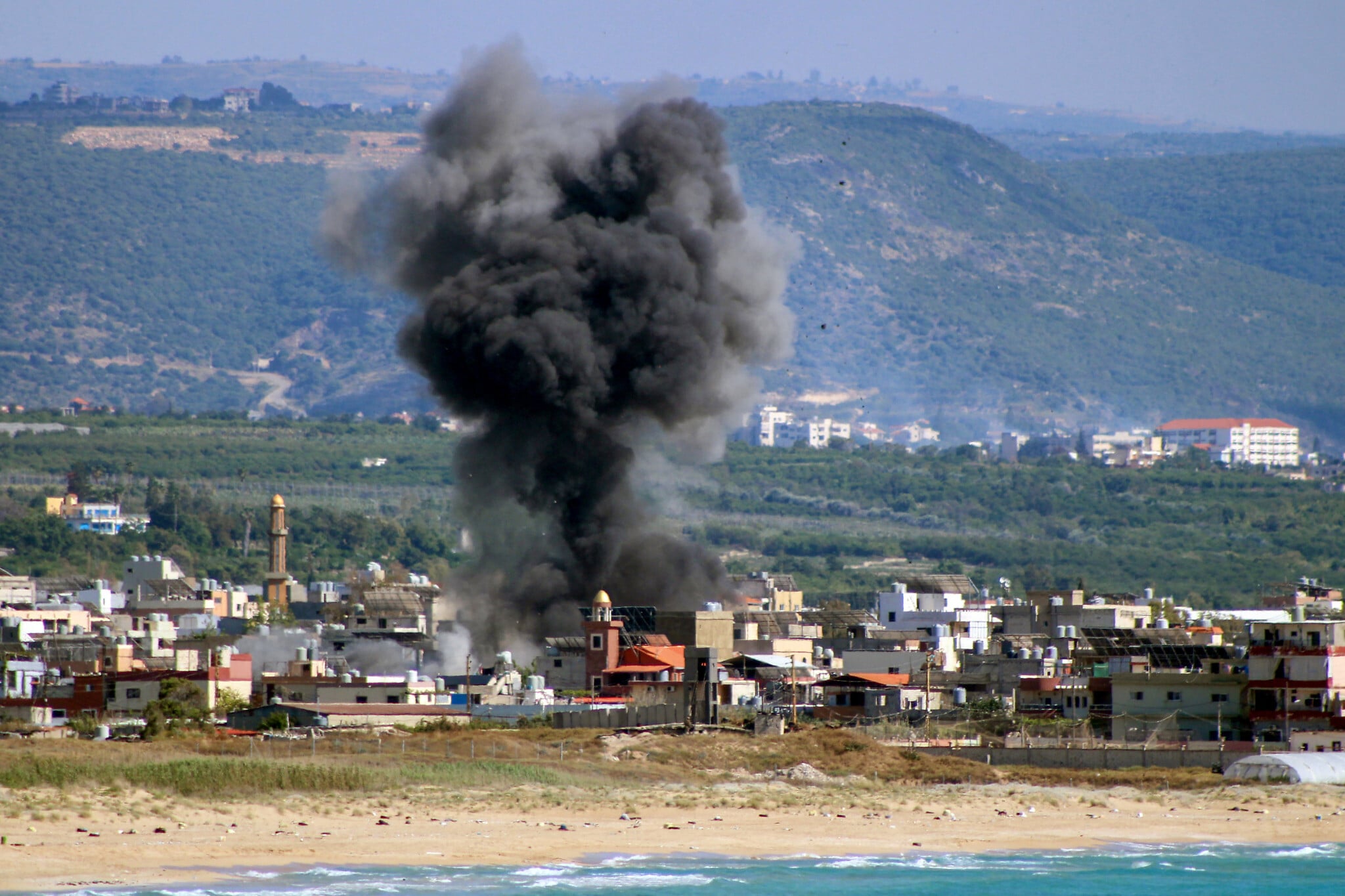
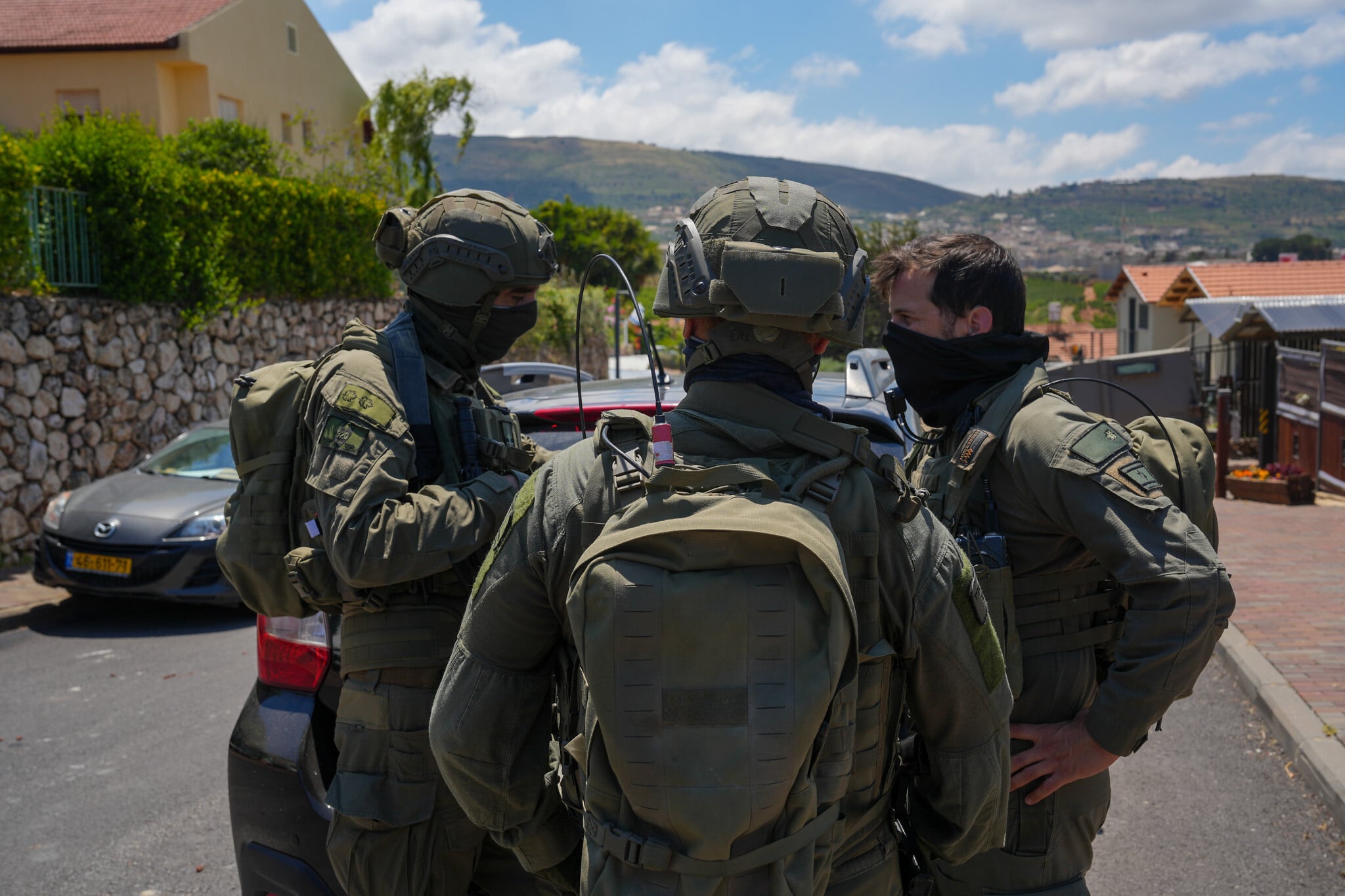
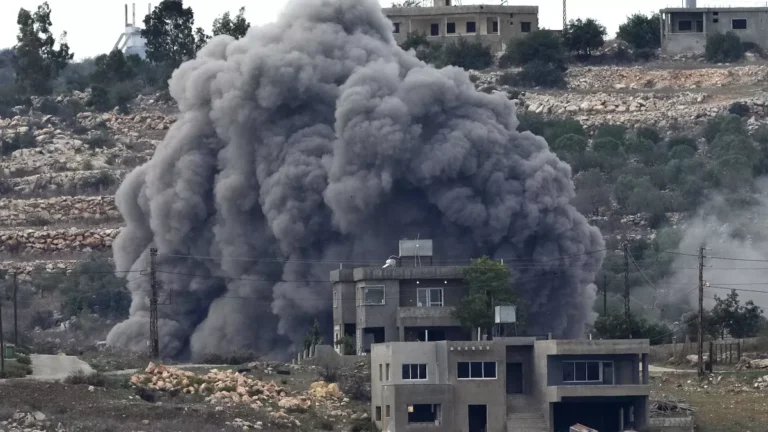
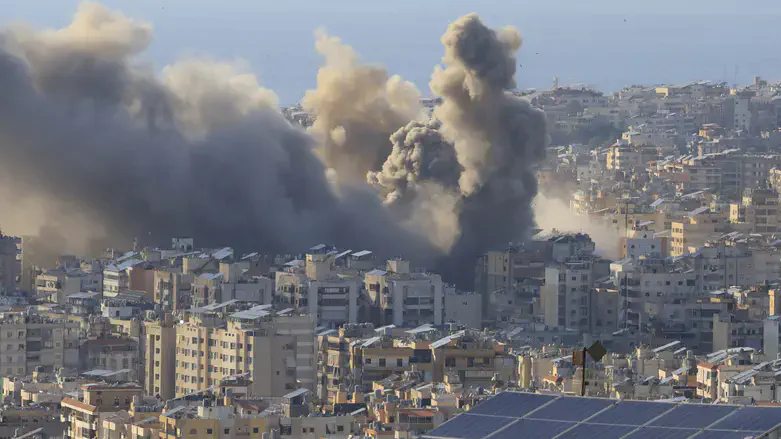
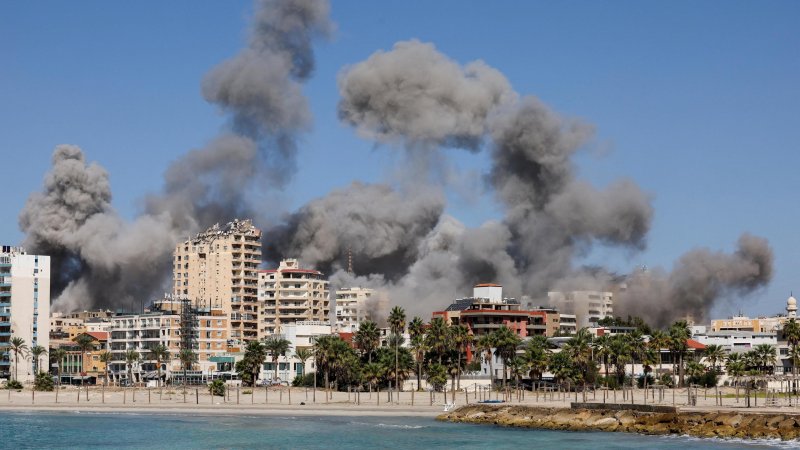
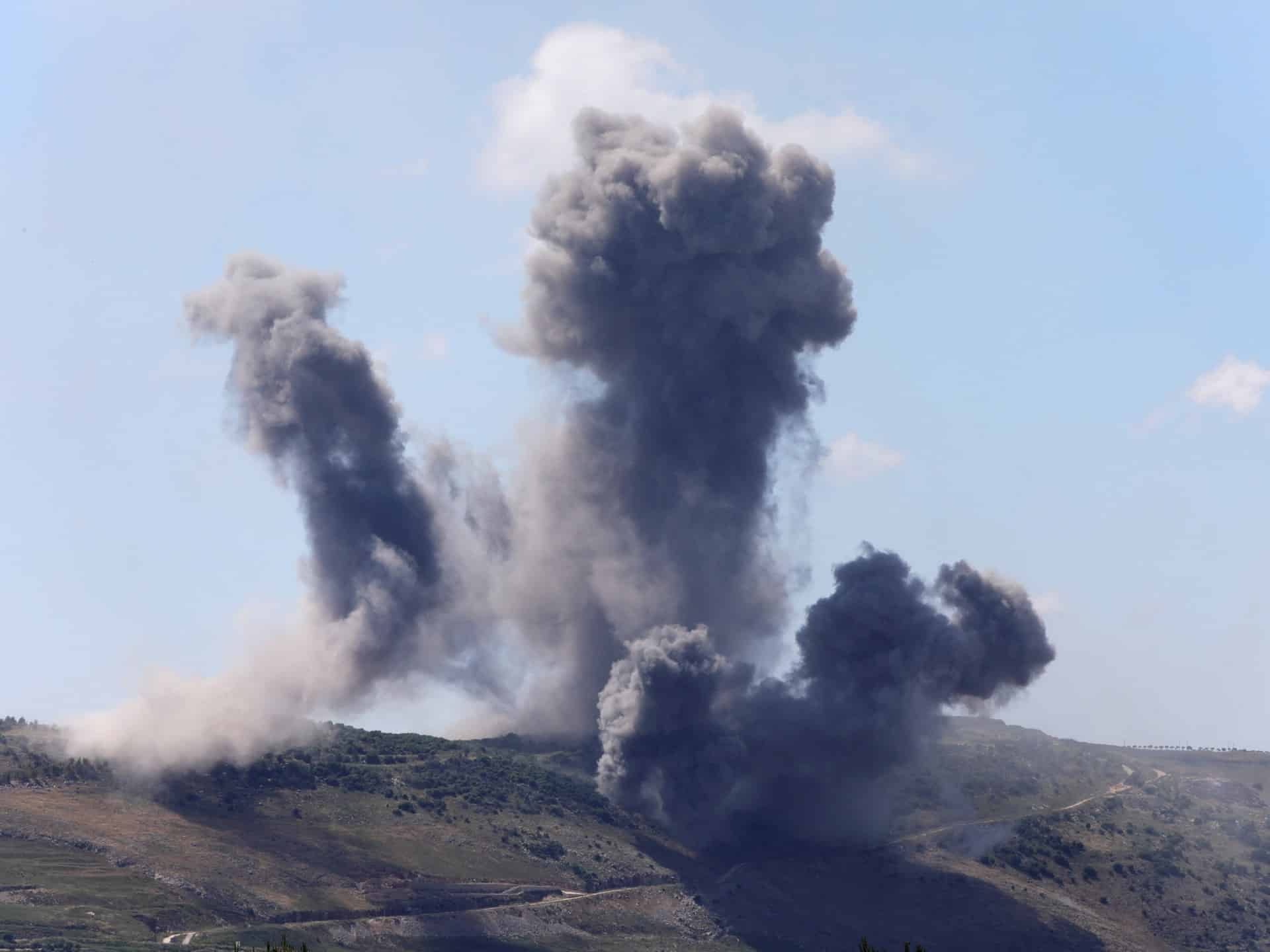
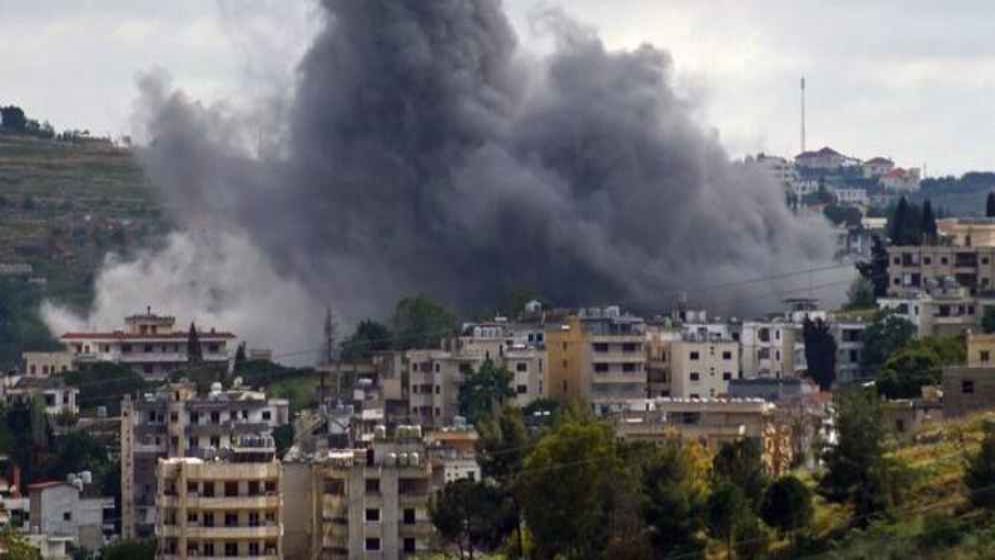
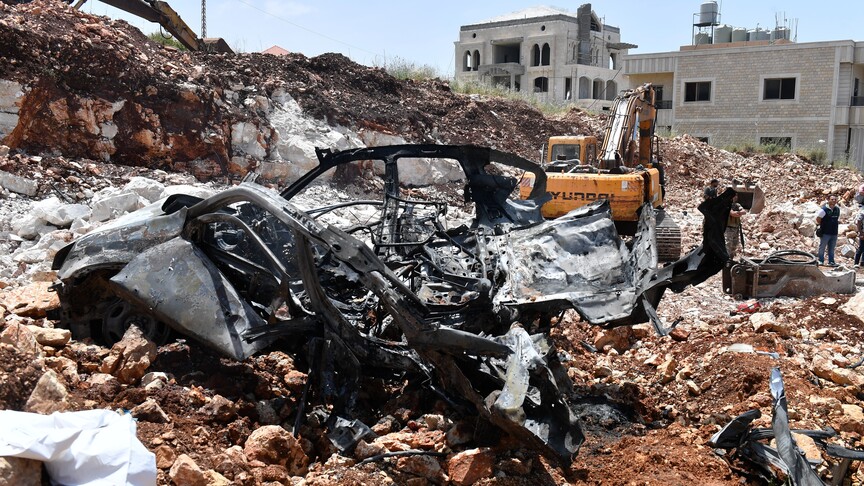
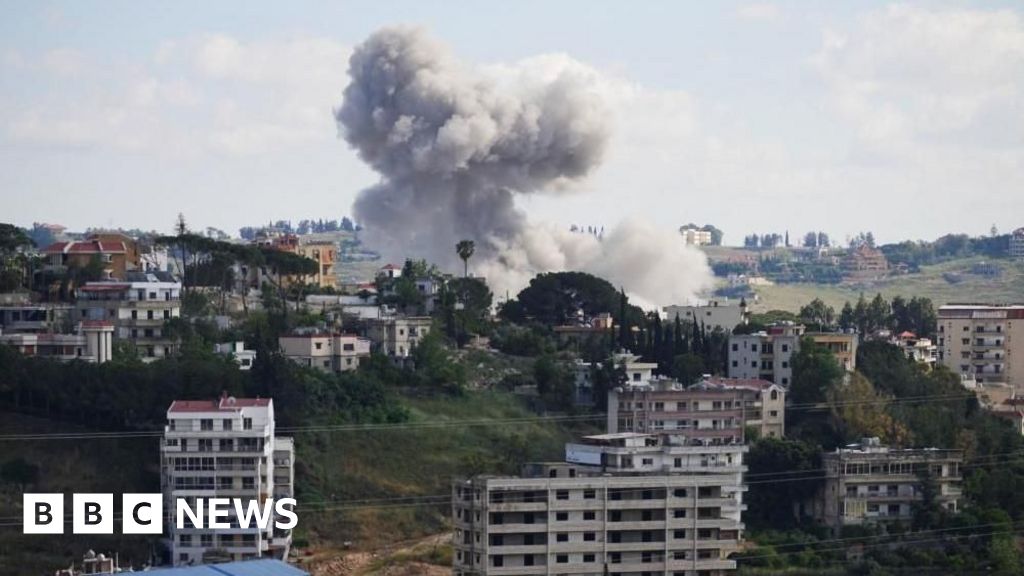
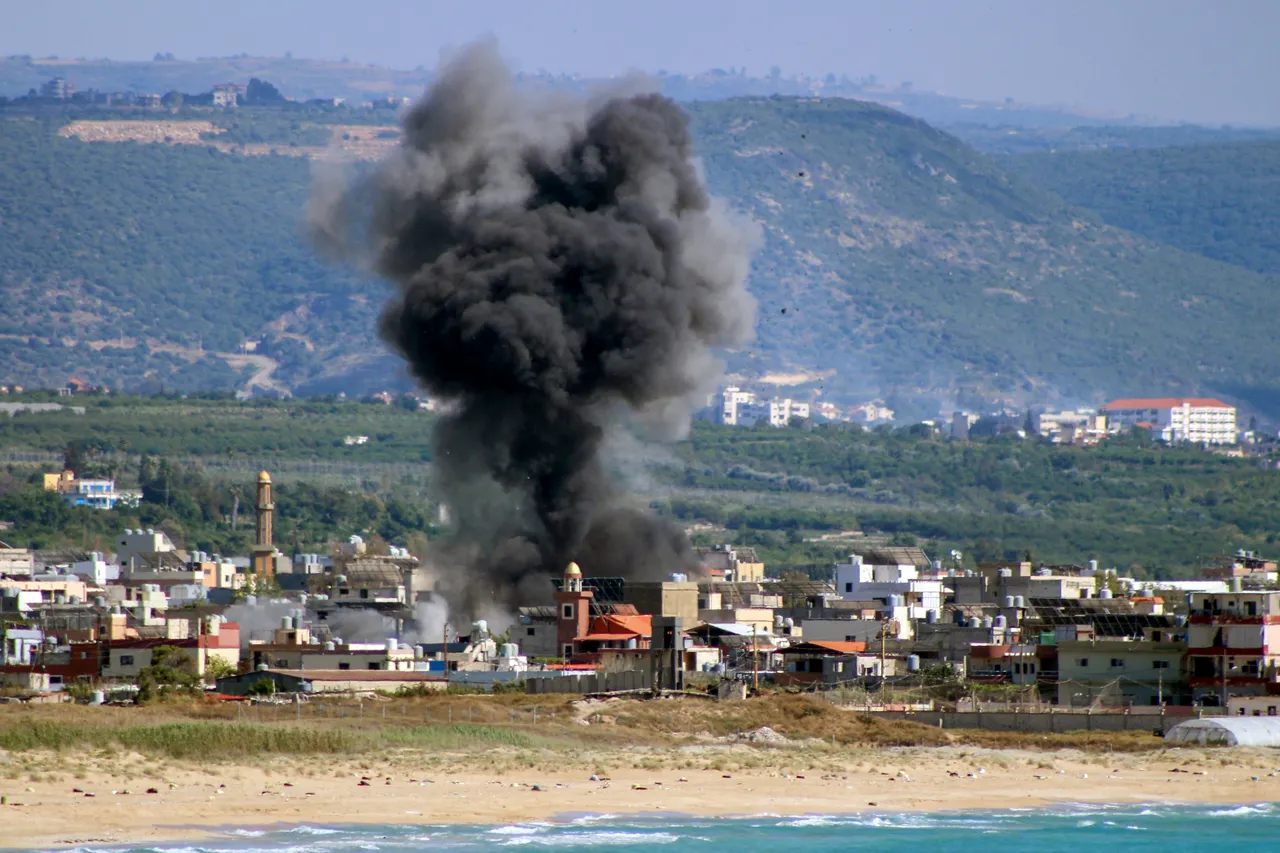
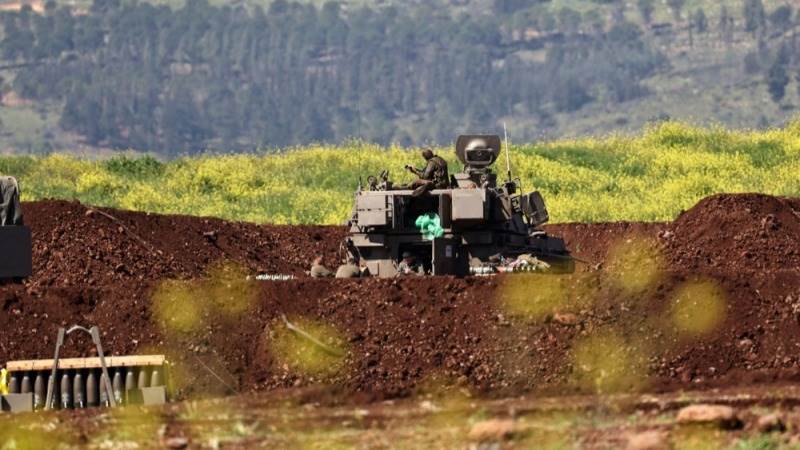
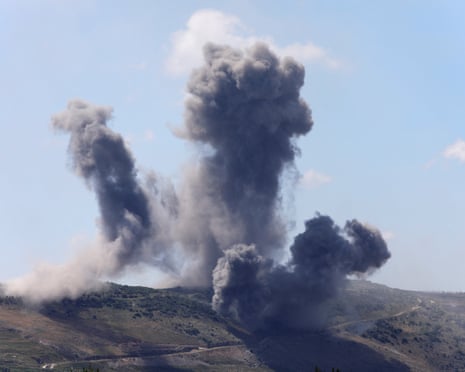
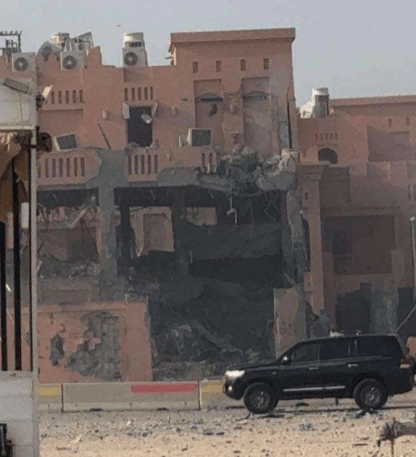
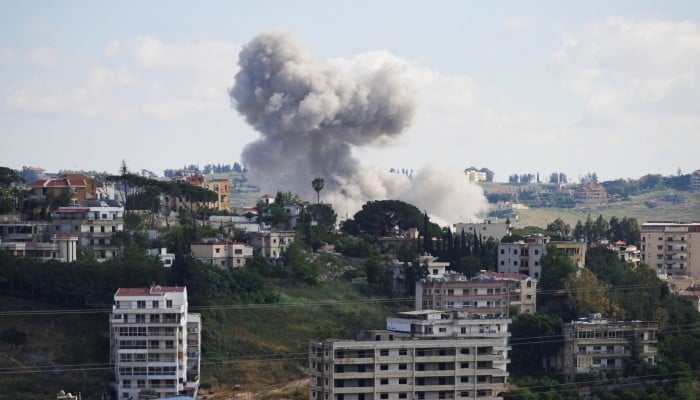
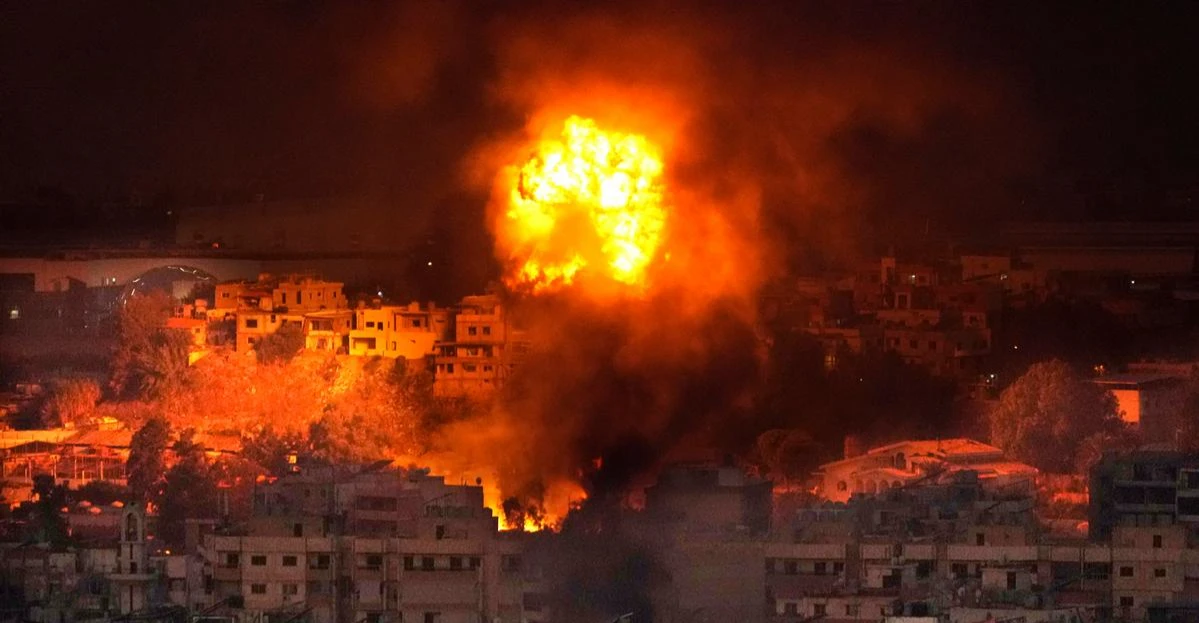
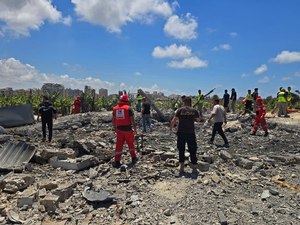
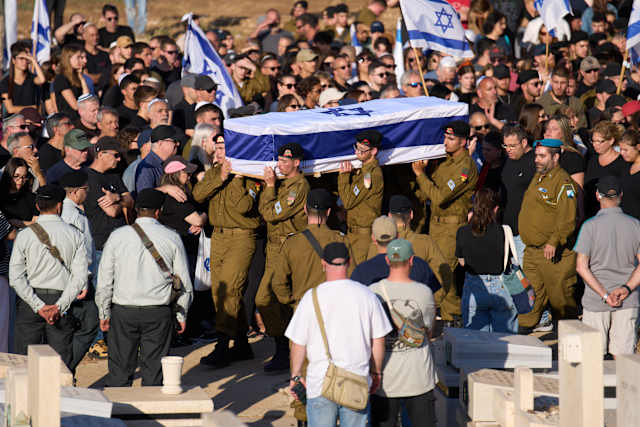
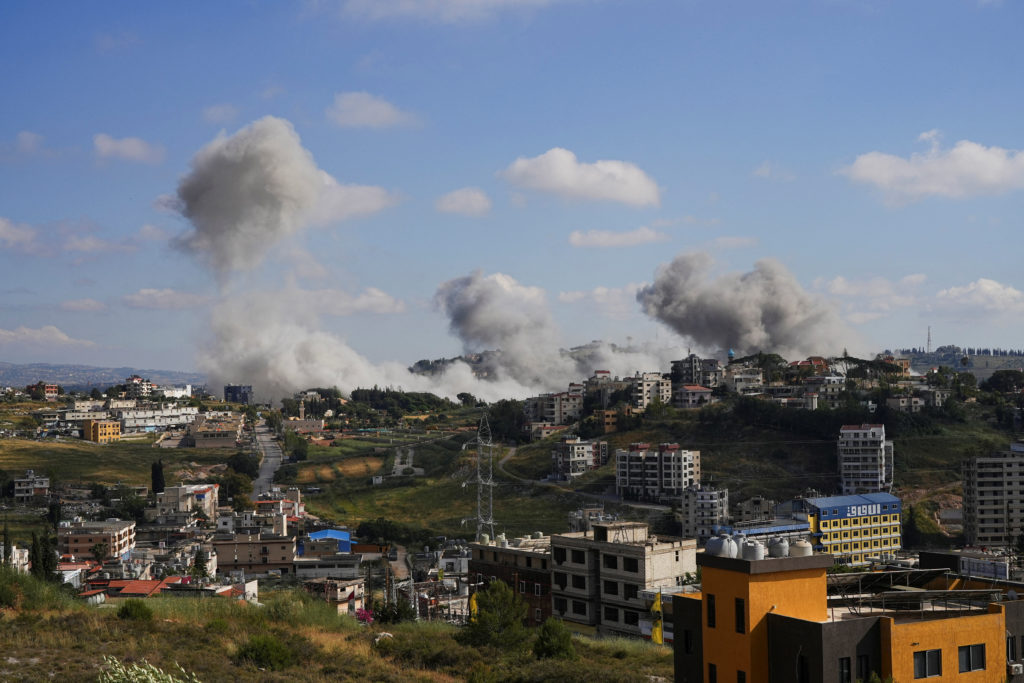
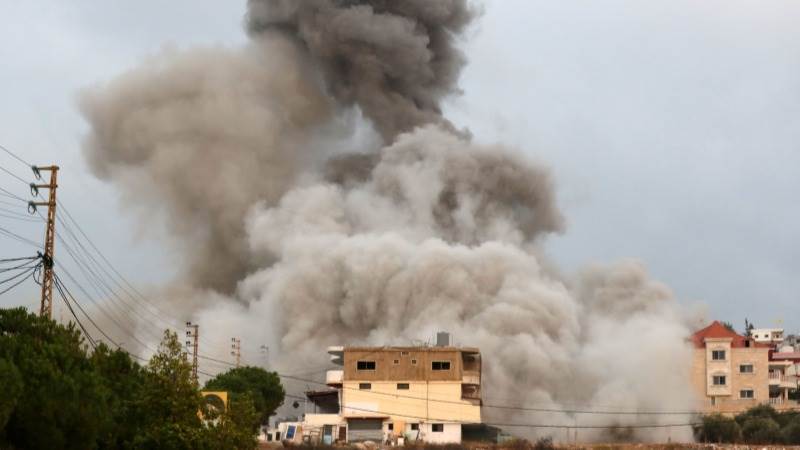
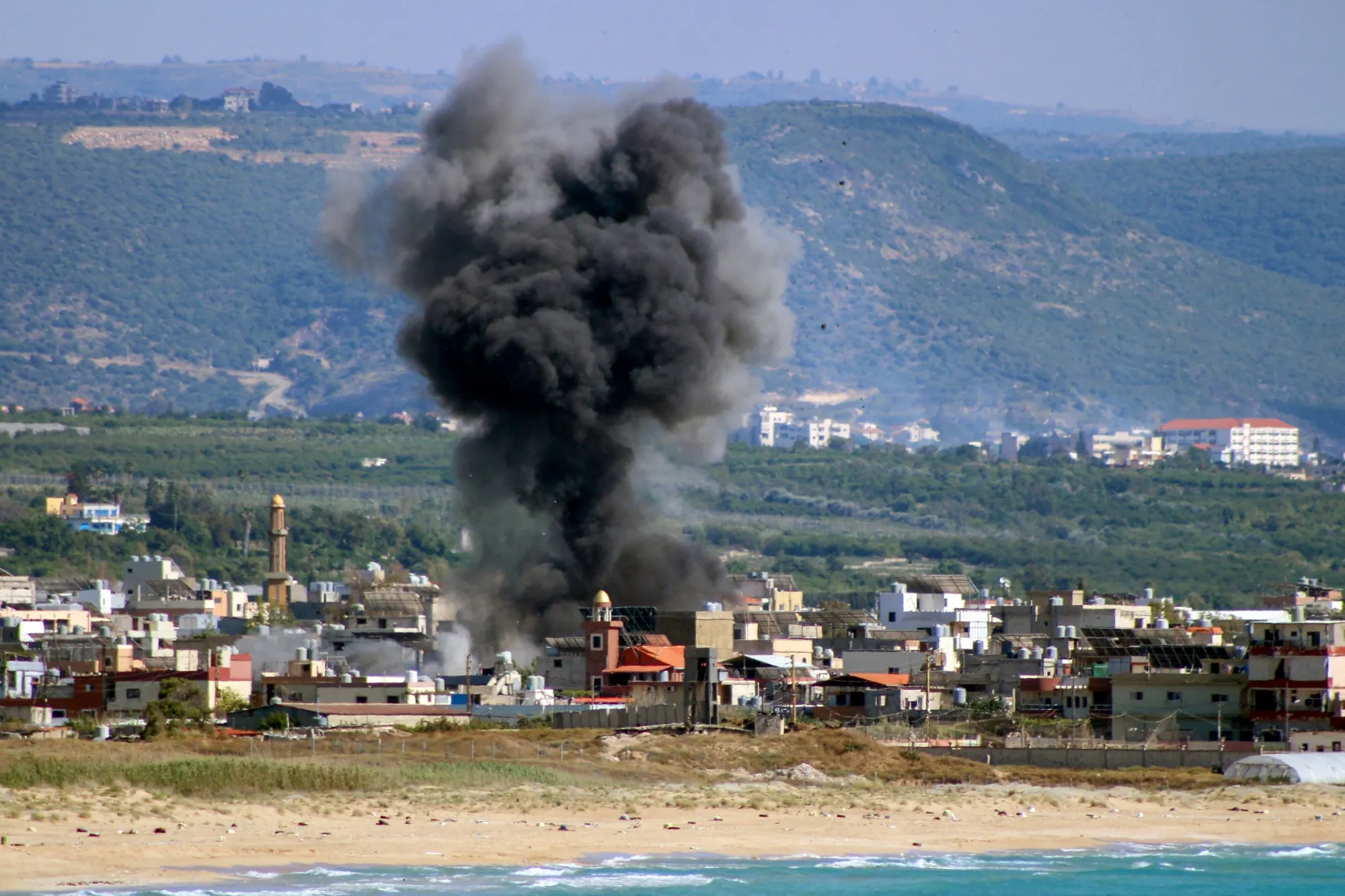
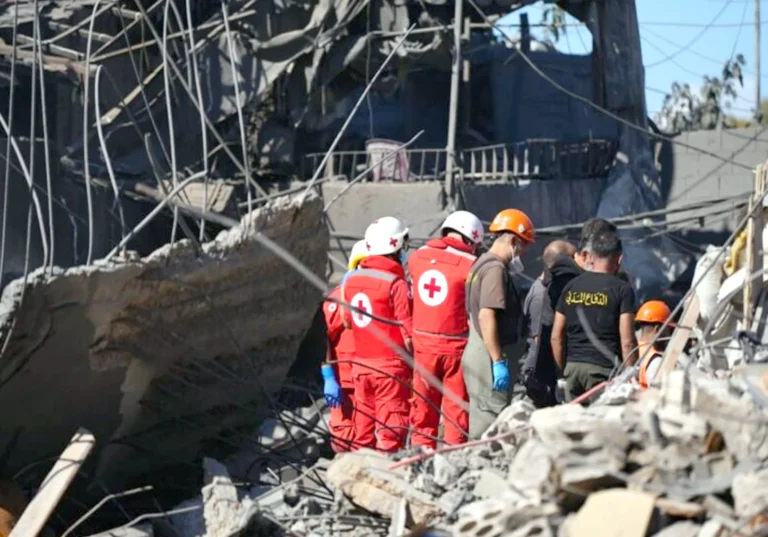
The escalating Israeli-Lebanese military conflict (May 2026) presents a critical inflection point for cross-border sellers operating in Middle Eastern markets and those sourcing from the region. Despite ceasefire agreements initiated April 17, 2026, ongoing strikes on May 23-24 targeting southern and eastern Lebanon have created significant supply chain disruptions and emerging market opportunities. For sellers, this geopolitical tension translates into three distinct business vectors: (1) Supply Chain Risk Management - Sellers sourcing from Lebanon, Syria, or using Beirut port facilities face 15-25% shipping delays and potential customs complications. Approximately 8-12% of Middle Eastern e-commerce inventory flows through Lebanese logistics hubs, making this a material operational concern. (2) Emergency Product Demand Surge - Conflict zones historically generate 40-60% spikes in demand for protective equipment (helmets, body armor, HS codes 6307.90, 9406.00), medical supplies (bandages, first aid kits, HS 3005.90), and emergency shelter materials. Lebanese diaspora communities across North America and Europe typically increase purchases of care packages and relief supplies during escalations, creating a 6-8 week demand window. (3) Reconstruction & Recovery Market - Historical patterns from similar regional conflicts show 18-24 month reconstruction cycles generating sustained demand for building materials, power generation equipment, water purification systems, and temporary housing solutions. The ceasefire framework (permitting Israeli response to "planned, imminent, or ongoing attacks") suggests prolonged uncertainty rather than rapid resolution, extending the opportunity window through Q3-Q4 2026.
Competitive Dynamics: Small-to-medium sellers (annual revenue $500K-$5M) can capitalize on niche protective equipment and medical supply categories where larger competitors lack regional expertise. Sellers with existing relationships in Turkey, Jordan, or UAE can pivot to become regional distribution hubs, capturing 12-18% margin improvements by serving Lebanese and Syrian markets during supply disruptions. US-based sellers face tariff advantages under existing trade agreements, while China-based sellers encounter 8-12% additional customs scrutiny on conflict-sensitive categories.
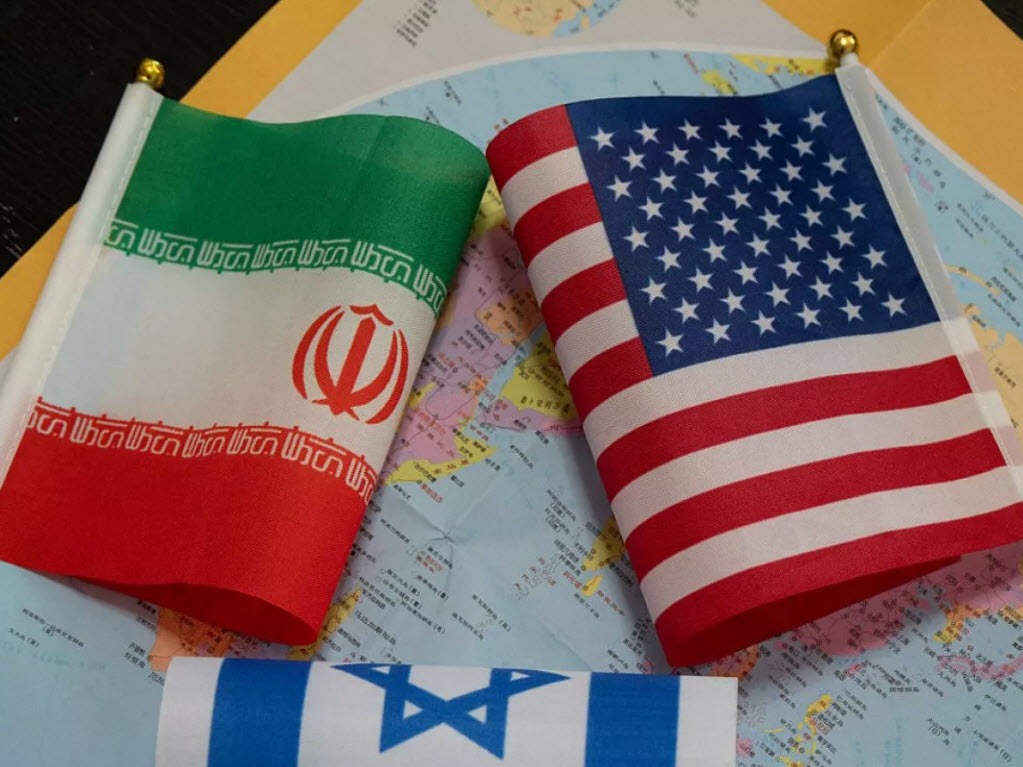
Timing Window: The diplomatic uncertainty (Iran-US negotiations ongoing, ceasefire extended but fragile) creates a 90-120 day window before either major escalation or peace resolution reshapes market conditions. Sellers should position inventory by June 30, 2026, to capture peak demand during summer months when conflict intensity historically increases.
Questions 8
What are the compliance and customs risks for sellers shipping to conflict zones?
Sellers shipping protective equipment, medical supplies, or dual-use materials to Lebanon/Syria face enhanced customs scrutiny (8-12% additional documentation requirements) and potential delays of 5-10 business days. US sellers benefit from existing trade agreements reducing tariff exposure, while China-based sellers encounter 12-18% additional customs friction. Dual-use items (power generators, communication equipment) may require export licenses depending on destination and end-use. Sellers should verify HS codes with customs brokers before shipping (cost: $100-200 per shipment). Avoid marketing materials suggesting military/conflict applications, which trigger additional regulatory review. Insurance costs increase 8-12% for conflict-zone shipments; budget accordingly in pricing models.
What is the timeline for reconstruction market opportunities in Lebanon?
Historical conflict resolution patterns (2006 Lebanon War, Syria reconstruction) show 18-24 month reconstruction cycles generating sustained demand for building materials, electrical equipment, water systems, and temporary housing. If ceasefire holds (current framework extends through 2026), reconstruction demand typically peaks 6-12 months post-agreement. Sellers should position inventory in building materials (HS 6810-6815), power generation (HS 8501-8504), and water treatment (HS 8421-8424) by Q4 2026 to capture early reconstruction waves. Regional distribution through Turkey/UAE hubs provides 15-20% margin advantages over direct shipping. Reconstruction markets typically sustain 18-24 months, providing extended revenue windows for patient sellers.