






Geopolitical Oil Volatility Reshapes E-Commerce Logistics Costs | Seller Impact May 2026
- Shipping costs fluctuate 2-8% as crude prices swing $96-102/barrel; expedited freight sellers face margin compression through summer 2026




)





















Overview
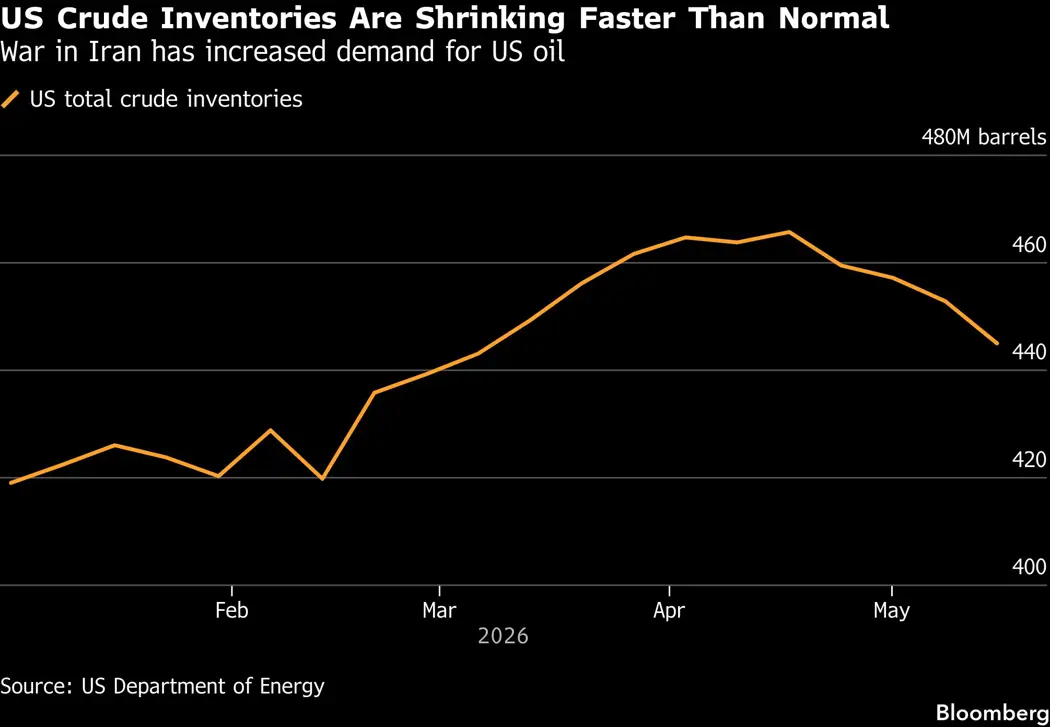
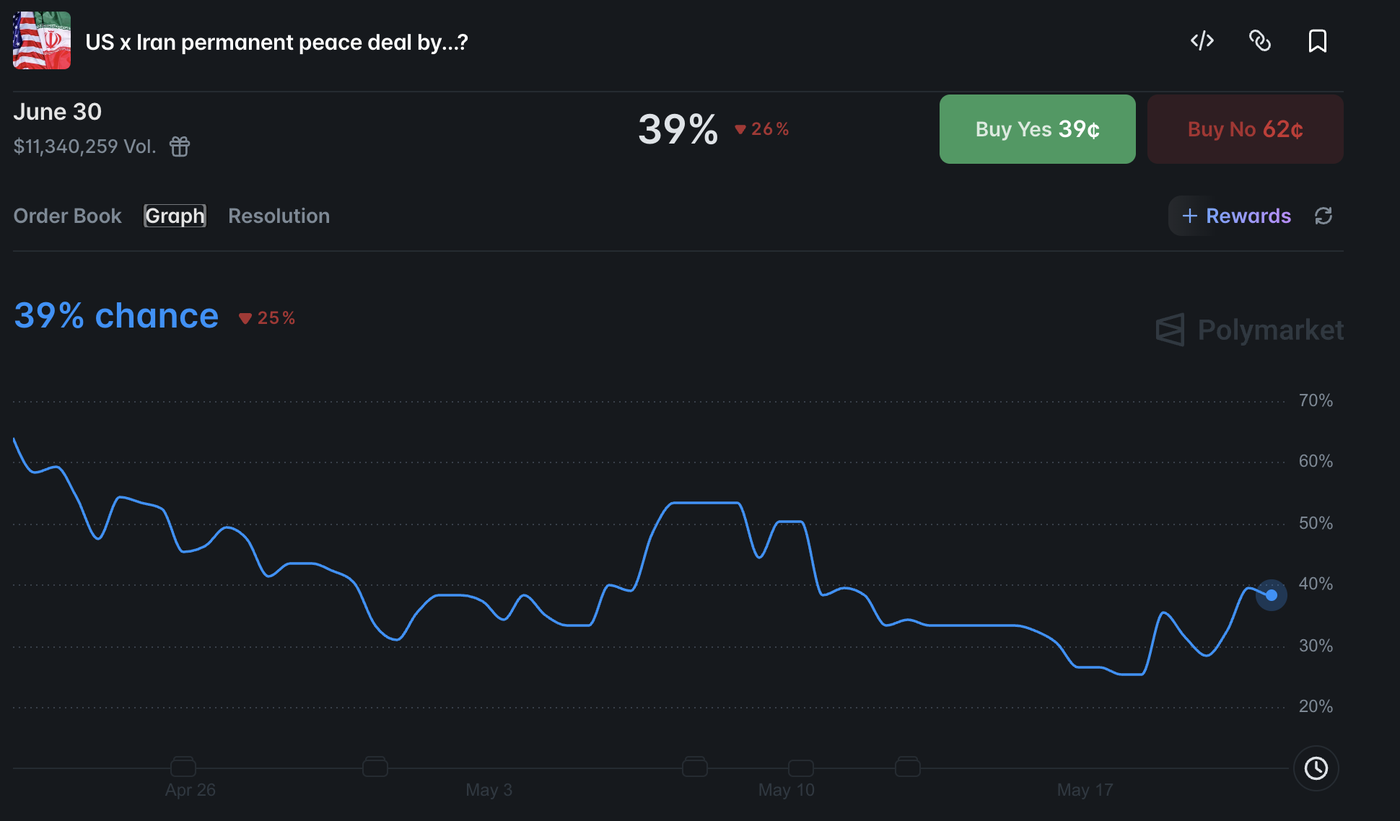
The May 21, 2026 oil price pullback—with U.S. crude falling 2% to $96.35/barrel and Brent dropping 2% to $102.58—reflects fragile U.S.-Iran diplomatic negotiations that directly impact cross-border e-commerce logistics costs. President Trump's decision to postpone airstrikes and allow "several days" for negotiations creates a critical 30-90 day uncertainty window where oil prices could swing 3-8% based on geopolitical developments. However, the International Energy Agency's warning of a "red zone" this summer if the Strait of Hormuz remains blocked signals that longer-term supply constraints are inevitable, meaning sellers cannot rely on sustained price relief.
For cross-border e-commerce sellers, this volatility creates immediate operational challenges. Freight rates for international shipments are directly indexed to crude oil prices—a $5/barrel swing typically translates to 3-5% changes in air freight costs and 2-3% changes in ocean freight. Sellers relying on expedited shipping (air freight, express courier) face the highest pressure, with monthly logistics costs potentially increasing $200-600 for sellers shipping 500+ units monthly. The news explicitly warns that "sellers relying on air freight or expedited shipping face heightened cost pressures during periods of elevated oil prices." This particularly impacts sellers in time-sensitive categories: electronics (high-value, fast-moving), fashion (seasonal windows), and perishables (temperature-controlled logistics).
The strategic opportunity lies in the timing window. With negotiations showing "minimal progress" but Trump willing to wait "several days," sellers have 2-4 weeks to lock in current freight rates through forward contracts with 3PL providers before potential escalation. Sellers shipping to North America and Europe should prioritize ocean freight consolidation (lower oil sensitivity) over air freight during this period. Additionally, the IEA's summer "red zone" warning suggests that Q3 2026 (July-September) will see sustained high fuel surcharges—sellers should front-load inventory to North American and European warehouses by June 15, 2026 to avoid peak summer logistics costs. Categories with high shipping-to-product-value ratios (apparel, home goods, accessories) should shift toward slower, cheaper ocean freight, while high-margin electronics can absorb air freight premiums. The Strait of Hormuz blockade risk also creates sourcing opportunities: sellers currently dependent on Middle East-routed supply chains should evaluate Vietnam, India, and Southeast Asian alternatives to reduce geopolitical exposure.
Questions 8
Should I switch from air freight to ocean freight due to oil price volatility?
Yes, strategically. Ocean freight has lower fuel sensitivity (2-3% cost swing per $5/barrel) compared to air freight (3-5% swing), making it more predictable during volatile periods. However, the decision depends on your product category and margin structure. High-margin electronics (50%+ margins) can absorb air freight premiums, while apparel and home goods (20-30% margins) should shift to ocean freight. The IEA's warning of summer supply constraints suggests ocean freight capacity may tighten by July 2026, so consolidate shipments by June 15 to secure favorable rates before peak season demand increases fuel surcharges further.
What is the Strait of Hormuz blockade risk and how does it affect my supply chain?
The Strait of Hormuz is the world's critical oil chokepoint—35% of global seaborne oil passes through it. Iran's blockade threat (mentioned in the news) would disrupt global oil supply, causing prices to spike 10-20% and creating logistics chaos. The IEA warned the market will reach a 'red zone' this summer if the strait remains blocked. For sellers, this means: (1) diversify sourcing away from Middle East-dependent routes, (2) evaluate Vietnam and Southeast Asian suppliers as alternatives to China-routed shipments, (3) build 60-90 day inventory buffers by June 2026 before summer supply constraints hit. Sellers currently relying on single-source suppliers face 4-8 week delivery delays if geopolitical escalation occurs.