


Ukraine EU Associate Status | Tariff Harmonization & Market Access Opportunity for Cross-Border Sellers
- Germany-led EU integration accelerates Ukraine market access; sellers gain tariff reduction opportunities and 41M+ consumer market entry by 2027



























Overview
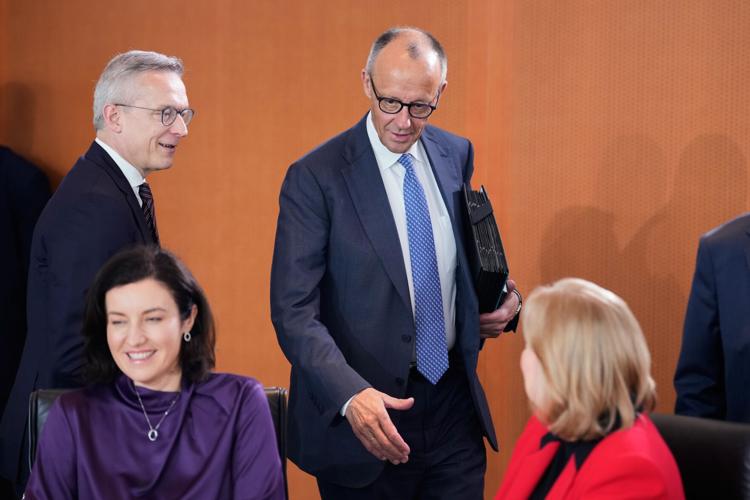
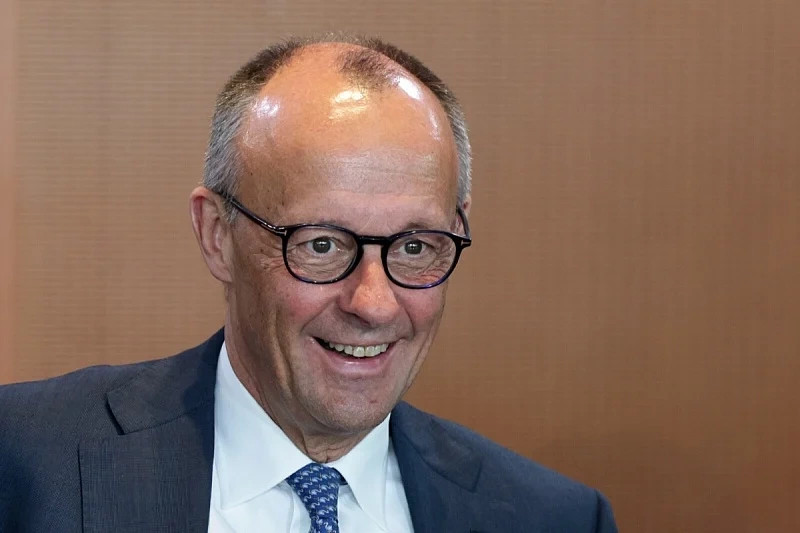
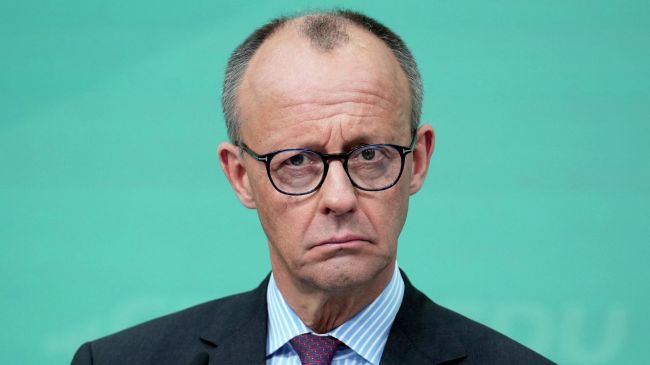
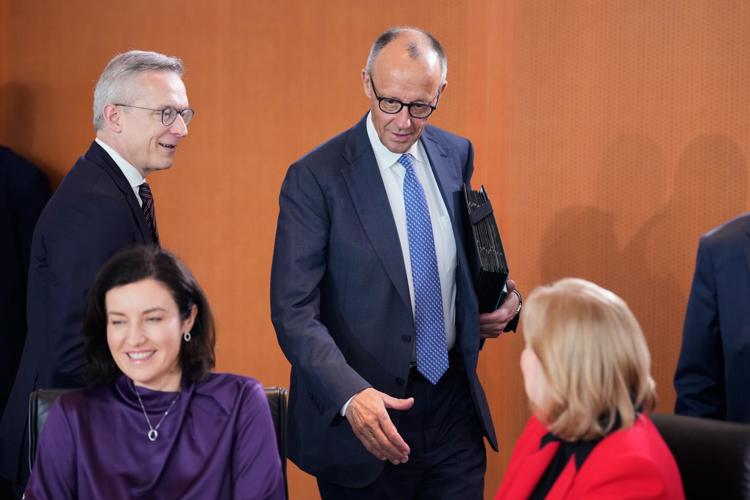
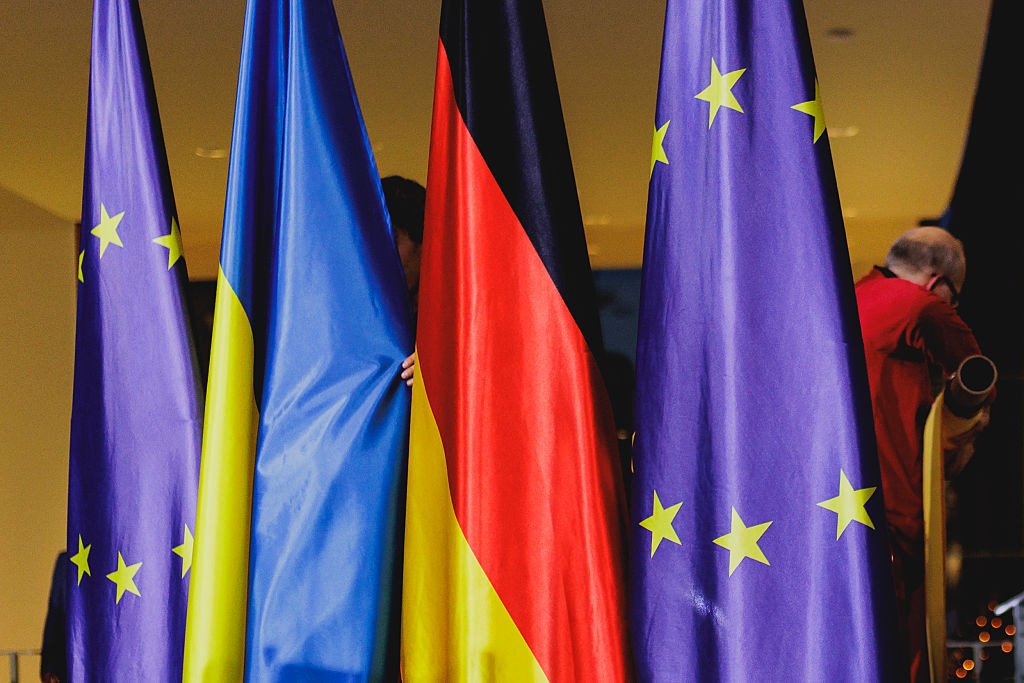
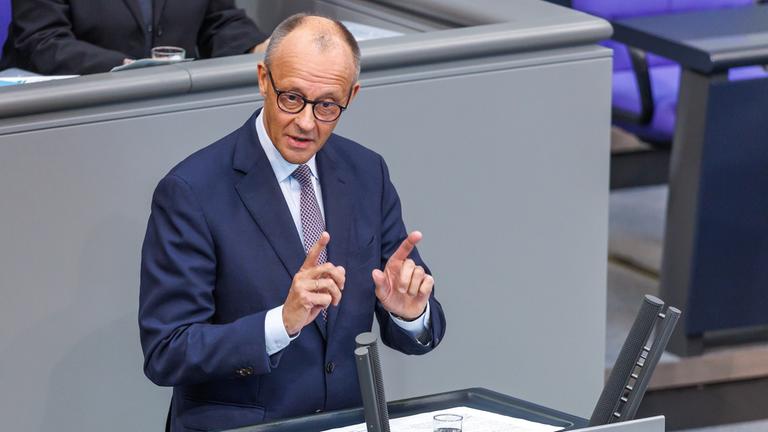
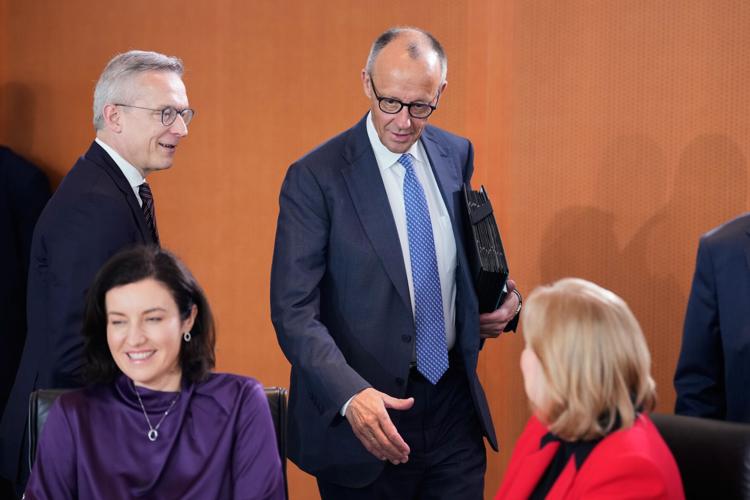
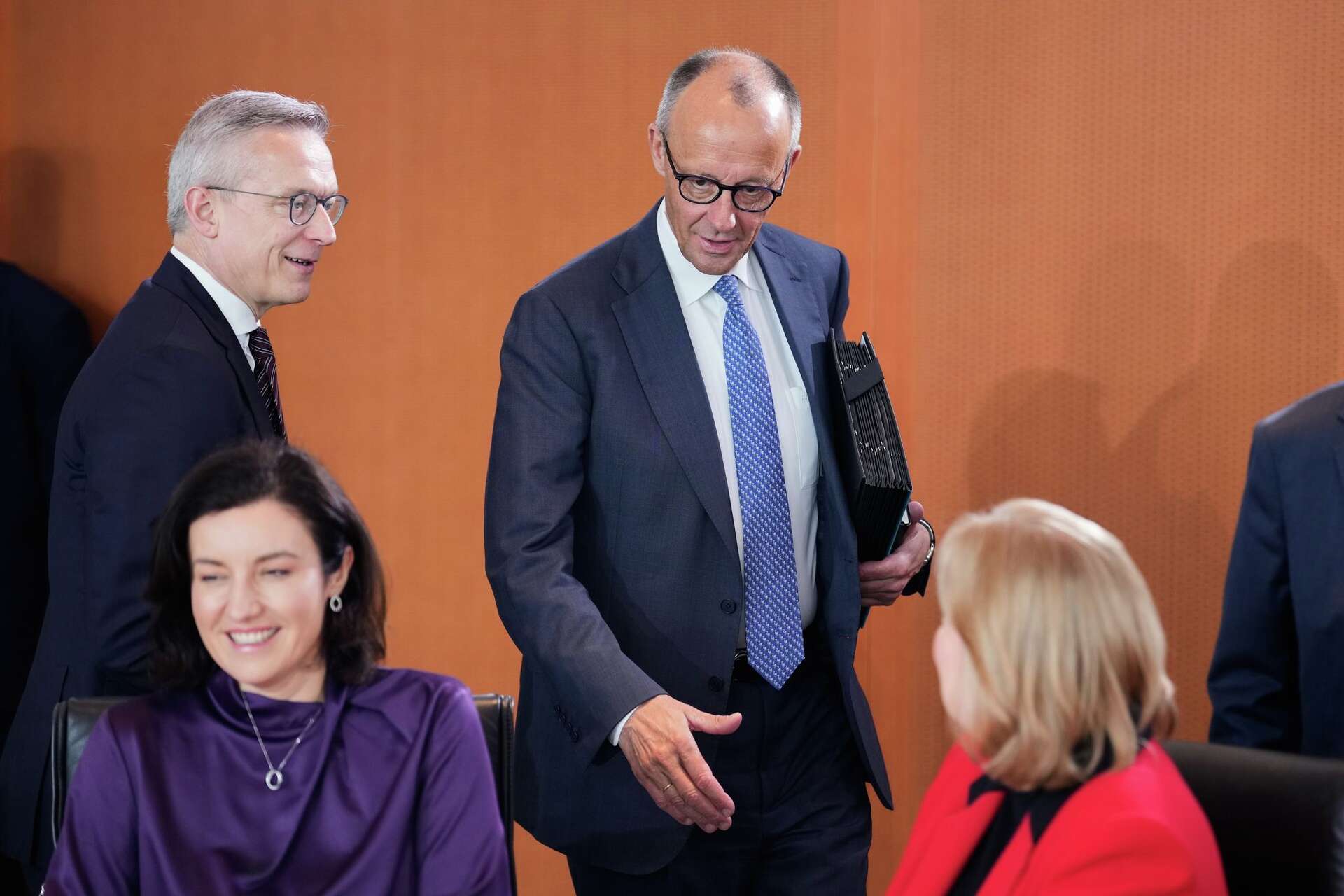
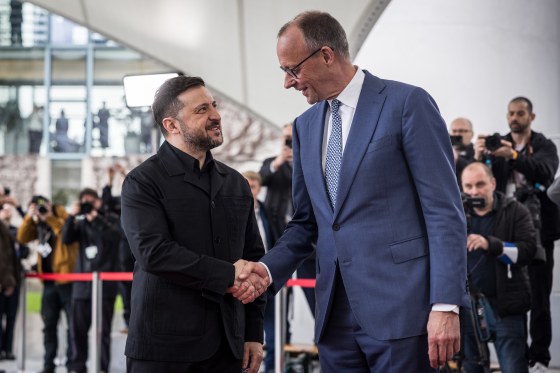
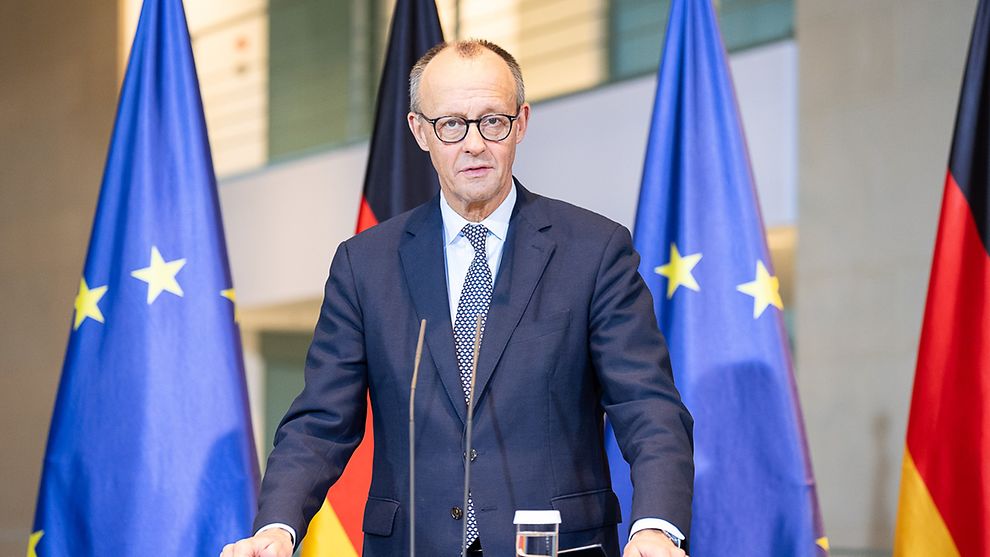
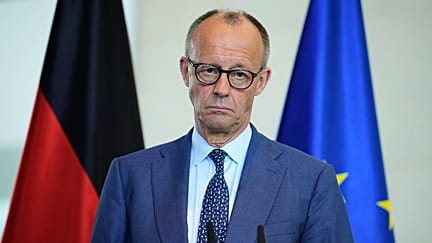
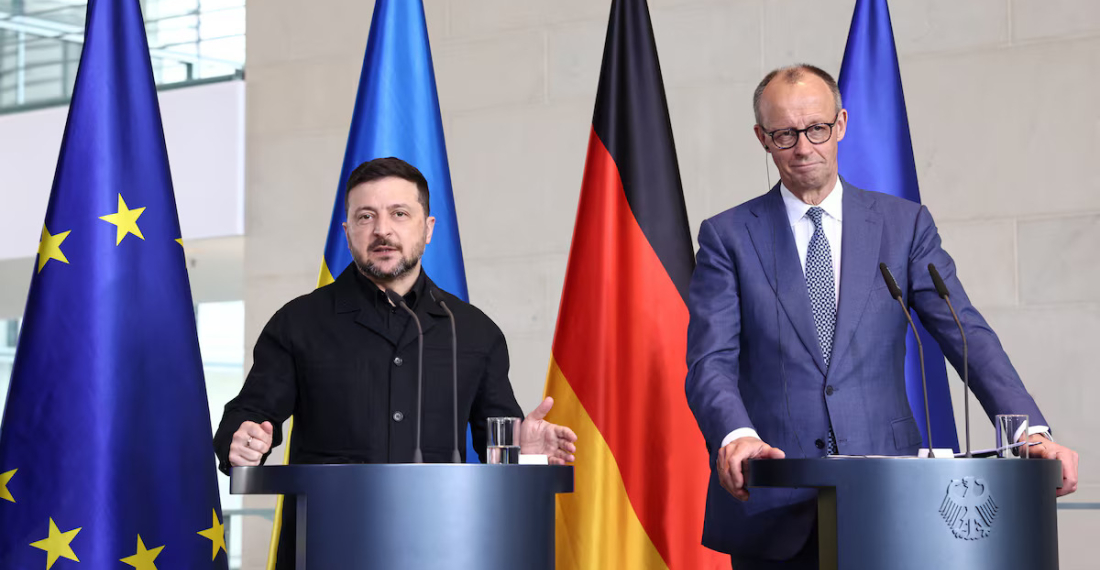
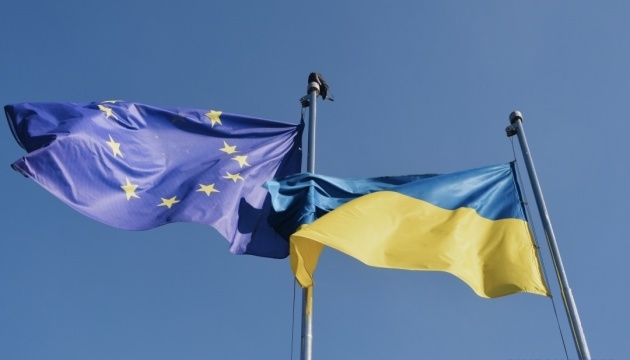
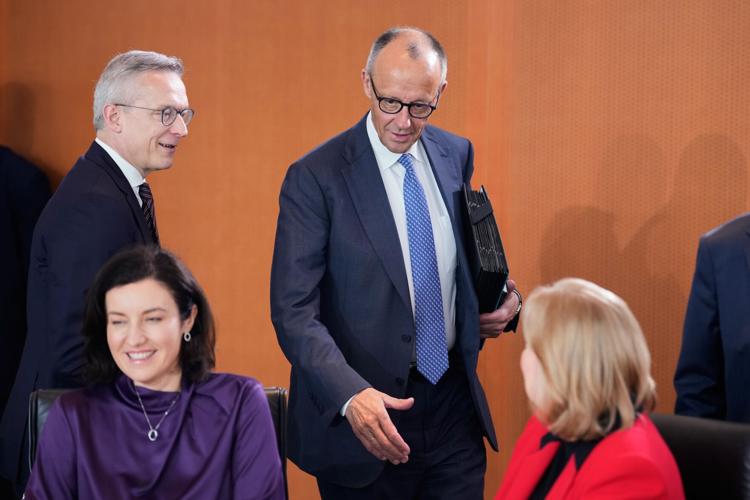
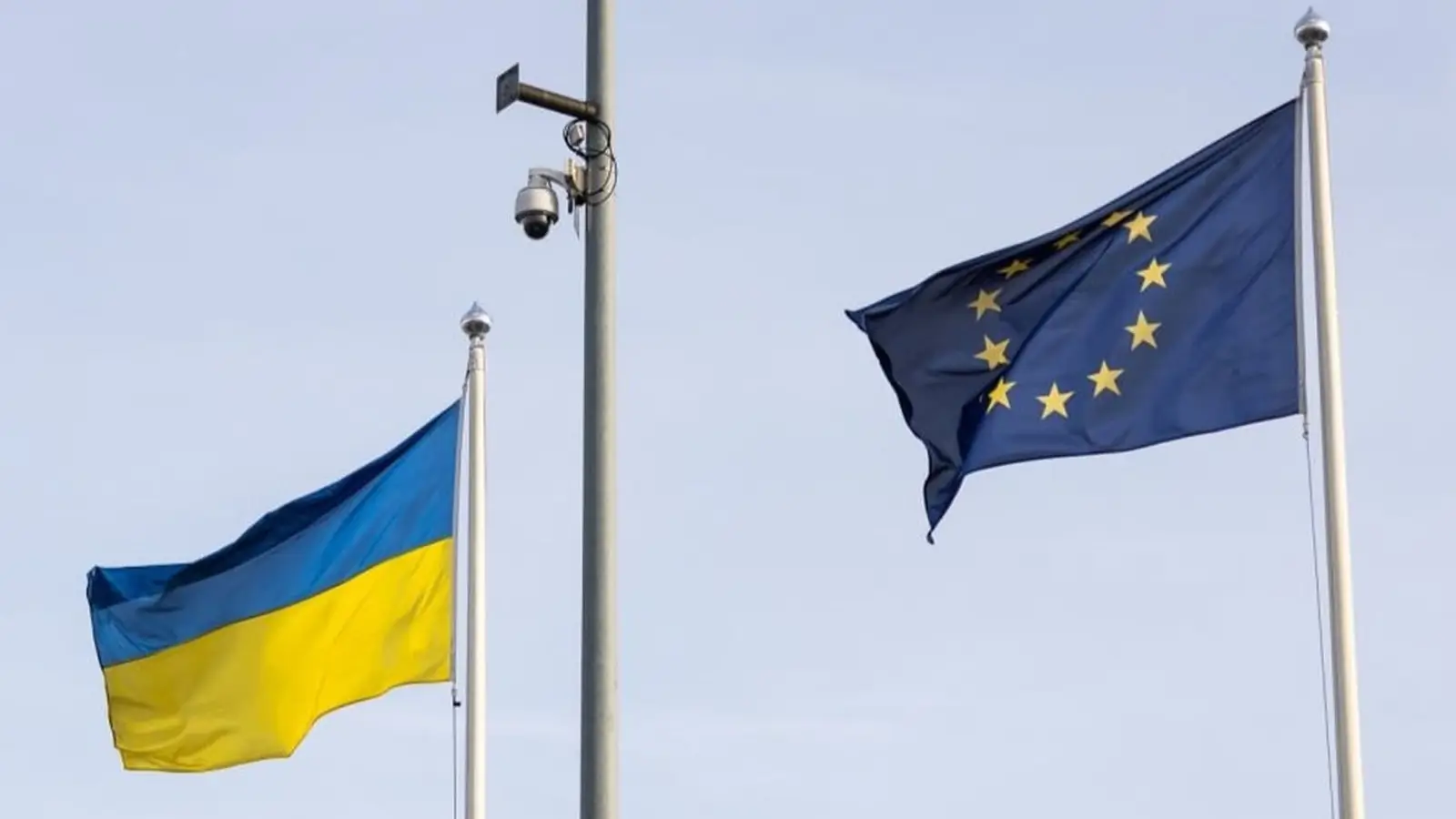
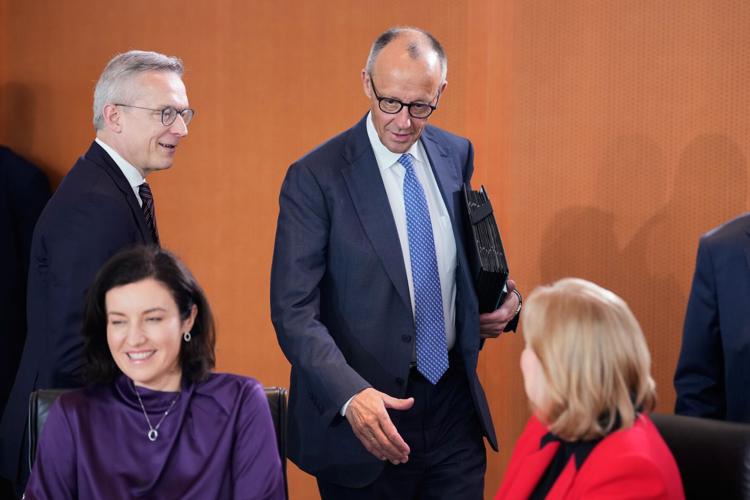
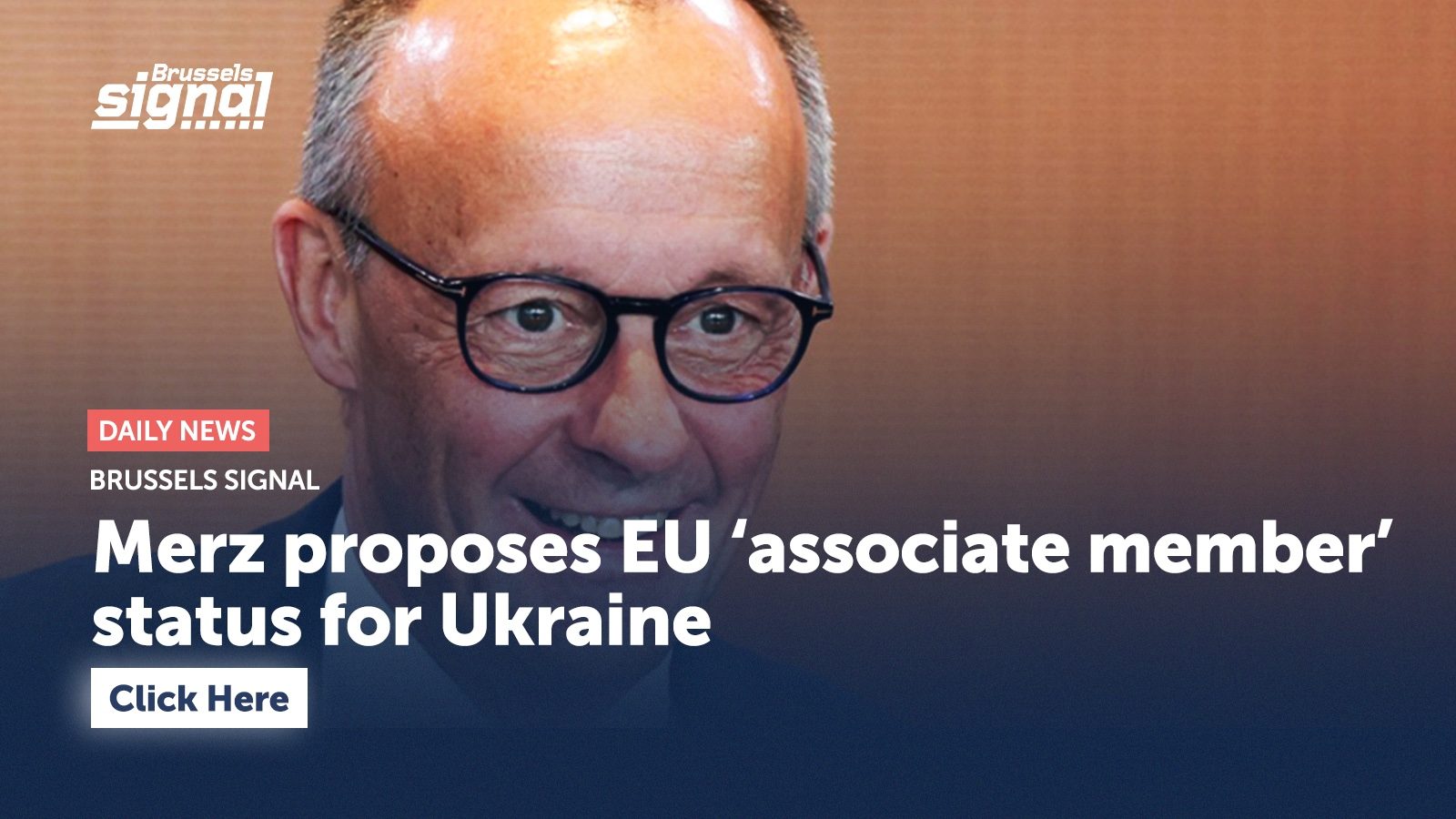
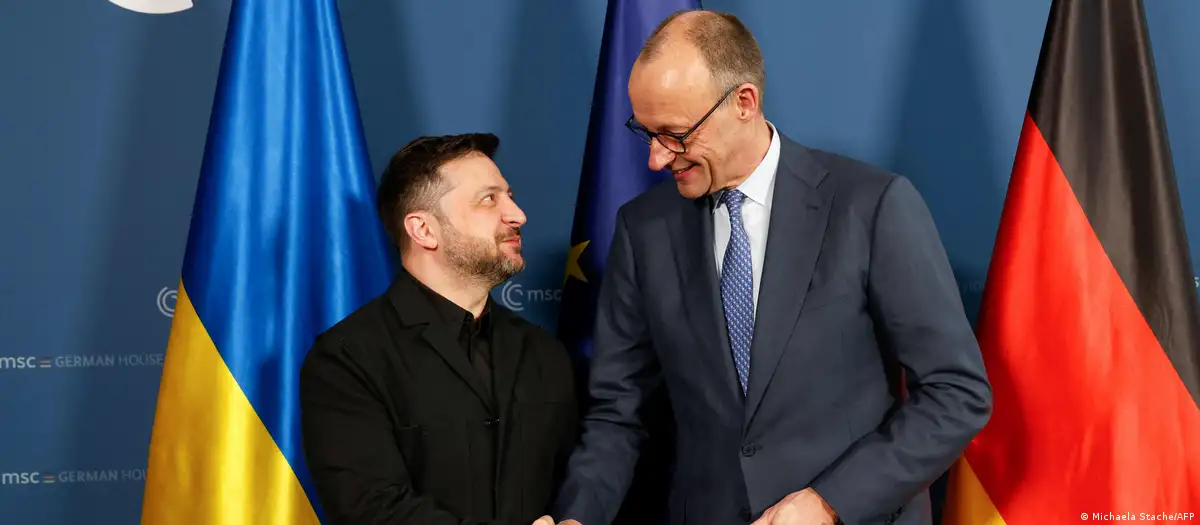
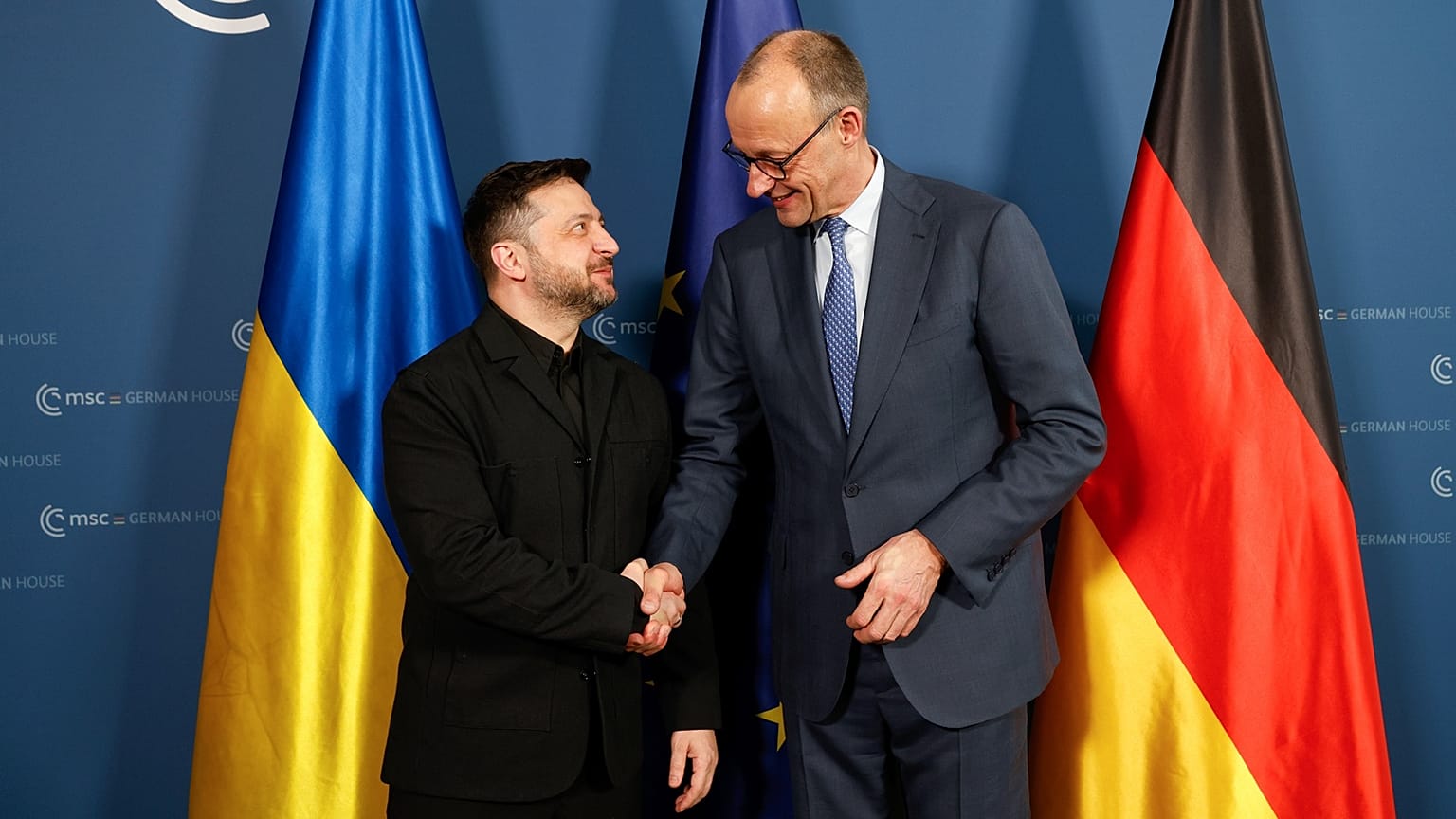
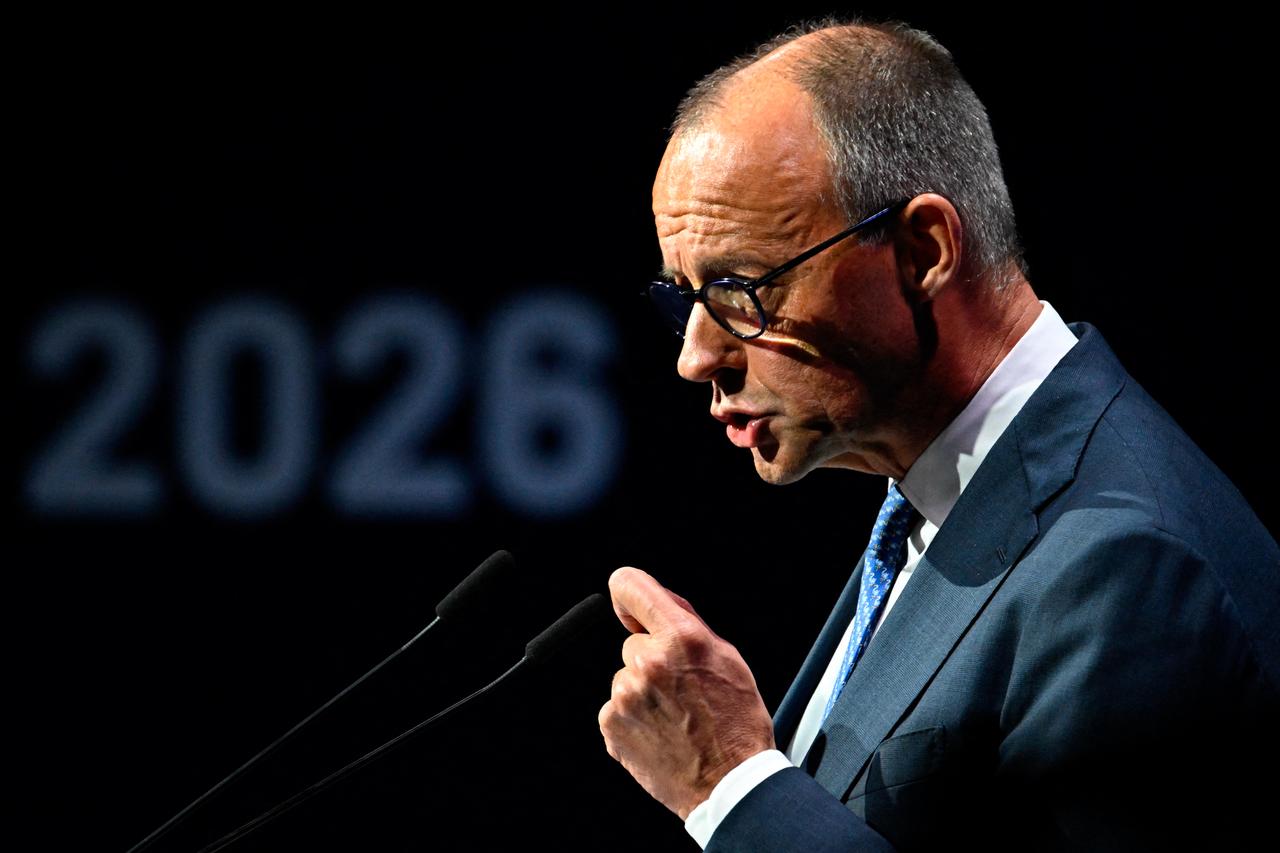
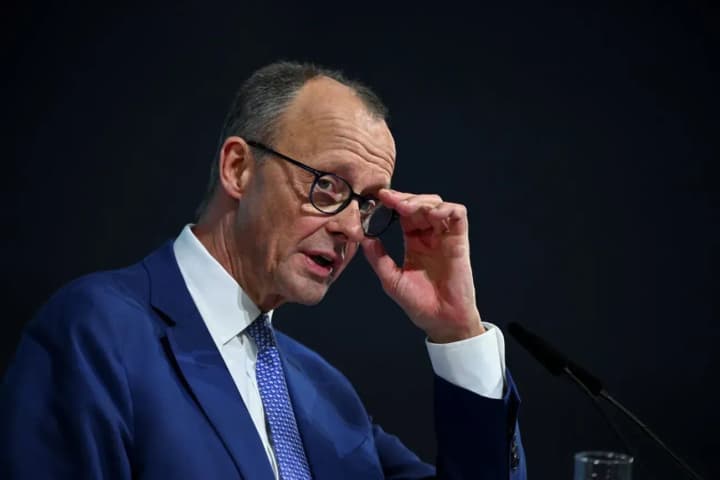
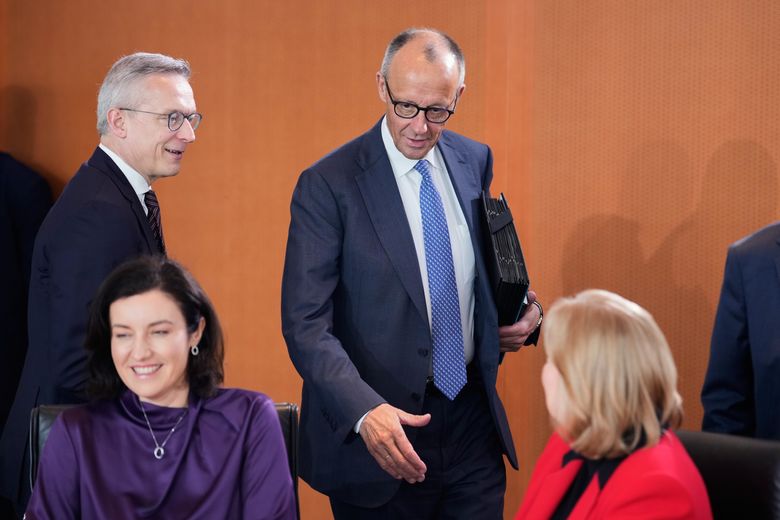
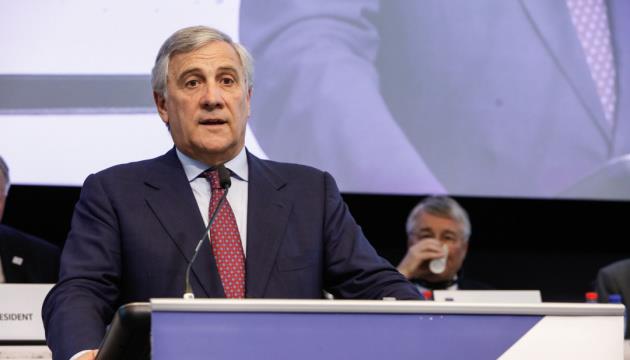
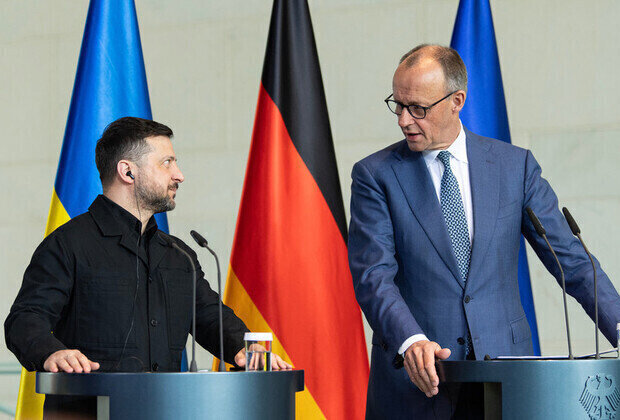
Germany's Chancellor Friedrich Merz has proposed granting Ukraine "associate member" status within the European Union—a strategic move with profound implications for cross-border e-commerce sellers. This proposal, outlined in correspondence to EU Commission President Ursula von der Leyen and Council President Antonio Costa, represents a critical tariff arbitrage and market access opportunity. Under the associate membership framework, Ukraine would gain coverage under the EU's mutual assistance clause and access designated EU budget funding while participating in EU summits and ministerial meetings without voting rights. The proposal targets a 2027 implementation window, creating a time-sensitive opportunity for sellers to position themselves before full EU harmonization occurs.
Tariff Arbitrage Opportunity: The associate membership status creates a transitional tariff environment where Ukraine gradually aligns with EU customs codes and duty rates. Currently, Ukraine operates under separate tariff schedules; associate status accelerates harmonization toward EU's Common External Tariff (CET). This benefits sellers sourcing from Ukraine in categories like machinery (HS 84-85), textiles (HS 50-63), and agricultural products (HS 01-24) who will see reduced duty rates on EU-bound shipments. Sellers currently paying 5-15% tariffs on Ukrainian imports could see reductions of 2-8% within the 2027 window, improving margins by $150-400 per container depending on product category.
Market Access Expansion: Ukraine's 41 million population represents an underserved e-commerce market with growing purchasing power. Associate membership signals EU-level payment infrastructure integration, VAT harmonization, and logistics standardization. Amazon, eBay, and Shopify sellers can expect easier market entry through reduced compliance complexity. The proposal includes a "snap-back mechanism" maintaining rule-of-law standards, providing regulatory certainty for sellers investing in Ukrainian distribution networks. Germany's leadership role—as Europe's largest economy and Ukraine's primary supporter—positions German-based sellers and logistics providers for first-mover advantages in establishing fulfillment infrastructure.
Competitive Dynamics Shift: The proposal addresses Western Balkan states' decades-long accession delays, signaling EU acceleration of Eastern European integration. Recent Hungarian leadership changes (Viktor Orbán's obstruction replaced by Peter Magyar's facilitation) remove previous political barriers. This creates a 3-5 year window where sellers can establish supply chains and market presence before full EU membership standardizes regulations across all 27 member states. Small-to-medium sellers (SMEs) sourcing from Ukraine or targeting Ukrainian consumers face lower barriers than during full accession negotiations, which typically require 5-10 years of harmonization.
Questions 8
How does Ukraine's associate EU membership affect tariff rates for cross-border sellers?
Ukraine's associate status accelerates alignment with the EU's Common External Tariff (CET), reducing customs duties on Ukrainian-sourced imports. Sellers currently paying 5-15% tariffs on machinery (HS 84-85), textiles (HS 50-63), and agricultural products (HS 01-24) can expect reductions of 2-8% by 2027. The proposal creates a transitional tariff environment where duties gradually harmonize toward EU rates, improving profit margins by $150-400 per container. Merz's framework includes a dedicated Task Force to develop implementation details, with agreement sought at the next EU summit. Sellers should monitor EU Commission announcements for specific tariff schedule updates and begin sourcing strategy adjustments immediately.
What market opportunities does Ukraine's 41 million population represent for Amazon and eBay sellers?
Ukraine's associate membership signals EU-level payment infrastructure integration and VAT harmonization, making it an accessible market for cross-border sellers. The 41 million population represents an underserved e-commerce market with growing purchasing power, particularly in consumer electronics, home goods, and apparel categories. Associate status reduces compliance complexity compared to non-EU markets, allowing sellers to leverage existing EU fulfillment networks and payment systems. Amazon FBA and eBay sellers can expect easier market entry through standardized logistics and reduced documentation requirements. The 2027 implementation window provides a 3-year opportunity to establish market presence before full EU membership standardizes regulations across all 27 member states.