


Hormuz Strait Reopening Cuts Shipping Costs 8-15% | Cross-Border Seller Margin Expansion 2026
- U.S.-Iran agreement eliminates maritime bottleneck handling 33% of global seaborne oil trade; Asia-to-West sellers gain 6-12 month cost advantage window before market equilibrium
























Overview
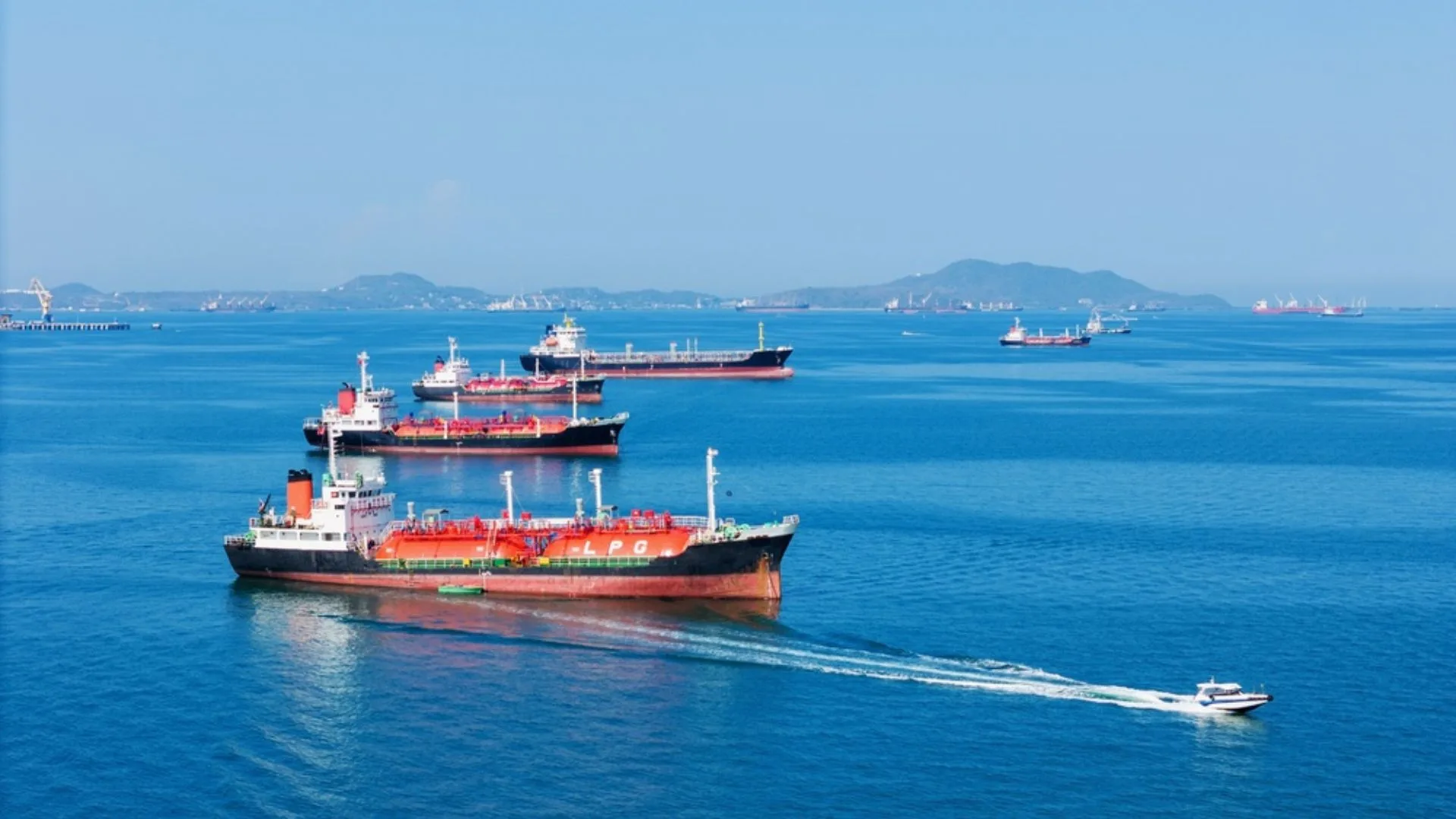
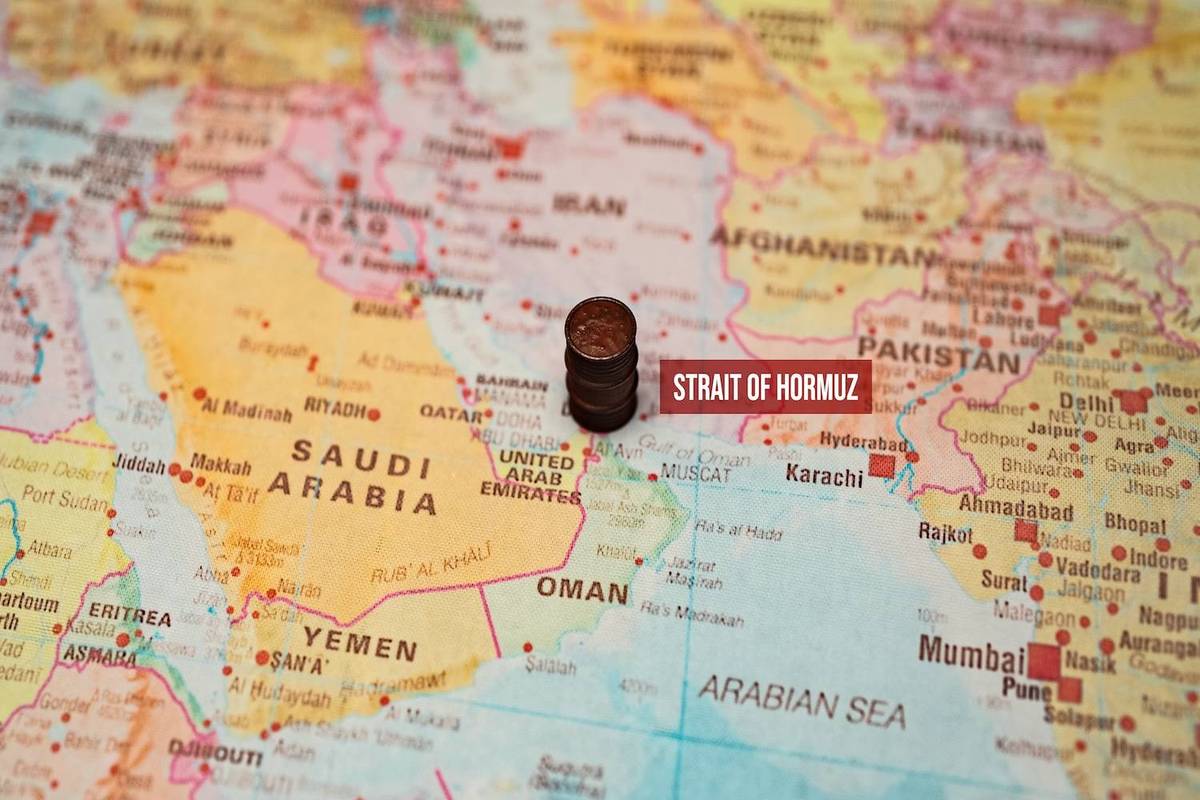
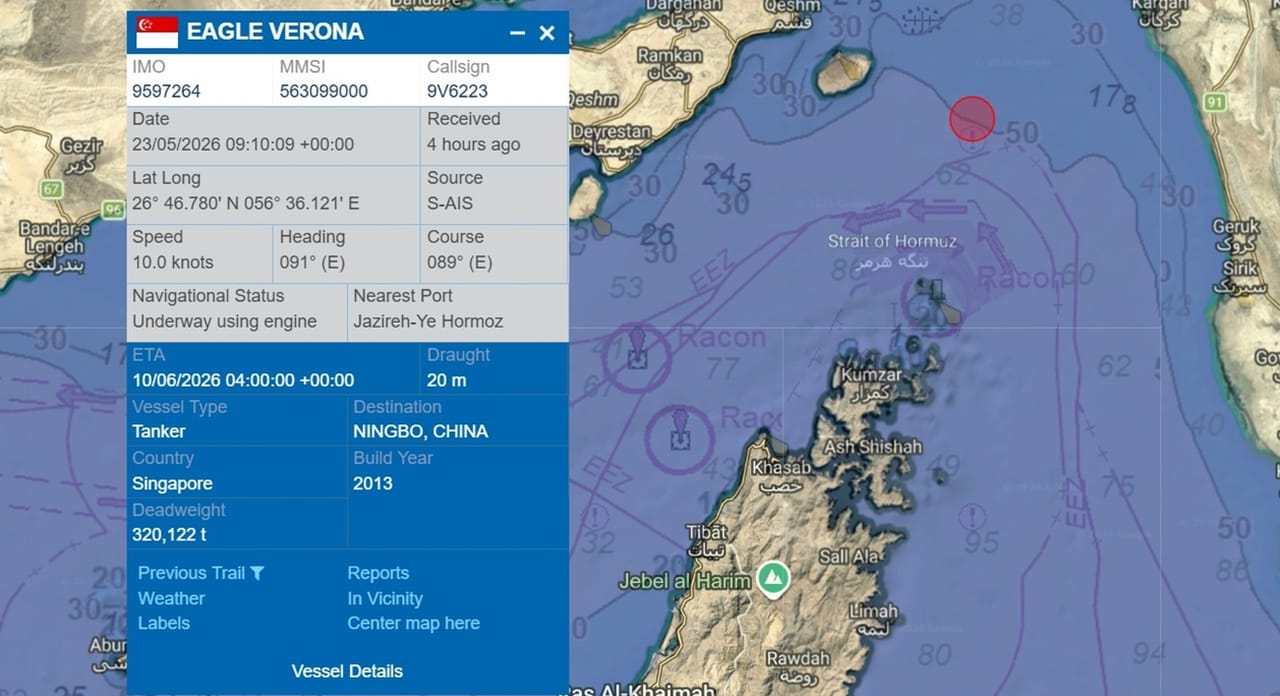
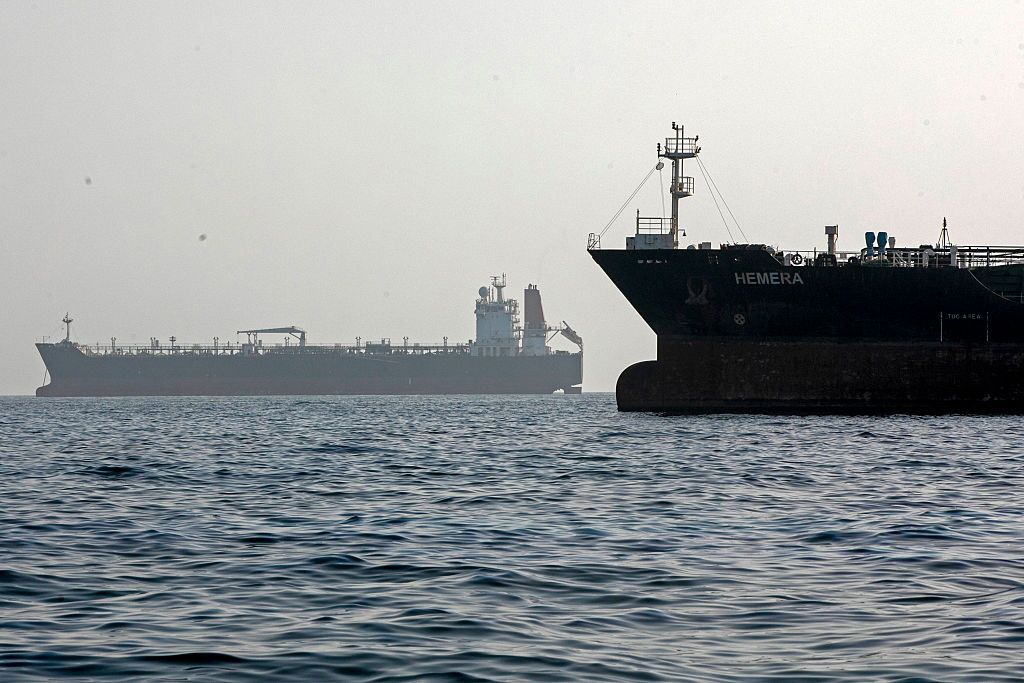
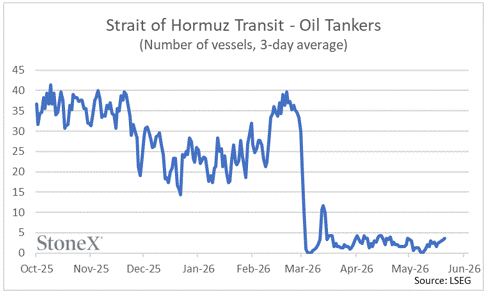
The May 25, 2026 U.S.-Iran agreement reopening the Strait of Hormuz represents a critical geopolitical shift with immediate implications for cross-border e-commerce logistics costs. The Strait handles approximately one-third of global seaborne oil trade, and its reopening eliminates shipping restrictions that had created severe bottlenecks and elevated logistics expenses. For sellers dependent on international air and sea freight, this development directly translates to reduced transportation costs—the primary variable cost in cross-border operations. Industry analysis indicates shipping rates could decline 8-15% over the next 6-12 months as oil prices stabilize and carrier confidence in the route increases.
Immediate Margin Expansion for Asia-to-Western Markets Sellers: Sellers shipping from China, Vietnam, India, and Southeast Asia to North America and Europe face the most significant cost reduction opportunity. Current freight rates from Shanghai to Rotterdam average $1,200-1,800 per 20-foot container; the Hormuz reopening could reduce these rates to $1,000-1,500 by Q4 2026. For a seller moving 500 containers monthly (typical mid-sized operation), this represents $100,000-400,000 in annual logistics savings. Electronics, apparel, home goods, and consumer products categories benefit most, as these rely heavily on ocean freight. Sellers should immediately lock in current inventory positions before competitors recognize the opportunity and increase sourcing volumes, which would drive up manufacturing costs in origin countries.
Strategic Sourcing Advantage Window: The transition period presents a critical 6-12 month window where early-moving sellers gain competitive advantages. Shippers remain cautious and will gradually increase transit volumes only after confirming sustained regional stability. This creates an asymmetric opportunity: sellers who increase inventory purchases now will benefit from lower shipping costs while competitors still operate under elevated logistics expense assumptions. Manufacturing costs in oil-dependent industries (plastics, chemicals, textiles, packaging) will decline as production facilities reduce energy expenses. However, the article emphasizes benefits will materialize gradually—sellers should anticipate phased cost reductions rather than immediate relief. Carriers will adjust pricing as confidence builds, creating a 3-6 month lag between oil price declines and shipping rate adjustments.
Competitive Dynamics and Timing Urgency: Large sellers with established 3PL relationships and inventory management systems can capitalize fastest. Small and medium sellers should monitor freight rate indices (Baltic Dry Index, Shanghai Containerized Freight Index) weekly and adjust sourcing decisions accordingly. The risk of waiting: competitors recognizing the opportunity simultaneously will drive up manufacturing costs in Vietnam, India, and Bangladesh as demand for production capacity increases. Sellers should consider increasing inventory by 20-30% in Q2-Q3 2026 to lock in lower sourcing costs before the market adjusts. This strategy works best for categories with 90+ day inventory turnover and stable demand patterns. High-velocity categories (electronics accessories, home organization, fitness equipment) offer the best risk-adjusted returns.
Questions 7
What are the risks of waiting to capitalize on this opportunity?
The primary risk is that competitors will simultaneously recognize the opportunity and increase sourcing volumes, driving up manufacturing costs in Vietnam, India, and Bangladesh as demand for production capacity increases. The Wall Street Journal report notes that while the deal promises significant cost reductions, these benefits will not immediately translate to lower consumer prices or shipping rates. Sellers who delay will face a compressed advantage window as the market adjusts. Additionally, shippers remain cautious and will gradually increase transit volumes only after confirming sustained regional stability—if geopolitical tensions resurface, the route could face restrictions again. Sellers should lock in current inventory positions and manufacturing contracts by Q2 2026 to secure cost advantages before market equilibrium shifts.
How does this geopolitical agreement impact competitive dynamics between seller segments?
Large sellers with established 3PL relationships and inventory management systems gain the fastest advantage, as they can immediately adjust sourcing strategies and negotiate better freight rates. Small and medium sellers face a compressed timeline to capitalize on the opportunity before manufacturing costs rise. Sellers already shipping from Asia to Western markets gain more than those using alternative routes or domestic sourcing. The agreement particularly benefits sellers in high-volume, low-margin categories (electronics, home goods, apparel) where logistics costs represent 15-25% of total product costs. Sellers should evaluate whether their current 3PL providers are positioned to capture rate reductions or if switching providers could unlock additional savings. The competitive advantage window closes as the market recognizes the opportunity—typically 6-12 months for major geopolitical shifts.