





Cultural Sensitivity Crisis Costs Starbucks Korea Sales | Cross-Border Marketing Risk
- Massive sales decline after insensitive campaign; critical lesson for international e-commerce sellers on cultural awareness protocols and approval processes




















Overview
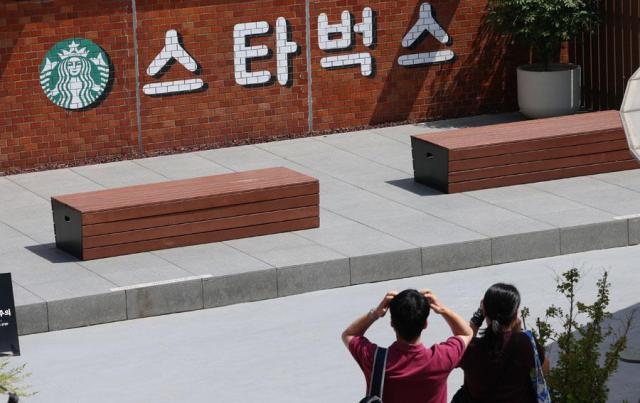
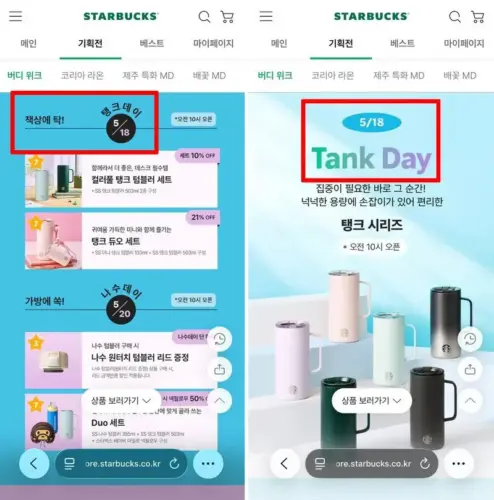
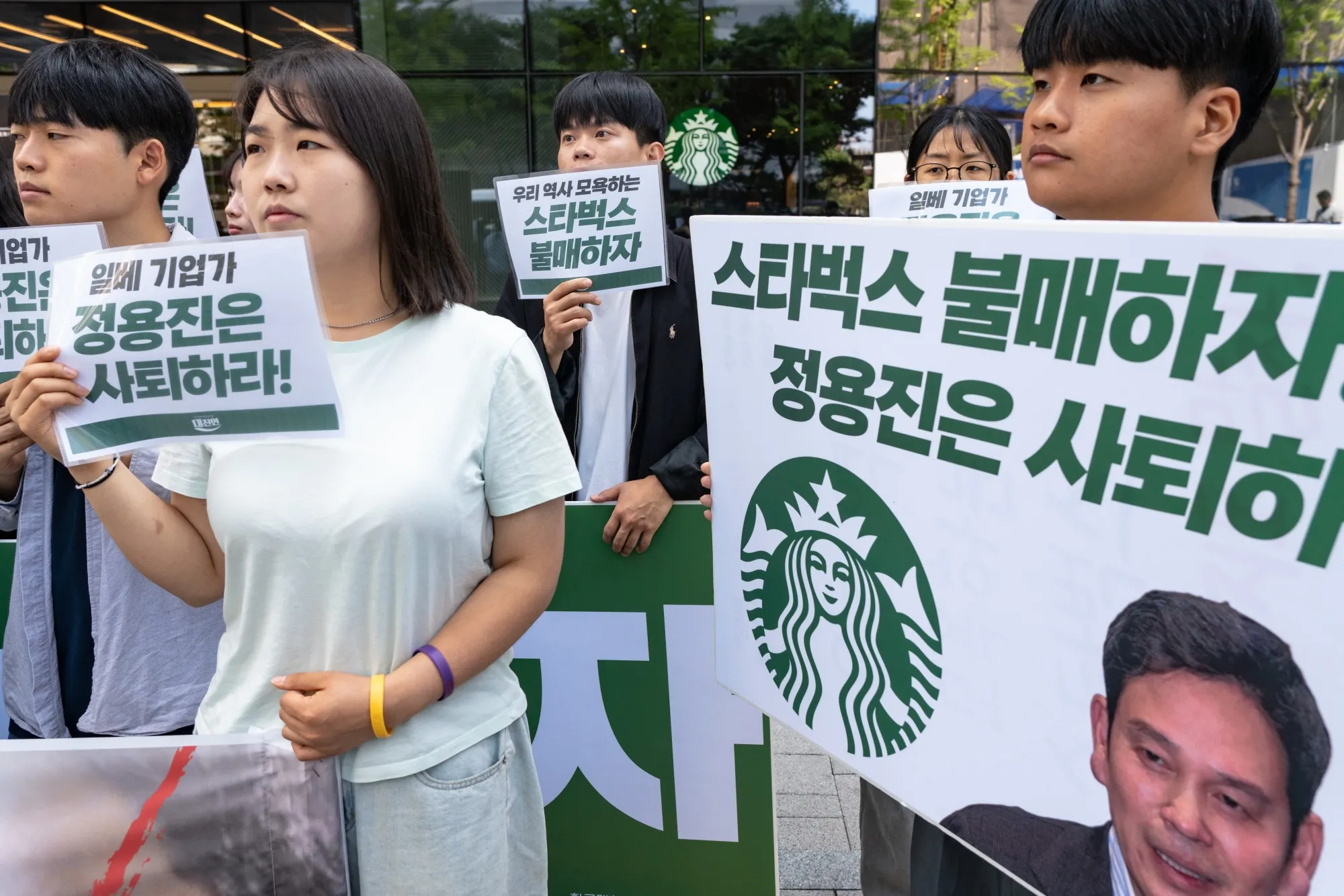
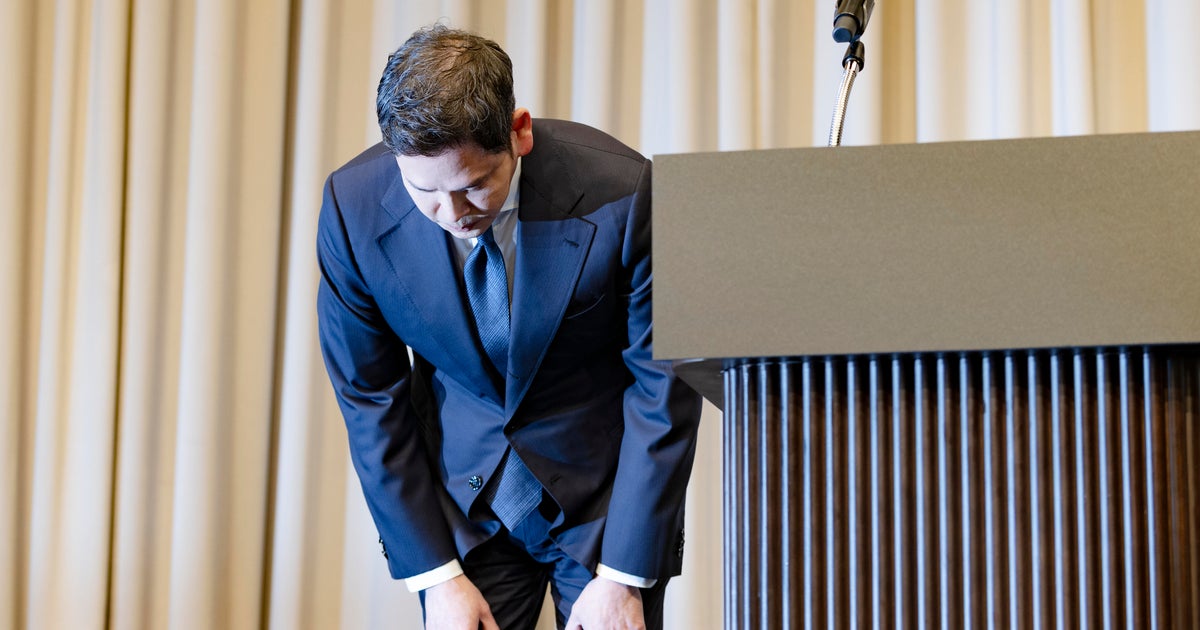
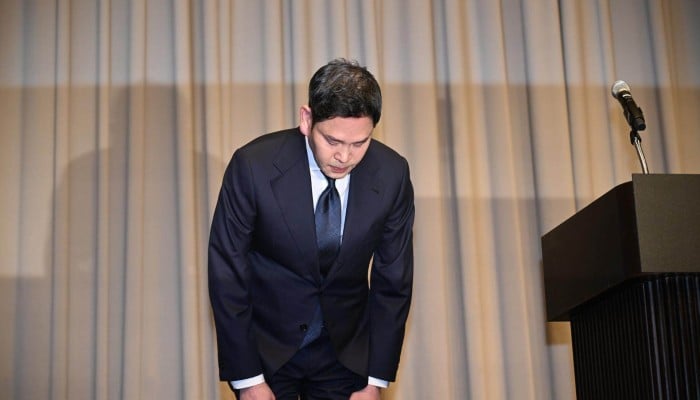
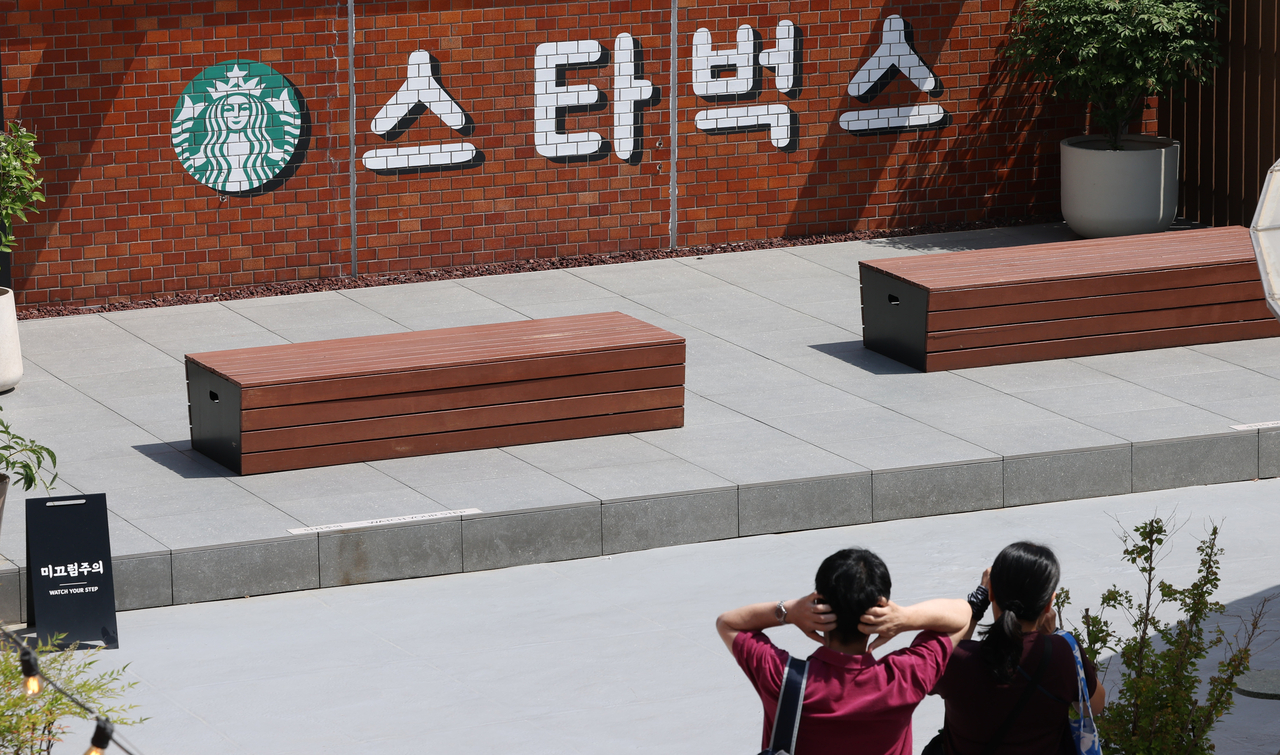
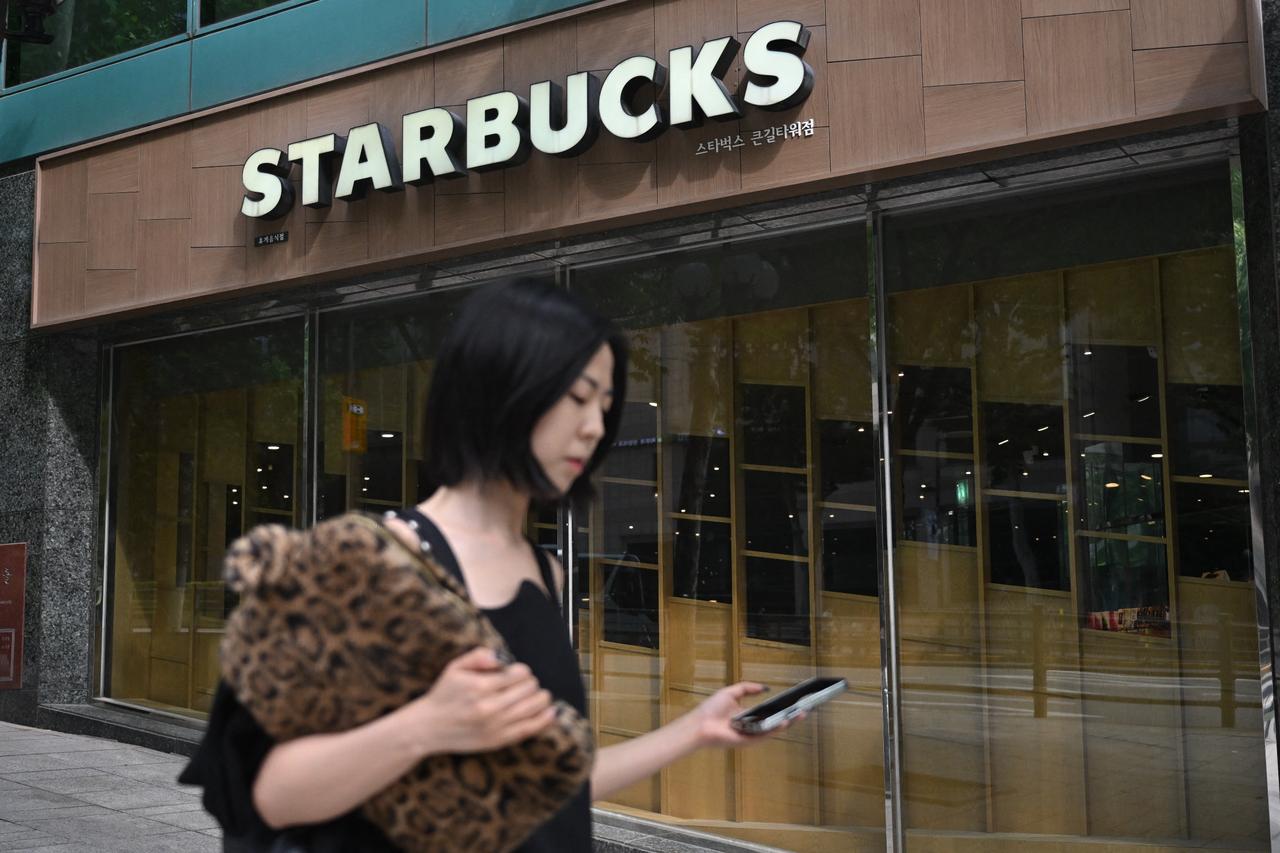
The Starbucks Korea marketing crisis represents a critical case study in cross-border e-commerce risk management, with direct implications for sellers operating in culturally sensitive markets. On May 18, 2026, Starbucks Korea launched a "Tank Day" tumbler promotion coinciding with the anniversary of the 1980 Gwangju Uprising—a pro-democracy massacre—triggering nationwide boycotts and a "very significant" sales decline. The incident exposed fundamental operational failures: Starbucks Korea's e-commerce team approved the campaign without proper risk assessment, legal review, or cultural context evaluation. This demonstrates how aggressive promotional velocity (weekly sales volume focus) can override critical compliance checkpoints in cross-border operations.
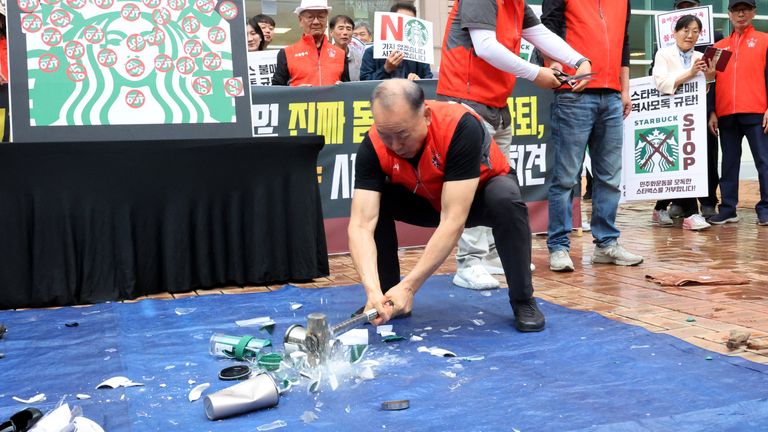
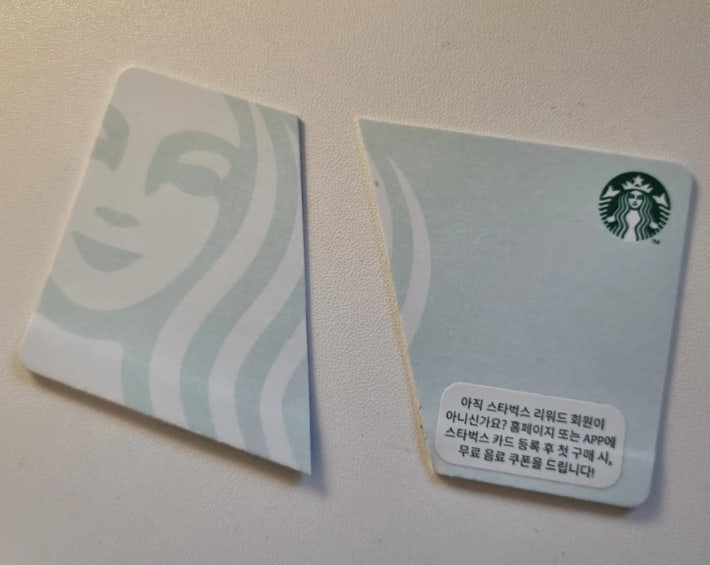
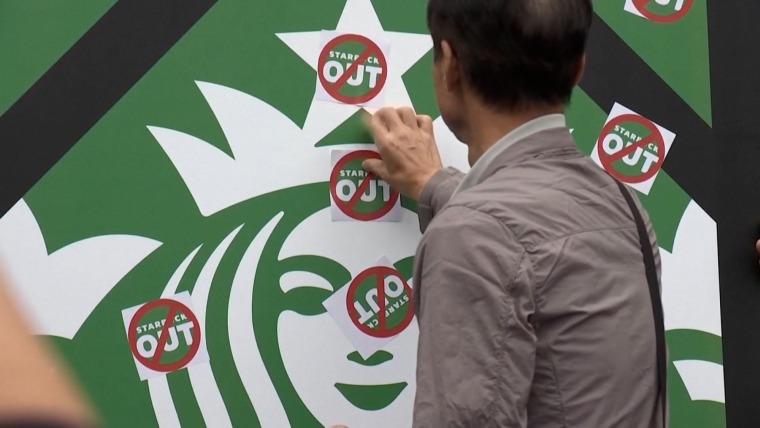
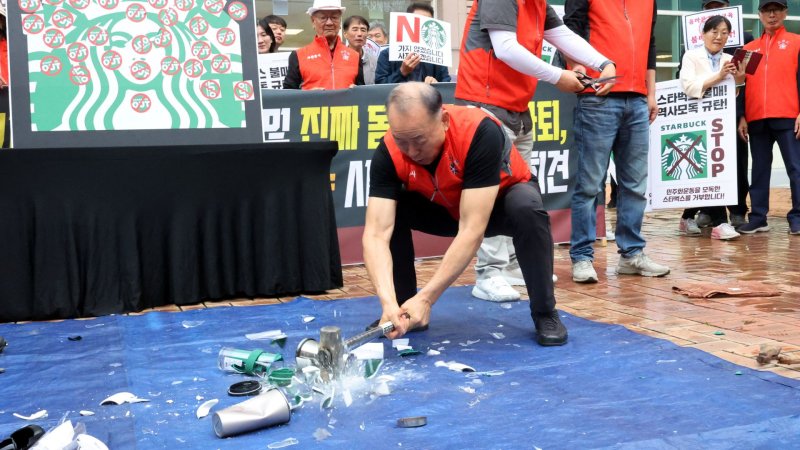
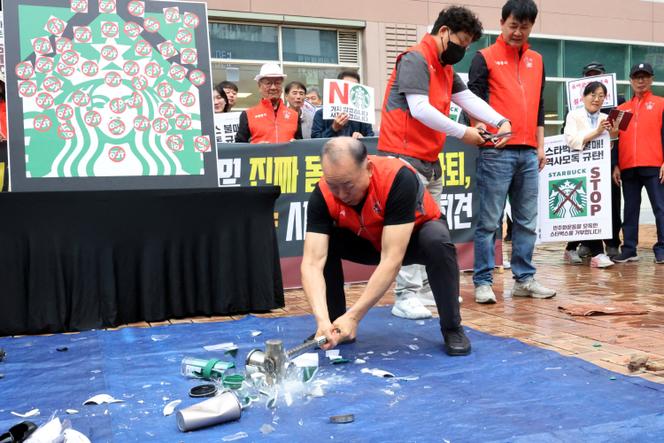
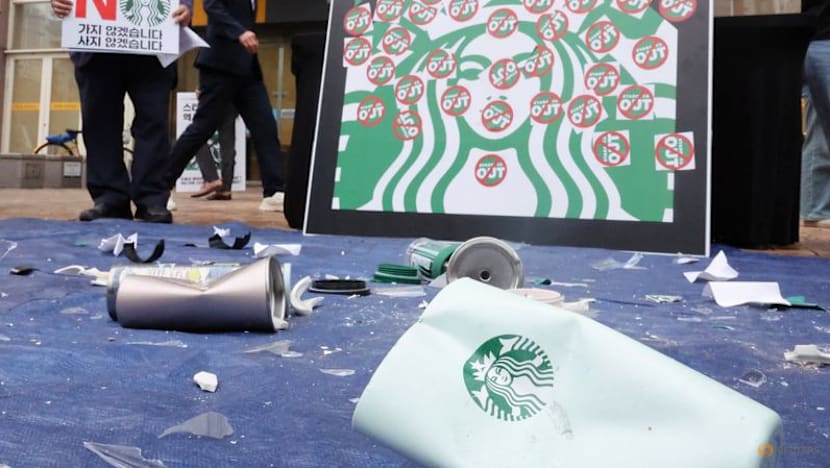
For e-commerce sellers, this incident reveals three critical vulnerabilities in international expansion strategies. First, cultural awareness protocols are now regulatory expectations, not optional best practices. South Korea's ruling Democratic Party signaled government intervention to prevent similar incidents, suggesting future marketing compliance requirements for foreign brands. Sellers launching products in Asia-Pacific markets must implement multi-level approval processes that include local cultural experts, not just marketing teams. Second, government procurement bans create immediate revenue loss. South Korea's Interior Minister announced the government would cease using Starbucks products at official events—a direct revenue impact that extends beyond consumer boycotts to institutional purchasing decisions. For sellers targeting government contracts or B2B channels in Asia, this signals that cultural missteps can trigger policy-level retaliation. Third, merchandise destruction during protests creates inventory and brand recovery costs. Activists physically destroyed Starbucks merchandise in public demonstrations, amplifying the crisis beyond social media to physical retail damage.
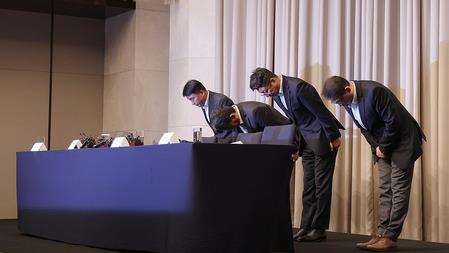
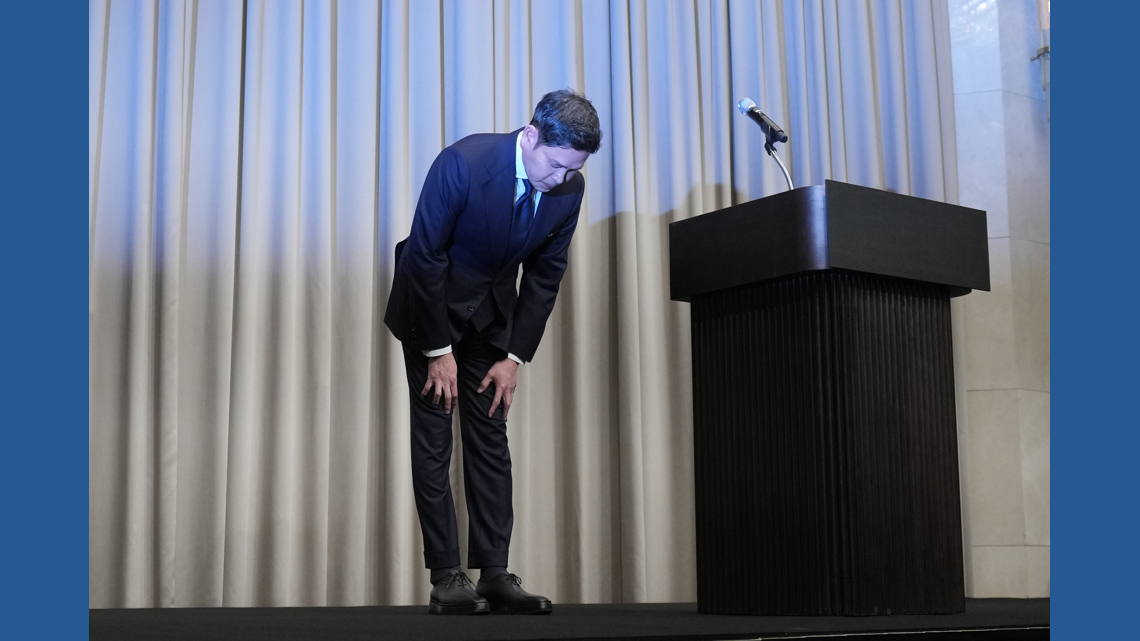
The operational lesson for cross-border sellers is structural: Starbucks Korea's investigation revealed that excessive focus on weekly promotional sales volume led to insufficient scrutiny of campaign content. This mirrors common e-commerce scaling problems where growth metrics override compliance. Sellers expanding to new markets must establish approval workflows that include: (1) local cultural calendar review (identifying sensitive dates 6+ months in advance), (2) third-party cultural sensitivity audits for campaigns, (3) legal review of promotional messaging in local context, and (4) executive sign-off from regional leadership, not just headquarters. The fact that Starbucks Global was kept informed but failed to catch the error suggests that centralized approval structures are insufficient for culturally complex markets. Shinsegae Group's response—terminating the Starbucks Korea CEO and implementing corrective measures—indicates that boards now hold leadership accountable for cultural risk management failures. For sellers, this means cultural compliance failures can trigger executive-level consequences and operational restructuring.
Questions 8
What regulatory changes might result from this incident for cross-border sellers?
South Korea's ruling Democratic Party indicated the government would work to prevent similar incidents, suggesting potential regulatory scrutiny of marketing practices for foreign brands. This could include: (1) mandatory cultural sensitivity audits for campaigns tied to historical events, (2) government review processes for foreign brand marketing in sensitive categories, (3) stricter approval requirements for merchandise promotions, and (4) potential penalties for cultural insensitivity violations. Sellers should monitor South Korean regulatory developments and implement proactive compliance protocols. The incident demonstrates that cultural risk management is transitioning from best practice to regulatory expectation in Asia-Pacific markets. Sellers should establish relationships with local legal and cultural advisors to track emerging compliance requirements.
Which seller segments face highest risk from cultural sensitivity failures?
Sellers operating in Asia-Pacific markets with strong national identity narratives face elevated risk, particularly those launching consumer products tied to commemorative dates or historical events. High-risk segments include: (1) beverage/food brands with promotional merchandise, (2) apparel sellers using historical imagery, (3) sellers targeting government procurement contracts, and (4) brands with centralized marketing teams unfamiliar with local contexts. The Starbucks case specifically impacts sellers in South Korea, Japan, and other markets with significant historical sensitivities. Younger consumers (under 35) showed some resilience to boycott calls, citing product quality and pricing, suggesting that brand recovery is possible but requires 6-12 months of consistent cultural respect messaging and operational transparency.