

DRC Ebola Crisis Disrupts Central Africa Supply Chains | Seller Logistics Alert
- 900+ suspected cases trigger movement restrictions affecting inventory fulfillment in Ituri, North Kivu, South Kivu provinces; cross-border sellers face 2-4 week shipping delays






































Overview
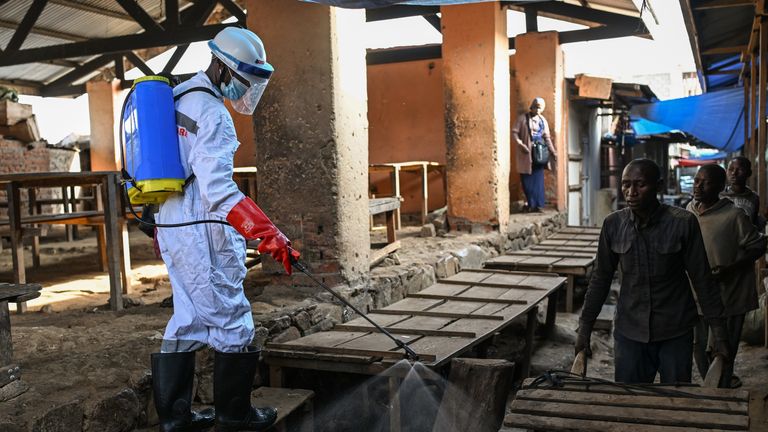
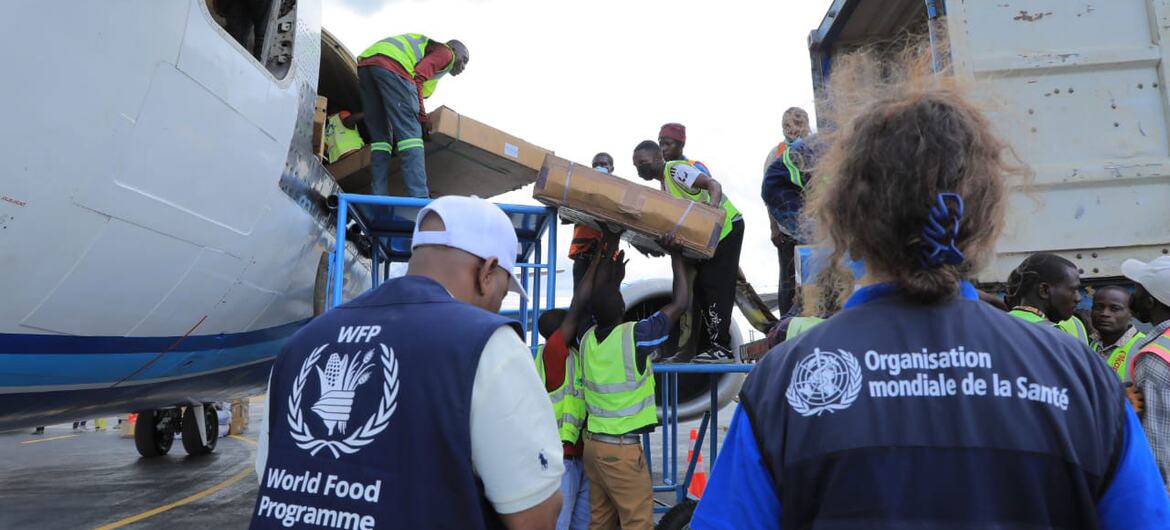
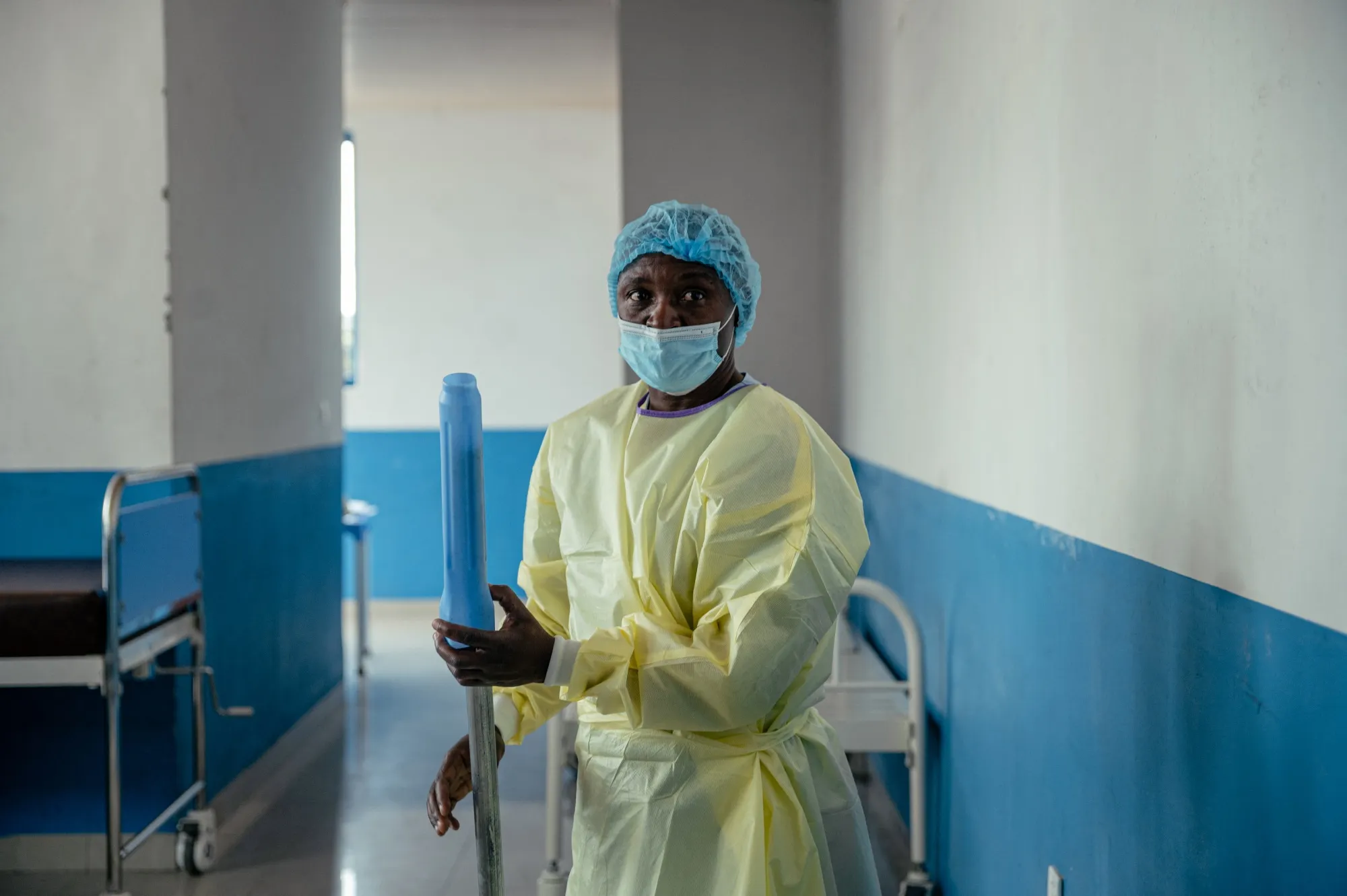
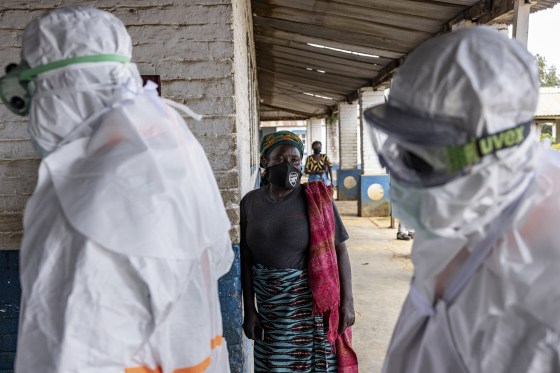
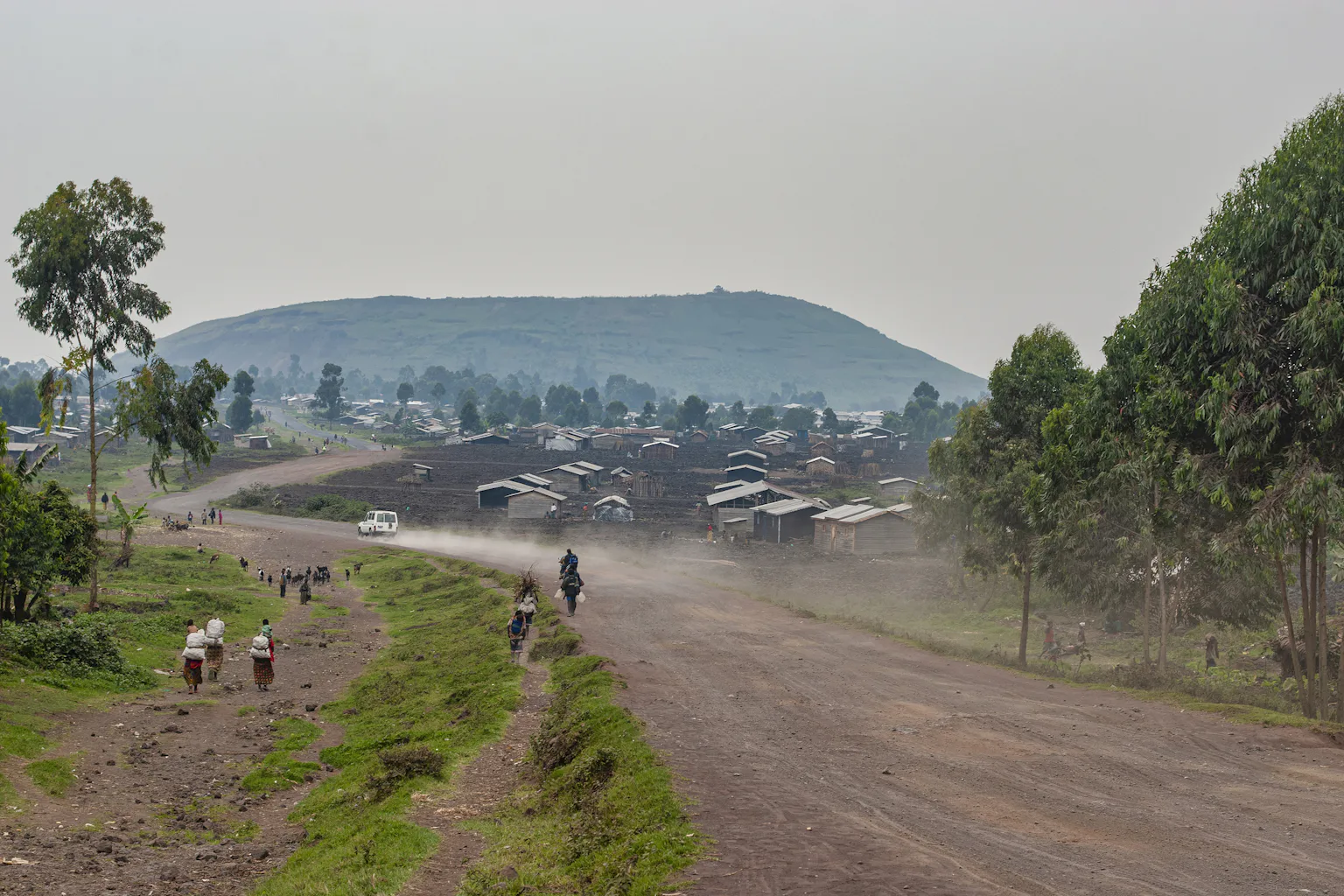
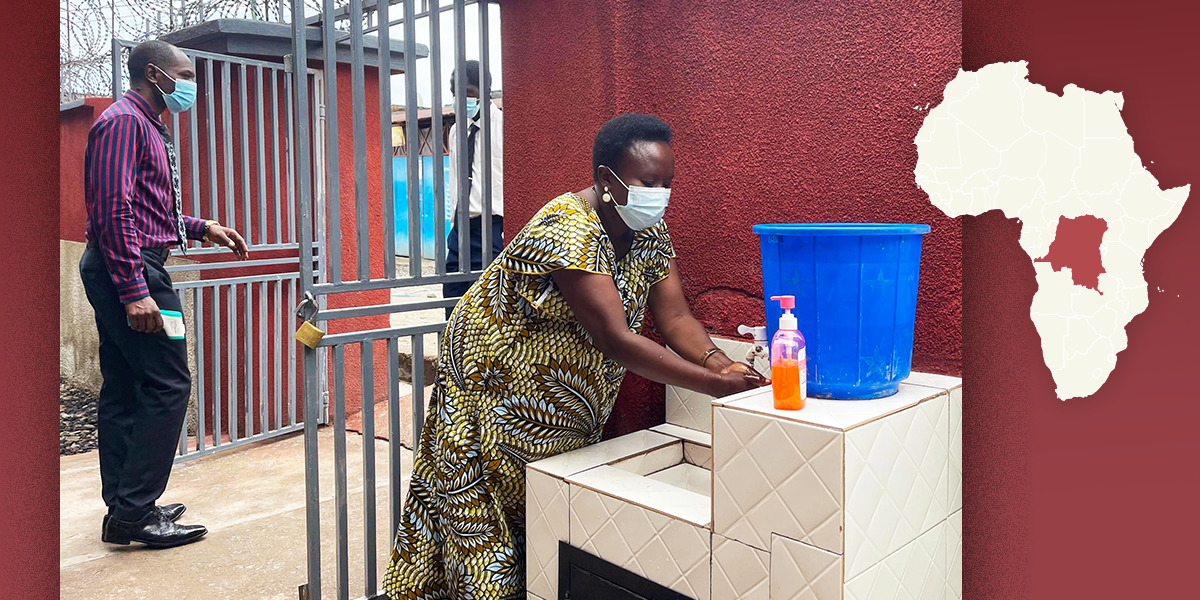
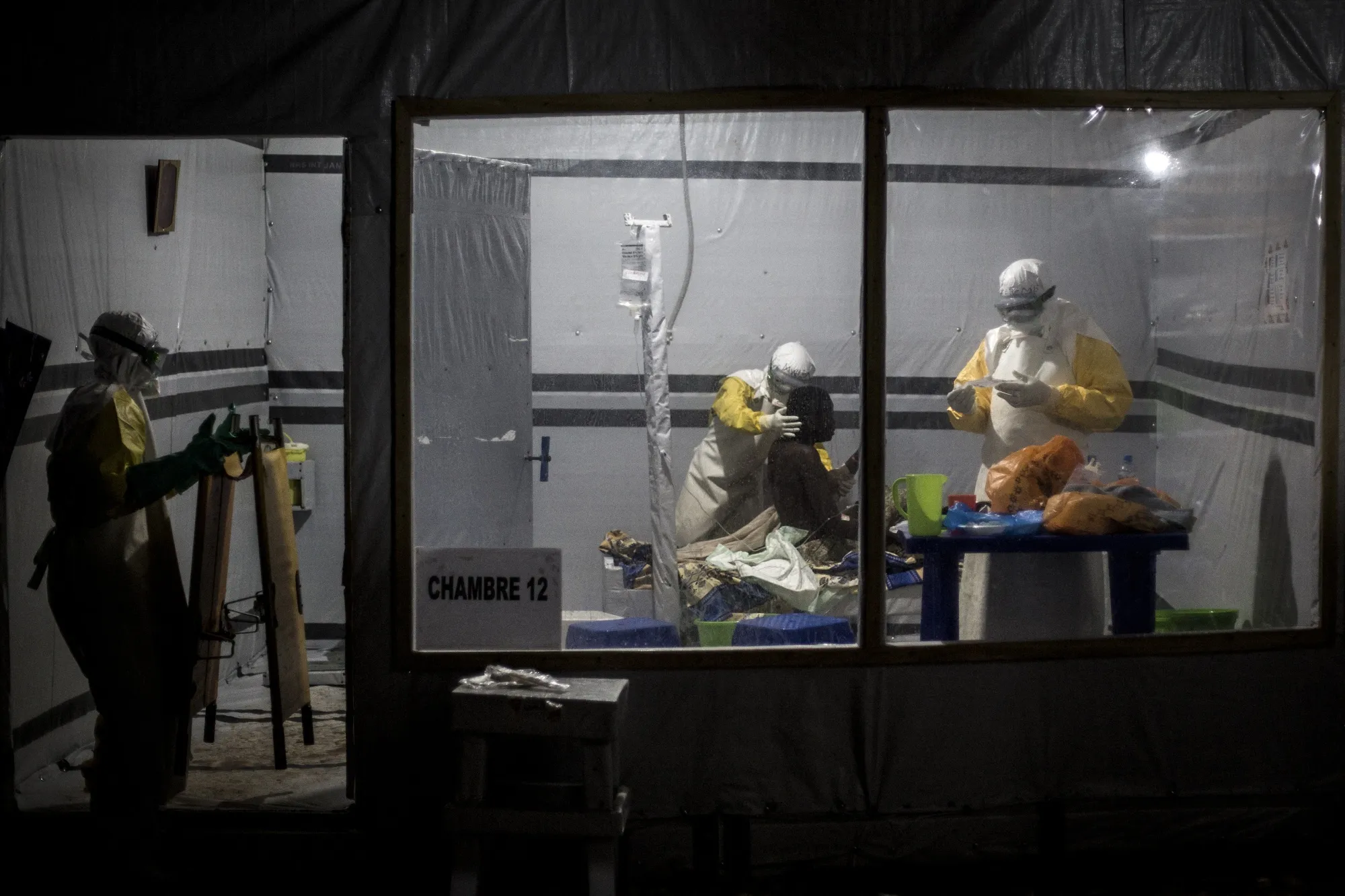
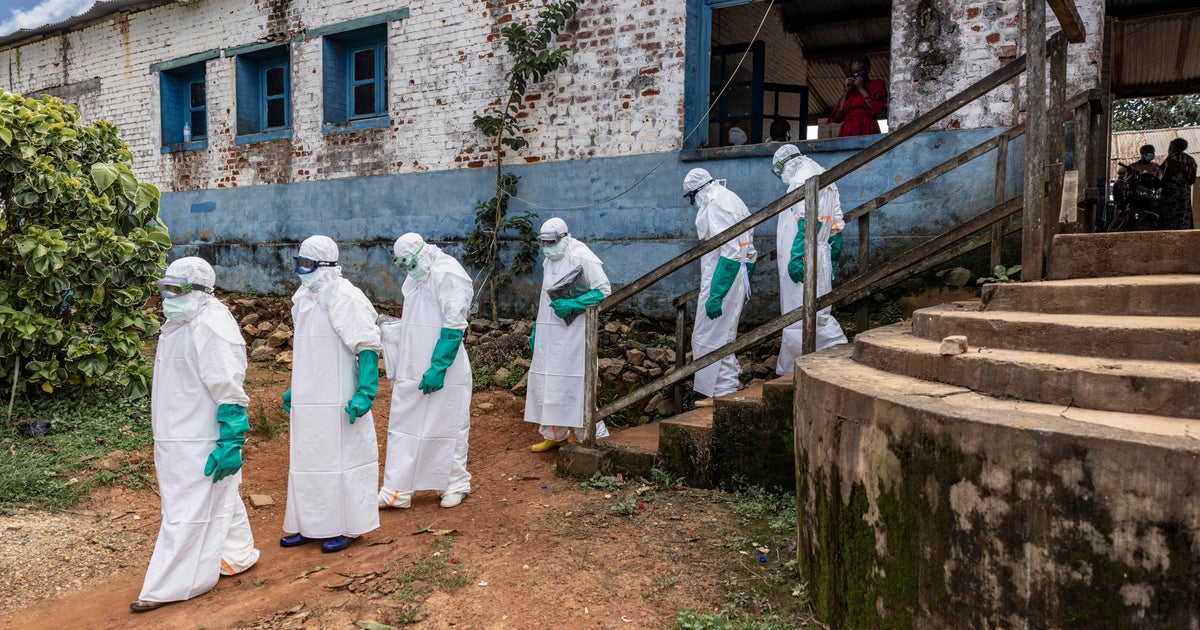
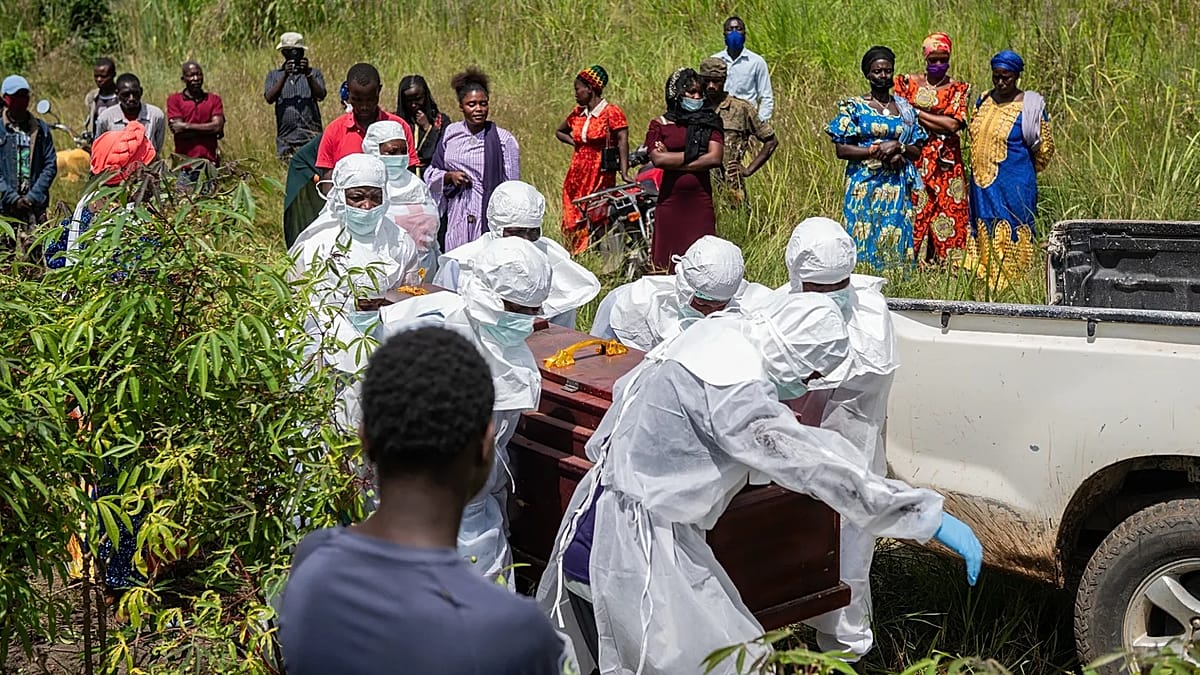
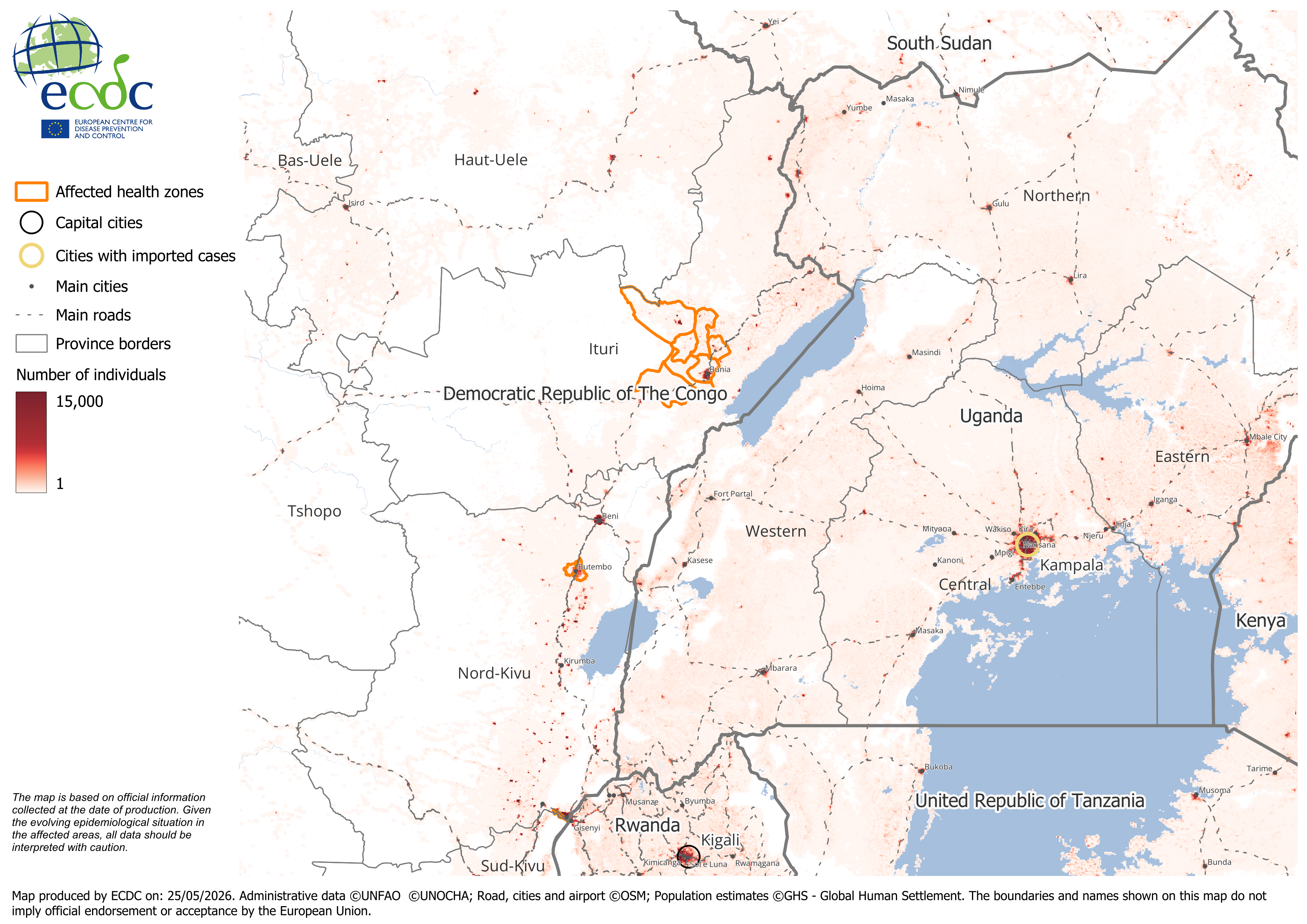
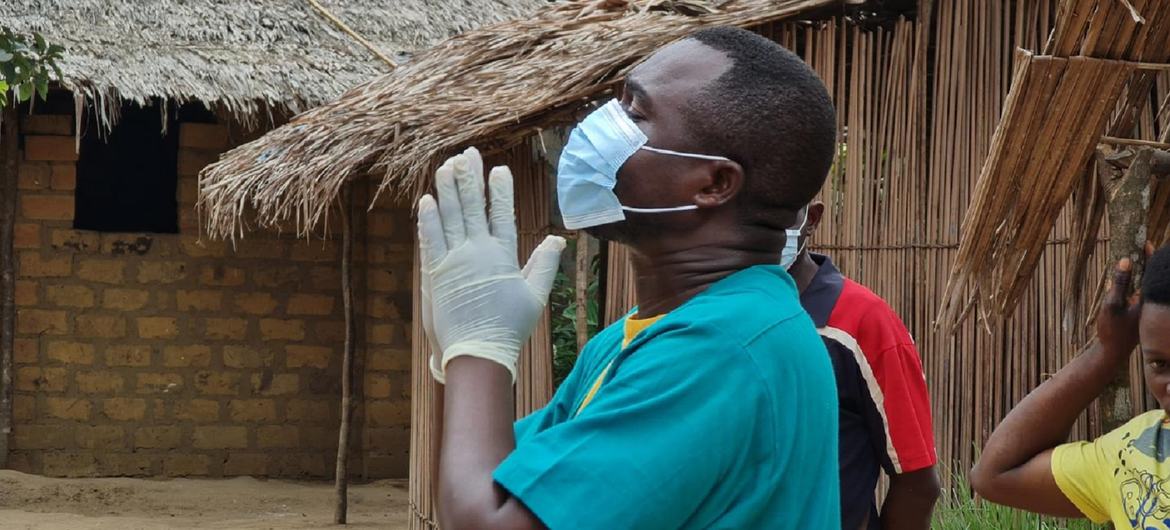
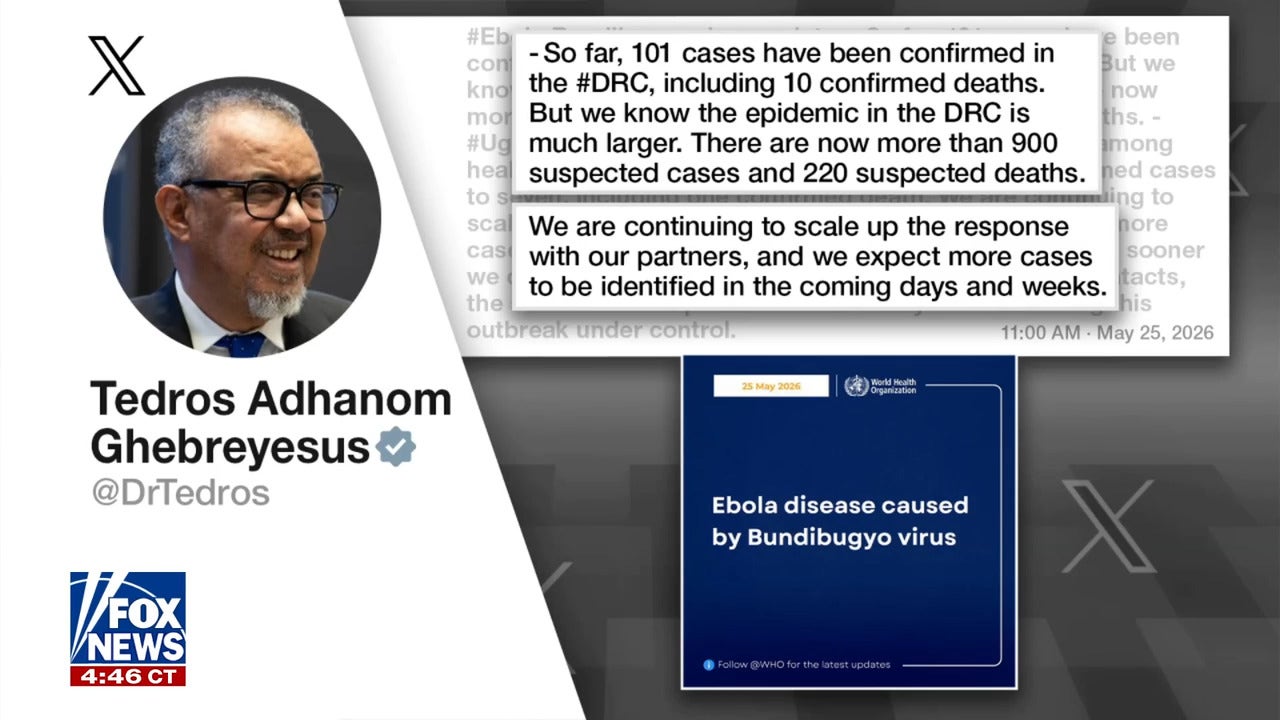
The Bundibugyo ebolavirus outbreak declared in the Democratic Republic of Congo on May 15, 2026, represents a critical supply chain disruption event for cross-border e-commerce sellers operating in or sourcing from Central Africa. As of late May 2026, the WHO classified the outbreak as a public health emergency of international concern, with 900+ suspected cases and 223+ deaths concentrated in Ituri province's commercial hubs (Bunia, Mongbwalu, Rwampara) and spreading to North Kivu, South Kivu, and Uganda. This outbreak directly impacts sellers through three operational channels: (1) logistics network disruptions in affected provinces due to movement restrictions and health precautions; (2) supplier delays for sellers sourcing materials from DRC manufacturing regions; and (3) cross-border trade complications affecting the nine at-risk African nations identified by Africa CDC (Angola, Burundi, Central African Republic, Ethiopia, Kenya, Rwanda, South Sudan, Tanzania, Zambia).
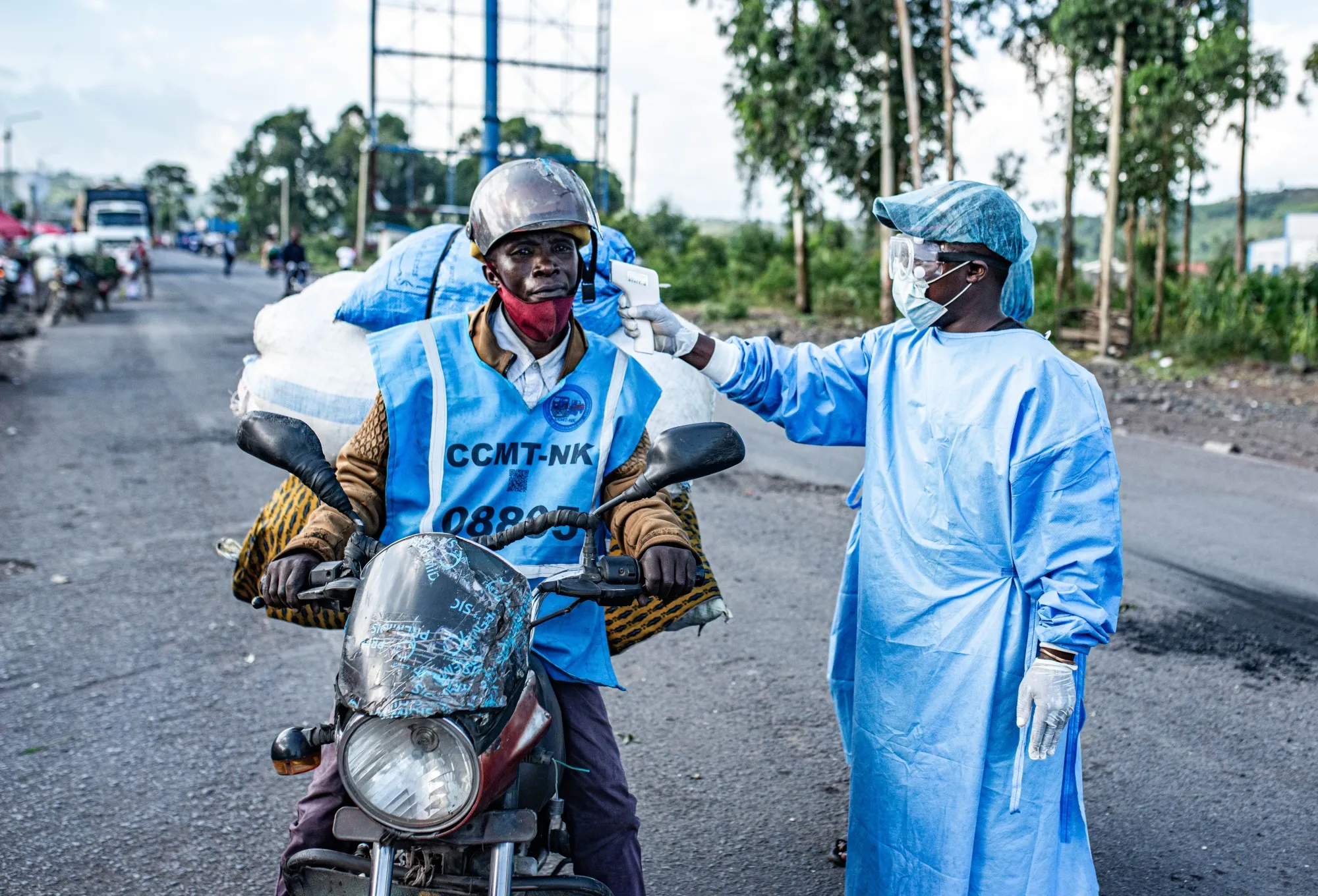
Operational Impact on E-Commerce Sellers: Sellers with fulfillment centers, warehouses, or 3PL partnerships in Ituri, North Kivu, or South Kivu provinces should anticipate 2-4 week inventory movement delays and potential temporary suspension of inbound/outbound shipments. The military governor of Ituri province emphasized the outbreak is "outpacing response efforts," with community resistance (including attacks on health facilities in Mongbwalu where isolation tents were burned and 18 patients fled) complicating containment and extending restrictions. The rare Bundibugyo strain lacks approved vaccines or targeted medications, with vaccine development estimated at 9-month timeline, suggesting prolonged regional instability. Neighboring countries implementing precautionary border measures will further compress logistics corridors for sellers routing inventory through Central African trade routes.
Supply Chain Vulnerability Assessment: Sellers sourcing minerals, agricultural products, or manufactured goods from DRC face supplier production halts and export documentation delays. The conflict-affected region's ongoing militia violence (Hema-Lendu ethnic tensions over land and mineral resources) compounds health crisis response, creating dual-layer supply chain risk. The Africa Centres for Disease Control coordinated a $319 million cross-border response plan (with only $10 million initially secured), indicating resource constraints that may delay infrastructure recovery. Sellers should diversify sourcing away from affected provinces and consider alternative logistics routes through South Africa or East African ports to avoid 3-6 week cumulative delays.
Recommended Seller Actions: Monitor WHO situation reports and DRC government movement restriction announcements weekly. Contact 3PL providers immediately to confirm inventory status in affected provinces and establish alternative fulfillment routing. For sellers with active DRC suppliers, implement 30-day inventory buffers and shift sourcing to unaffected regions (South Kivu alternatives, neighboring countries). Update customer communication templates for potential 2-4 week delays on affected SKUs. Consider temporary price adjustments (+5-8%) to offset extended logistics costs. Track vaccine development progress (9-month timeline from May 2026 = February 2027 potential availability) as a recovery indicator for normalizing operations by Q2 2027.
Questions 7
What contingency plans should my 3PL provider have for DRC operations?
Require your **3PL to provide weekly status updates** on inventory in affected provinces and confirm alternative routing capabilities. Verify they have backup fulfillment centers outside Ituri, North Kivu, and South Kivu provinces. Request written contingency plans for: (1) inventory relocation timelines and costs, (2) alternative shipping routes through South Africa or East Africa, (3) temporary storage solutions if movement restrictions extend beyond 4 weeks, (4) communication protocols for restriction changes. Negotiate temporary fee waivers or credits for extended storage during force majeure period. Consider switching 3PLs if current provider lacks contingency capacity—this is a critical test of logistics resilience.
How does the DRC Ebola outbreak affect my inventory fulfillment timelines?
Sellers with fulfillment operations in Ituri, North Kivu, or South Kivu provinces should expect **2-4 week delays** in inventory movement due to WHO-mandated movement restrictions and health precautions. The outbreak, declared May 15, 2026, with 900+ suspected cases, has triggered temporary suspension of non-essential logistics in affected commercial hubs (Bunia, Mongbwalu, Rwampara). Contact your 3PL provider immediately to confirm inventory status and establish alternative routing through unaffected provinces or neighboring countries. Delays may extend to 6 weeks if cross-border restrictions tighten. Monitor WHO situation reports weekly for restriction updates.