


Strait of Hormuz Shipping Crisis | Cross-Border Sellers Face 15-25% Logistics Cost Surge
- Military escalation closes 21% of global petroleum corridor; maritime shipping delays spike 20-35 days; oil prices volatile ($91-98/barrel); peace negotiations ongoing with 60-day ceasefire extension proposed




































Overview
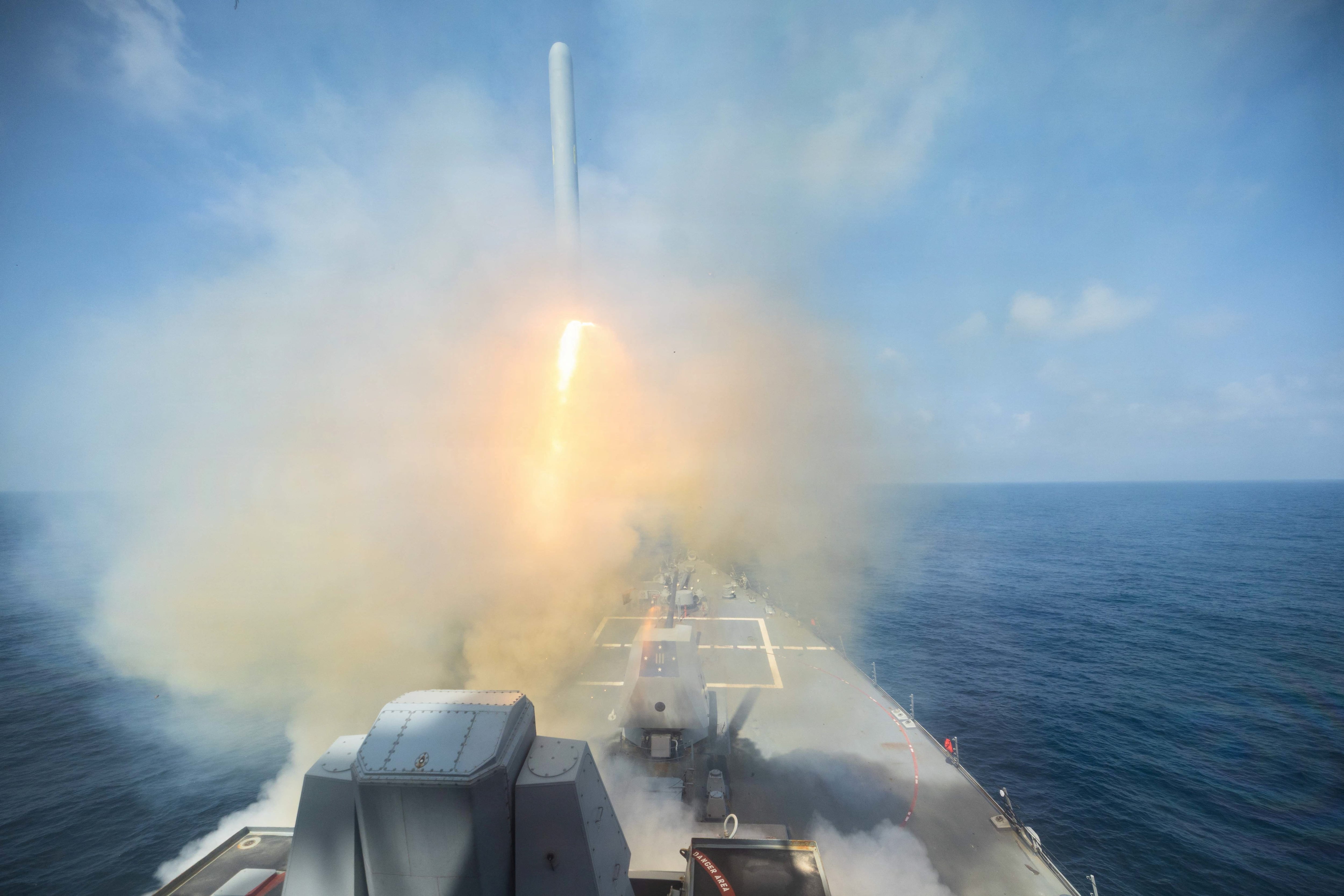
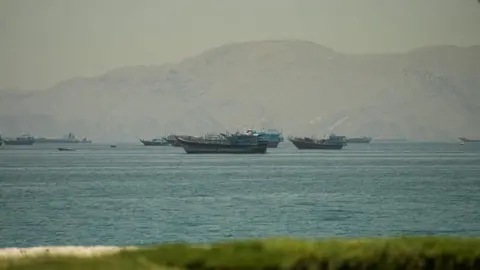
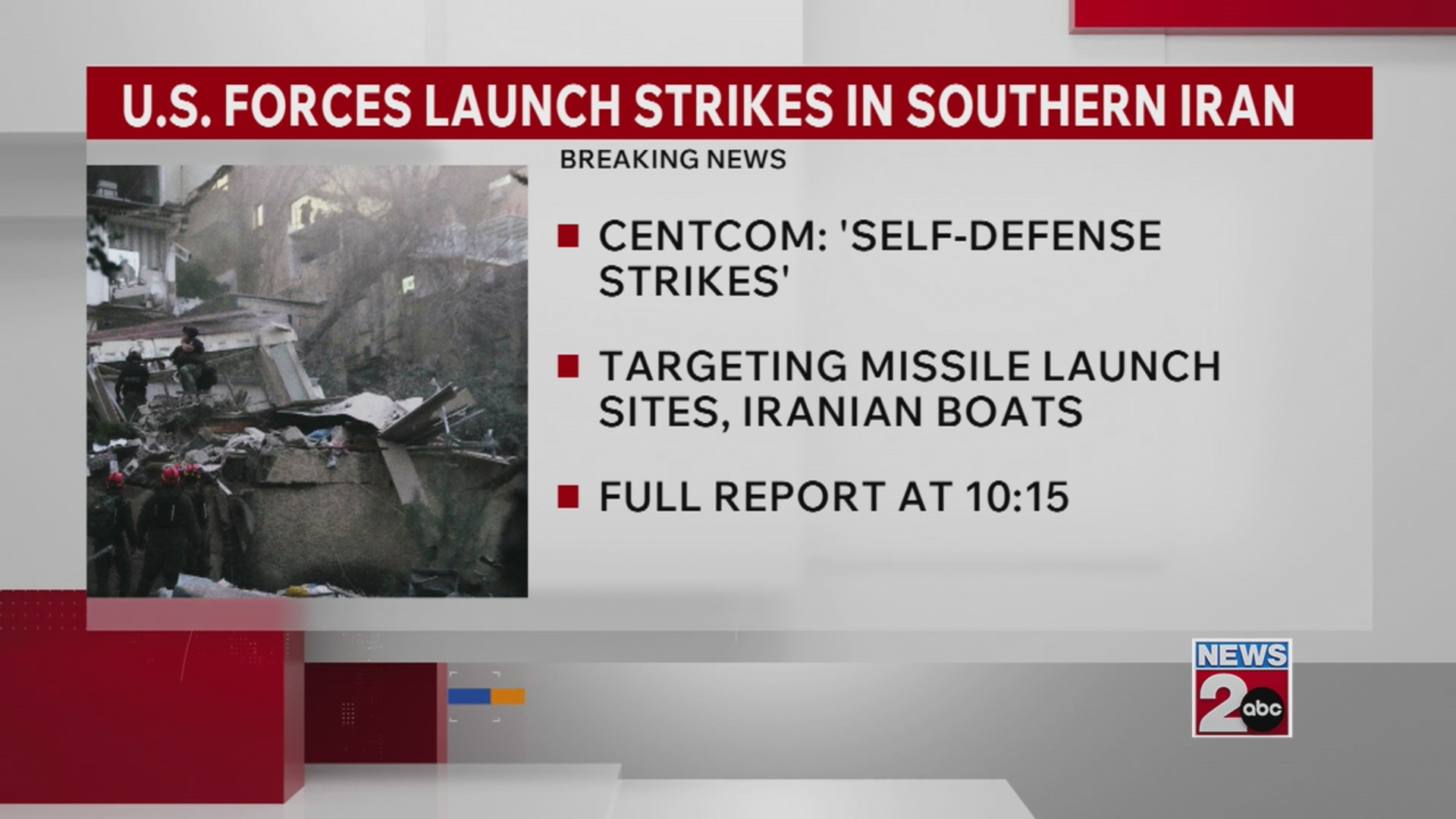
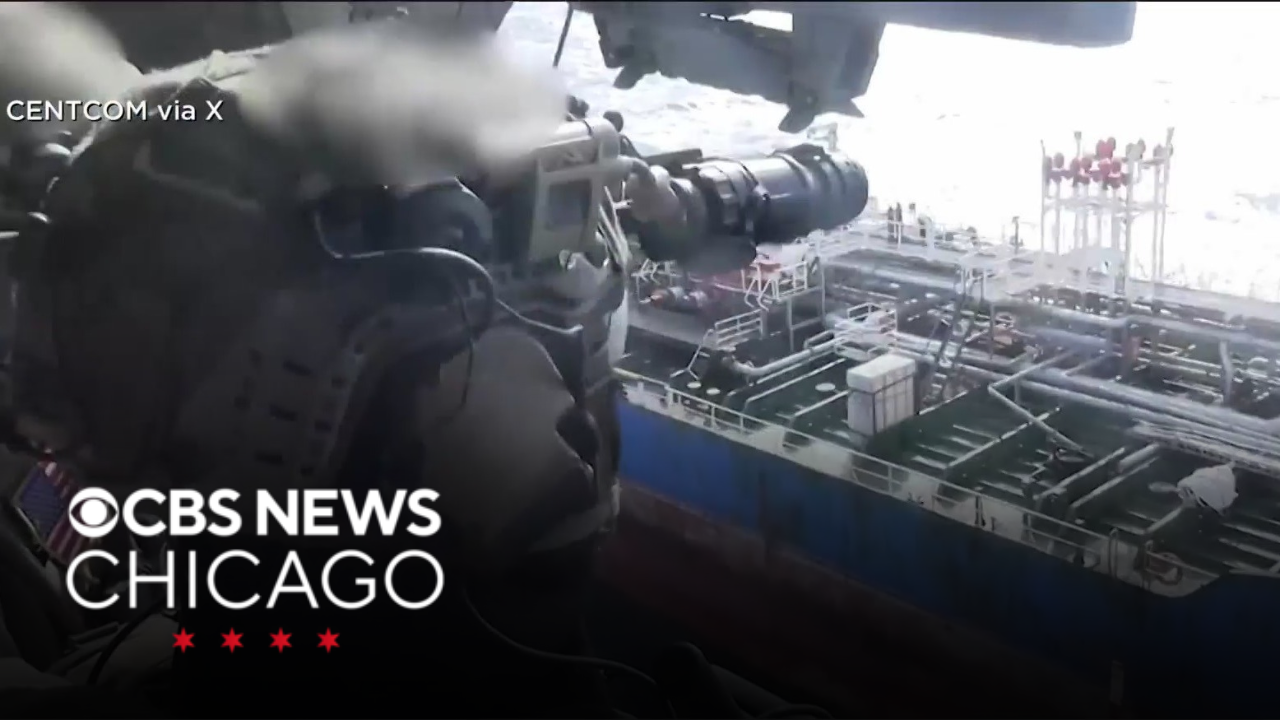
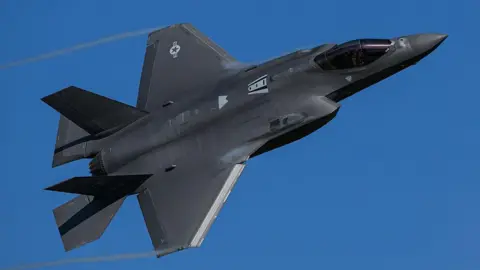
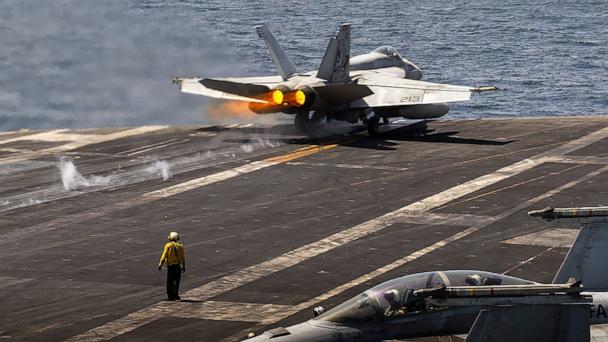
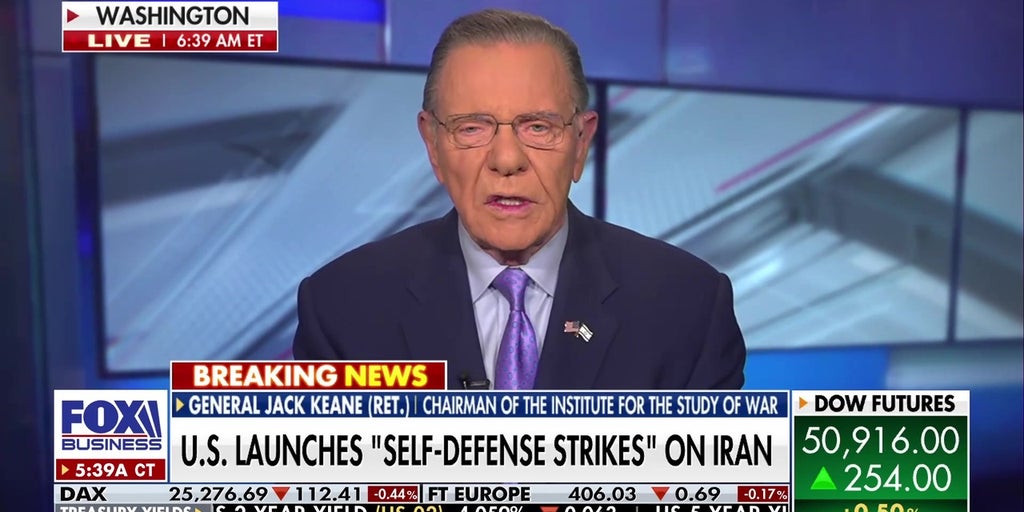
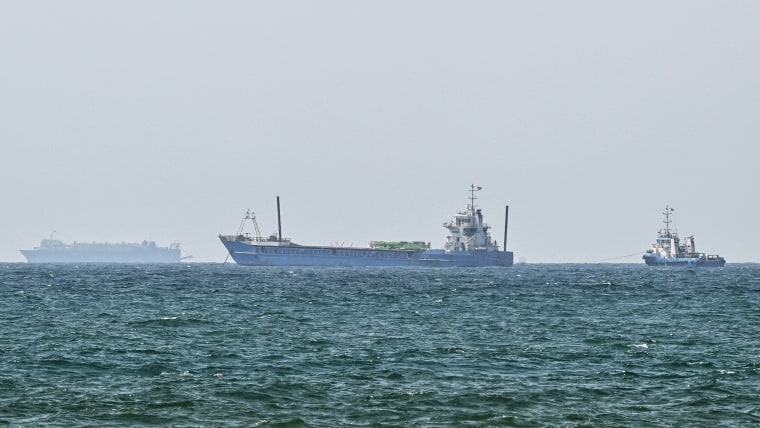
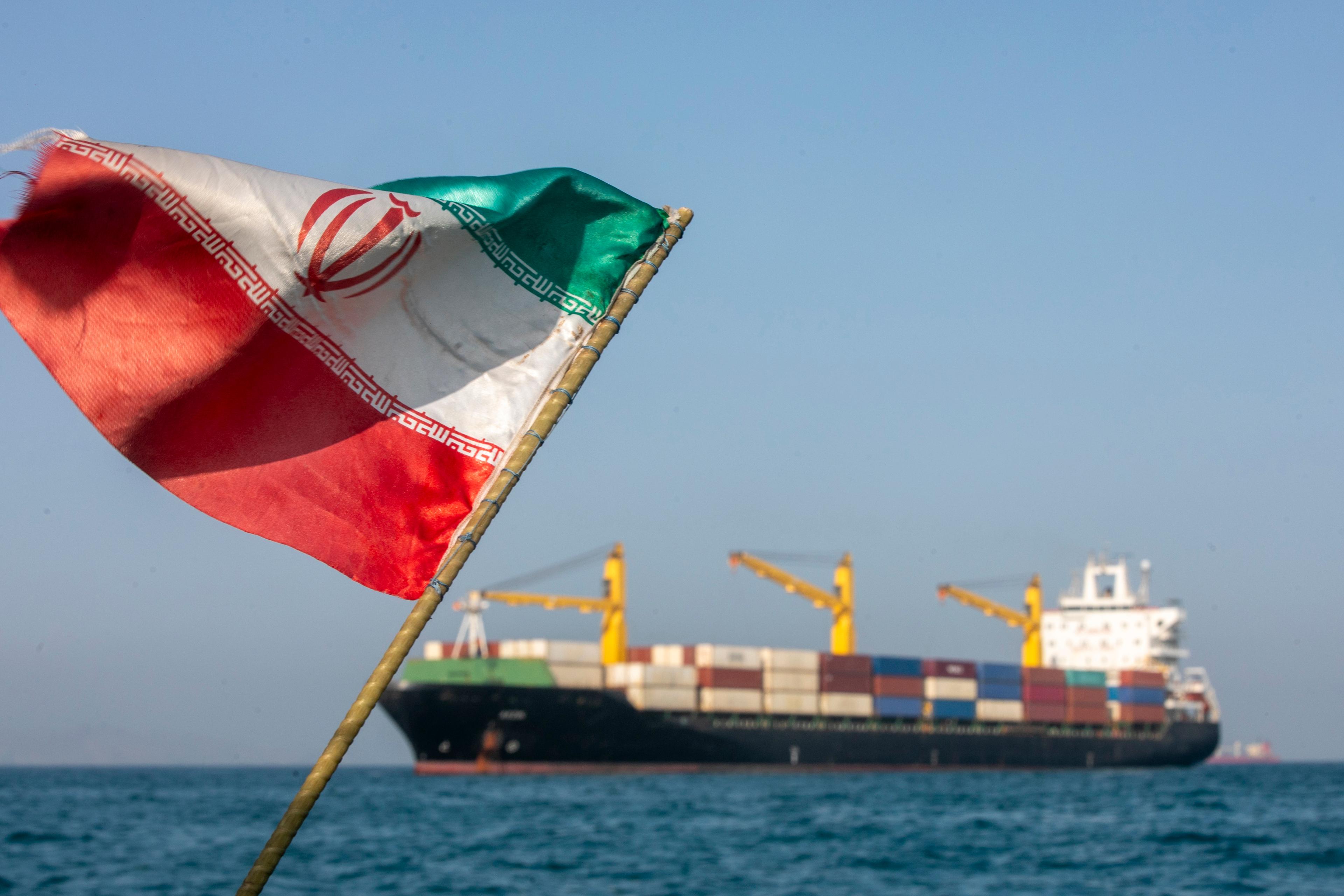
The escalating US-Iran military conflict represents a critical supply chain disruption for cross-border e-commerce sellers, with direct implications for shipping costs, delivery timelines, and market access. The Strait of Hormuz—through which approximately 21% of world petroleum passes—has been effectively closed due to military tensions, forcing maritime carriers to reroute shipments through longer alternative routes (Suez Canal, Cape of Good Hope). This closure directly impacts all sellers relying on ocean freight, particularly those shipping high-volume, time-sensitive goods from Asia to North America and Europe.
Immediate Logistics Impact: Sellers using ocean freight are experiencing 20-35 day shipping delays compared to standard 15-20 day transit times through the Strait. This translates to 15-25% increases in logistics costs due to longer routes, increased fuel consumption, and premium surcharges imposed by carriers. For a seller shipping 500 containers monthly from China to the US, this represents an additional $75,000-150,000 monthly cost burden. FBA sellers face particular vulnerability as inventory delays compress margins and risk stockouts during peak selling seasons. The volatility in oil prices (WTI declining 5% to $91.87/barrel while Brent crude rose $2.14 to $98.20) creates unpredictable carrier surcharges that fluctuate weekly.
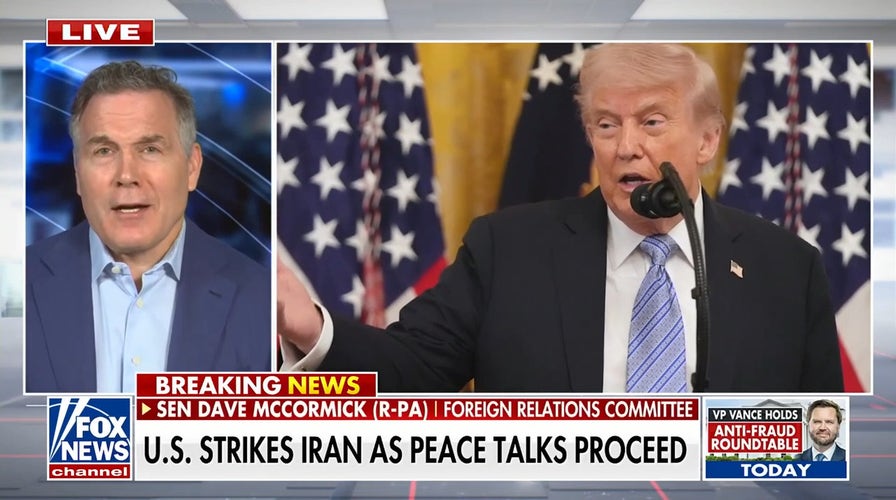
Market Access Restrictions: Beyond logistics, the geopolitical situation creates sanctions risks for sellers with Iranian connections or those serving Middle Eastern markets. The proposed memorandum of understanding includes nuclear program negotiations and sanctions language disputes that remain unresolved. Sellers currently sourcing from or selling to Iran, UAE, Saudi Arabia, and other Gulf states face potential trade restrictions. Additionally, the month-long internet blackout in Iran (recently partially restored) has disrupted e-commerce operations for Iranian sellers and created barriers to digital payment processing. The Abraham Accords normalization efforts signal potential market opening in Arab nations, but this remains contingent on comprehensive peace agreement finalization.
Competitive Dynamics: Large sellers with diversified 3PL networks and air freight capacity gain competitive advantages during this disruption. Mid-sized sellers (100-500 monthly shipments) face margin compression of 8-12% as they absorb higher logistics costs without pricing power. Small sellers (<100 monthly shipments) may shift to air freight despite 3-4x higher costs, or delay inventory replenishment, risking stockouts. Sellers with established relationships in Vietnam, India, and Southeast Asia gain sourcing advantages as buyers seek alternatives to China-dependent supply chains. The 60-day ceasefire extension (if finalized) provides a critical window for sellers to rebalance inventory and negotiate long-term logistics contracts before potential escalation.
Questions 8
How does the Strait of Hormuz closure affect product category competitiveness?
High-volume, low-margin categories (electronics, home goods, apparel) face the greatest margin compression from shipping cost increases. A seller in consumer electronics with 15% gross margins loses 2-3% margin points to logistics cost increases, reducing net profit by 13-20%. Conversely, high-margin categories (luxury goods, specialty items, collectibles) can absorb shipping increases more easily. Time-sensitive categories (seasonal goods, fashion, perishables) face stockout risks and demand destruction if shipments delay 20-35 days. Sellers should prioritize inventory allocation toward high-margin SKUs and consider temporary price increases (3-5%) for categories with inelastic demand to offset logistics cost increases.
What is the timeline for Strait of Hormuz reopening and how should sellers plan accordingly?
The proposed memorandum of understanding includes a 60-day ceasefire extension with ongoing nuclear program negotiations, suggesting potential reopening within 60-90 days if diplomatic talks succeed. However, negotiations have stalled over sanctions language disputes, creating uncertainty. Sellers should plan for two scenarios: (1) Optimistic case—Hormuz reopens within 60 days, allowing return to normal shipping routes and 15-20% cost reductions by Q2 2025; (2) Pessimistic case—escalation continues, forcing permanent route changes and 15-20% sustained cost increases. Monitor Cabinet meetings and diplomatic announcements weekly; if negotiations fail, expect immediate 10-15% carrier surcharge increases. Lock in logistics contracts with 30-60 day price guarantees to hedge against further escalation.