



Resilience and Comeback Dynamics in High-Stakes Competition
- Strategic Turnaround Lessons from Buffalo Bills' Remarkable Performance





















Overview
Competitive resilience emerges as a critical strategic indicator in high-pressure environments, as exemplified by the Buffalo Bills' extraordinary performance against the New England Patriots. The game's narrative transcends mere sports statistics, revealing profound insights into momentum management and strategic adaptation.
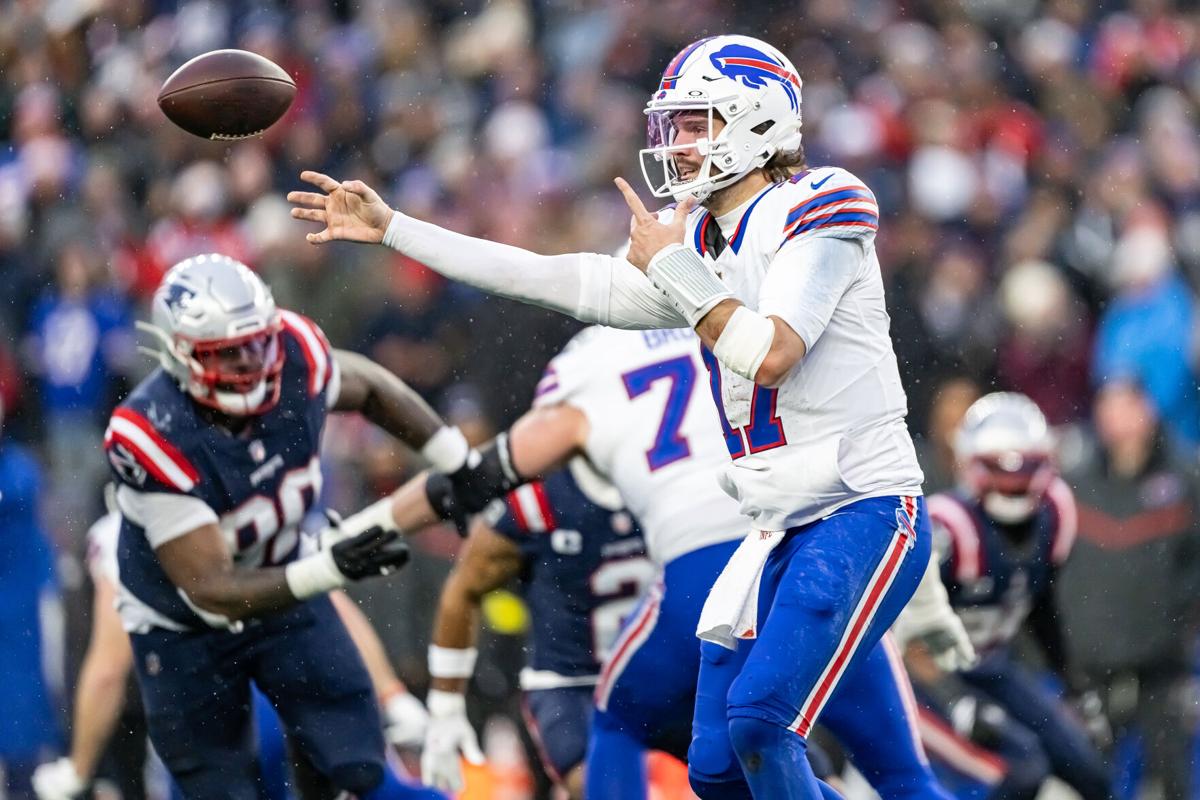
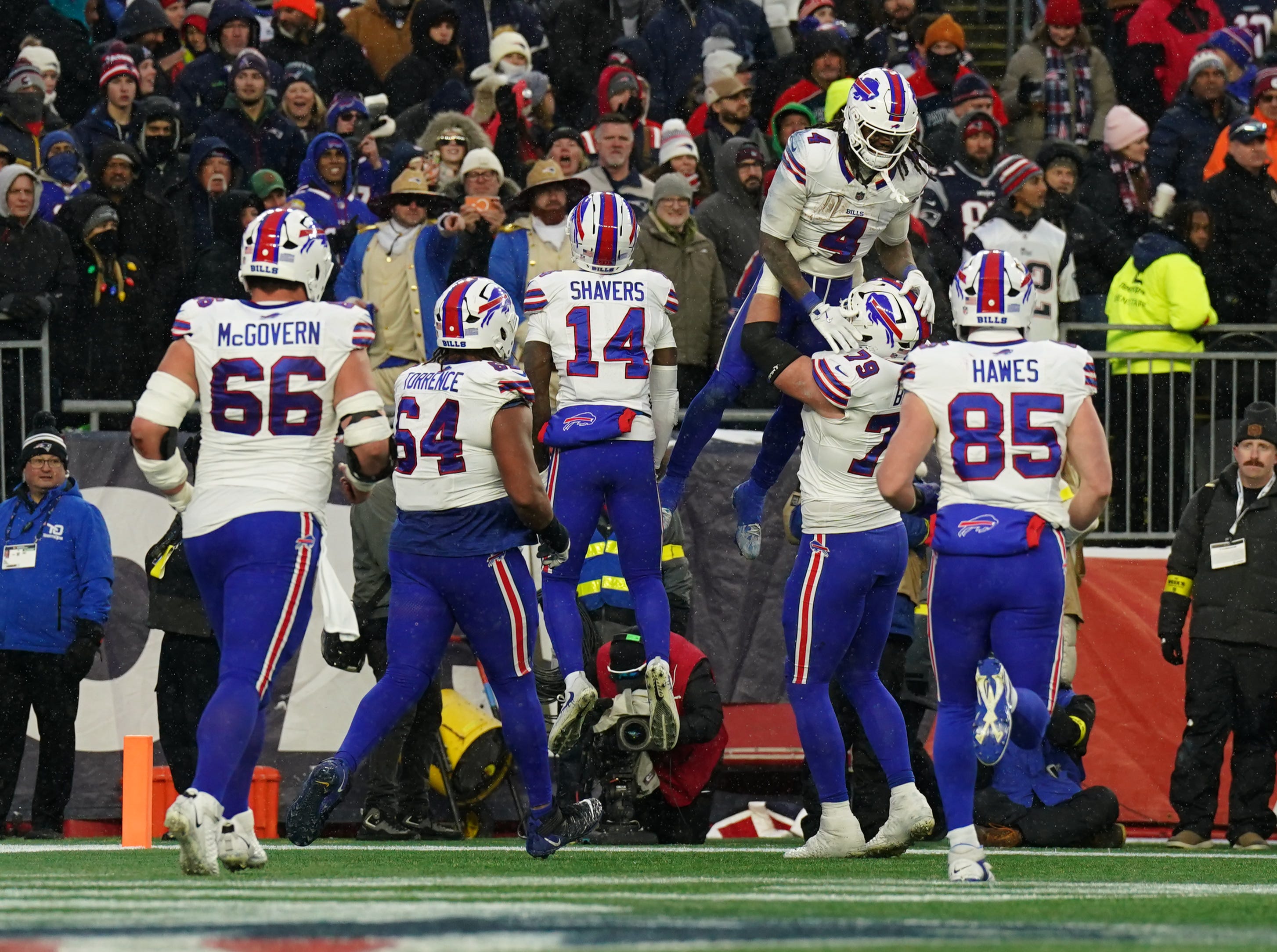
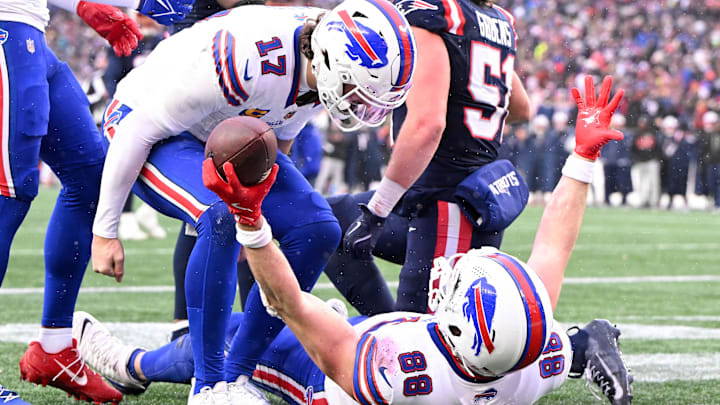
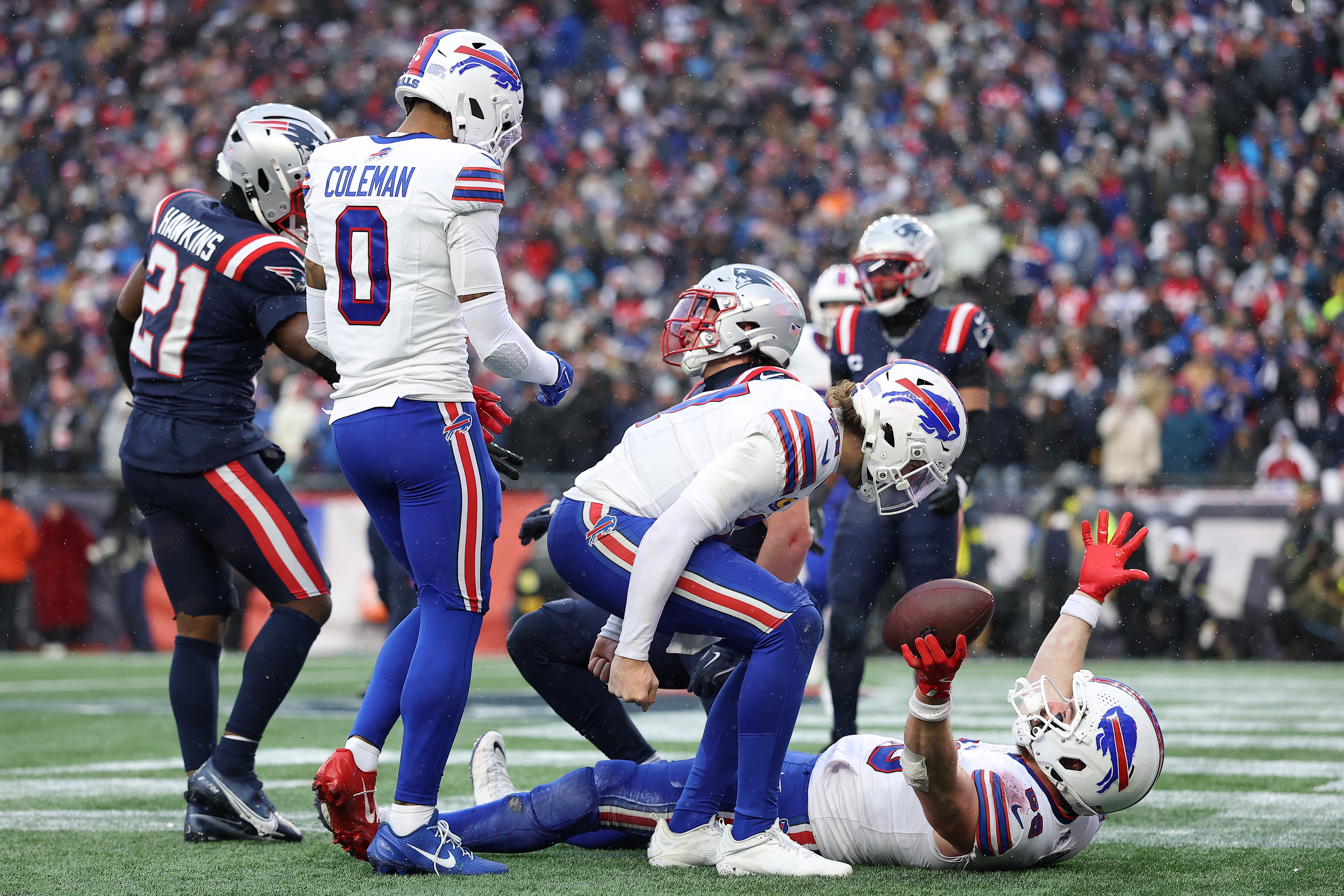
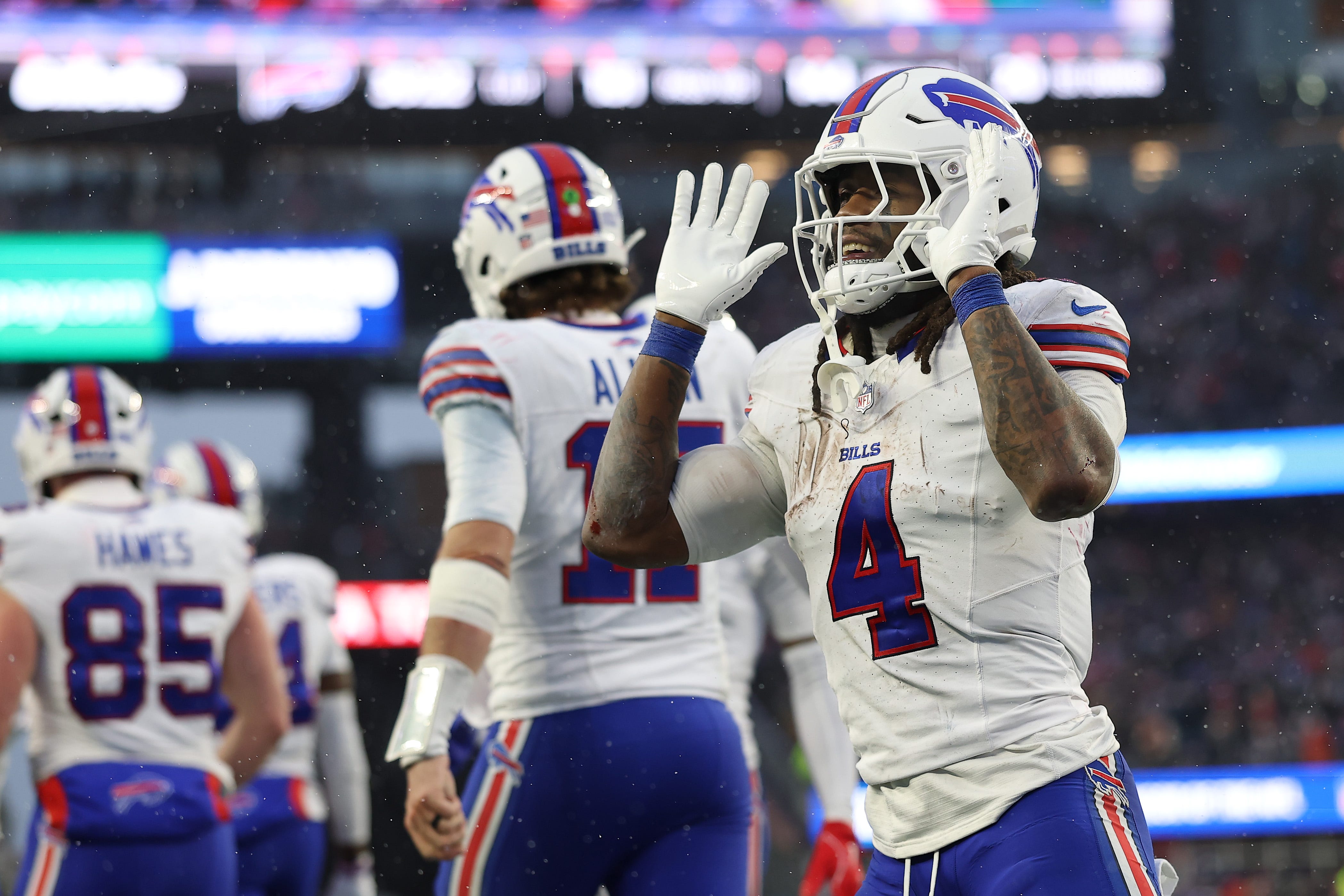
The Bills' 35-31 victory represents more than a football match—it's a masterclass in organizational turnaround. After trailing 24-7 at halftime, the team mounted a remarkable 28-7 second-half comeback, demonstrating an exceptional ability to reassess, recalibrate, and execute under extreme pressure. This performance is statistically significant: the 21-point turnaround is tied for the third-largest in franchise history and represents the largest blown lead by the Patriots at Gillette Stadium since 1978.
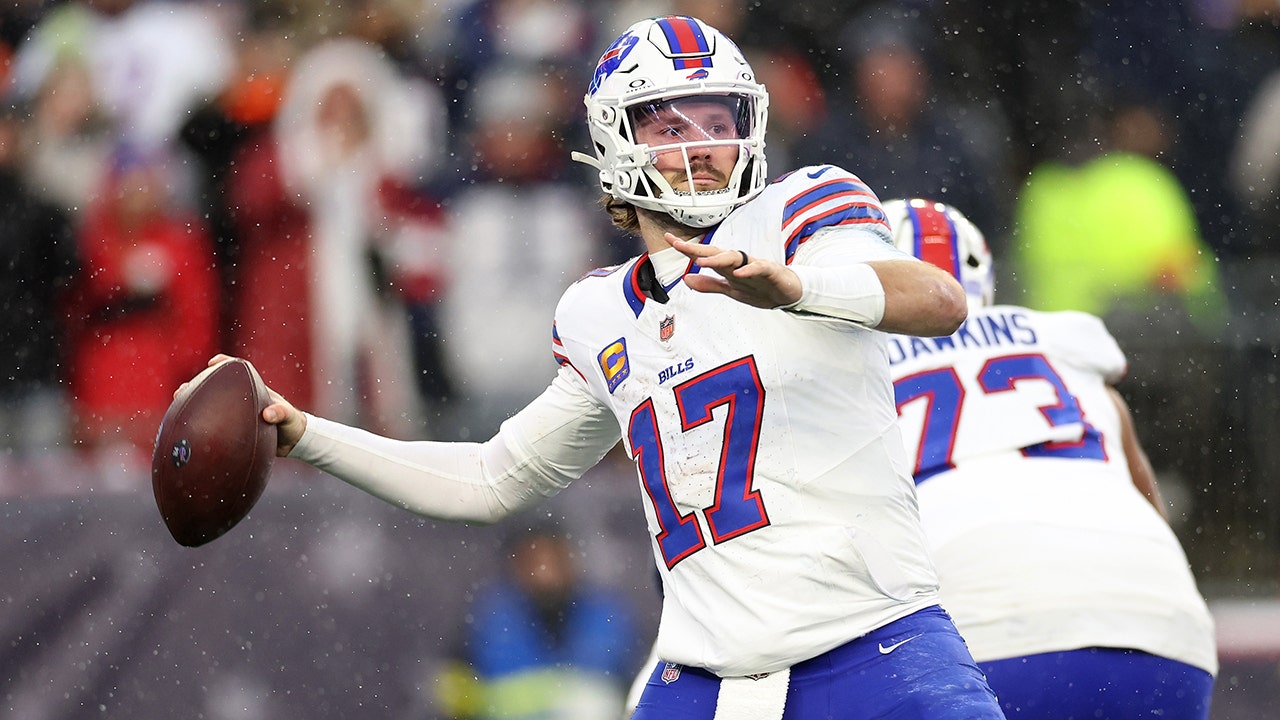
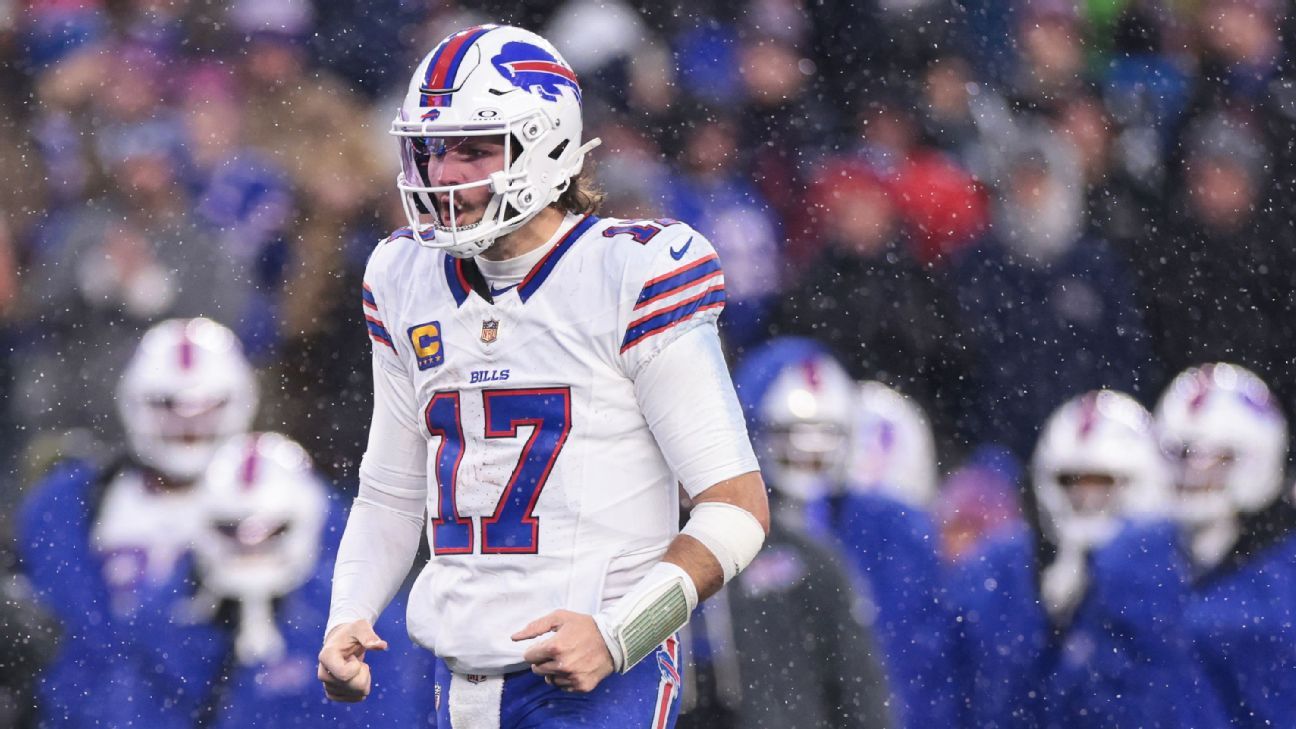
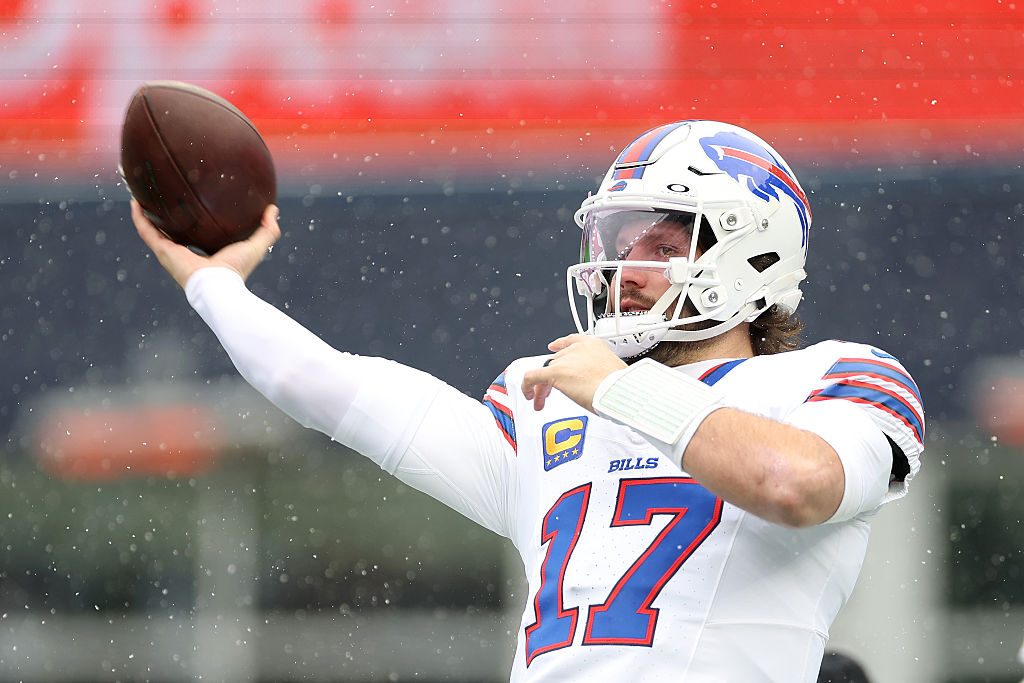
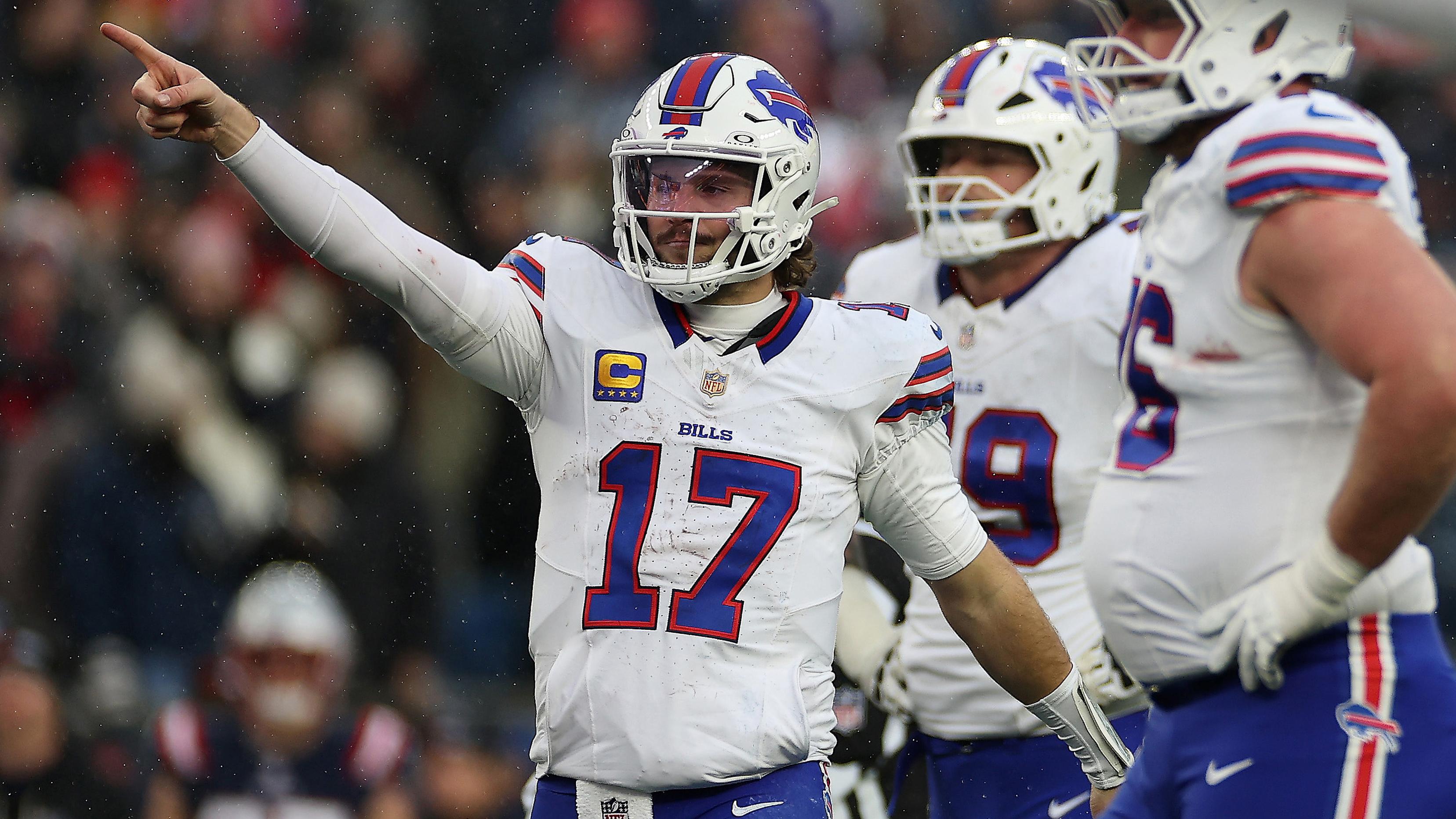
Key strategic elements that enabled this transformation included tactical adaptability and psychological resilience. Quarterback Josh Allen's leadership was pivotal, completing 19 of 29 passes for 193 yards and three touchdowns. The team's defensive strategy underwent a dramatic shift, restricting the Patriots from 285 yards in the first half to merely 100 yards subsequently—a testament to real-time strategic recalibration.
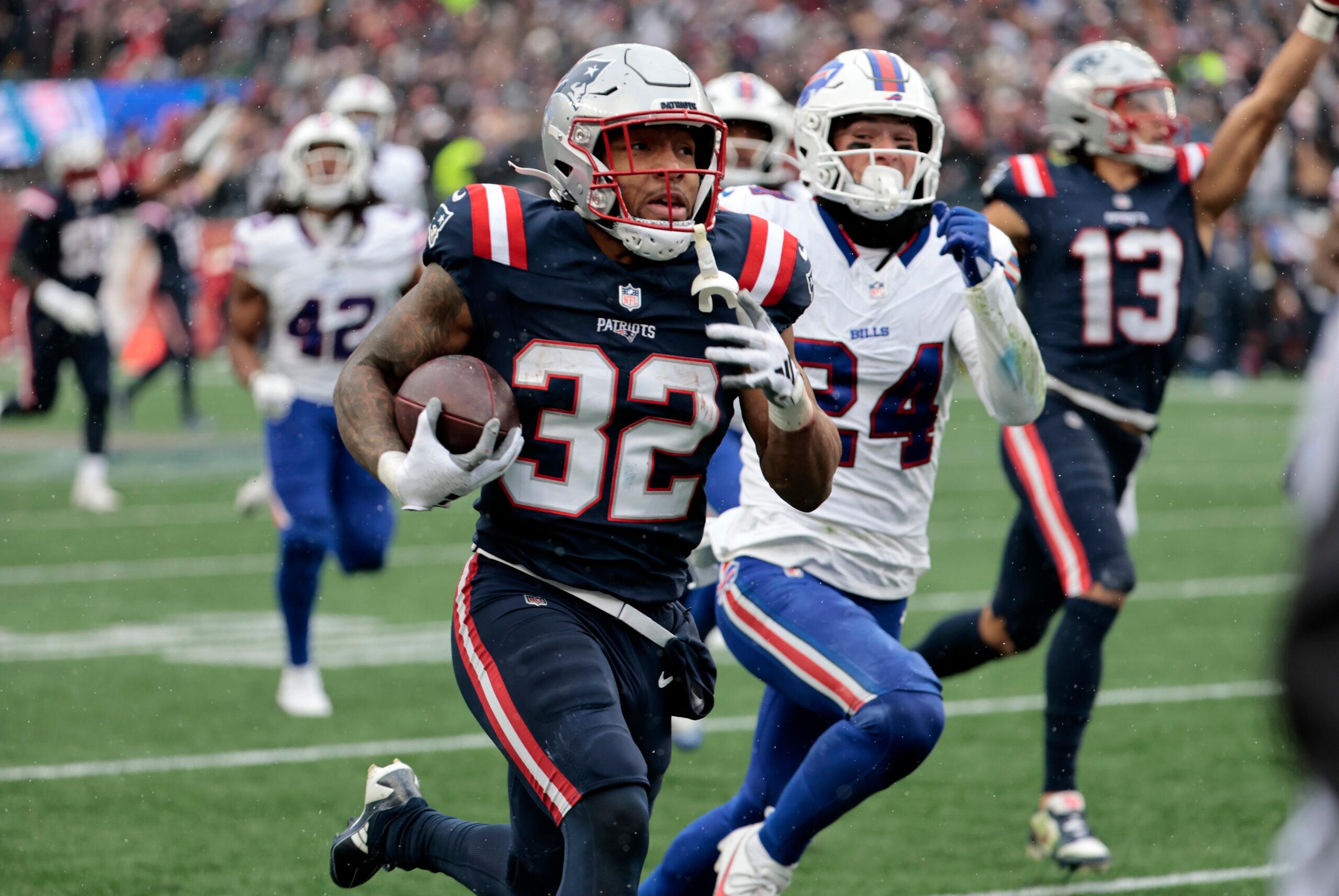
The comeback underscores a critical business principle: sustained performance is about adaptive capacity, not just initial positioning. Ray Davis's momentum-shifting kickoff return and the defense's strategic adjustments highlight how breakthrough moments often emerge from calculated risk-taking and rapid response mechanisms.
Josh Allen's post-game commentary further illuminates this approach. By emphasizing that their goal extends beyond winning the AFC East to positioning themselves for a potential Super Bowl run, the Bills demonstrate a forward-looking, holistic competitive strategy. This mindset—focusing on long-term potential while maintaining tactical flexibility—offers a powerful metaphor for navigating complex, high-stakes environments.
For organizations and leaders, the Bills' performance provides a compelling blueprint: embrace uncertainty, maintain psychological composure, and view setbacks as opportunities for strategic recalibration. The ability to transform a seemingly insurmountable deficit into a decisive victory is not just a sporting achievement—it's a universal principle of competitive excellence.
Questions 3
What makes the Buffalo Bills' comeback strategically significant?
The Bills transformed a 24-7 halftime deficit into a 35-31 victory through exceptional tactical adaptability, demonstrating how organizations can overcome seemingly insurmountable challenges by maintaining psychological resilience and implementing strategic adjustments in real-time.
What leadership lessons can be drawn from the Bills' performance?
Effective leadership involves more than initial strategy—it requires continuous adaptation, psychological composure, and the ability to inspire team confidence during critical moments. The Bills showed that breakthrough performances emerge from calculated risk-taking and rapid response mechanisms.