


.jpg?auto=webp&format=pjpg&width=3840&quality=60)
Sports News Signals: Decoding Performance Narratives Beyond the Pitch
- Exploring Strategic Communication and Personal Branding in Professional Football








)








Overview
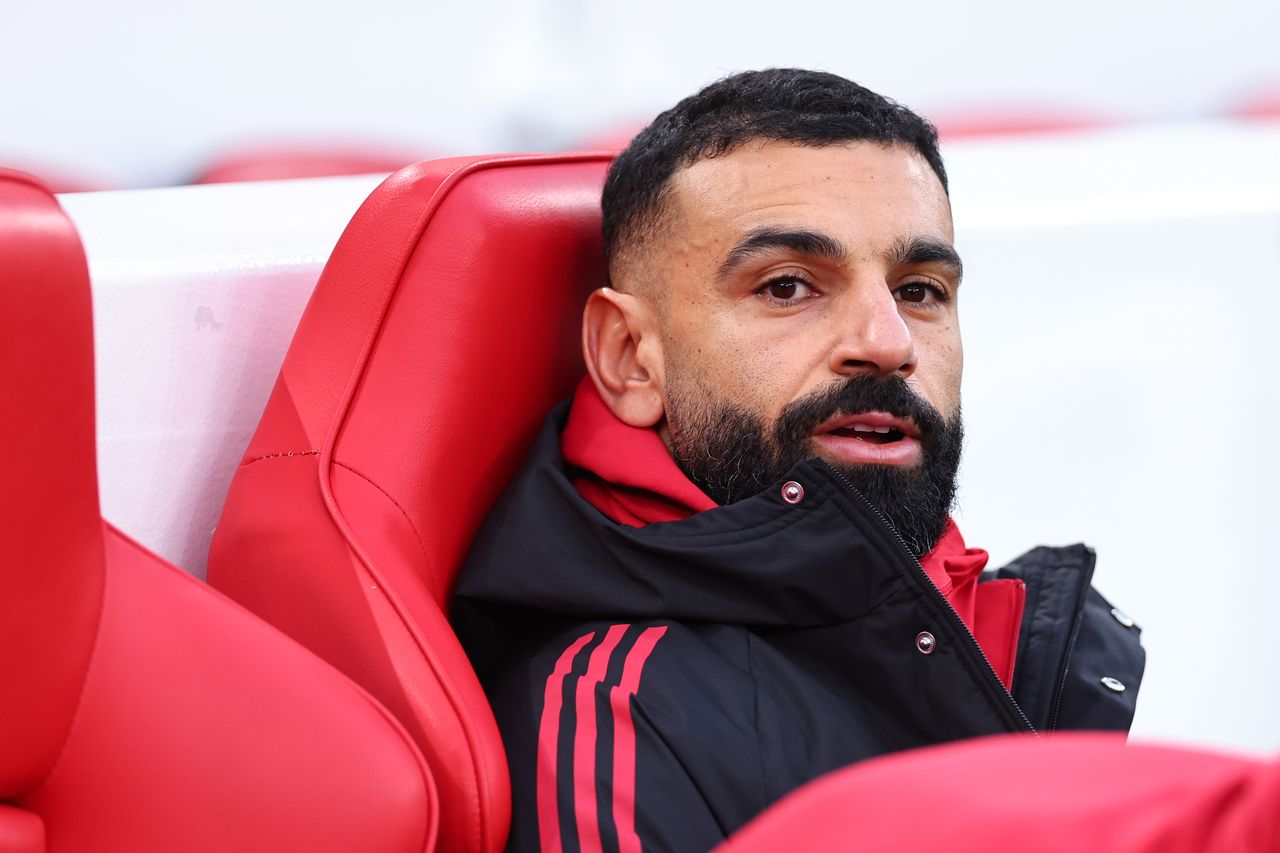
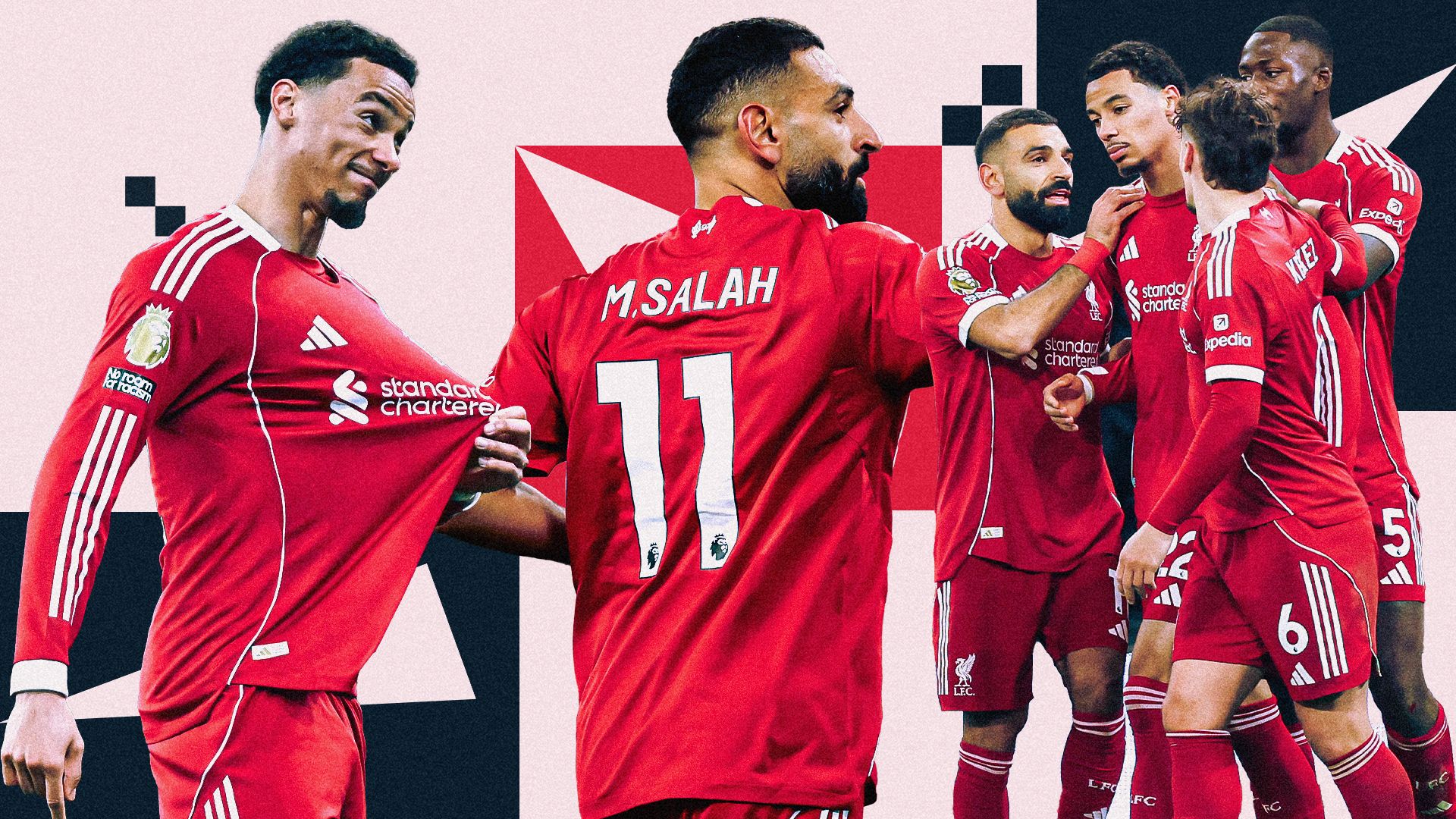
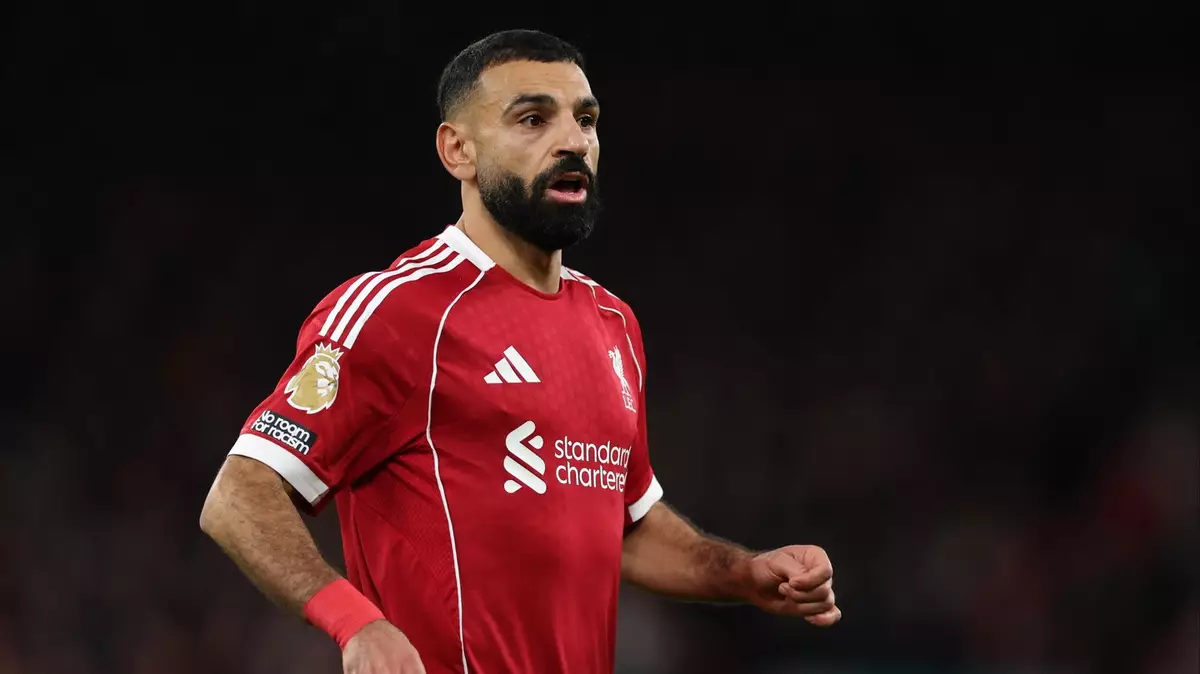
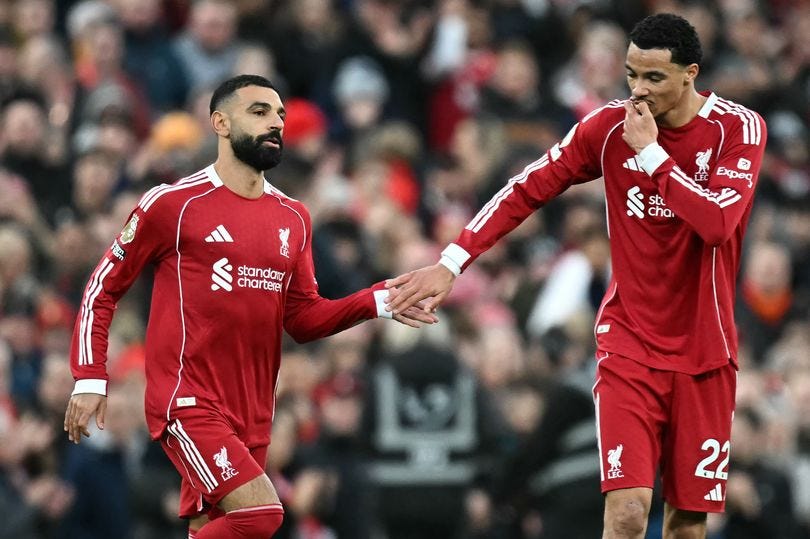
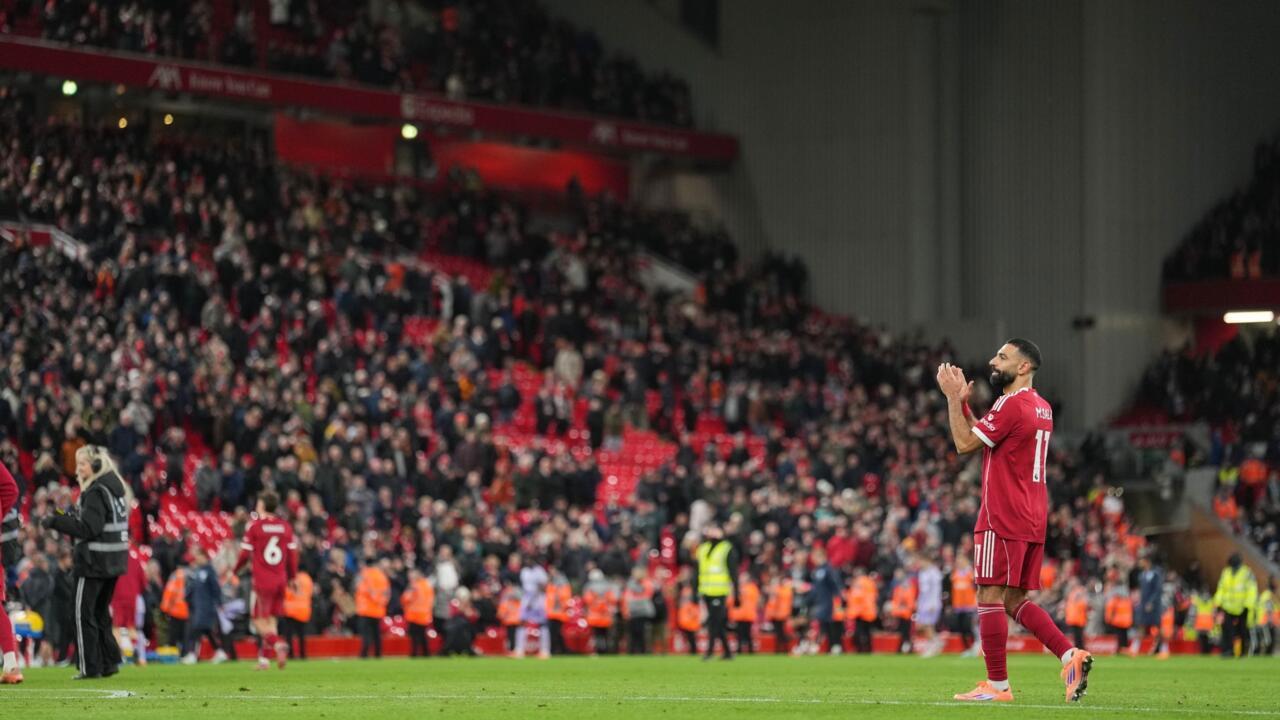
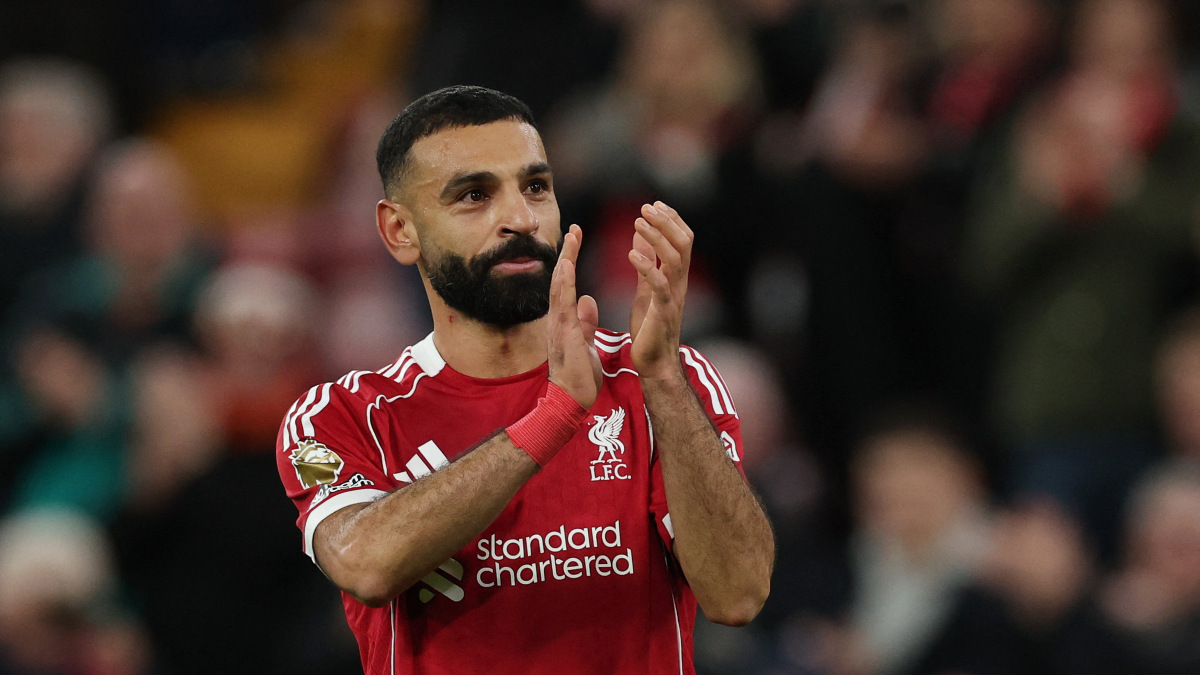
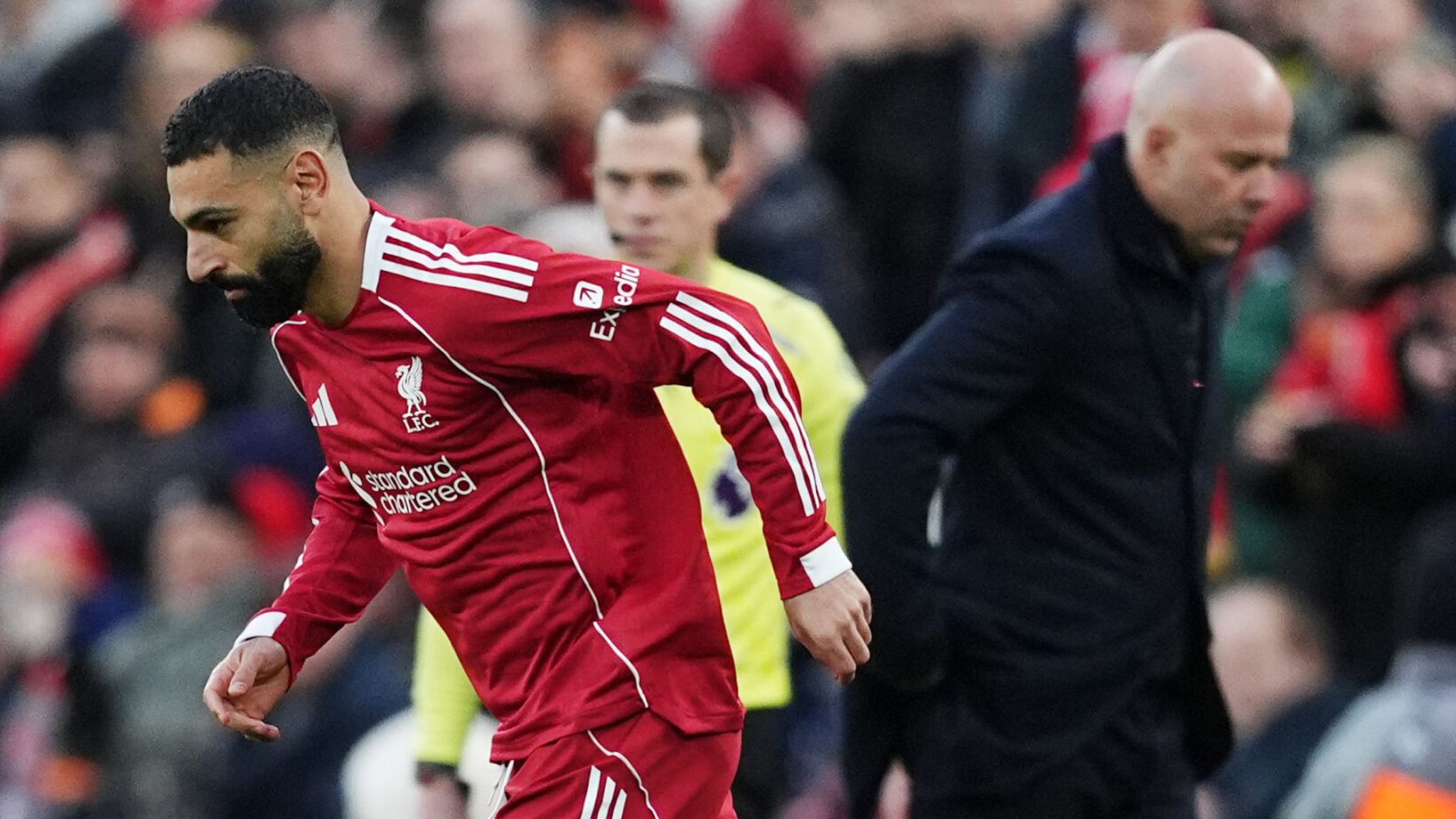
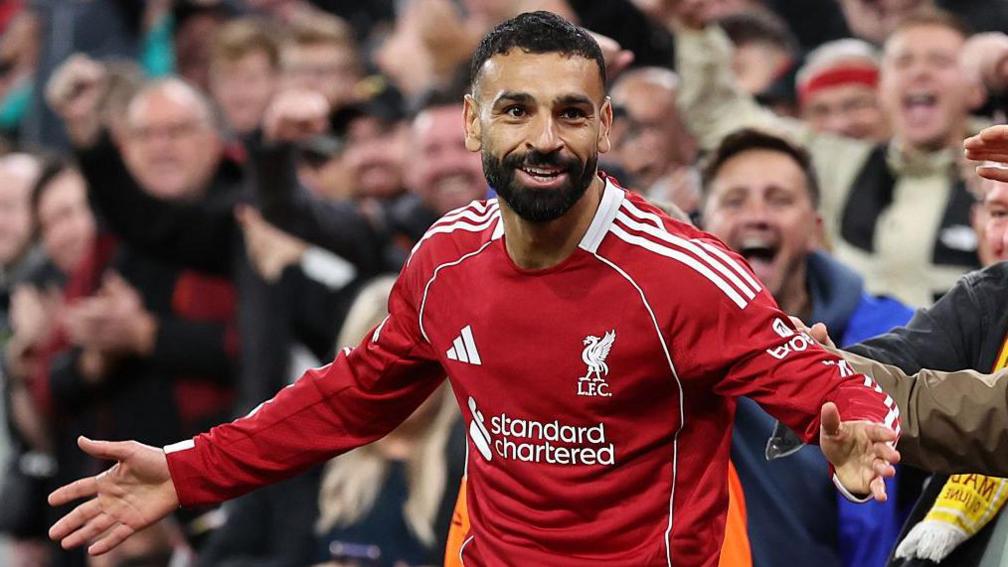
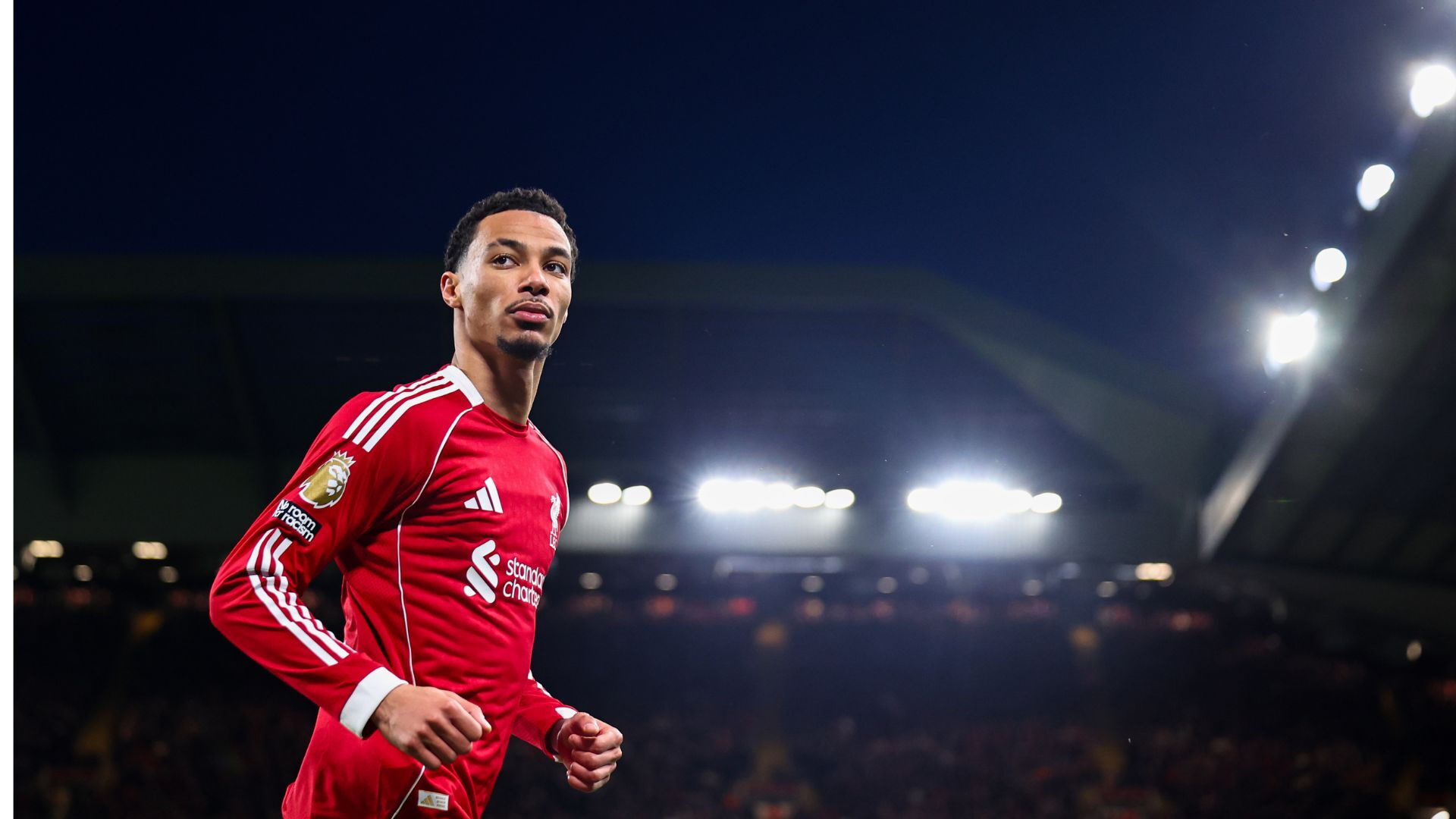
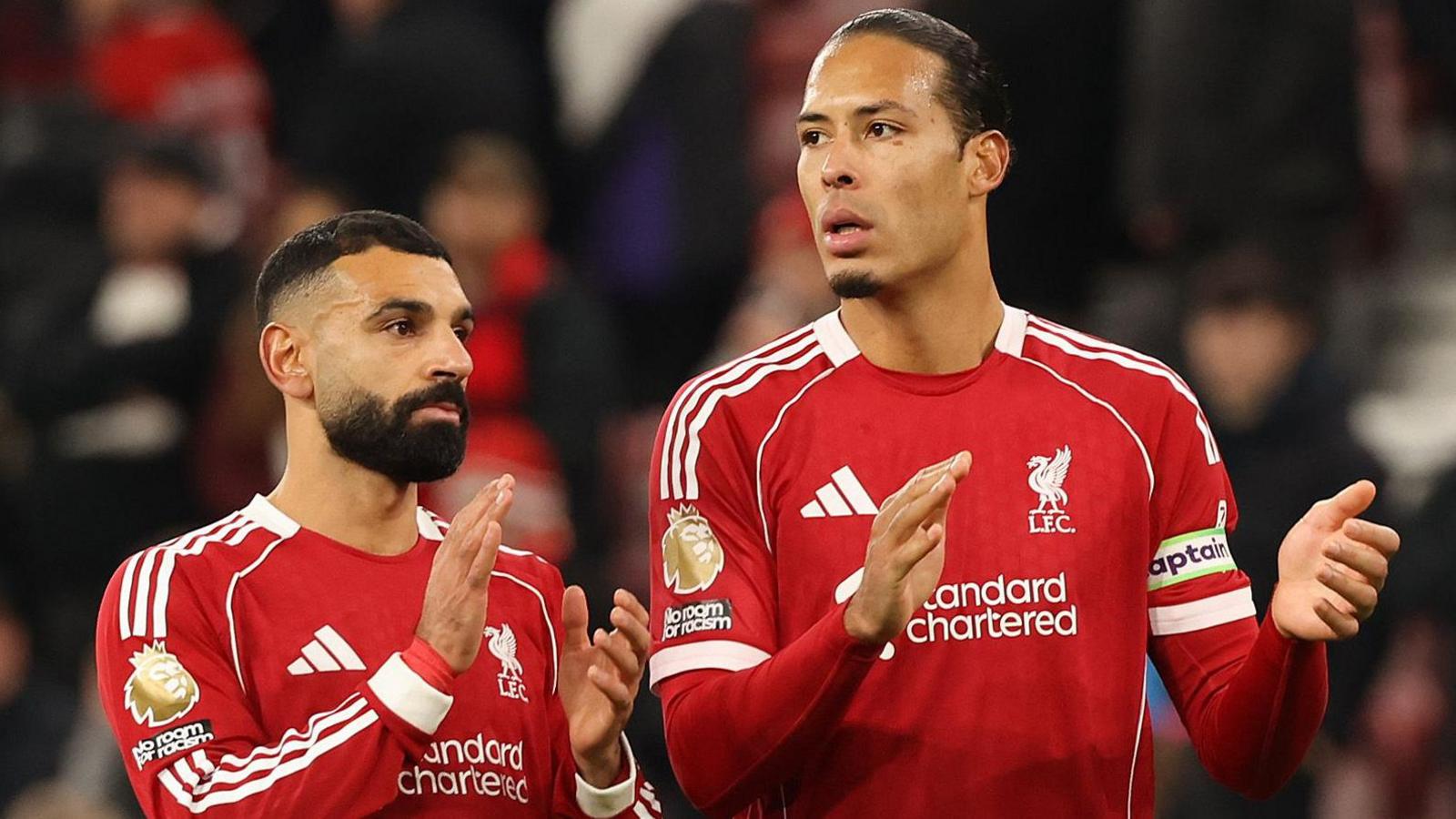
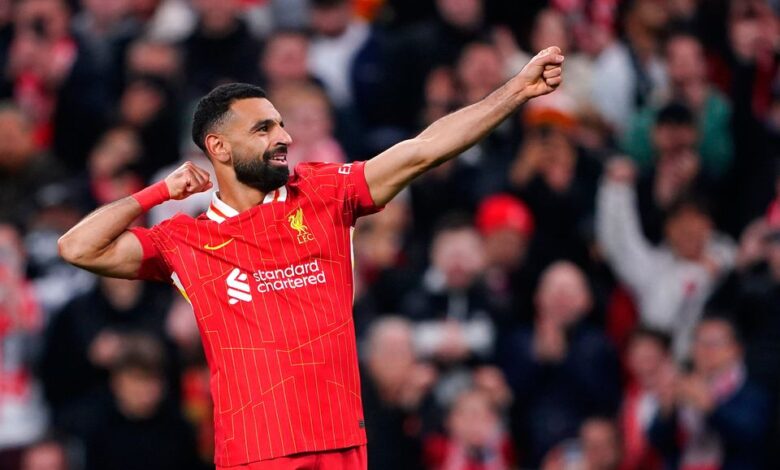
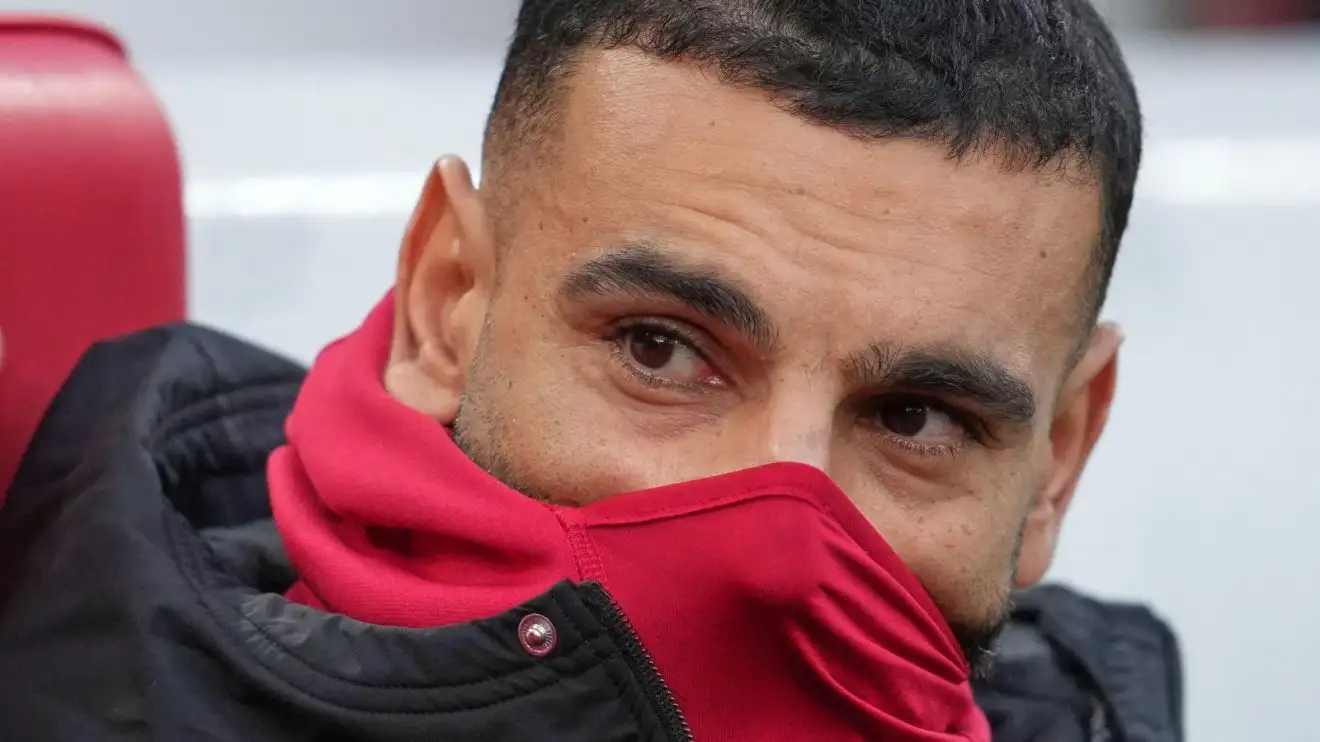
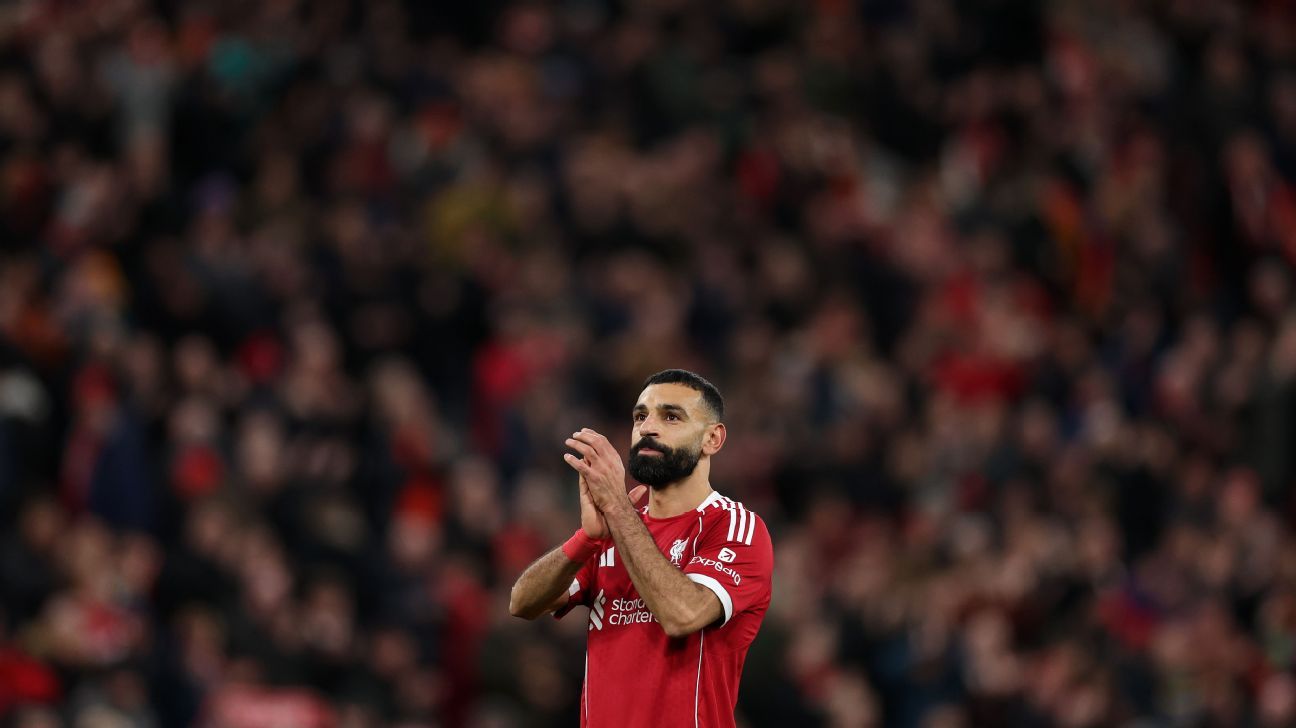
In the intricate world of professional sports, narrative management emerges as a critical strategic tool that extends far beyond match performance. The recent coverage of Liverpool's football dynamics, particularly focusing on Mohamed Salah and Hugo Ekitike, reveals a nuanced landscape of personal branding and strategic communication.
Performance as Personal Messaging becomes the central theme in these news items. Salah's approach of "quieting speculation by doing talking on the pitch" demonstrates a powerful communication strategy where athletic excellence serves as the primary narrative instrument. By delivering a strong performance, athletes can effectively control public perception and media discourse without engaging in direct verbal confrontation.
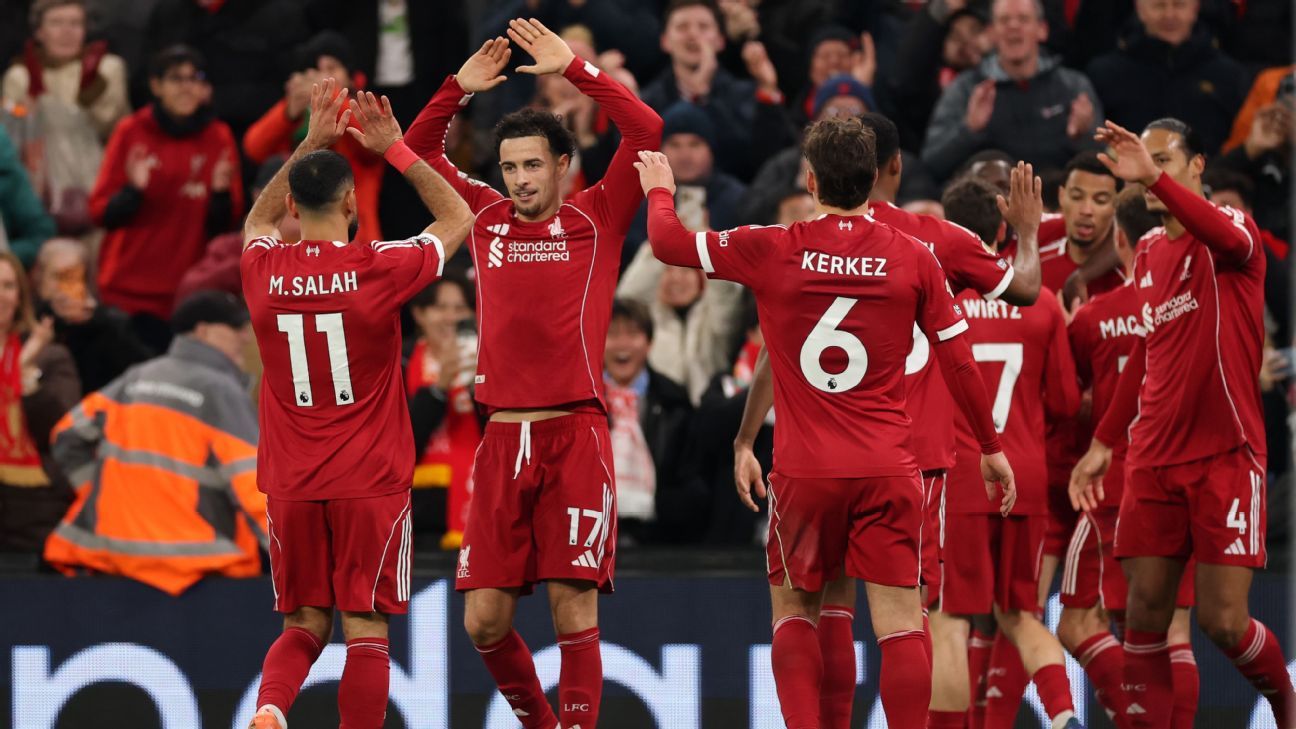
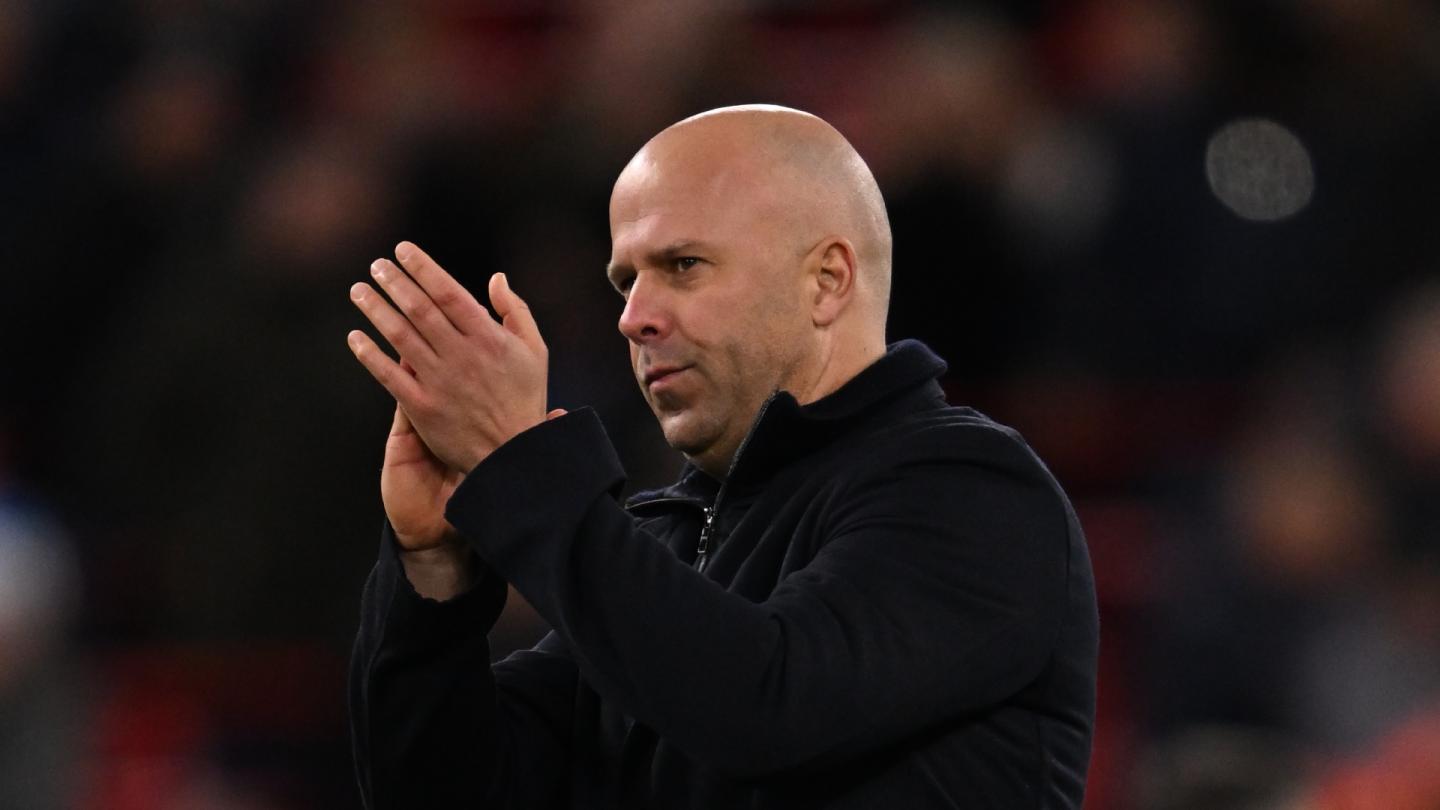
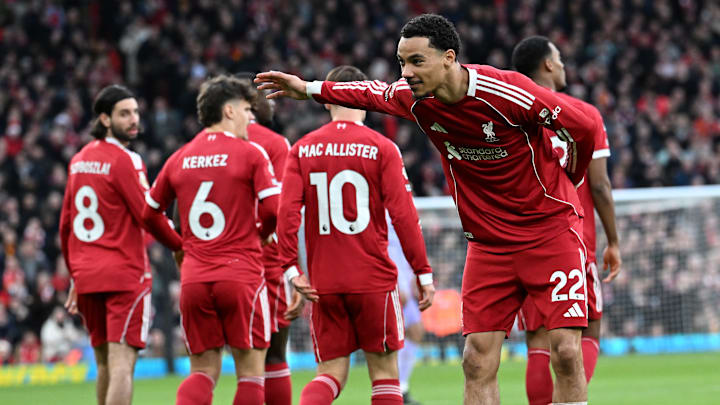
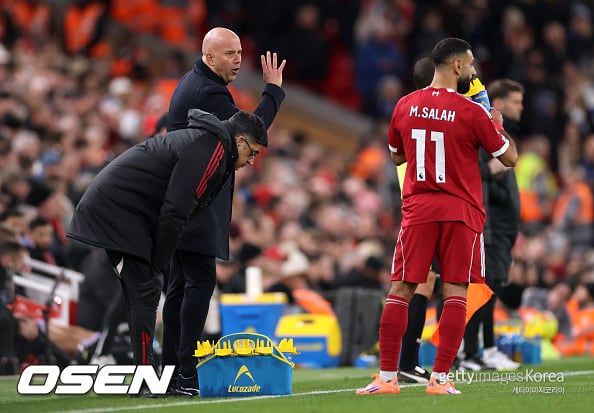
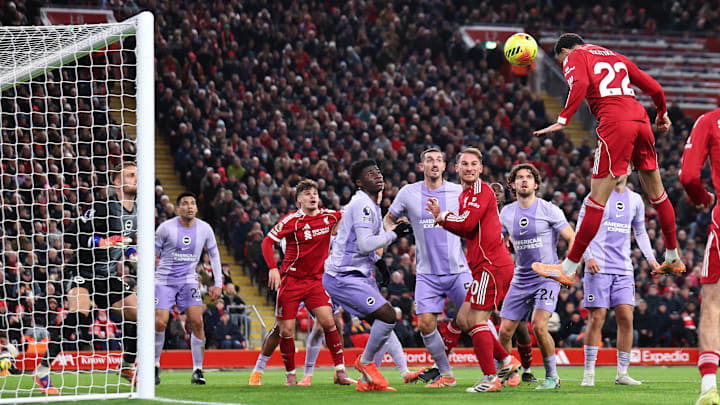
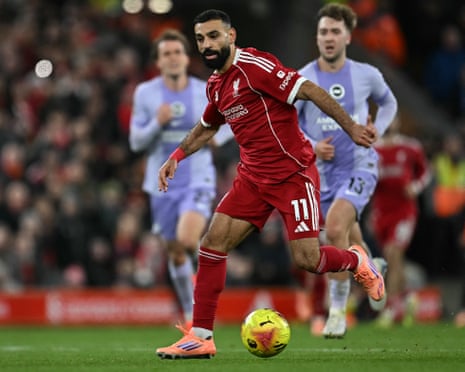
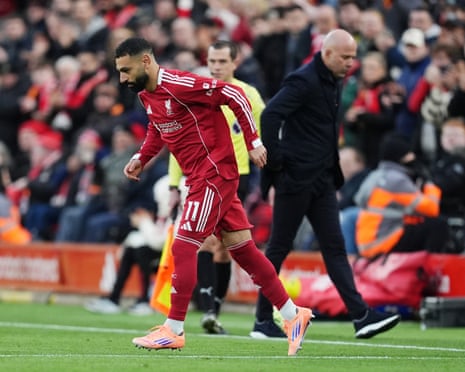
The press conference dynamics, particularly Arne Slot's comments about Salah and Ekitike, highlight the delicate balance between player management and media engagement. Each statement, each tactical decision becomes a carefully choreographed communication event. The 2-0 victory against Brighton isn't just a sports result—it's a complex narrative of professional positioning, team dynamics, and individual reputation management.
What emerges is a sophisticated ecosystem where athletic performance intersects with personal branding. Players like Salah don't just compete on the field; they craft ongoing narratives about their professional identity, team value, and personal resilience. The match becomes a canvas for storytelling, where goals and tactical moves are interpreted as statements about capability, potential, and strategic vision.
For professionals across domains, the football world offers a masterclass in strategic communication: let your work speak louder than words, manage perceptions through consistent high-performance, and understand that every public moment is an opportunity for narrative construction.
Questions 3
Why is personal branding important for professional athletes?
Personal branding allows athletes to differentiate themselves, control their public image, and create value beyond their immediate athletic performance. It influences sponsorship opportunities, team negotiations, and long-term career sustainability.
What role do press conferences play in professional sports communication?
Press conferences are sophisticated communication platforms where managers and players carefully craft narratives, manage expectations, and strategically position themselves. They're not just about reporting match details, but about controlling the broader professional discourse.