


GLP-1 Drug Boom Reshapes Healthcare Supply Chains | E-Commerce Logistics Opportunity 2025-2026
- 140% surge in GLP-1 prescriptions drives pharmaceutical cold-chain demand; bariatric surgery rates plunge 34%, creating supply chain disruption and logistics expansion opportunities for sellers




Overview
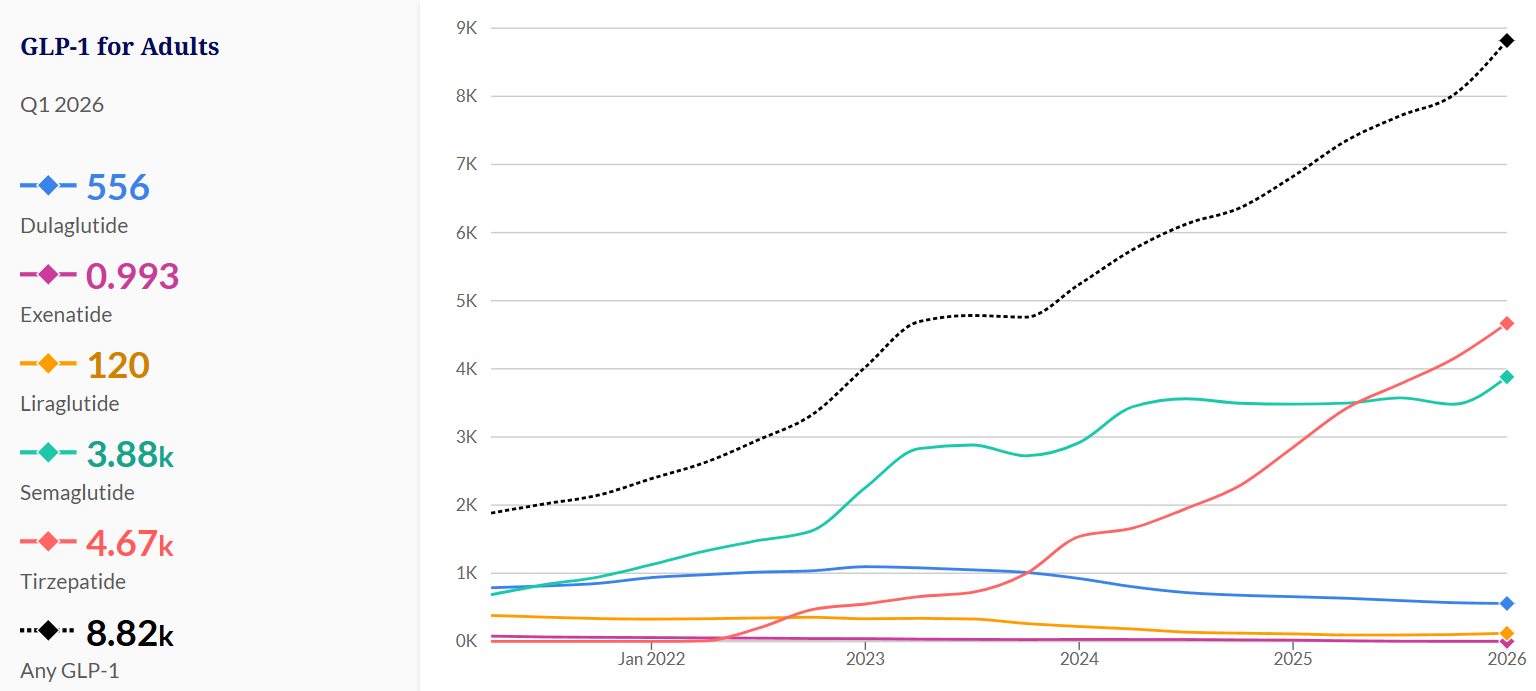
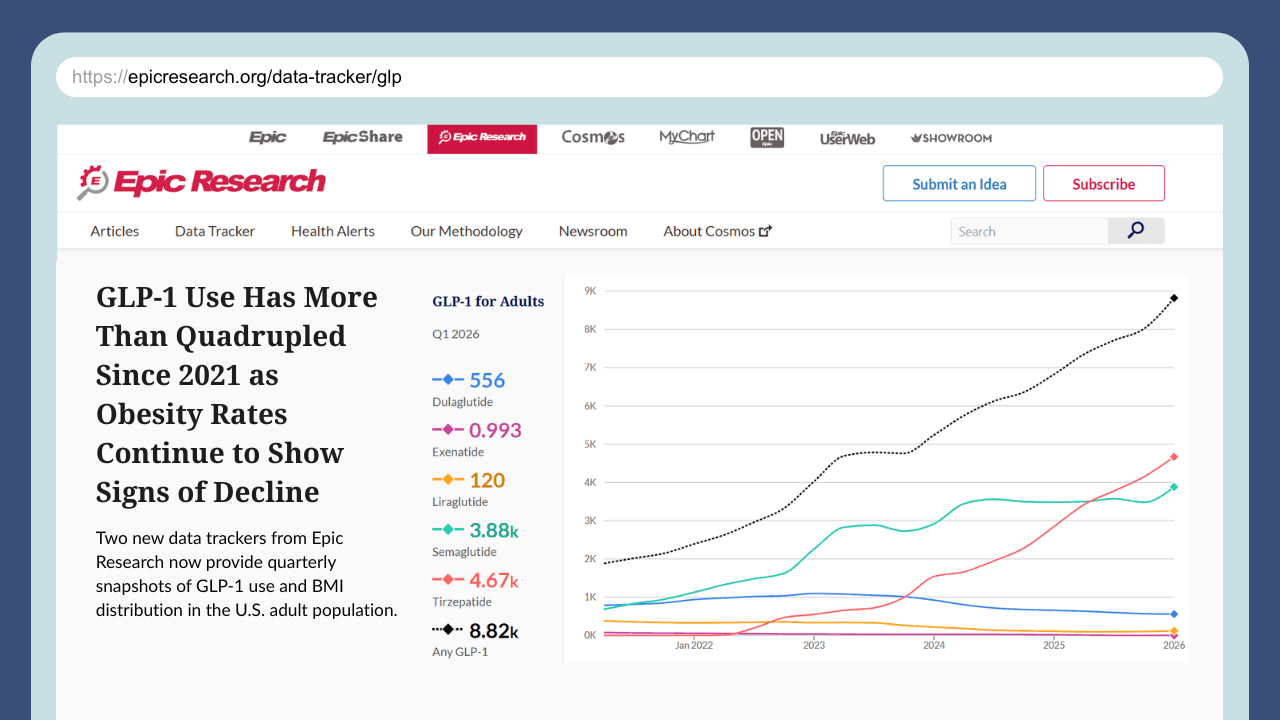
The pharmaceutical landscape is experiencing a transformative shift driven by GLP-1 receptor agonists (Ozempic, Wegovy, Mounjaro), with profound implications for healthcare supply chains and e-commerce logistics providers. Between Q2 2021 and Q1 2026, GLP-1 prescriptions increased more than fourfold from 1,884 to 8,819 prescriptions per 100,000 patients, while obesity rates declined from 42% to 41% nationally. This 140.4% surge in GLP-1 utilization between 2022-2024 directly correlates with a 34.1% decline in bariatric surgery procedures, dropping from 217,387 in 2023 to 177,297 in 2024—the lowest level since 2020.
Supply Chain and Logistics Transformation: The shift from surgical to pharmaceutical interventions creates unprecedented demand for cold-chain logistics infrastructure. GLP-1 medications require temperature-controlled storage and transport (typically 2-8°C), fundamentally different from traditional pharmaceutical distribution. This expansion directly impacts 3PL providers, cold-chain logistics companies, and e-commerce fulfillment networks. Sellers specializing in healthcare logistics, temperature-monitoring devices, insulated packaging materials, and pharmaceutical supply chain software face significant growth opportunities. The medical device sector experiences corresponding contraction—bariatric surgical equipment manufacturers face declining orders, creating inventory liquidation opportunities for sellers in medical equipment resale categories.
Consumer Health and Wellness Product Opportunities: With 12% of Americans now taking GLP-1 medications and 6% discontinuing due to gastrointestinal side effects, demand surges for complementary wellness products. Sellers can capitalize on emerging categories: probiotic supplements (addressing GI side effects), electrolyte replacement products, specialized meal-replacement foods designed for GLP-1 users, and fitness/recovery equipment for post-weight-loss body contouring. The obesity rate decline from 42% to 41% signals a shifting consumer demographic with changing apparel sizing needs, creating opportunities in plus-size fashion liquidation and size-transition clothing categories. Additionally, research suggesting GLP-1 benefits for cancer patients (four new studies referenced in Wall Street Journal reporting) may expand the addressable market beyond obesity treatment, potentially driving demand for oncology-related wellness products and supportive care items.
Market Accessibility and Generic Competition: Currently, only 12% of Americans take GLP-1 medications, while over 90% of patients with obesity or diabetes receive neither medication nor surgery, indicating massive untreated demand. Cheaper generic versions approved in Canada and India may reach the U.S. market within five years, creating cross-border e-commerce opportunities for sellers positioned in pharmaceutical arbitrage, international health product sourcing, and telemedicine support services. The high cost barrier (hundreds monthly without insurance) drives demand for medication assistance programs, insurance navigation services, and alternative health solutions—all categories where e-commerce sellers can provide value-added services and products.
Questions 7
What percentage of eligible patients currently lack access to GLP-1 treatment?
Over 90% of patients with obesity or diabetes received neither GLP-1 medication nor bariatric surgery, indicating massive untreated demand. Only 12% of Americans currently take GLP-1 medications, while 6% discontinued use due to gastrointestinal side effects, high costs (hundreds monthly without insurance), or insufficient insurance coverage. This treatment gap represents a significant market opportunity for sellers offering affordable alternatives, medication assistance programs, insurance navigation services, and complementary wellness products that address cost barriers and side effect management.
Are there emerging therapeutic applications beyond obesity and diabetes for GLP-1 medications?
Wall Street Journal reporting highlights four new peer-reviewed studies suggesting GLP-1 medications offer significant benefits for cancer patients, representing a major expansion of therapeutic applications. This research positions GLP-1 agonists as part of a broader shift toward preventive and longevity-focused medicine. The cancer indication expansion could substantially increase the addressable market and patient population, driving demand for oncology-related wellness products, supportive care items, and health monitoring devices. Sellers should monitor regulatory approvals for expanded indications, which could open new product categories and market segments.