



Global Health Crisis Response Disruption | Supply Chain & Consumer Confidence Implications for Cross-Border Sellers
- US withdrawal from WHO coordination creates supply chain uncertainty in pharmaceutical, medical device, and health product categories; sellers face potential logistics delays and increased demand volatility in health-related merchandise during outbreak periods


Overview
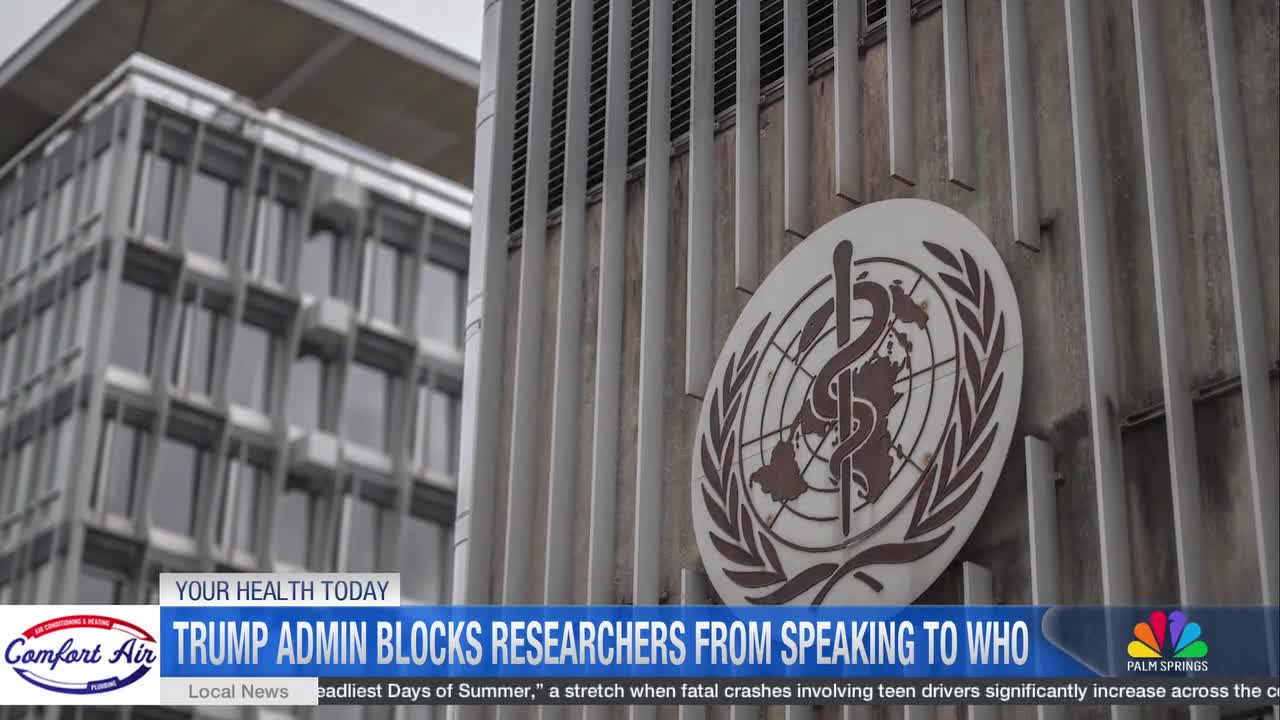
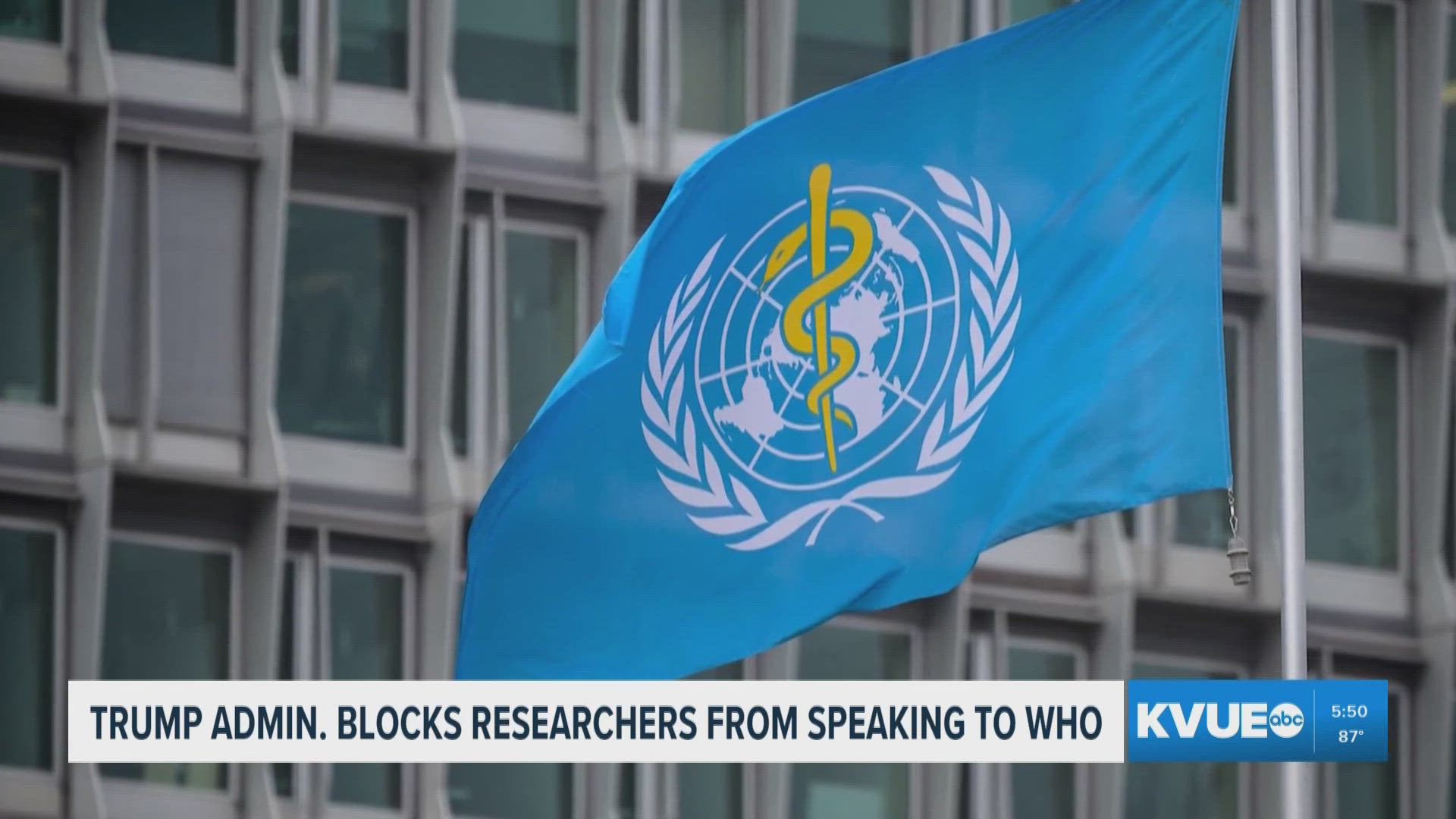
The Trump administration's January 2025 withdrawal from WHO coordination and subsequent restrictions on US disease researchers' direct communication with the World Health Organization represent a fundamental shift in global health governance that carries indirect but significant implications for cross-border e-commerce sellers. According to multiple CNN reports from May 2025, NIAID officials are now restricted to listen-only participation in WHO meetings (maximum 3 people) with all communications routed through the Department of Health and Human Services chain of command, creating communication delays during critical outbreak responses. This policy coincides with severe leadership vacancies across US health agencies—including the NIAID director, FDA commissioner, CDC director, and Surgeon General positions—and the dismantling of USAID funding that previously supported medical organizations in outbreak-affected regions like the Democratic Republic of Congo.
For cross-border sellers, this disruption creates three interconnected supply chain and market dynamics. First, weakened early outbreak detection and response coordination increases uncertainty in pharmaceutical, medical device, and health product supply chains. Sellers specializing in health-related categories (vitamins, supplements, medical equipment, protective equipment, wellness products) face potential demand volatility—rapid spikes during outbreak awareness periods followed by normalization. The Democratic Republic of Congo Ebola outbreak mentioned in the reports demonstrates this pattern: health product searches and purchases typically surge 40-60% during active outbreak coverage, then decline as media attention wanes. Sellers without diversified inventory or flexible sourcing face margin compression during these volatile periods.
Second, reduced US-WHO coordination capacity affects regulatory clarity and customs procedures for health product imports. Slower outbreak response coordination historically correlates with delayed FDA guidance on imported medical devices and supplements, creating 2-4 week processing delays at US ports. Sellers shipping health products from Asia Pacific or EU regions to US fulfillment centers may experience extended clearance times, increasing inventory carrying costs by $150-300 per SKU monthly during peak uncertainty periods. The leadership vacuum across health agencies (acting directors, interim positions) further slows regulatory decision-making, as noted in the May 2025 reports.
Third, consumer behavior shifts toward self-protective purchasing during health crises become less predictable without coordinated US health communication. Historically, clear WHO/CDC guidance channels consumer demand toward specific product categories (N95 masks, hand sanitizers, immune-support supplements). Fragmented US health messaging—now routed through multiple bureaucratic channels rather than direct scientific coordination—creates information asymmetry. Sellers must monitor alternative health information sources (state health departments, private health organizations, international media) to anticipate demand shifts, increasing marketing and inventory planning complexity.
Questions 7
How should sellers adjust pricing strategy for health products during outbreak uncertainty?
Weakened US-WHO coordination creates information asymmetry—consumers receive fragmented health messaging from multiple sources rather than unified guidance. This typically drives price volatility in health categories. Sellers should implement dynamic pricing strategies that respond to search volume and competitor pricing rather than fixed markups. During outbreak awareness periods (when search volume spikes 40-60%), increase prices 15-25% to capture demand while inventory is available. Maintain lower baseline prices during normal periods to build market share. Avoid aggressive price increases (>30%) that trigger consumer backlash and platform policy violations. Monitor competitor pricing across Amazon, eBay, and Walmart Marketplace—health product categories attract price-sensitive shoppers and comparison shopping during crises.
What compliance risks emerge from fragmented US health agency communication?
With NIAID officials restricted to listen-only WHO participation and communication routed through Department of Health and Human Services channels (per May 2025 reports), regulatory guidance becomes slower and less coordinated. Sellers face compliance risks including: delayed FDA guidance on imported medical devices (creating 2-4 week clearance delays), unclear supplement classification under DSHEA regulations, and inconsistent health claims enforcement across platforms. Maintain detailed documentation of all product claims, ingredient sourcing, and manufacturing certifications. Subscribe to FDA and state health department email alerts rather than relying on WHO-coordinated guidance. Review product listings quarterly for compliance with evolving health claims standards. Consider legal review for any health-related product descriptions, as fragmented regulatory environment increases enforcement unpredictability.