


Gaming Platform Delisting Strategy | Live-Service Failure Signals Seller Risk
- PlayStation's unexpected server shutdown reveals platform volatility affecting digital product sellers and gaming merchandise merchants









Overview
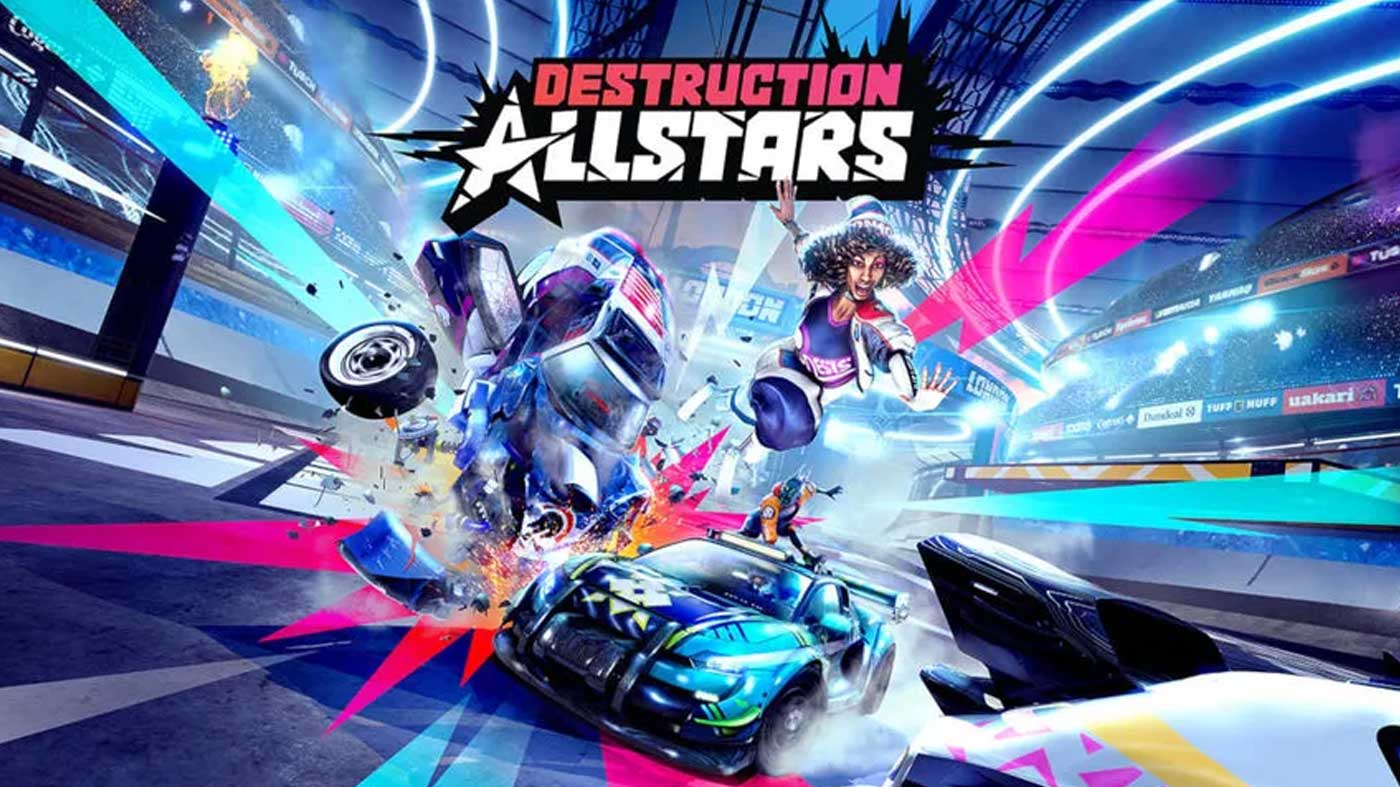
PlayStation's sudden delisting and server shutdown of Destruction AllStars in 2021 represents a critical inflection point for e-commerce sellers operating in the digital gaming ecosystem. Unlike traditional server closures that provide 30-90 days advance notice, PlayStation terminated the game simultaneously across purchase availability and online functionality, leaving players with only offline arcade mode access. This unexpected approach signals that live-service games with minimal active player bases become economically unjustifiable for platform operators, creating cascading implications for sellers across multiple commerce verticals.
The broader context amplifies this concern: PlayStation's live-service portfolio has contracted significantly, with only Helldivers 2 and Gran Turismo 7 representing successful titles after Bungie's Destiny 2 wind-down announcement and subsequent layoffs. Destruction AllStars, despite launching during the PS5 shortage (2021) and offering two free months to PlayStation Plus subscribers, failed to retain players—IGN's 6/10 review cited lack of depth and compelling long-term gameplay despite enjoyable vehicle combat mechanics. This pattern reveals that platform operators now prioritize immediate profitability over player retention, fundamentally altering risk calculations for sellers dependent on digital distribution channels.
For e-commerce sellers, this shutdown creates three distinct impact zones. First, digital merchandise sellers (game codes, season passes, cosmetic items) face platform delisting risk without warning, eliminating revenue streams with minimal transition time. Sellers who stocked Destruction AllStars digital products or bundled them with gaming peripherals experienced sudden inventory obsolescence. Second, gaming peripheral and merchandise sellers lose associated product categories—vehicle-themed gaming chairs, controller skins, and esports equipment tied to live-service games become unmarketable when games shut down unexpectedly. Third, marketplace operators (Amazon, eBay, Etsy) must now evaluate their own digital product policies, as platform volatility creates customer trust issues and return/refund complications when digital goods lose functionality.
The economic signal is unmistakable: live-service games require sustained player engagement to justify operational costs, and publishers will terminate services without advance notice when engagement metrics fall below profitability thresholds. This contrasts sharply with traditional software models where products remain available indefinitely. Sellers must now treat live-service-dependent inventory as high-risk, with potential 0-day delisting scenarios replacing the historical 60-90 day wind-down periods that allowed inventory liquidation and customer communication.
Questions 8
How should sellers adjust inventory strategy for live-service game products?
Sellers should treat live-service-dependent inventory as high-risk with potential 0-day delisting scenarios. Recommended actions: (1) Reduce inventory depth for games with declining player engagement—monitor Twitch viewership, Reddit activity, and player count metrics; (2) Prioritize rapid turnover (30-45 day sell-through targets) rather than long-term stock holding; (3) Avoid bundling live-service games with hardware—separate SKUs reduce exposure when games shut down; (4) Diversify into single-player and offline-capable games with indefinite availability; (5) Establish supplier agreements requiring 30-day delisting notice to enable liquidation windows. PlayStation's pattern indicates platform operators will not provide seller notification before service terminations.
What marketplace policies should sellers review after the Destruction AllStars shutdown?
Sellers should audit Amazon, eBay, and Etsy policies on digital product delisting, refund liability, and platform responsibility for service terminations. Key questions: (1) Does the marketplace guarantee refunds if a digital product becomes unavailable due to platform operator decisions? (2) Are sellers liable for customer refunds when games shut down? (3) What notice periods does the marketplace require before delisting digital products? (4) How are bundle sales handled when one component becomes unavailable? Current policies vary significantly—Amazon's digital product terms differ from eBay's, creating compliance gaps. Sellers should document platform policies and establish customer communication templates for potential service terminations.