



Mango Leadership Crisis 2026 | €3.8B Fashion Retailer Faces Succession Uncertainty Amid Homicide Investigation
- Founder Isak Andic's death (Dec 2024) triggers homicide investigation; VP Jonathan Andic arrested May 2026, resigns amid legal proceedings affecting €3.8B revenue company and global fashion supply chains























Overview
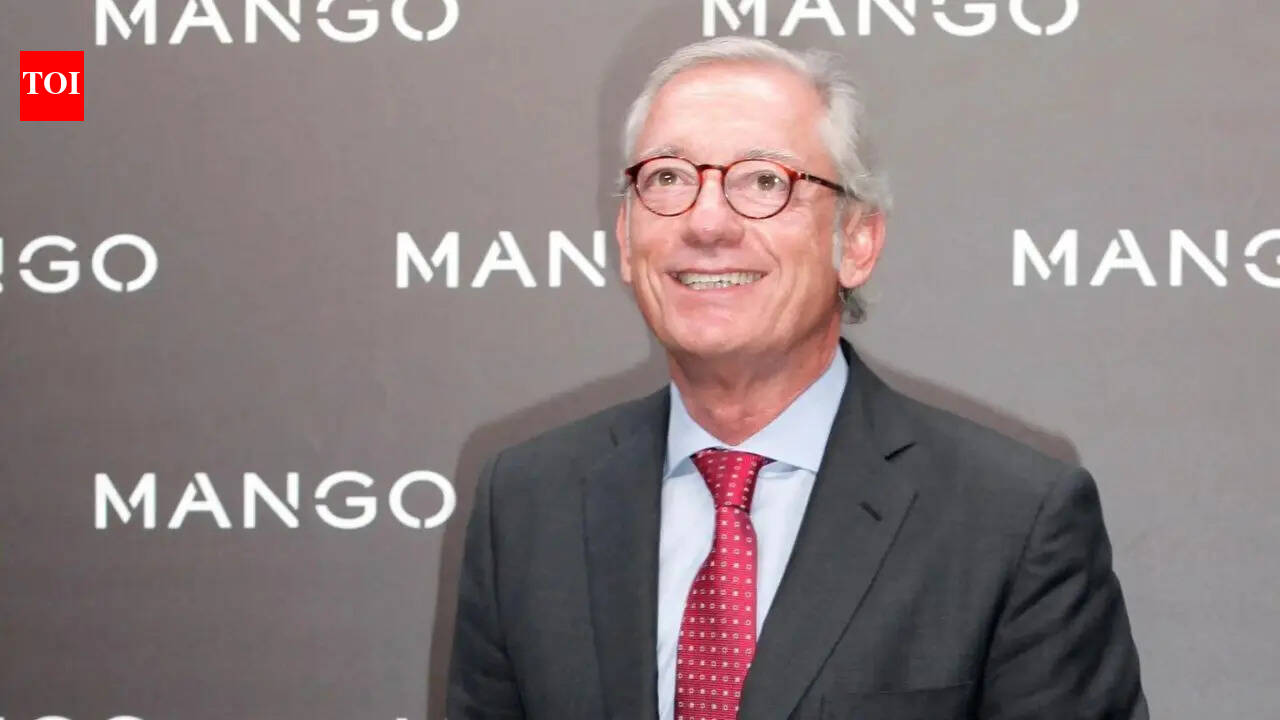
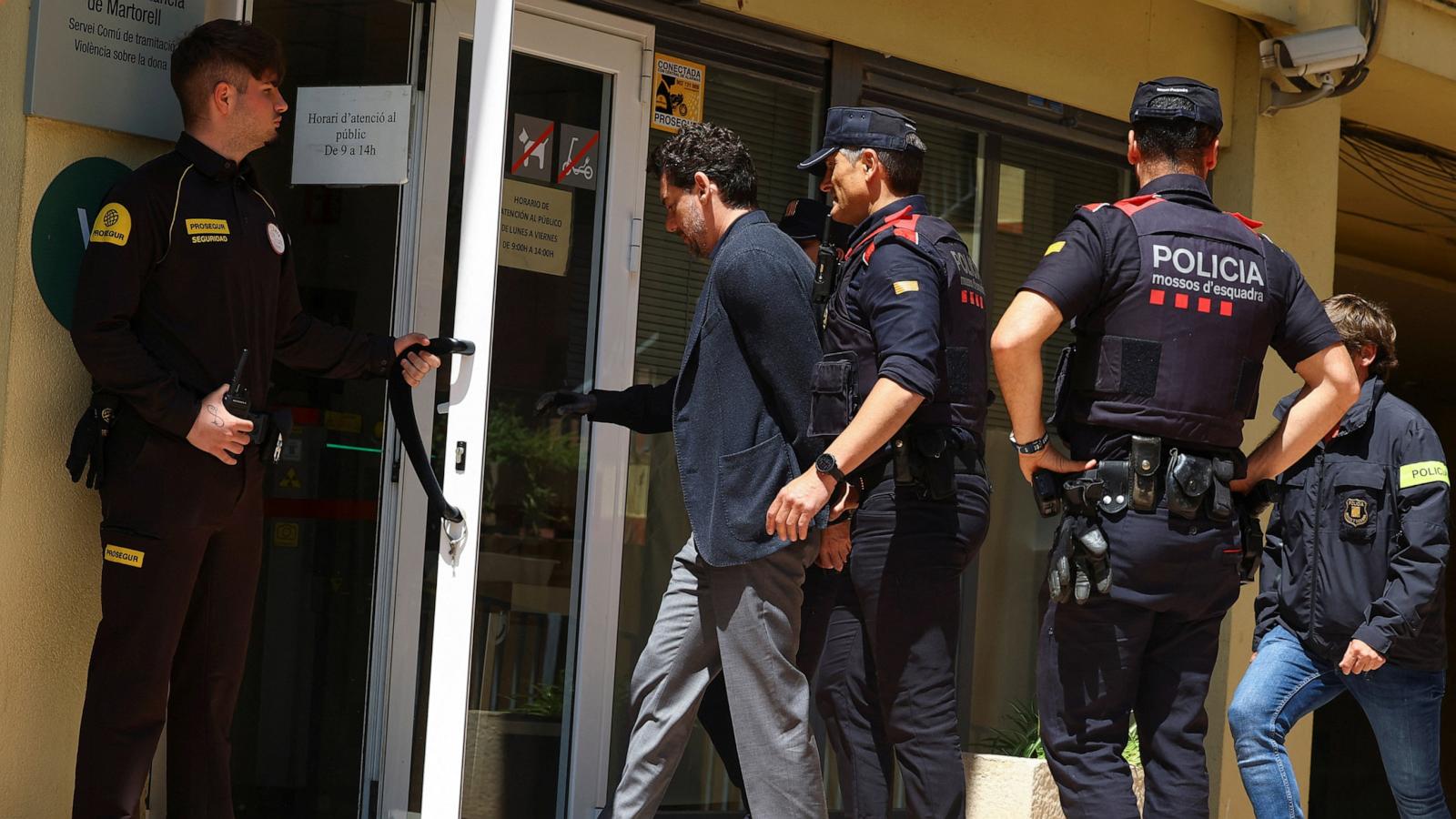
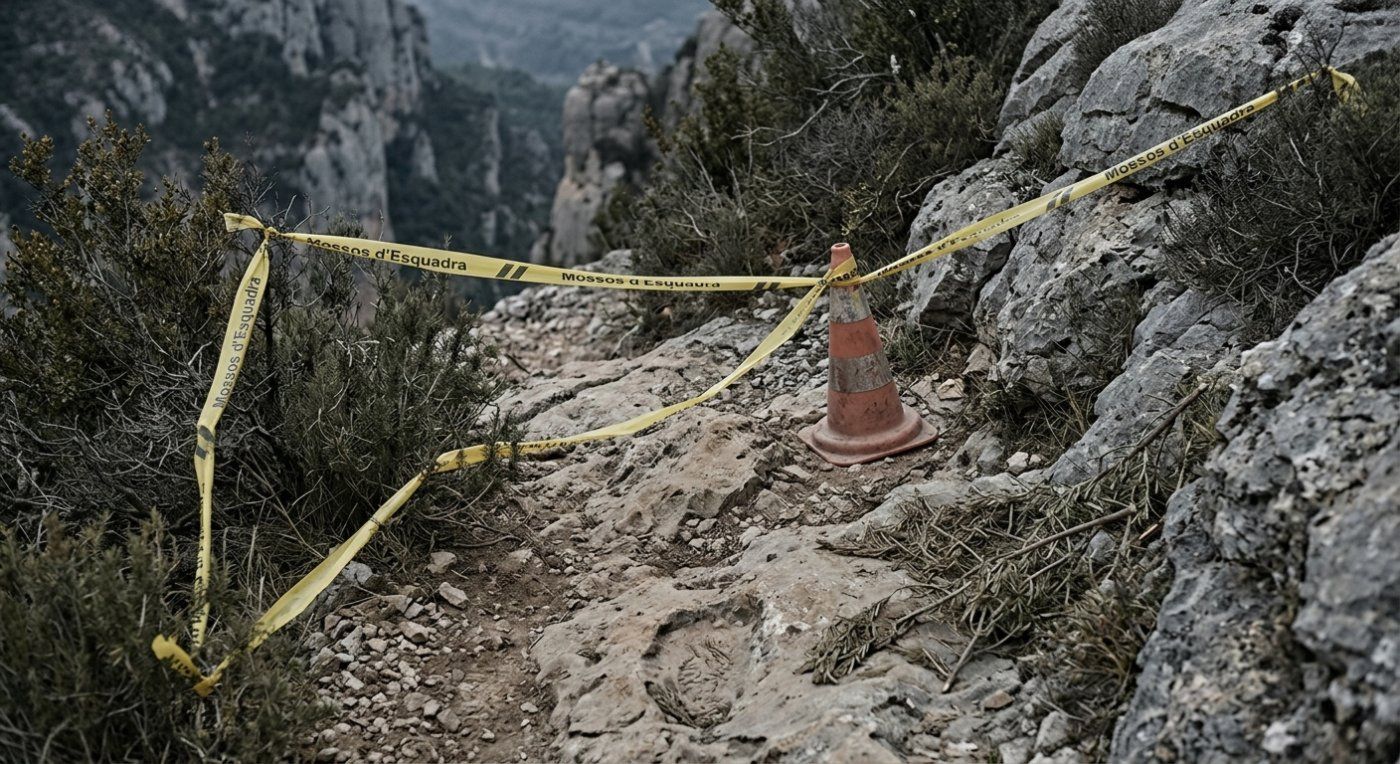
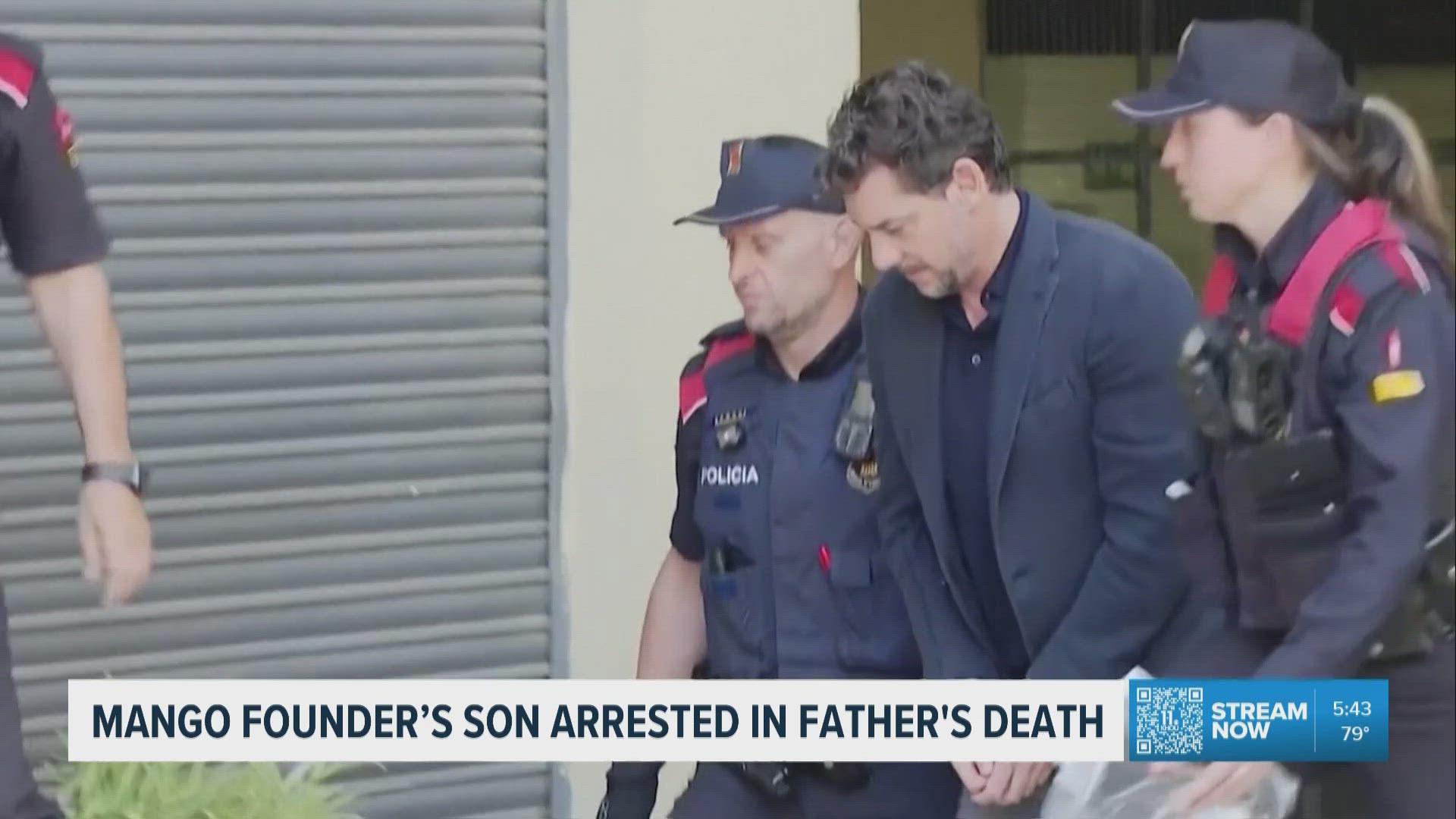
Mango, one of the world's largest fashion retailers with €3.8 billion in annual revenue, faces unprecedented corporate governance crisis following the May 2026 arrest of Vice Chairman Jonathan Andic in connection with his father Isak Andic's death. The founder, 71, fell approximately 300-330 feet from a cliff in Montserrat mountains near Barcelona, Spain on December 14, 2024, during a hiking incident with his son. Initially ruled accidental by Catalan police (Mossos d'Esquadra), prosecutors reopened the investigation in October 2025 and arrested Jonathan Andic on May 19, 2026. Released on €1 million bail with passport surrender ordered, Jonathan resigned as vice-chair on May 26, 2026, stating the accusations were "serious, unjust and unfounded."
This leadership vacuum creates significant operational uncertainty for Mango's global fashion supply chain and e-commerce operations. Jonathan had been appointed executive vice-president of Mango's holding company in January 2025, just six weeks after his father's death, positioning him as successor during critical business continuity planning. Court documents reveal investigators found evidence suggesting Jonathan "played an active and premeditated role" in the death, citing WhatsApp messages containing "feelings of hatred, resentment, and thoughts of death" and noting his "obsession with money." The judge determined the death may not have been accidental. However, Jonathan maintains innocence, claiming "a public narrative has been constructed that is one-sided, taken out of context and distorted."
For cross-border fashion sellers and supply chain partners, this crisis signals potential operational disruptions and strategic shifts. Leadership transitions of this magnitude—especially involving criminal investigations—typically precede organizational restructuring, vendor relationship reviews, and payment processing delays. Mango's €3.8 billion revenue base spans multiple continents, making succession clarity critical for supplier relationships, inventory planning, and marketplace operations. The extended legal proceedings (ongoing in Spanish courts) create 12-24 month uncertainty regarding strategic direction, capital allocation, and vendor terms. Sellers monitoring Mango as a competitive threat or supply partner should track official company announcements regarding operational continuity, payment schedules, and policy changes. The case highlights governance vulnerabilities in family-owned fashion businesses and raises questions about corporate transparency during criminal investigations—a pattern increasingly relevant as family enterprises scale globally.
Questions 7
How does this leadership crisis impact Mango's supply chain and vendor relationships?
Leadership transitions involving criminal investigations typically trigger organizational restructuring, vendor relationship reviews, and payment processing delays. Jonathan had been appointed executive vice-president in January 2025, positioning him as successor during critical business continuity planning. His arrest and resignation create 12-24 month uncertainty regarding strategic direction, capital allocation, and vendor terms. Suppliers and cross-border sellers should monitor official Mango announcements regarding operational continuity, payment schedules, and policy changes. Extended legal proceedings may affect inventory planning and marketplace operations globally.
What are the governance risks highlighted by this case for family-owned fashion businesses?
This case exemplifies governance vulnerabilities in family-owned enterprises scaling globally. Key risks include: (1) Succession planning during crisis periods, (2) Lack of independent oversight during family transitions, (3) Reputational damage affecting investor confidence, (4) Operational continuity during extended legal proceedings, (5) Vendor relationship stability during leadership uncertainty. The case demonstrates why family businesses increasingly adopt independent boards, transparent succession protocols, and crisis management frameworks. For sellers and partners, this highlights importance of diversifying supplier relationships and monitoring governance structures of major retail partners.