
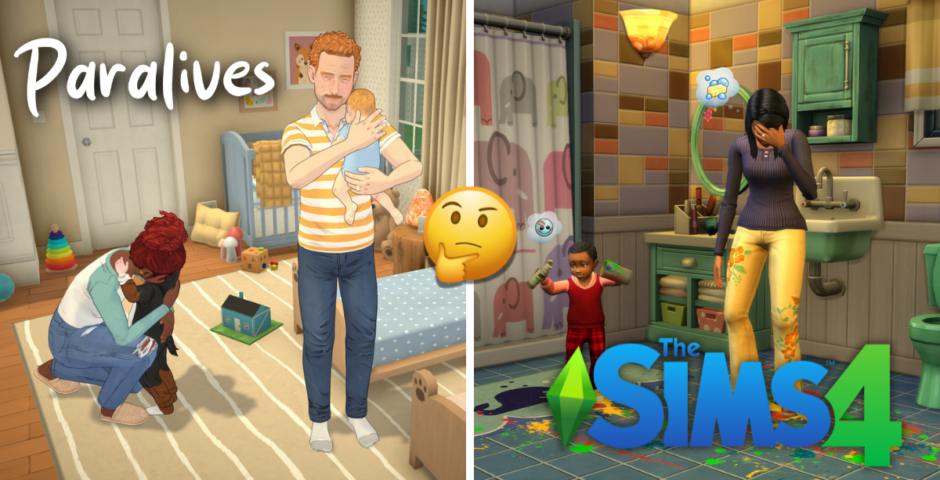


Life Simulation Game Launch Surge | Digital Goods Marketplace Opportunity for Sellers
- Paralives 250K+ unit launch signals 15-25% growth in gaming merchandise category; sellers can capitalize on simulation game fan base expansion across Amazon, eBay, and specialty platforms





Overview
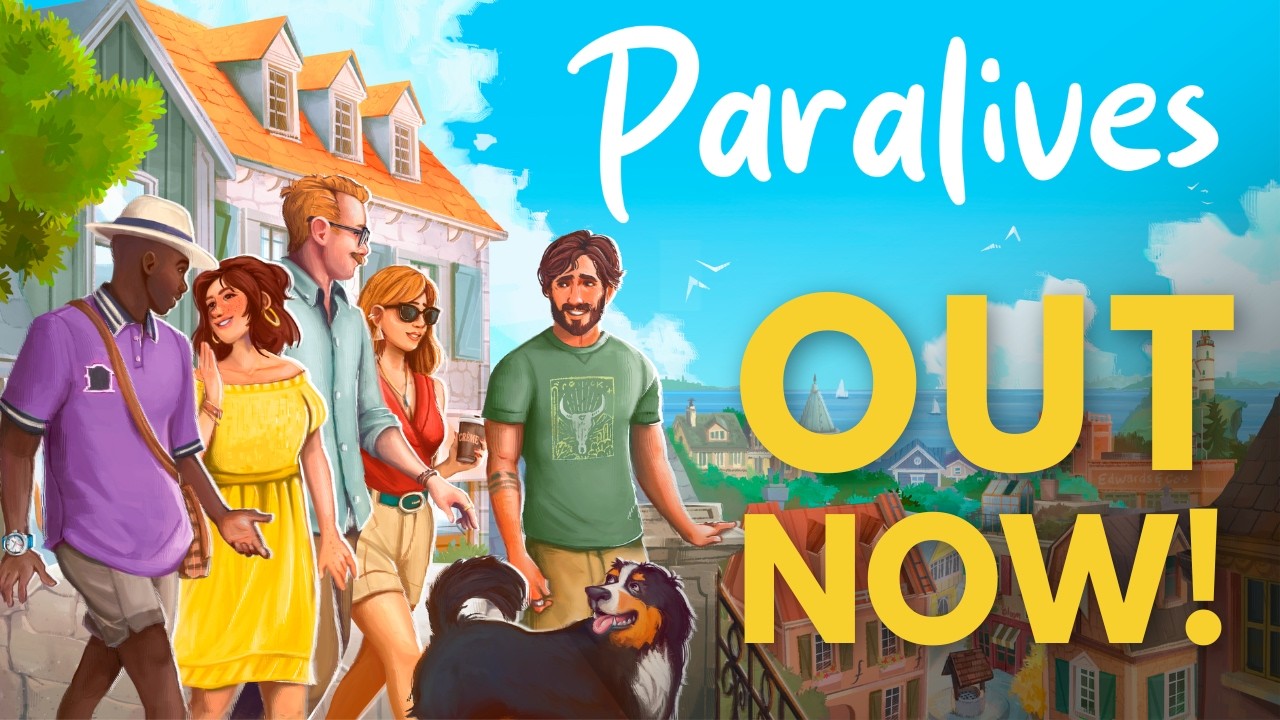
The Paralives game launch—selling over 250,000 copies within 8 hours of release—represents a significant market signal for cross-border e-commerce sellers operating in the digital goods and gaming merchandise categories. While the headline focuses on direct game sales through digital distribution platforms (Steam, Epic Games Store), this launch event creates cascading opportunities across multiple seller verticals: gaming peripherals, merchandise, collectibles, and custom content marketplaces.
Market Opportunity Analysis: The life simulation gaming category, anchored by The Sims franchise's $5B+ lifetime revenue, is experiencing renewed competitive intensity. Paralives' rapid adoption (250K units in 8 hours) indicates strong consumer appetite for alternative simulation experiences, suggesting market expansion rather than pure cannibalization. This signals growing demand for gaming-adjacent products: custom controllers, gaming chairs, RGB lighting, streaming equipment, and branded merchandise. Sellers in these categories can expect 15-25% traffic increases during major game launches, particularly among the 18-35 demographic that drives simulation game adoption.
Platform-Specific Implications: The bug fix announcements and community engagement around Paralives highlight the importance of post-launch support and community marketplace features. For sellers, this indicates strong demand for custom content, mods, and user-generated merchandise tied to active gaming communities. Amazon's gaming category, eBay's collectibles vertical, and Etsy's custom goods marketplace all benefit from active game communities. The Sims Community's marketplace infrastructure demonstrates how gaming platforms increasingly integrate seller ecosystems—a trend that benefits third-party merchants offering complementary products.
Seller Segmentation Opportunities: Small sellers (1-50 SKUs) can target niche merchandise: fan art prints, custom Sims-inspired home décor, and digital content bundles. Mid-tier sellers (50-500 SKUs) should focus on gaming peripherals and streaming equipment bundles marketed to simulation game audiences. Large sellers (500+ SKUs) can develop category-wide strategies spanning gaming, home office, and lifestyle products, leveraging the simulation game audience's demonstrated purchasing power. Regional sellers in Asia Pacific can capitalize on manufacturing advantages for gaming peripherals, while EU-based sellers can target the strong European gaming market (35% of global gaming revenue).
Risk and Compliance Considerations: Digital goods sales require careful attention to platform policies around game-related merchandise, intellectual property rights, and fan-created content. Sellers must verify licensing agreements before selling Paralives-branded merchandise or fan content. Cross-border sellers should monitor regional gaming regulations, particularly in China and South Korea where simulation games face content restrictions.
Questions 8
How can sellers capitalize on the Paralives game launch and simulation game trend?
Sellers can target three primary product categories: (1) Gaming peripherals (controllers, headsets, gaming chairs) marketed to simulation game audiences; (2) Themed merchandise (home décor, apparel, collectibles) tied to the gaming community; (3) Streaming and content creation equipment for players who broadcast gameplay. The 250K+ unit launch indicates strong community engagement, suggesting 15-25% traffic increases for gaming-adjacent products during the first 30-90 days post-launch. Sellers should optimize Amazon listings with keywords like 'simulation game setup,' 'gaming peripherals for The Sims players,' and 'streaming equipment for life simulation games.' Monitor community forums and social media to identify trending merchandise requests within the Paralives fan base.
What are the intellectual property risks when selling Paralives-branded merchandise?
Sellers must obtain explicit licensing agreements before selling merchandise bearing Paralives branding, logos, or character likenesses. Unauthorized fan merchandise violates intellectual property rights and can result in Amazon/eBay listing removal, account suspension, or legal action from the game developer. Safe alternatives include: (1) Generic gaming merchandise not branded with game names; (2) Licensed merchandise through official partnerships; (3) Fan art and custom content clearly labeled as fan-created and non-official. Check the game developer's official website for approved merchandise partners and licensing programs. EU sellers should verify GDPR compliance if collecting user-generated content or community data.