




Strait of Hormuz Blockade Disrupts Asia-Pacific Shipping | Sellers Face 15-25% Freight Cost Surge
- 1,550+ merchant vessels stranded in Gulf; shipping routes diverted away from Hormuz; freight surcharges and 2-4 week delivery delays expected for Pakistan, India, China-bound shipments












Overview
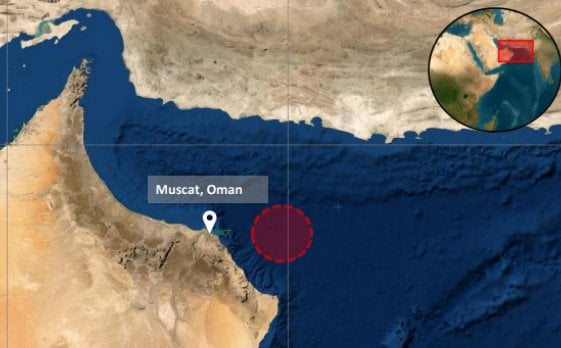
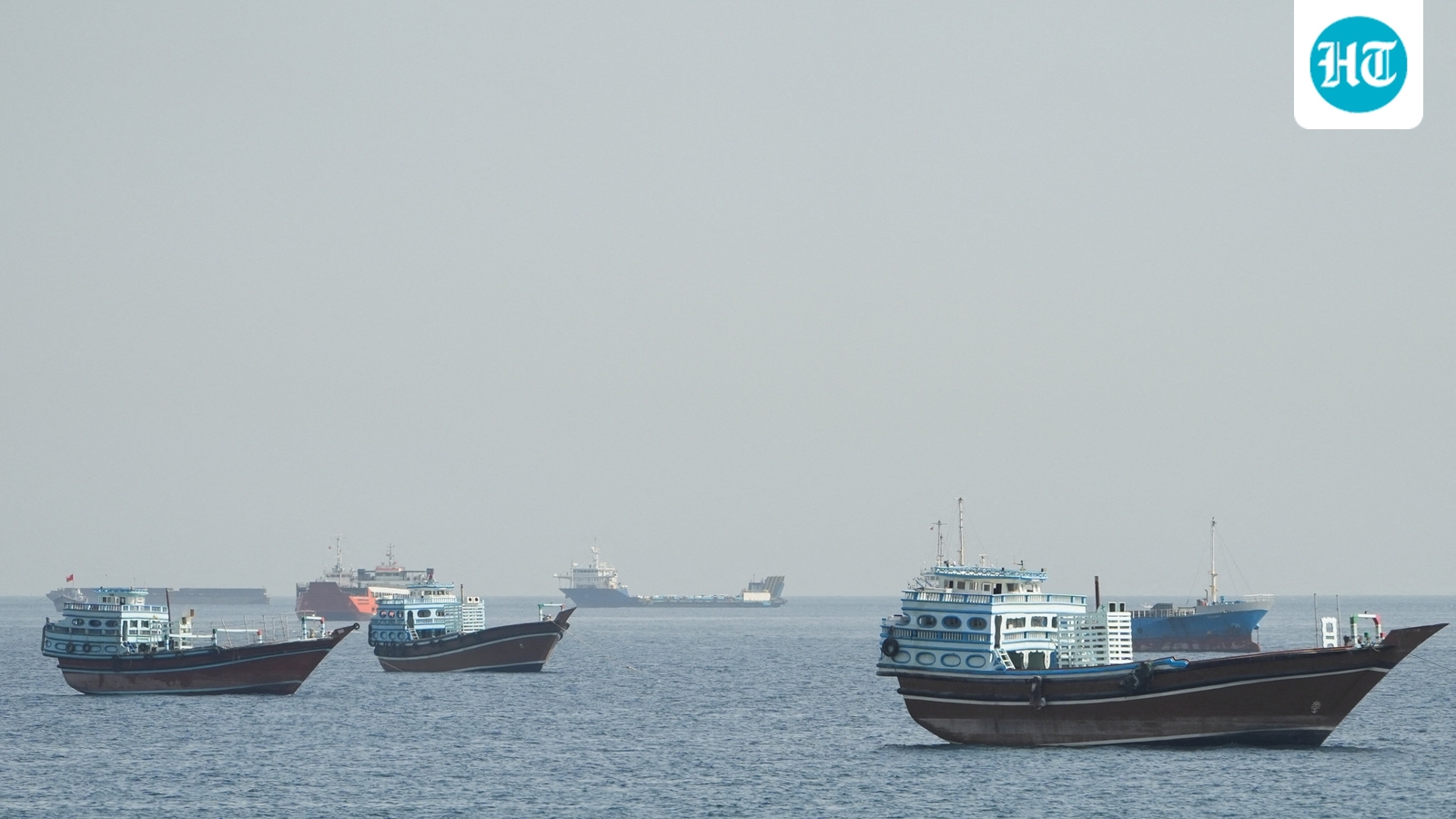
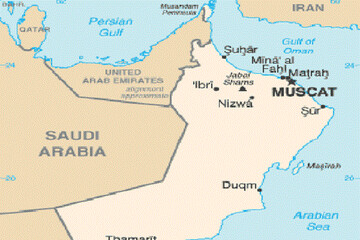
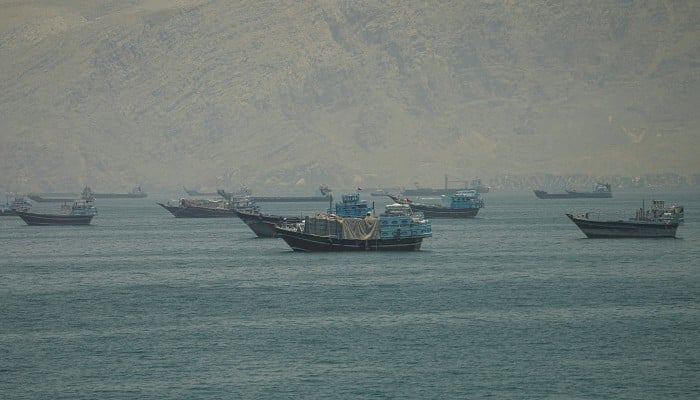
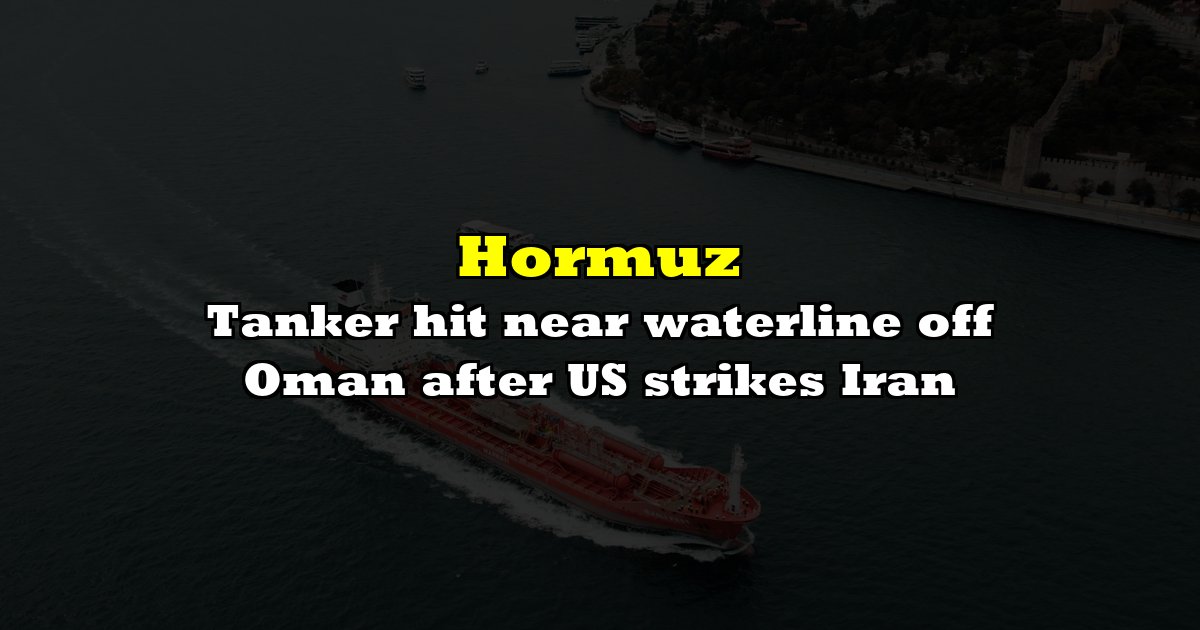
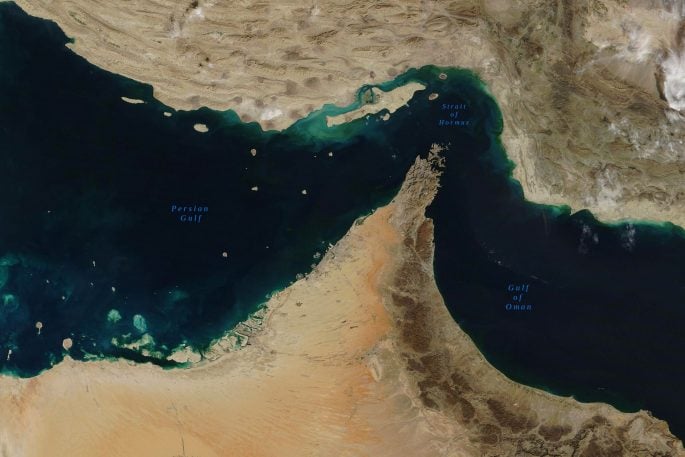
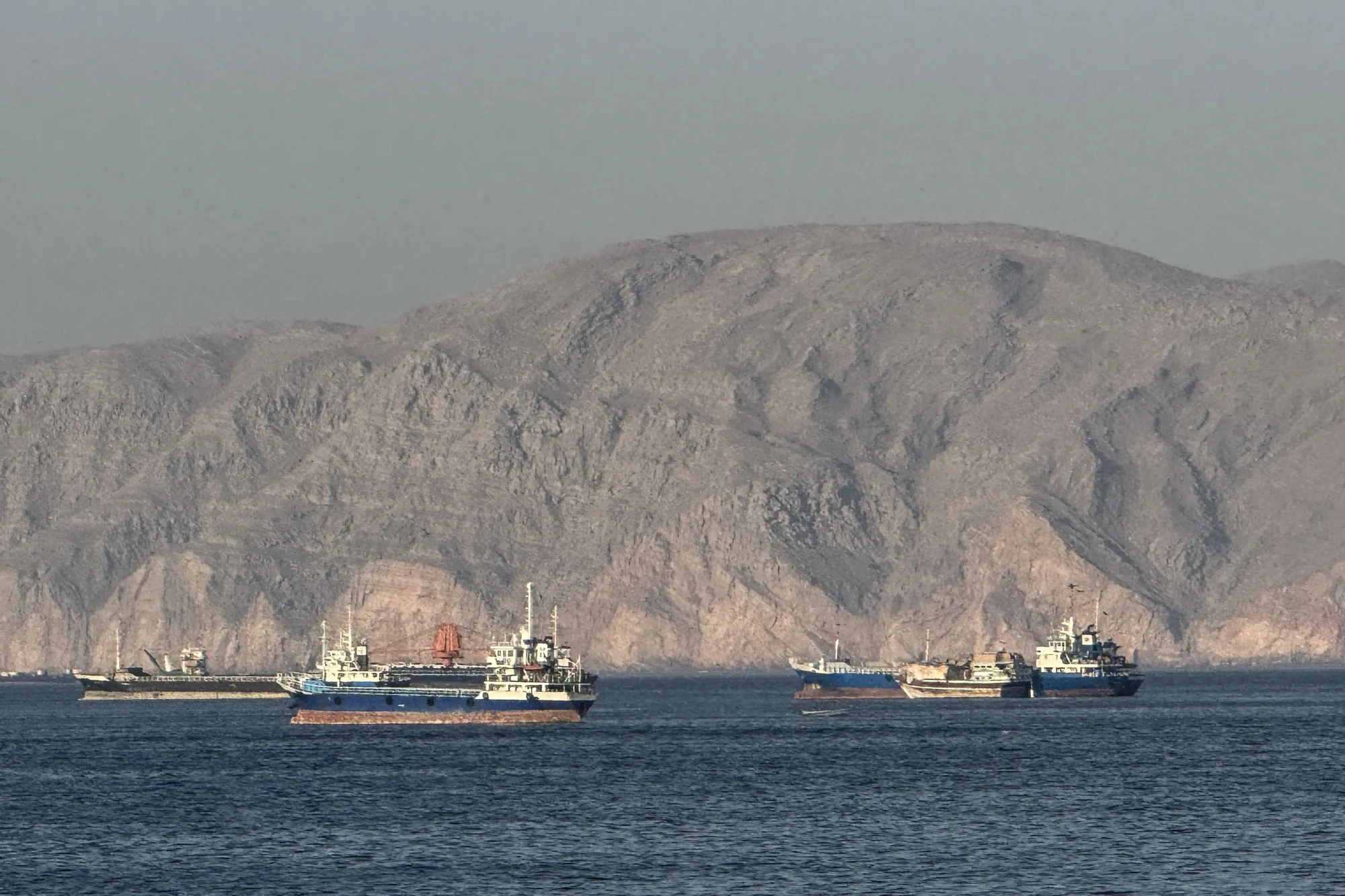
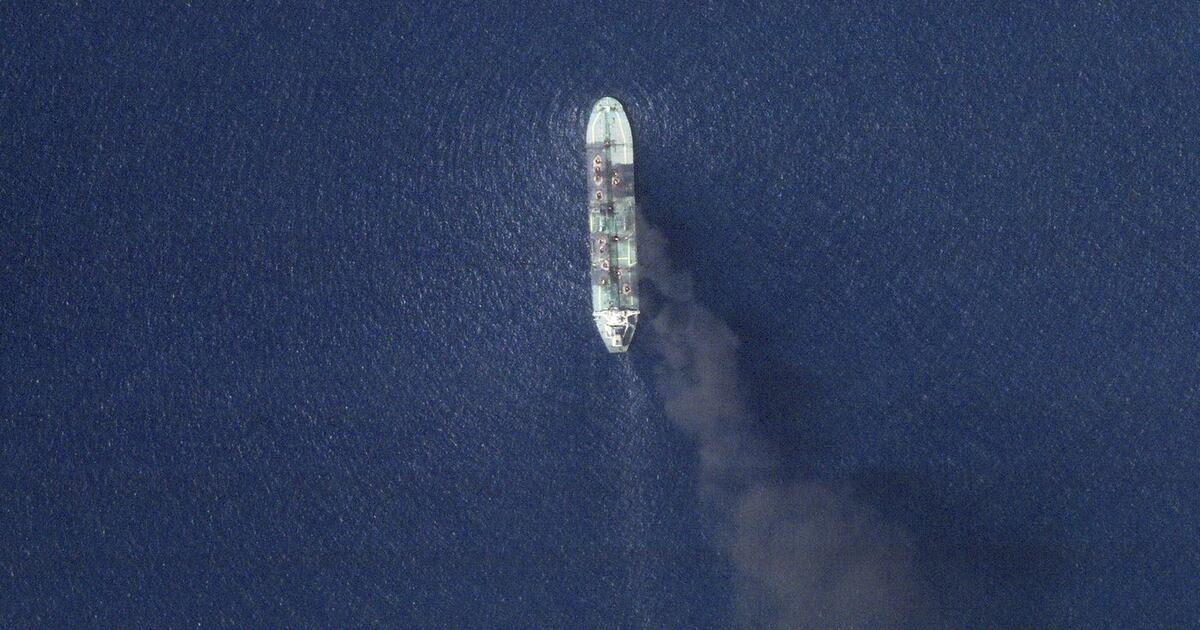
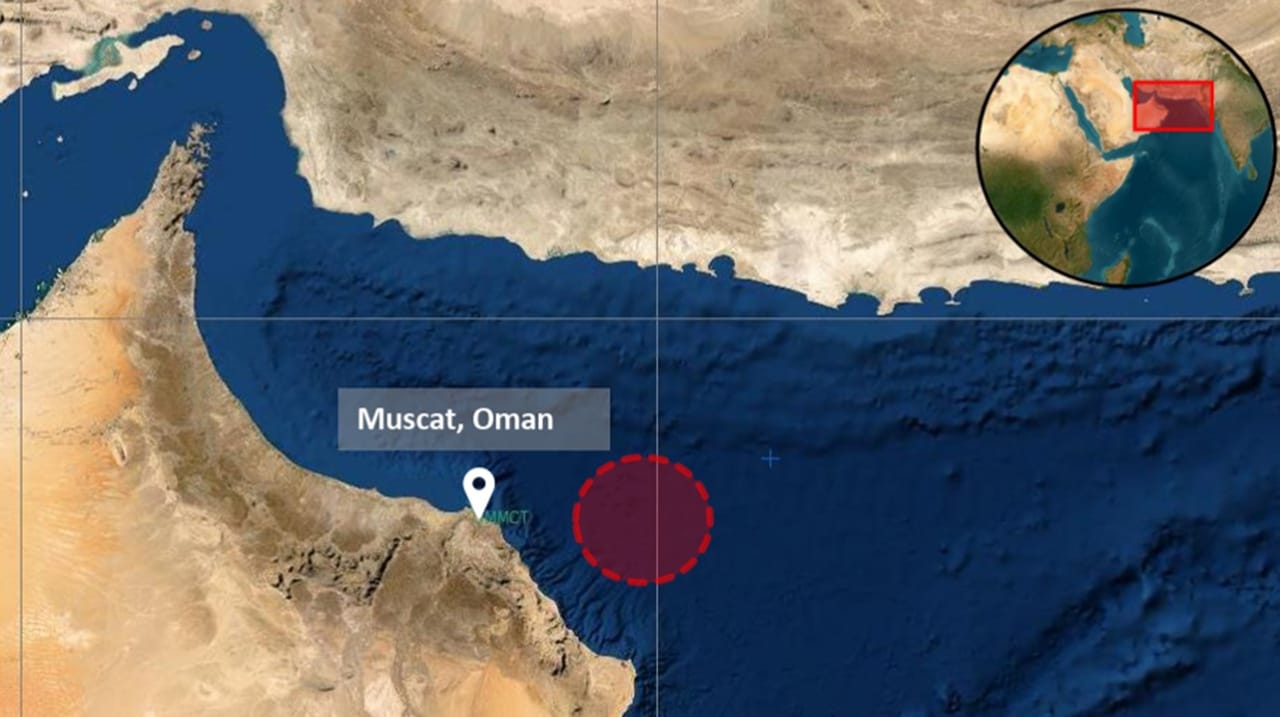
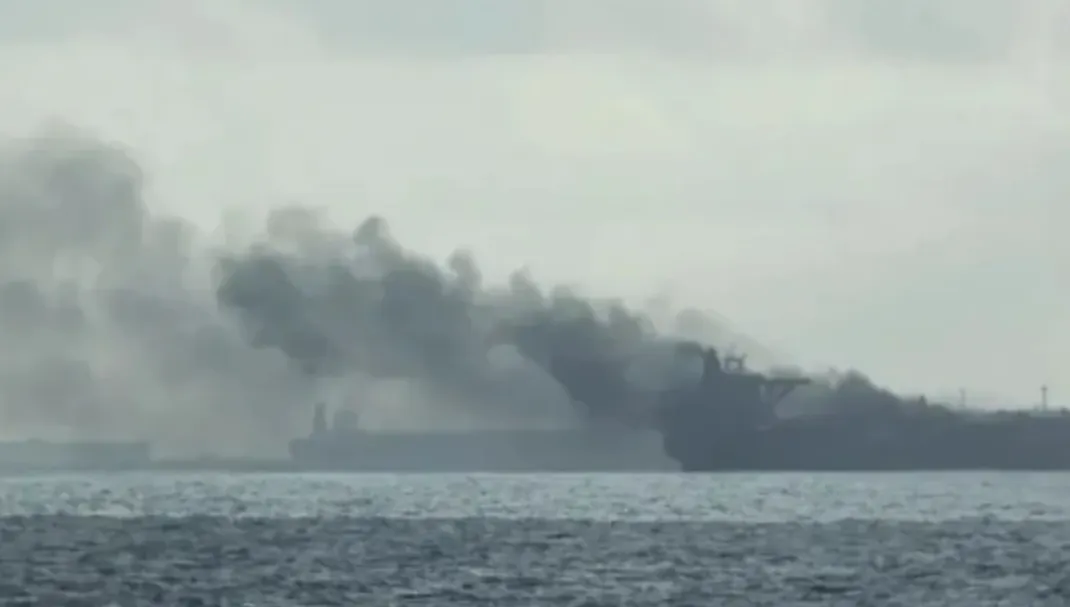
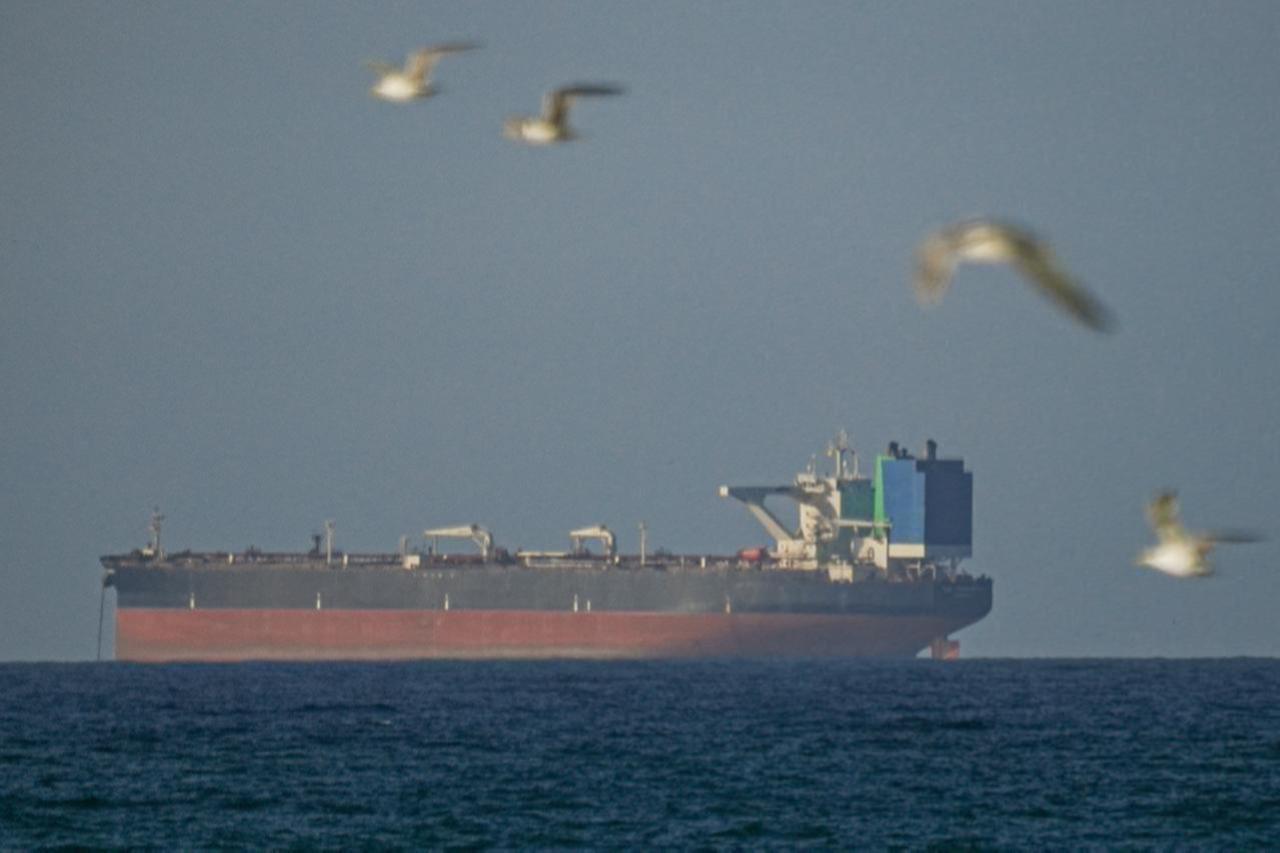
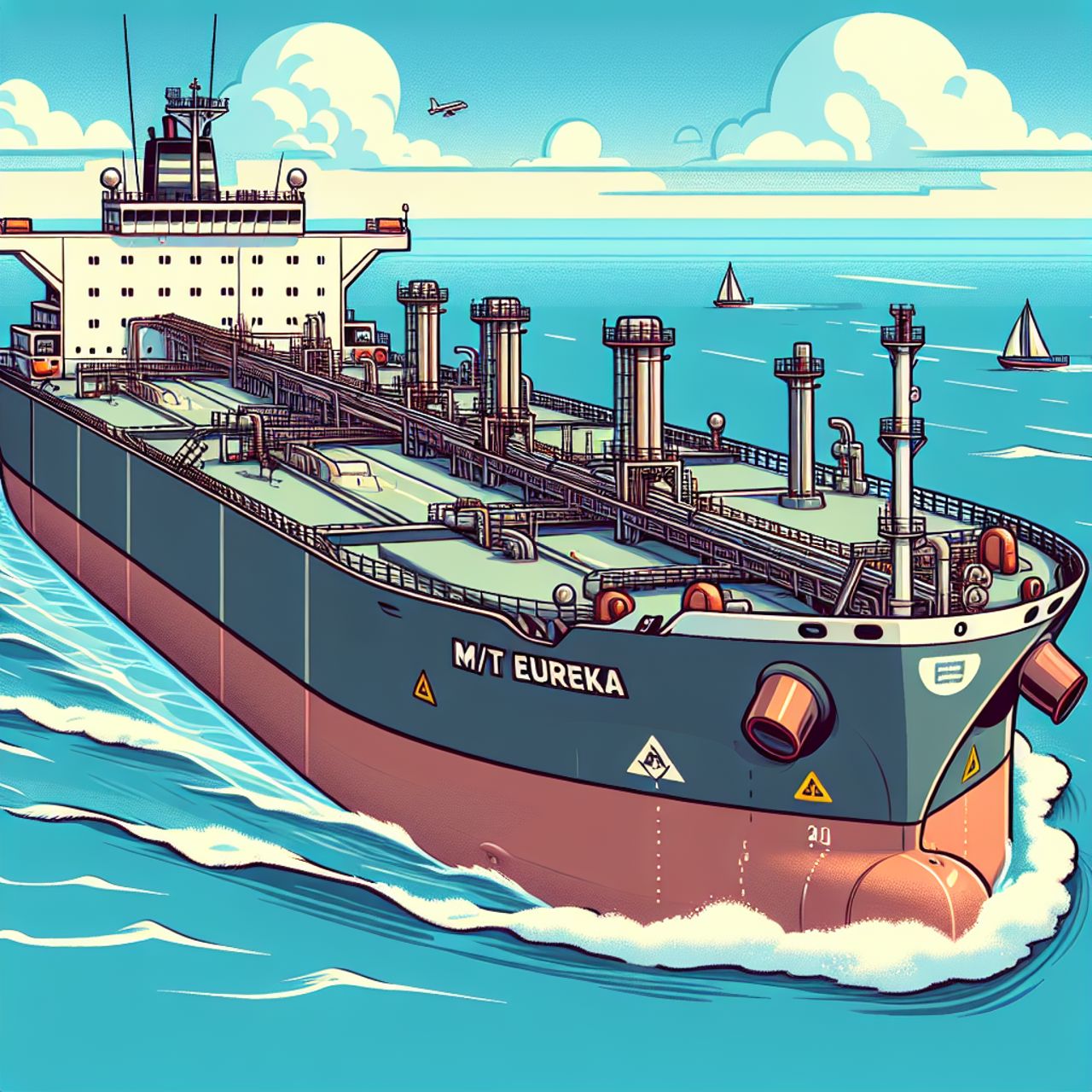
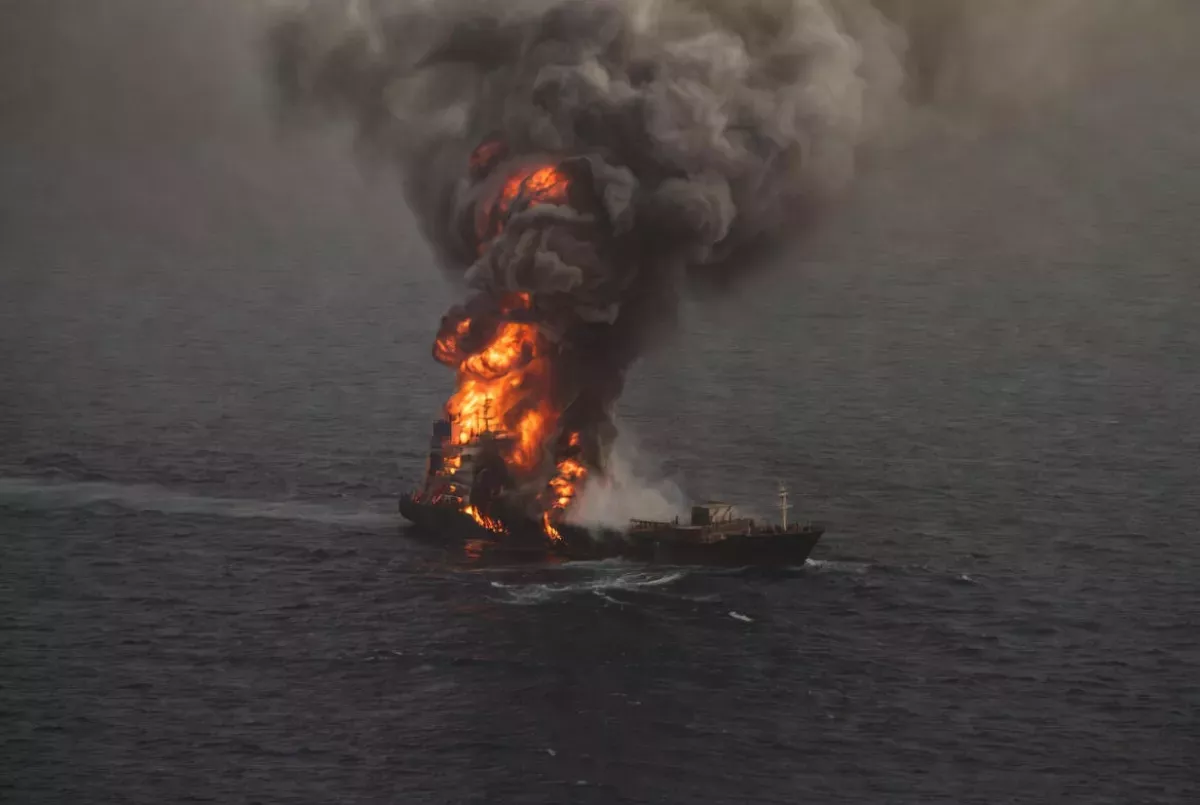
The Strait of Hormuz maritime blockade triggered by Iran's mine-laying operations and US military strikes represents a critical supply chain disruption for cross-border e-commerce sellers. On May 26, 2026, a tanker sustained hull damage from an external explosion approximately 60 nautical miles east of Muscat, Oman—the latest in a series of incidents escalating regional tensions. According to UK Maritime Trade Operations (UKMTO), approximately 22,500 seafarers aboard 1,550+ merchant vessels remain stranded in the Gulf due to shipping restrictions. Pre-conflict data showed the Strait averaged 125-140 daily passages; current tracking indicates only three liquefied natural gas tankers and select supertankers have transited through Iran's mandated route. This blockade directly impacts global oil supply, as the Strait of Hormuz normally carries one-fifth of worldwide oil production.
For cross-border e-commerce sellers, this maritime crisis creates immediate cost escalation and inventory management challenges. Sellers shipping goods to Asia-Pacific markets (Pakistan, India, China) via traditional Hormuz routes now face 15-25% freight surcharges as logistics providers divert shipments through longer alternative routes (Red Sea-Suez Canal alternatives or Cape of Good Hope routing). Ocean freight costs for containerized goods have increased from baseline $2,500-3,500/TEU (20-foot equivalent unit) to $3,200-4,500/TEU for diverted routes, adding $700-1,000 per container. Insurance premiums for Gulf-region transits have doubled, with war-risk coverage now mandatory at 0.5-1.5% of cargo value. Sellers dependent on time-sensitive shipments face 2-4 week delivery delays as vessels navigate extended routes, compressing inventory turnover and increasing working capital requirements.
Strategic sourcing and inventory positioning become critical competitive advantages during this disruption. Sellers should immediately evaluate sourcing alternatives: shifting orders from Middle Eastern suppliers (textiles, petrochemicals, automotive parts) to Southeast Asian manufacturers (Vietnam, Thailand, Indonesia) where alternative shipping routes bypass Hormuz entirely. Electronics, apparel, and consumer goods categories destined for India and Pakistan should be pre-positioned in regional fulfillment centers (Dubai FTZ, Singapore, Hong Kong) before further escalation. Sellers currently holding inventory in Gulf-region warehouses should accelerate liquidation or redistribute stock to US/EU fulfillment centers to avoid extended dwell times and demurrage charges. For sellers using 3PL providers, negotiate fixed-rate freight agreements immediately before surcharges become permanent; consider consolidating shipments to maximize container utilization and reduce per-unit costs. Monitor UKMTO advisories daily and establish backup logistics partners with alternative routing capabilities to maintain supply chain resilience.
Questions 7
What shipping delays should sellers expect for Asia-Pacific deliveries?
Sellers can expect 2-4 week delivery delays for shipments destined to Pakistan, India, and China due to route diversions away from the Strait of Hormuz. Traditional Hormuz routes averaged 18-22 days transit time; alternative routing via Red Sea-Suez Canal or Cape of Good Hope extends transit to 24-28 days. This delay directly impacts inventory turnover, particularly for time-sensitive categories like seasonal apparel, electronics, and perishable goods. Sellers should pre-position inventory in regional fulfillment centers (Dubai FTZ, Singapore, Hong Kong) to maintain delivery speed and customer satisfaction. Monitor UKMTO daily advisories for route status updates, and establish backup logistics partners with alternative routing capabilities to maintain supply chain resilience during extended blockade periods.
Which product categories should sellers source from Southeast Asia instead of the Middle East?
Sellers should immediately shift sourcing for textiles, apparel, footwear, and consumer electronics from Middle Eastern suppliers to Southeast Asian manufacturers (Vietnam, Thailand, Indonesia). These regions offer alternative shipping routes that bypass the Strait of Hormuz entirely, avoiding the 15-25% freight surcharge and 2-4 week delays. Vietnam's textile exports ($40B annually) and Thailand's electronics manufacturing provide competitive pricing with faster delivery to Asia-Pacific markets. Automotive parts, petrochemicals, and industrial goods currently sourced from Middle Eastern suppliers should be evaluated for Southeast Asian alternatives. Lead times for Southeast Asian sourcing typically range 30-45 days versus 45-60 days for Middle Eastern suppliers, providing inventory velocity advantages during this disruption period.