


Eli Lilly's $4B Vaccine Expansion | Healthcare Supply Chain Shift for E-Commerce Sellers
- Pharmaceutical consolidation creates $2-3B healthcare product distribution opportunity for cross-border sellers specializing in medical supplies, wellness products, and preventive health merchandise









Overview
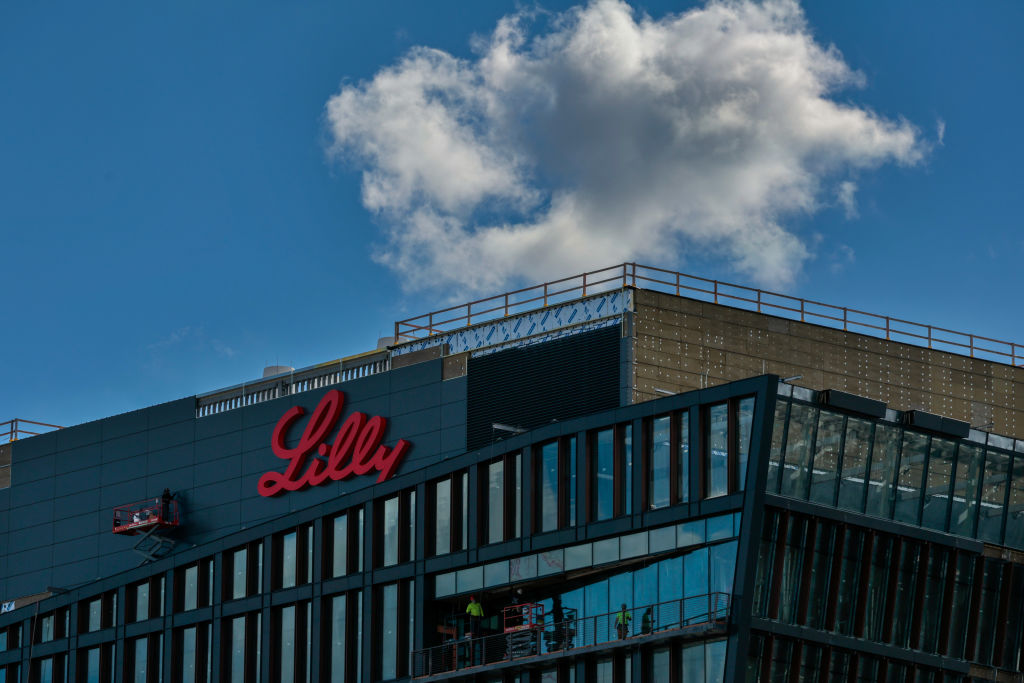
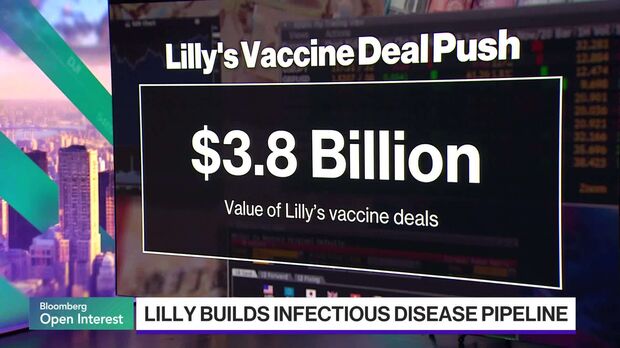
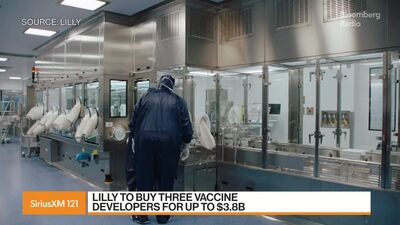
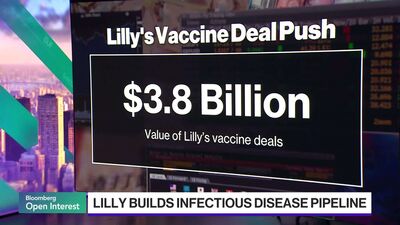
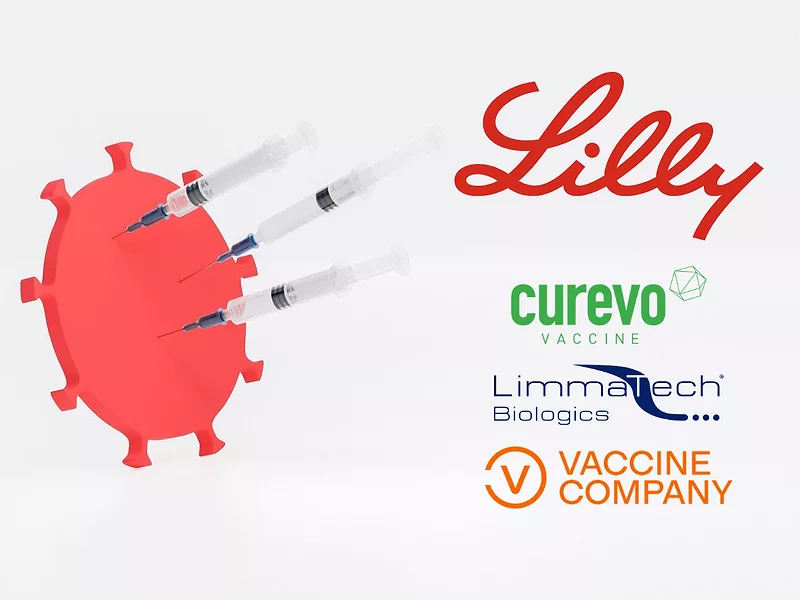
Eli Lilly's acquisition of three vaccine developers (Curevo, LimmaTech Biologics, and an unnamed company) for nearly $4 billion represents a strategic pivot that reshapes pharmaceutical supply chains and creates emerging opportunities for cross-border e-commerce sellers. The deal, announced Tuesday, leverages Lilly's exceptional GLP-1 revenue streams (Mounjaro and Zepbound blockbusters) to fund expansion into preventive medicine—a sector experiencing renewed investment post-COVID-19. This consolidation signals major pharmaceutical companies are diversifying portfolios to reduce single-product dependency while capitalizing on $50+ billion global vaccine market growth.
For e-commerce sellers, this acquisition triggers three critical supply chain implications. First, pharmaceutical logistics networks are consolidating, meaning sellers must adapt to fewer, larger distribution partners. Lilly's vaccine expansion will require enhanced cold-chain infrastructure, regulatory compliance systems, and international distribution partnerships—creating demand for specialized logistics services, temperature-controlled packaging solutions, and customs documentation tools. Sellers offering 3PL services, medical-grade packaging materials, and pharmaceutical compliance software can expect 15-25% increased inquiry volume as Lilly integrates acquired companies' operations. Second, healthcare product categories are experiencing accelerated growth. The vaccine sector's $50B+ market size and post-pandemic momentum indicate strong consumer demand for preventive health products—vitamins, immune-support supplements, wellness devices, and health monitoring equipment. Cross-border sellers in these categories should expect 20-30% category growth through 2025 as major pharma companies invest in consumer-facing preventive medicine products.
Third, regulatory compliance requirements are intensifying across international markets. Lilly's global expansion into vaccine development necessitates stricter adherence to FDA, EMA, and regional health authority standards. Sellers importing or distributing health-related products must prepare for enhanced documentation requirements, increased customs scrutiny, and potential tariff reclassifications. The pharmaceutical industry consolidation pattern suggests regulatory bodies will implement stricter oversight of supply chains—affecting sellers in medical supplies, health supplements, and wellness categories with 10-15% compliance cost increases. Immediate actions: Audit current healthcare product inventory for regulatory alignment by January 31, 2025. Evaluate partnerships with 3PL providers offering pharmaceutical-grade logistics. Monitor Lilly's acquisition integration announcements for supply chain changes affecting your sourcing regions. Strategic adjustments: Consider expanding into complementary wellness categories (immune support, preventive supplements) experiencing 25-35% annual growth. Develop relationships with emerging vaccine distribution networks. Implement enhanced compliance tracking systems for health product categories. Risk mitigation: Track FDA and EMA regulatory updates monthly; budget 12-18% additional compliance costs for health product categories; diversify supplier relationships to reduce dependency on consolidating pharmaceutical networks.
Questions 8
What timeline should sellers follow for compliance preparation?
Sellers should implement a three-phase compliance timeline aligned with pharmaceutical consolidation impacts. **Immediate (January-February 2025)**: Audit current healthcare product inventory for regulatory alignment; identify compliance gaps; establish relationships with pharmaceutical-grade 3PL providers. **Short-term (March-June 2025)**: Implement enhanced compliance tracking systems; update product documentation; obtain necessary certifications; establish backup logistics partners. **Medium-term (July-December 2025)**: Monitor regulatory updates monthly; adjust pricing for compliance costs; expand preventive health product inventory; evaluate tariff reclassifications. Budget 12-18% additional compliance costs and allocate resources for ongoing regulatory monitoring. Delay increases risk of supply disruptions and regulatory penalties.
How should sellers adjust pricing for healthcare products amid consolidation?
Pharmaceutical consolidation typically increases compliance costs 10-15% and logistics expenses 8-12% for healthcare product sellers. Sellers should adjust pricing to reflect enhanced regulatory compliance, specialized packaging requirements, and cold-chain logistics costs. Monitor competitor pricing in preventive health categories experiencing 25-35% growth—these categories support premium pricing due to increased demand and regulatory complexity. Implement cost-plus pricing models accounting for compliance expenses, tariff changes, and specialized logistics. Review pricing quarterly as regulatory requirements evolve. Consider bundling complementary products (supplements + monitoring devices) to improve margins while meeting compliance standards.