



Strait of Hormuz Shipping Deal | 21% Global Trade Corridor Reopening Creates $2-4B Logistics Opportunity
- Potential 30-40% reduction in shipping costs for Middle East-routed cargo; 60-day UN Security Council approval window creates urgent sourcing arbitrage for sellers with Asia-to-Middle East supply chains















Overview
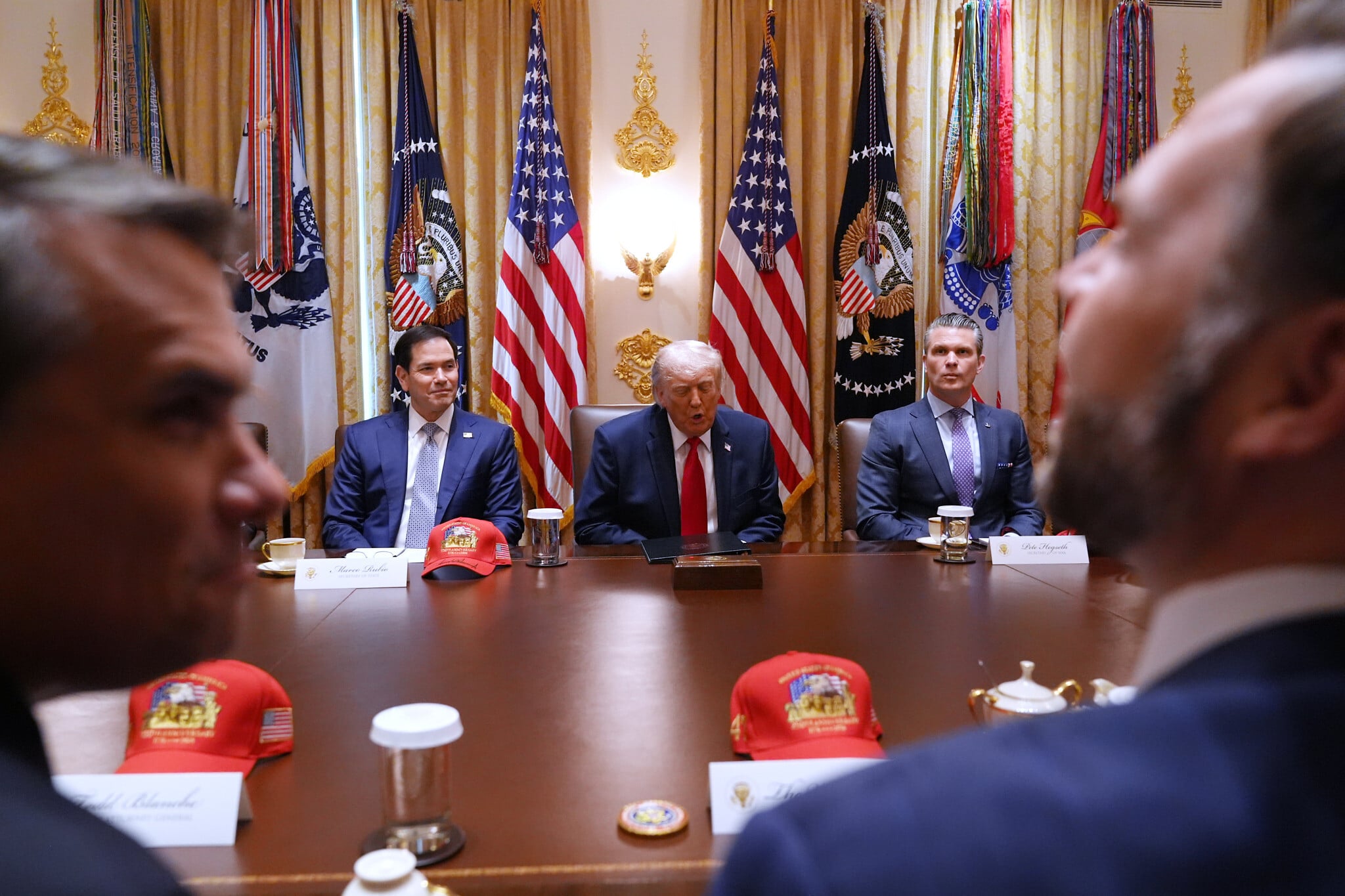
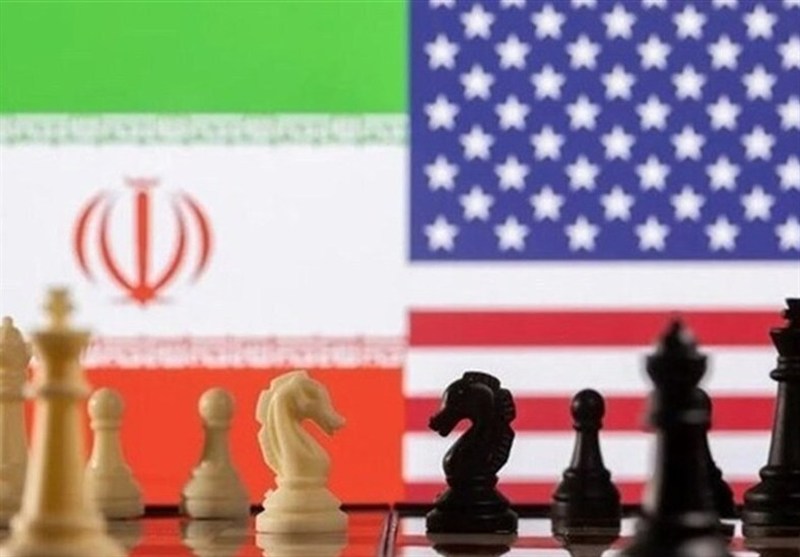
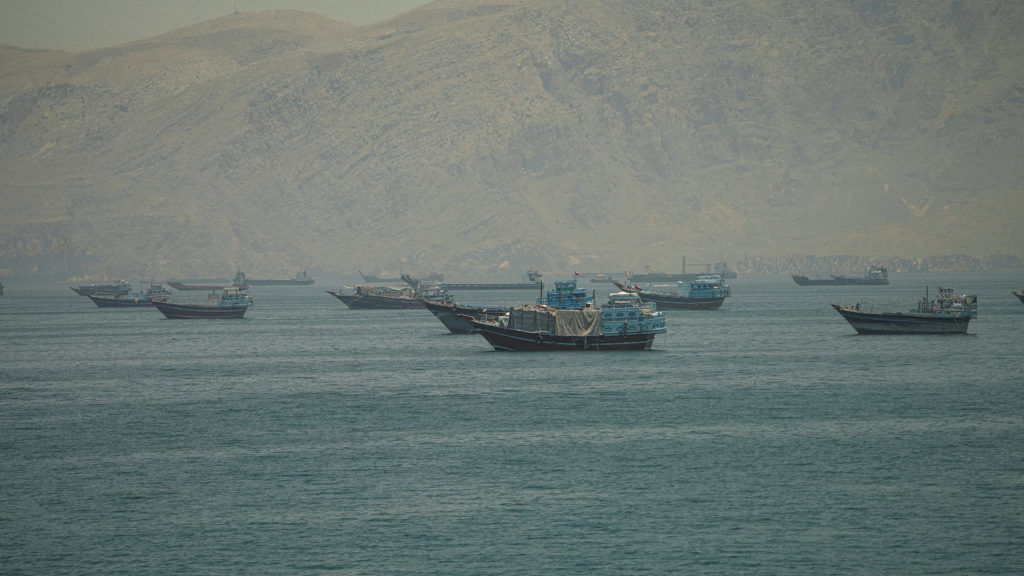
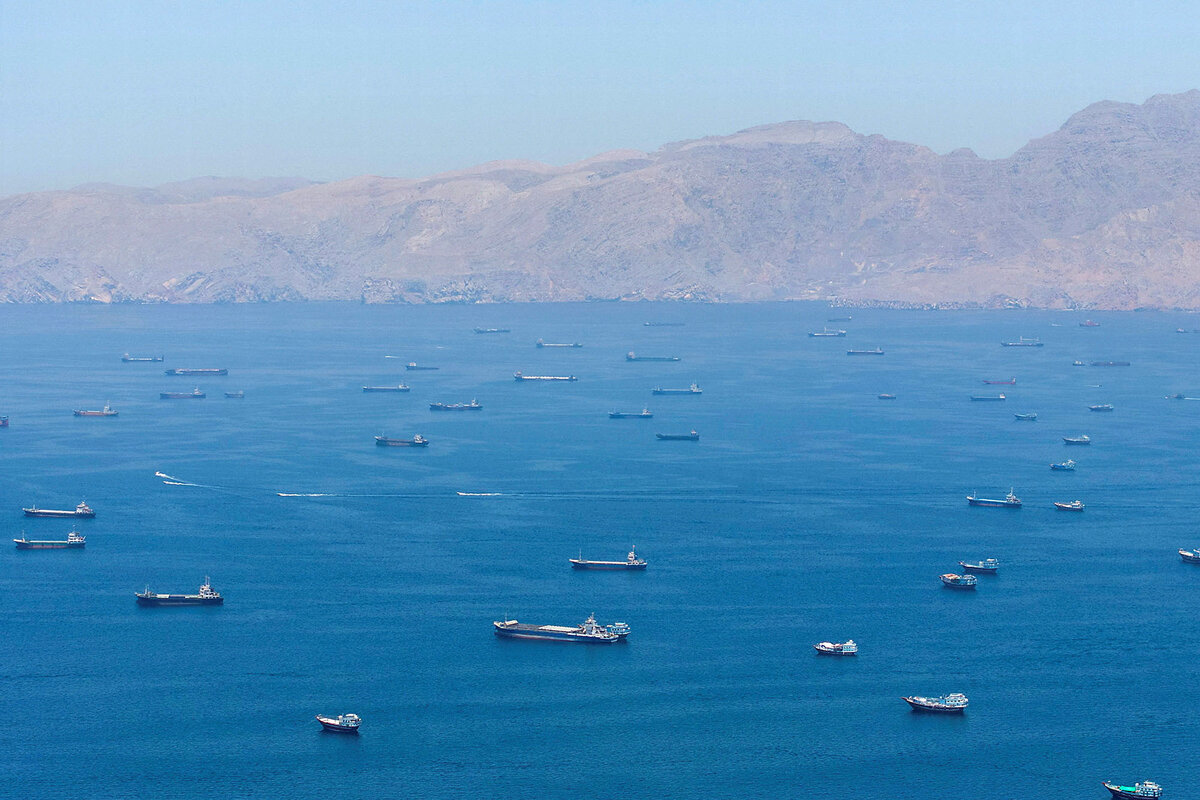
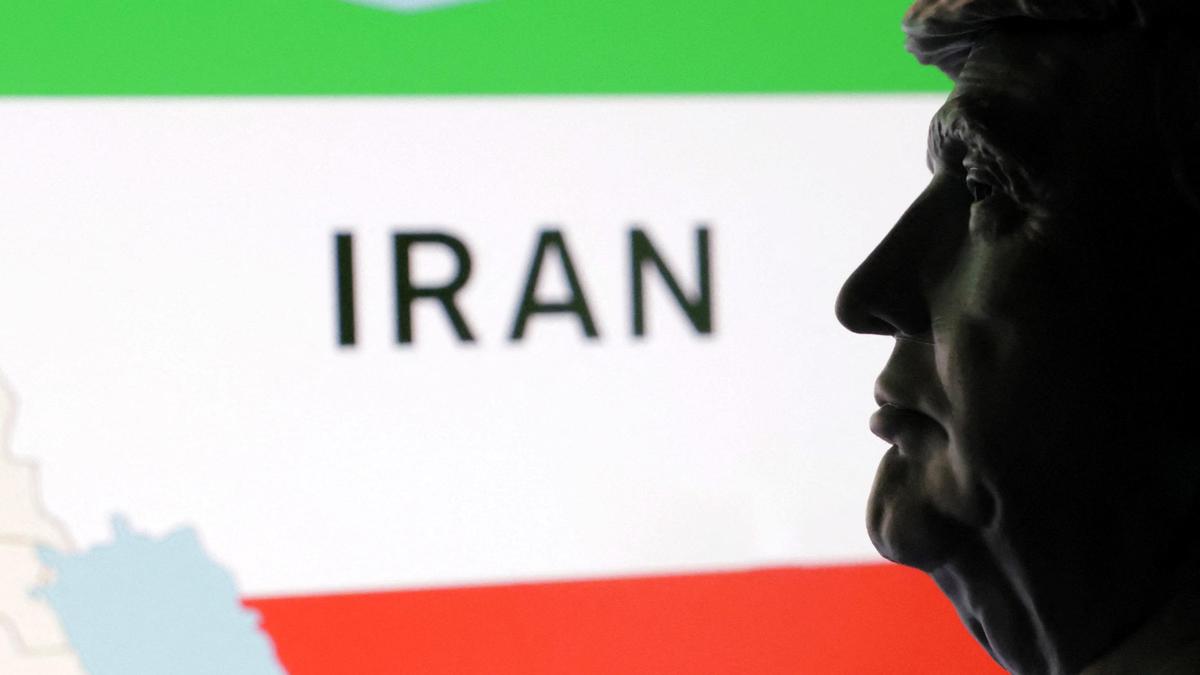
The draft Iran-US memorandum of understanding framework (May 27, 2026) represents a critical inflection point for cross-border e-commerce logistics, with direct implications for the 21% of global petroleum trade and substantial containerized cargo flowing through the Strait of Hormuz. According to Reuters reporting, the framework proposes Iran would restore commercial shipping to pre-war levels within one month, while the US withdraws military forces and lifts its naval blockade. The agreement could be finalized as a binding UN Security Council resolution within 60 days, creating a defined timeline for sellers to restructure supply chains.
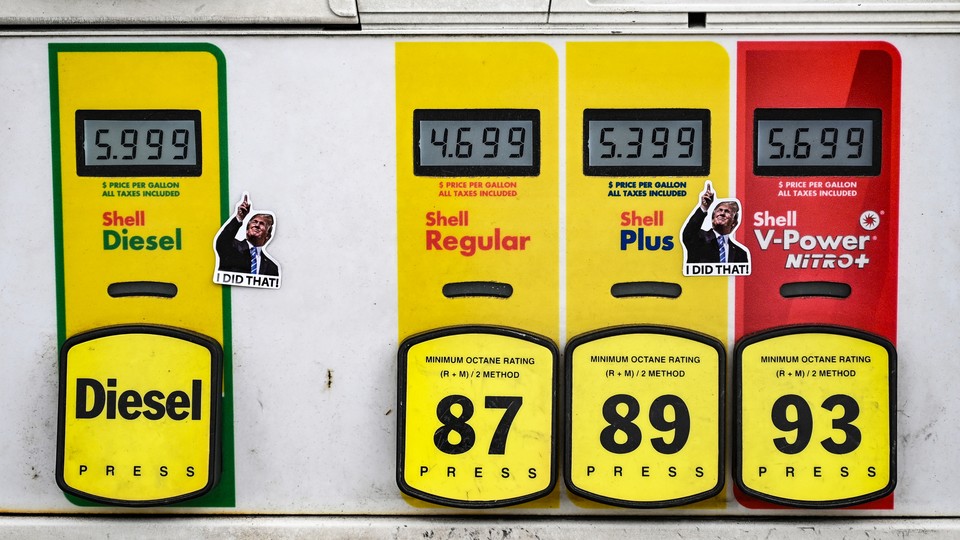
Immediate shipping cost implications are substantial: Current conflict-driven insurance premiums, fuel surcharges, and rerouting costs add 8-15% to containerized cargo expenses for sellers shipping through the Strait. A successful deal would stabilize these costs, reducing per-unit logistics expenses by $2-4 per unit for electronics, apparel, and consumer goods categories. For a seller moving 10,000 units monthly through Middle Eastern distribution hubs, this translates to $20,000-40,000 monthly savings. Oil prices have already declined 3.2% to $93.48/barrel in anticipation of negotiations, signaling market confidence in potential resolution.
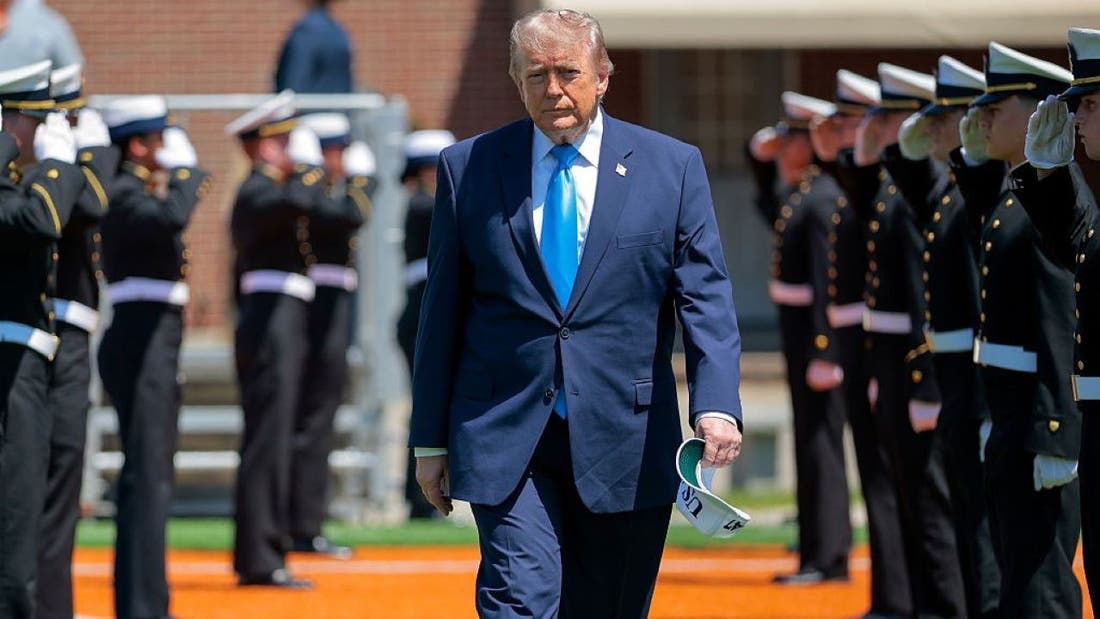
However, significant execution risk remains: The White House rejected Tehran's characterization of the draft deal, with Trump administration officials stating the US was "not satisfied yet" with proposed arrangements. The framework's success depends on establishing verification mechanisms and securing agreement on military force withdrawals—both contentious issues. This creates a 60-day window where sellers must balance opportunity against uncertainty. Sellers with existing Middle East distribution networks (UAE, Saudi Arabia, Oman) face a critical decision: accelerate inventory positioning now to capture cost savings, or wait for deal confirmation to avoid stranded inventory if negotiations collapse.
Regional airport reopenings compound the opportunity: Iran's reopening of Isfahan and Tabriz International Airports after 80+ days of closure signals logistics infrastructure recovery. This creates secondary opportunities for sellers targeting Iranian consumers and regional distribution hubs, though US sanctions remain in place with no relief discussed. Currency fluctuations and economic pressure in affected regions may reduce consumer purchasing power, offsetting some logistics gains. Sellers should monitor the 60-day UN Security Council approval window as the critical decision point for supply chain restructuring.
Questions 8
How much could cross-border sellers save on shipping costs if the Iran-US deal is finalized?
Sellers routing containerized cargo through the Strait of Hormuz could save 8-15% on logistics costs, translating to $2-4 per unit for electronics, apparel, and consumer goods. For a seller moving 10,000 units monthly through Middle Eastern distribution hubs, this represents $20,000-40,000 in monthly savings. Current conflict-driven insurance premiums, fuel surcharges, and rerouting costs inflate per-unit expenses significantly. The May 27, 2026 Reuters report indicates the framework proposes restoring commercial shipping to pre-war levels within one month of agreement, with potential UN Security Council approval within 60 days. Oil prices have already declined 3.2% to $93.48/barrel in anticipation, signaling market confidence. However, the White House rejected Tehran's characterization of the draft deal, indicating execution risk remains.
What is the timeline for the Iran-US Strait of Hormuz shipping deal to take effect?
The draft memorandum of understanding could be approved as a binding UN Security Council resolution within 60 days if finalized. If approved, Iran would restore commercial shipping through the Strait of Hormuz to pre-war levels within one month. This creates a defined 60-90 day window for sellers to restructure supply chains and capture logistics savings. However, significant execution risk exists: Trump administration officials stated the US was 'not satisfied yet' with proposed arrangements, and the framework's success depends on establishing verification mechanisms and securing agreement on military force withdrawals. Sellers should treat the 60-day UN approval window as the critical decision point for inventory positioning and supply chain changes.