



Strait of Hormuz Blockade Disrupts Global E-Commerce | Shipping Crisis May 2026
- Vessel passages drop 97% (125-140 to 3 daily); oil surges to $95/barrel; 20,000 seafarers stranded; sellers face 30-60% shipping cost increases and 4-8 week delivery delays






















Overview
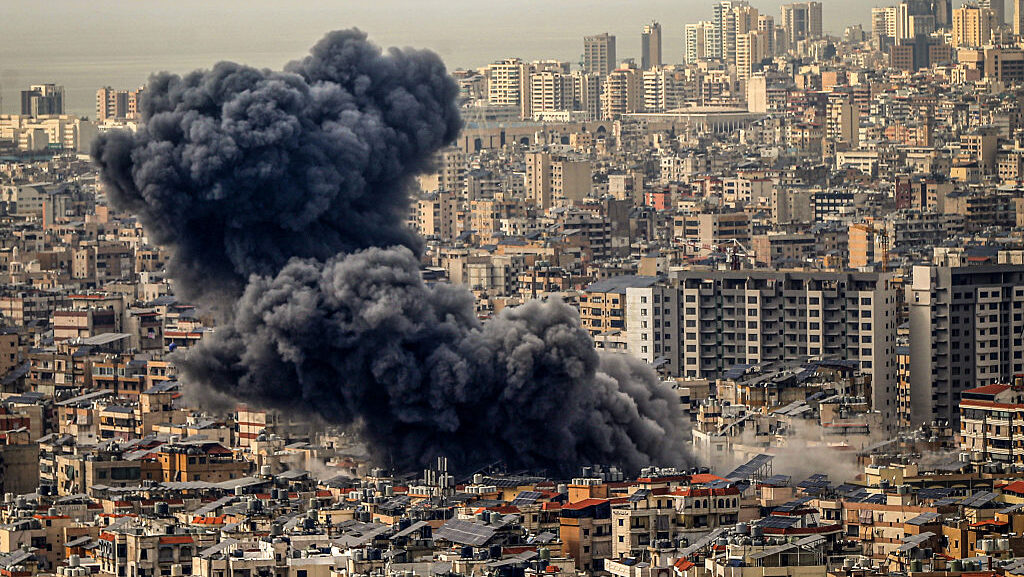
The escalating Israel-Lebanon-Iran conflict represents a critical supply chain crisis for cross-border e-commerce sellers, with direct operational and financial consequences. As of May 28, 2026, the Strait of Hormuz—through which 20-25% of global maritime trade flows—has experienced a catastrophic 97% reduction in vessel traffic, dropping from 125-140 daily passages to just 3 tankers with disabled transponders. This blockade directly impacts e-commerce logistics networks, particularly for sellers sourcing products from Asia, manufacturing in the Middle East, or shipping to European and North American markets.
Immediate Supply Chain Impact: The conflict has created a two-tier shipping crisis. First, the Strait of Hormuz disruption forces vessels to reroute around Africa via the Cape of Good Hope, adding 10-14 days to transit times and increasing fuel costs by 30-40%. Second, approximately 20,000 seafarers remain stranded on hundreds of anchored vessels in the Persian Gulf while US-Iran negotiations continue, creating a humanitarian bottleneck that further delays cargo movement. For sellers relying on just-in-time inventory models, this translates to 4-8 week delivery delays compared to normal 2-3 week Asia-to-US transit times. Sellers shipping electronics, apparel, home goods, and consumer products from China, Vietnam, and India face the most severe disruptions.
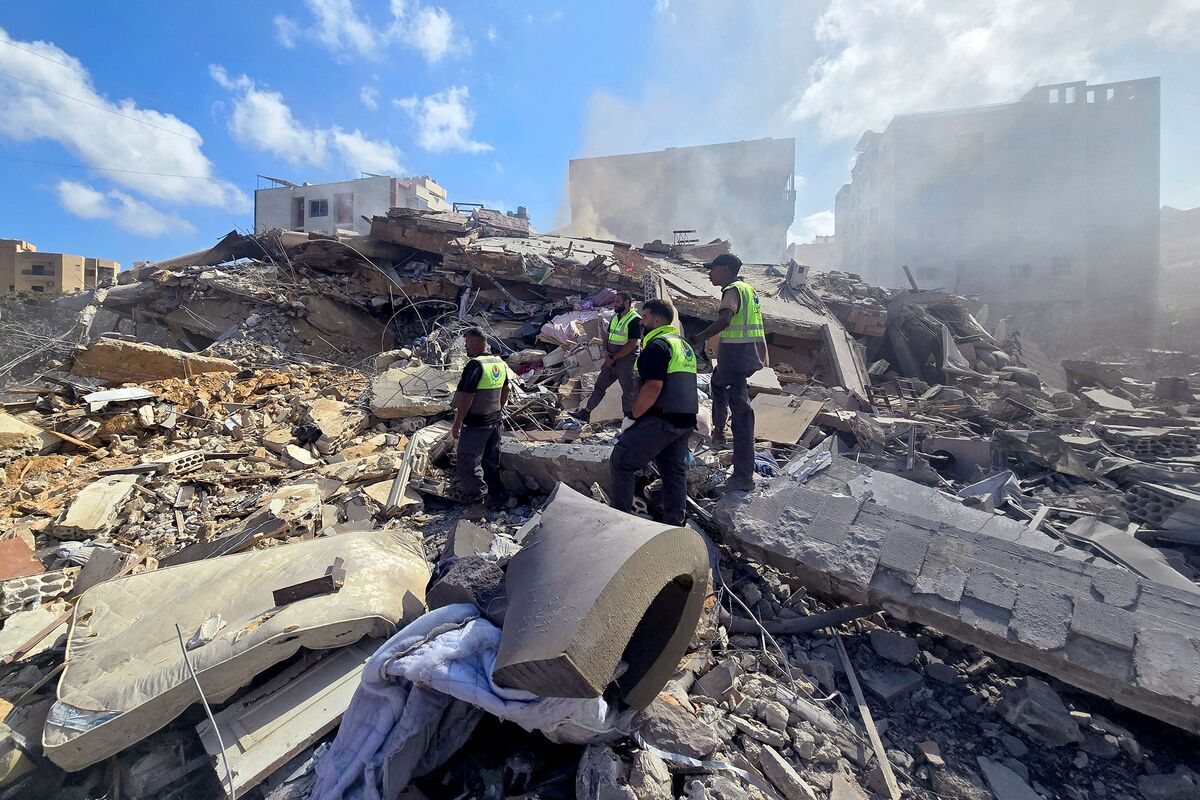
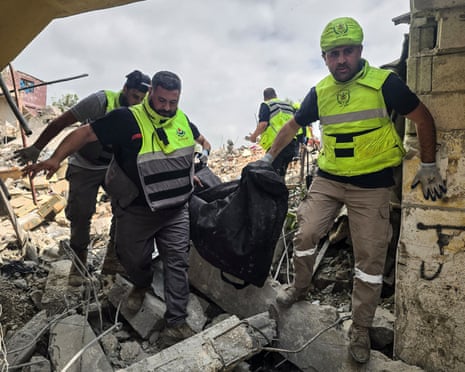
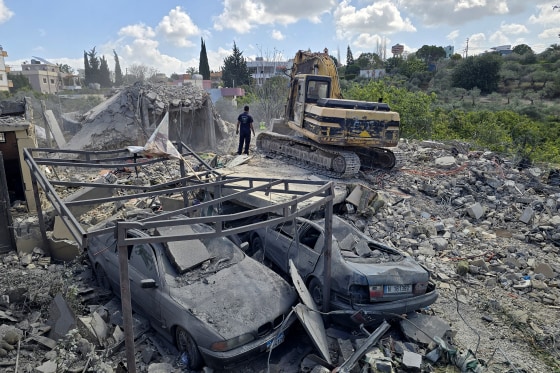
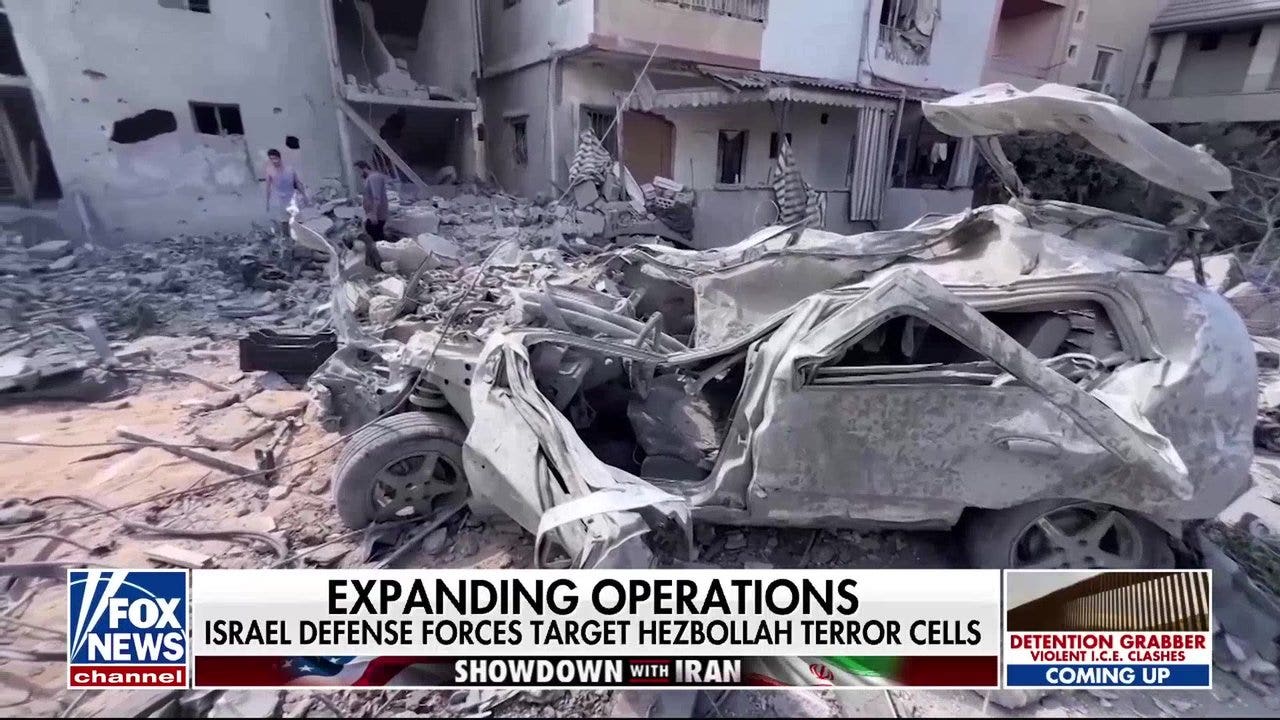
Financial Consequences for Sellers: Oil prices have surged to $95/barrel (Brent crude) and $91/barrel (US futures), directly increasing shipping costs. Sellers typically absorb 15-25% of shipping costs through margin compression or pass increases to customers, reducing competitiveness. For a seller shipping 500 units monthly via ocean freight, the cost increase represents $2,000-4,000 in additional monthly expenses. Additionally, insurance premiums for vessels transiting conflict zones have increased 40-60%, adding $500-1,500 per shipment. The broader geopolitical instability—with 3,213+ deaths in Lebanon, 1 million+ displaced civilians, and ongoing Israeli military operations—creates regulatory uncertainty around trade compliance, sanctions screening, and business continuity planning.
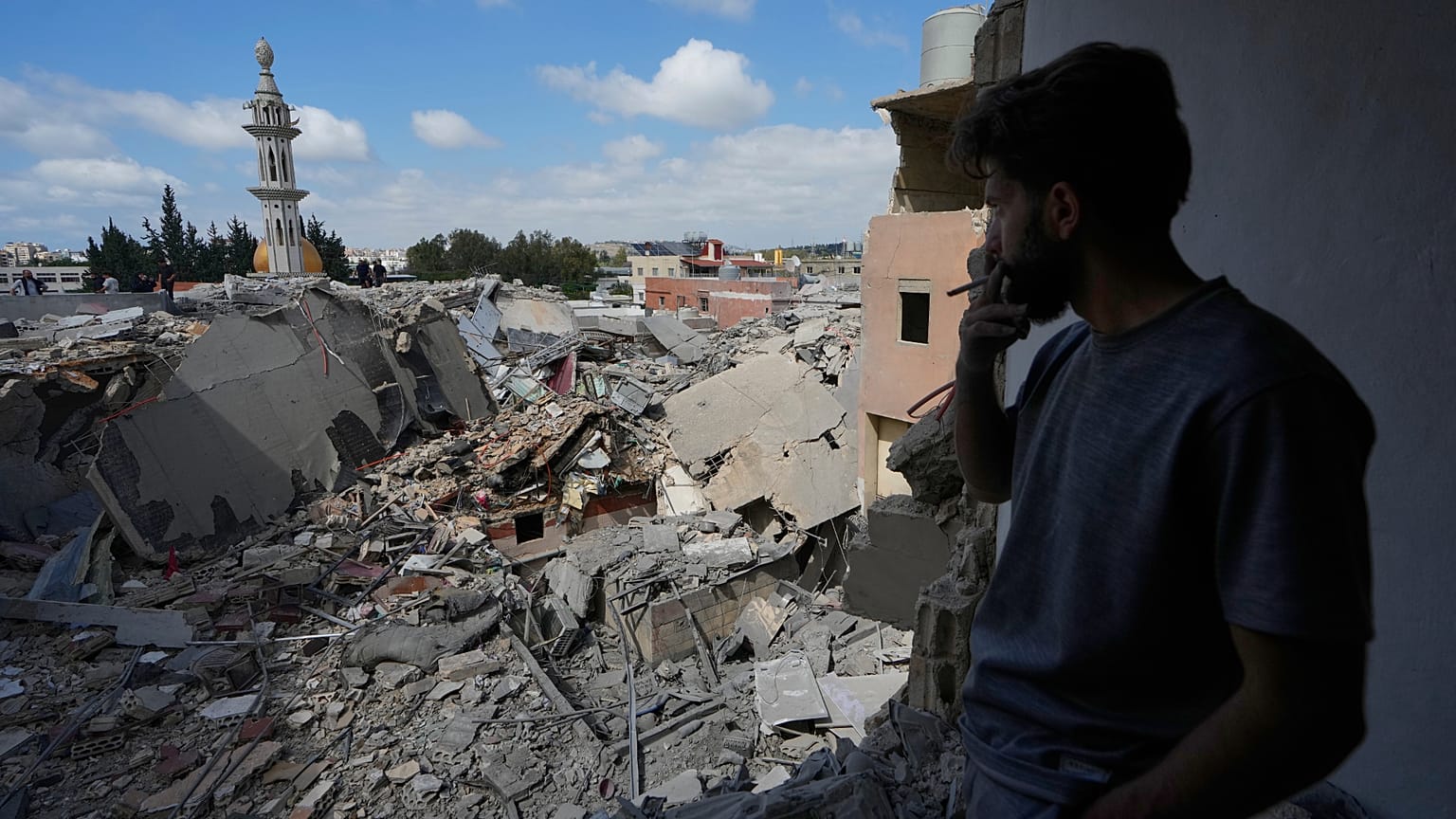
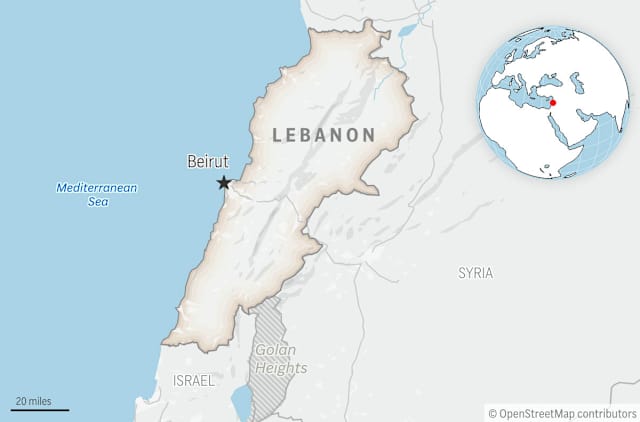
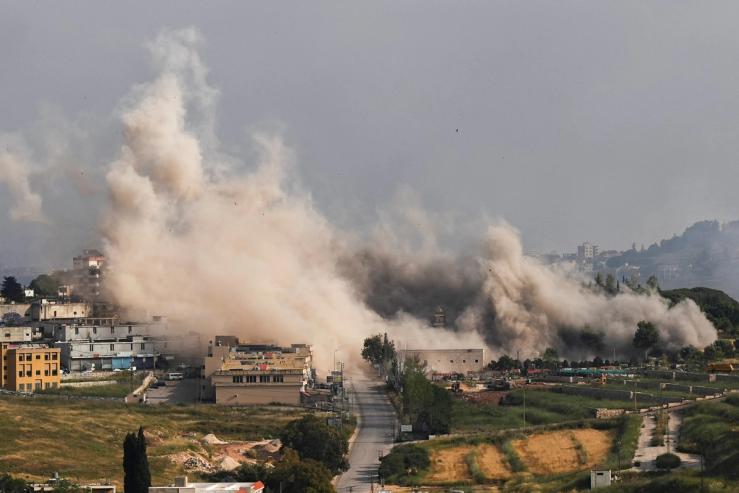
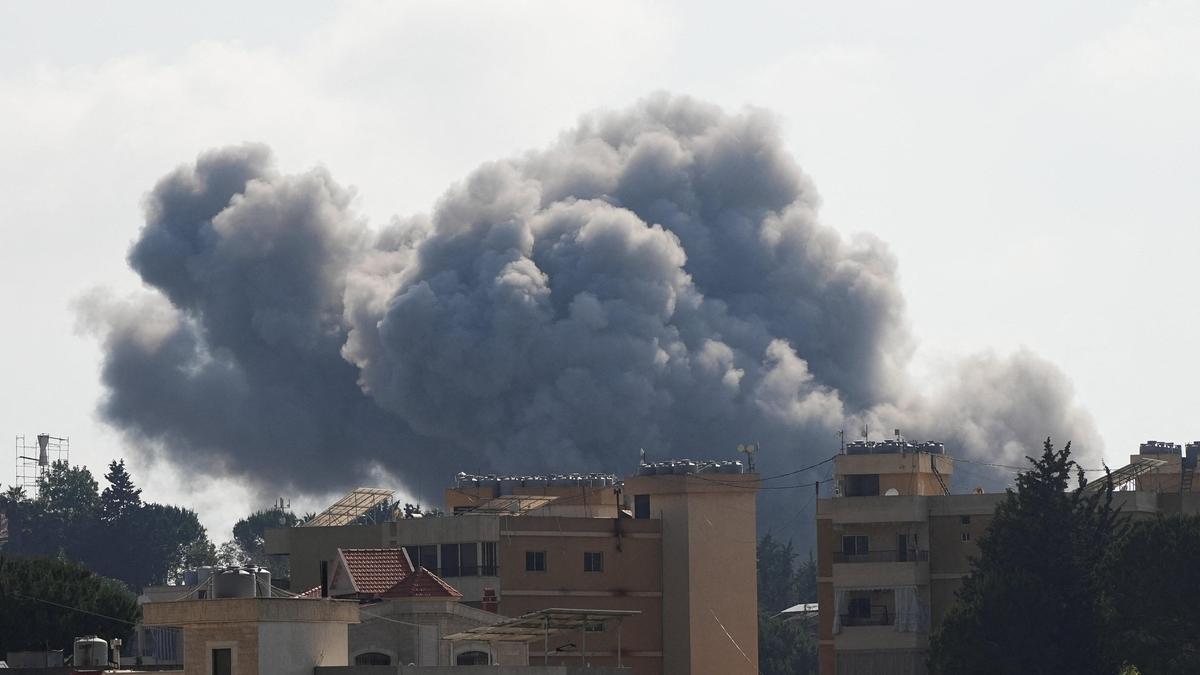
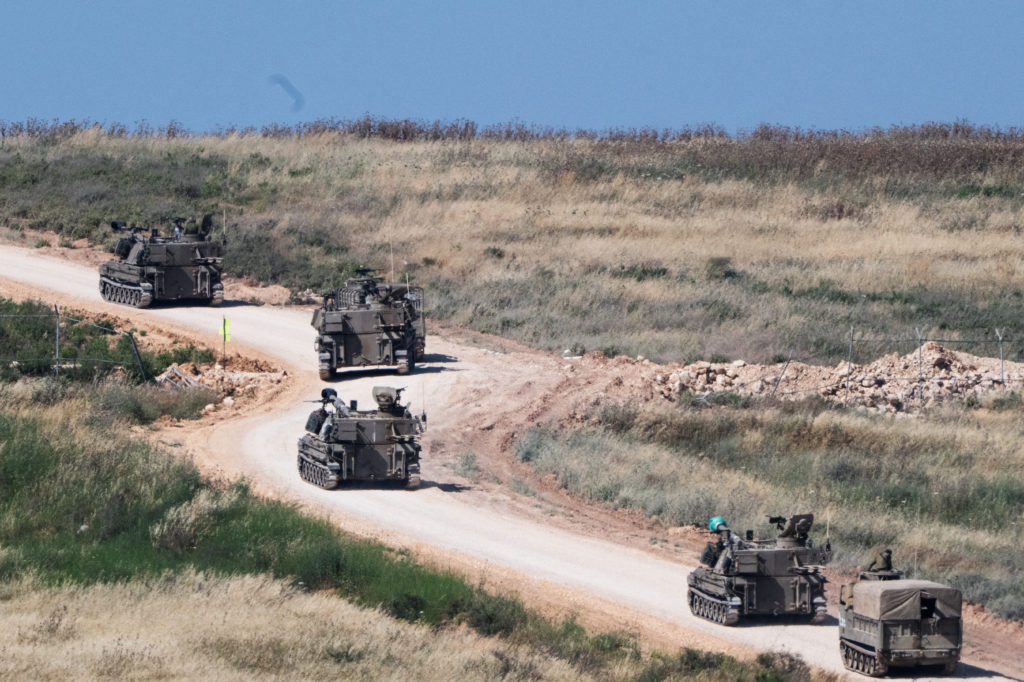
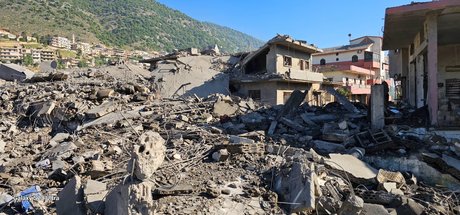
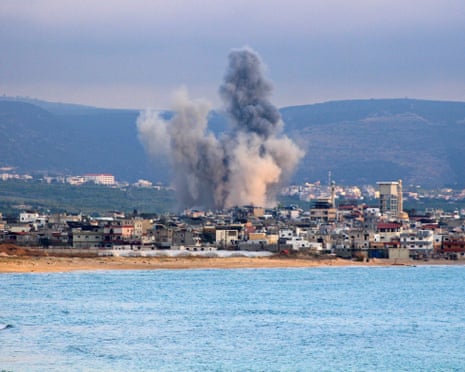
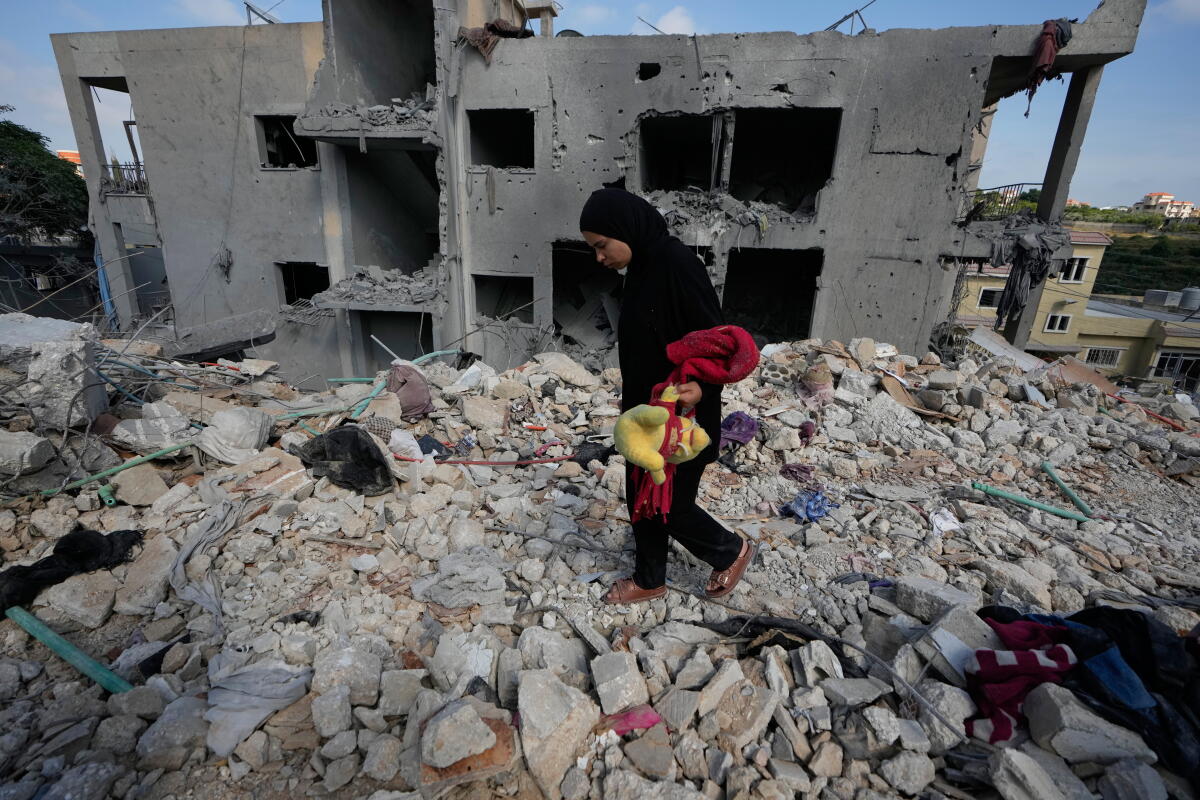
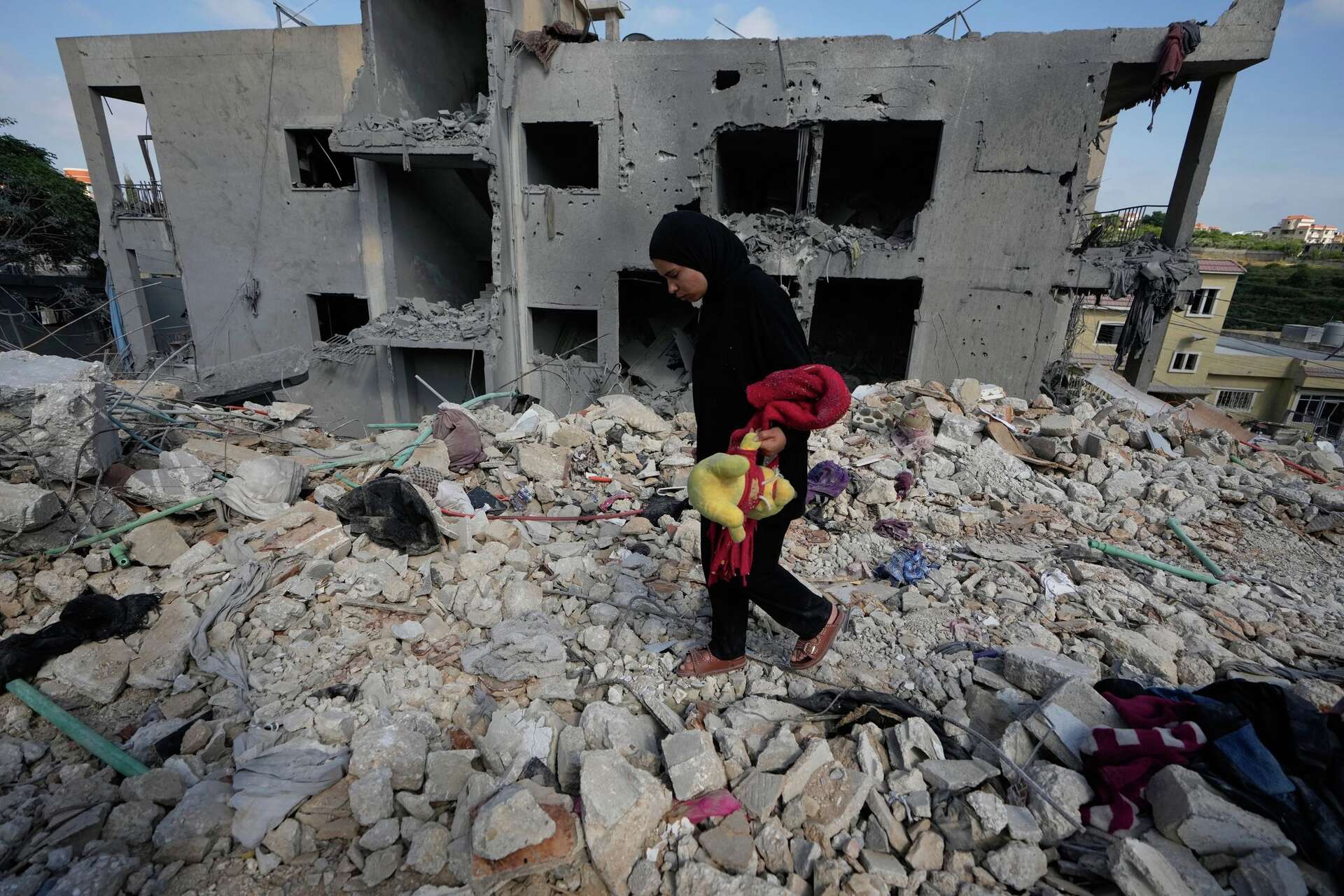
Regional Market Disruption: The conflict extends beyond shipping logistics. Lebanese market access has collapsed due to evacuation orders affecting Tyre and southern cities, eliminating a $2-3B regional e-commerce market. Israeli military operations targeting infrastructure and the ceasefire collapse (despite US brokering in April 2026) signal prolonged instability. Asian markets have already responded negatively, with benchmark indexes in South Korea, Hong Kong, and Australia declining following the May 28 escalation. This signals reduced consumer spending in key sourcing regions and potential currency volatility affecting product costs.
Seller Segmentation Impact: Small sellers (under $100K annual revenue) with single-source suppliers face existential risk—many lack financial reserves to absorb 30-60% shipping cost increases or manage 4-8 week inventory delays. Mid-market sellers ($100K-$1M) can partially mitigate through diversified sourcing (India, Vietnam, Indonesia) but face margin compression. Enterprise sellers with established 3PL networks and air freight budgets can maintain operations but at significantly elevated costs. Sellers in time-sensitive categories (fashion, electronics, seasonal goods) face the highest risk of stockouts and customer dissatisfaction.
Questions 8
How does the Strait of Hormuz blockade affect my e-commerce shipping costs?
The 97% reduction in vessel traffic through the Strait of Hormuz (from 125-140 daily passages to 3) has increased ocean freight costs by 30-40% due to rerouting around Africa via Cape of Good Hope, adding 10-14 days to transit times. For sellers shipping 500 units monthly, this represents $2,000-4,000 in additional monthly expenses. Insurance premiums for conflict-zone vessels have increased 40-60%, adding $500-1,500 per shipment. Most sellers absorb 15-25% of these increases through margin compression, reducing profitability by 8-12% for affected product categories.
How should sellers communicate shipping delays to customers in affected regions?
Sellers should immediately update product listings and checkout pages with conflict-related shipping disclosures for Israel and Lebanon. Standard messaging: 'Due to regional instability, shipping to [country] may experience 5-10 day delays beyond normal processing times. Estimated delivery: [date range]. We appreciate your patience.' For Lebanese customers, consider offering refunds or order cancellations given the humanitarian crisis and uncertain delivery prospects. For Israeli customers, set realistic expectations (10-14 day delivery instead of 5-7 days) and offer expedited options at premium pricing. Proactively email existing customers with pending orders in affected regions explaining delays. This transparency reduces chargebacks and negative reviews while managing customer expectations during the conflict period.