


Spain Political Instability May 2026 | Cross-Border Seller Risk Assessment
- Government corruption probes create regulatory uncertainty for EU-based sellers; potential policy delays affecting VAT compliance and logistics operations


























Overview
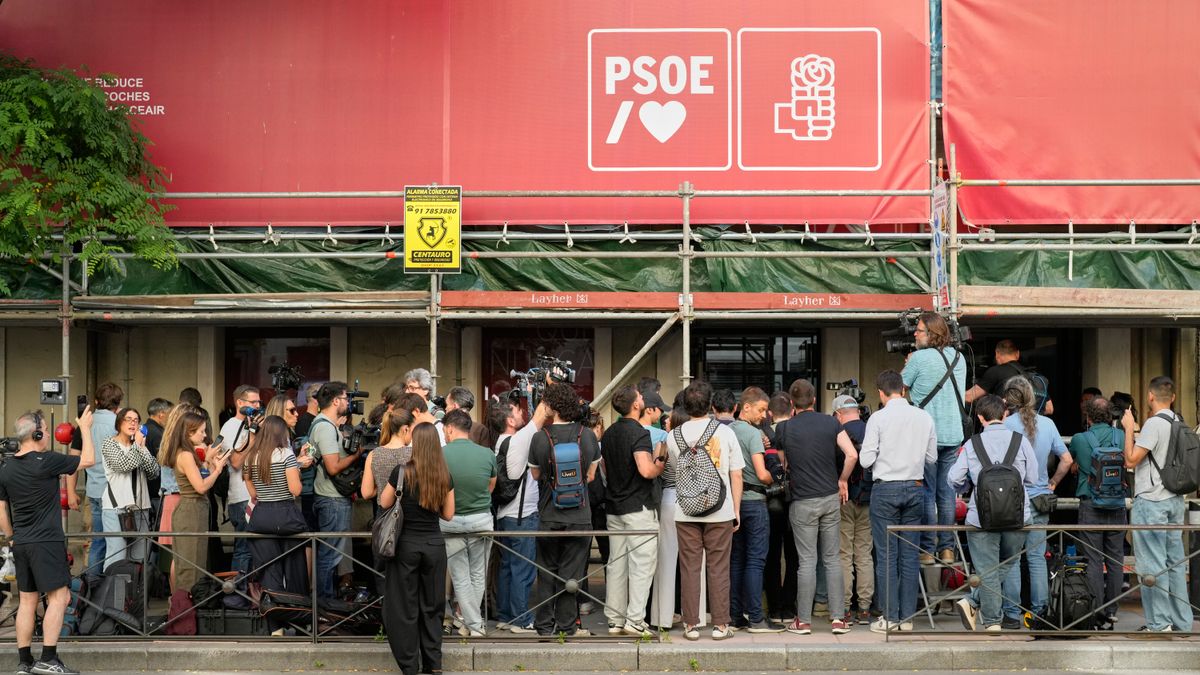
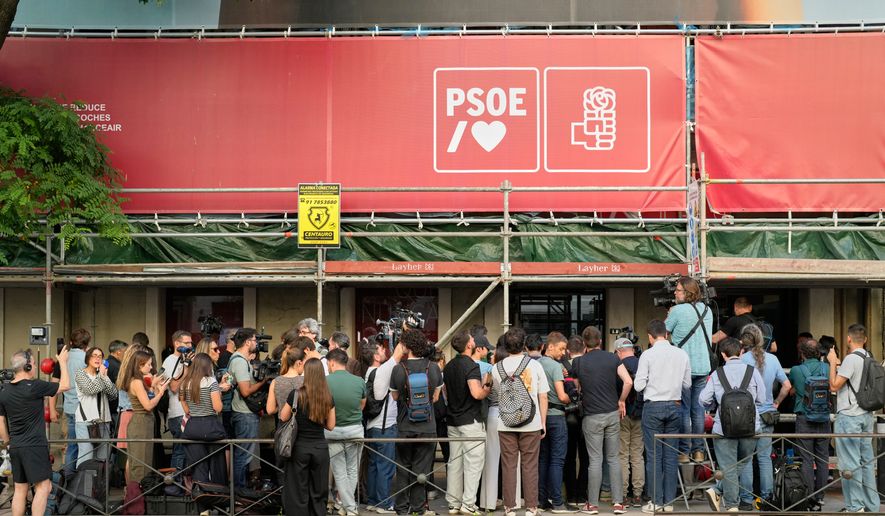
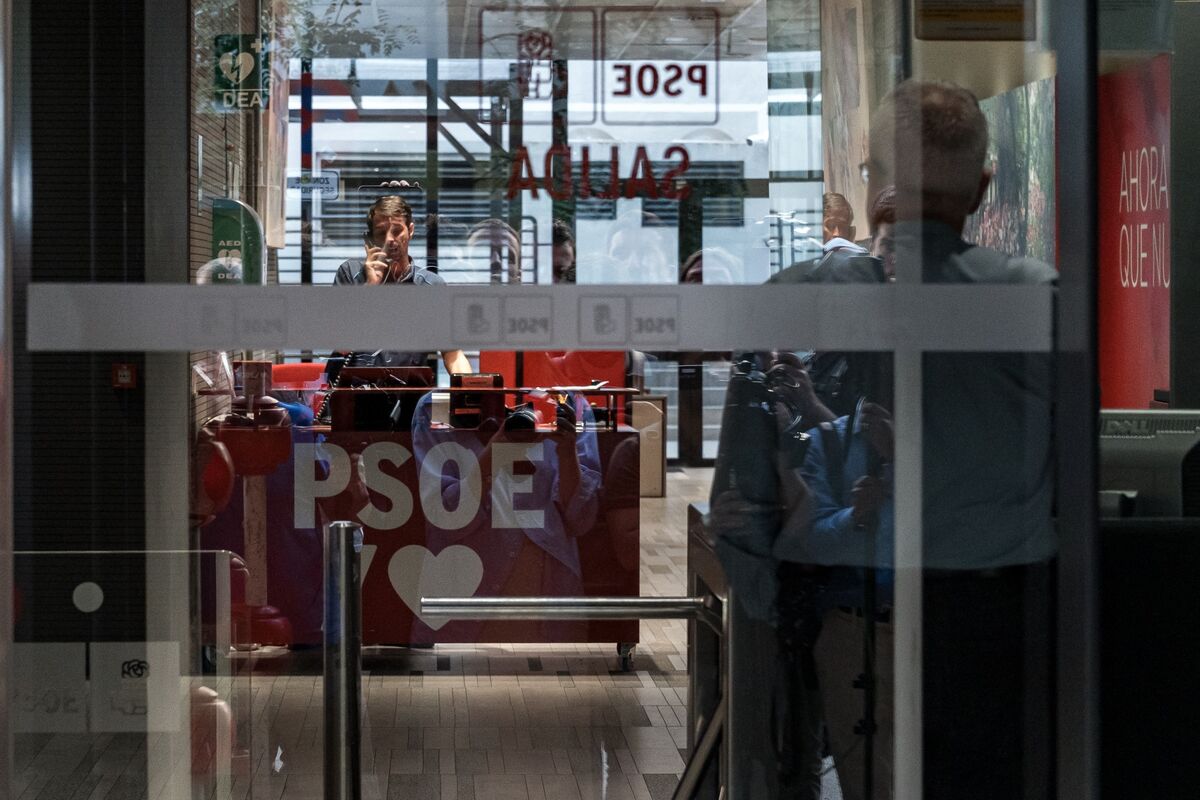
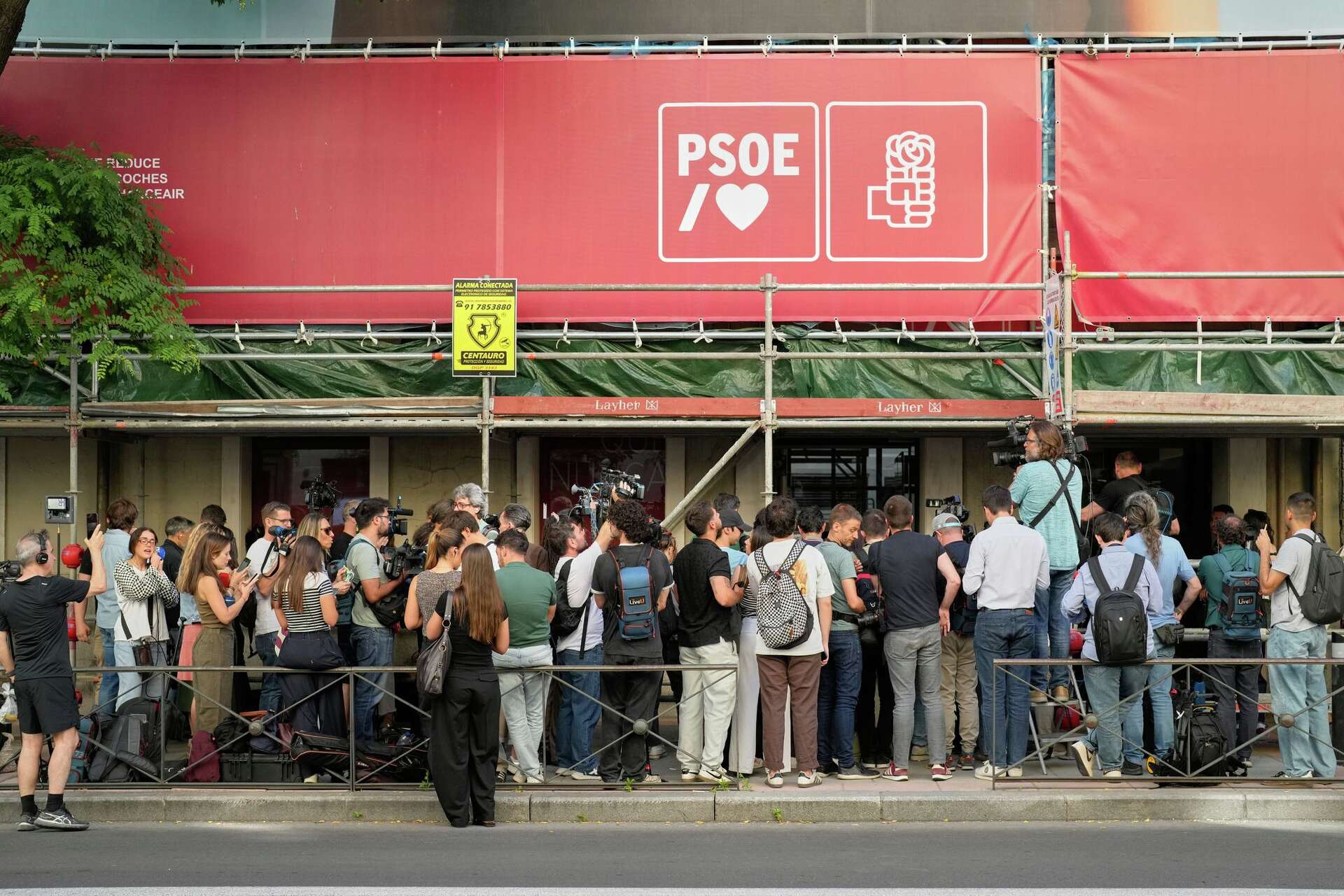
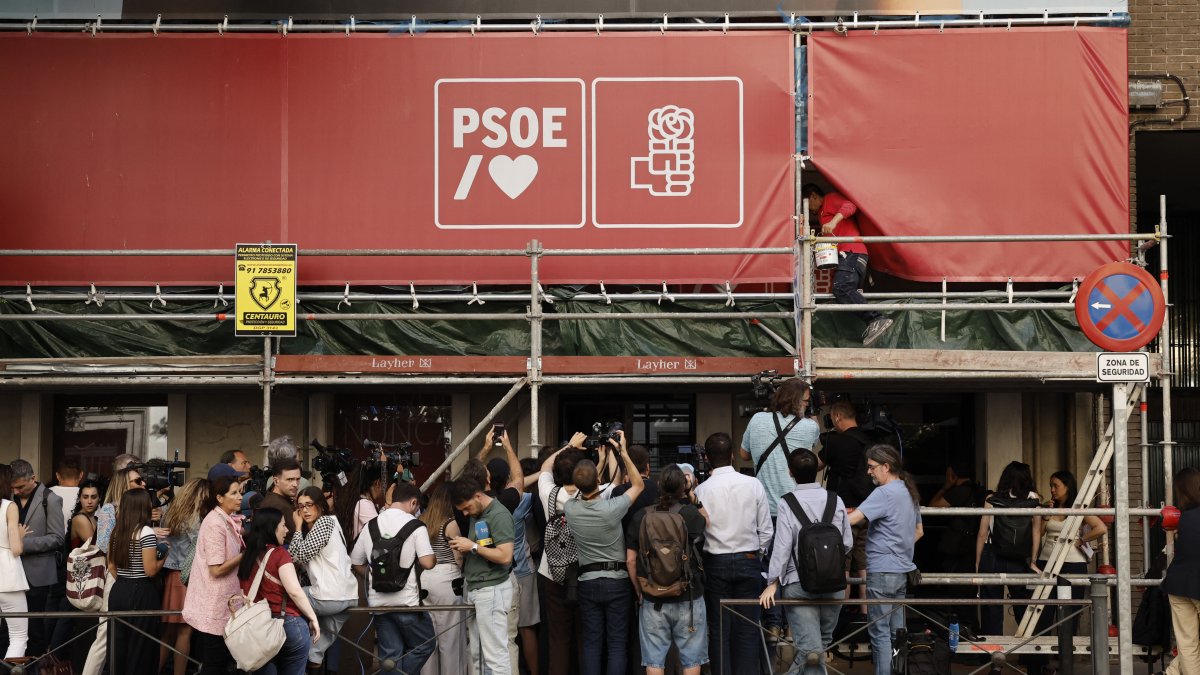
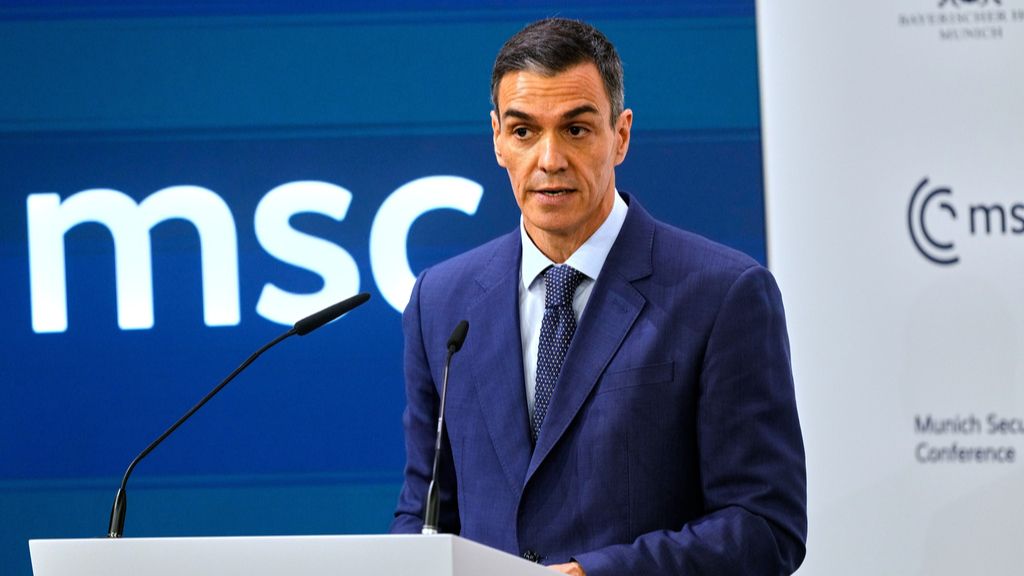
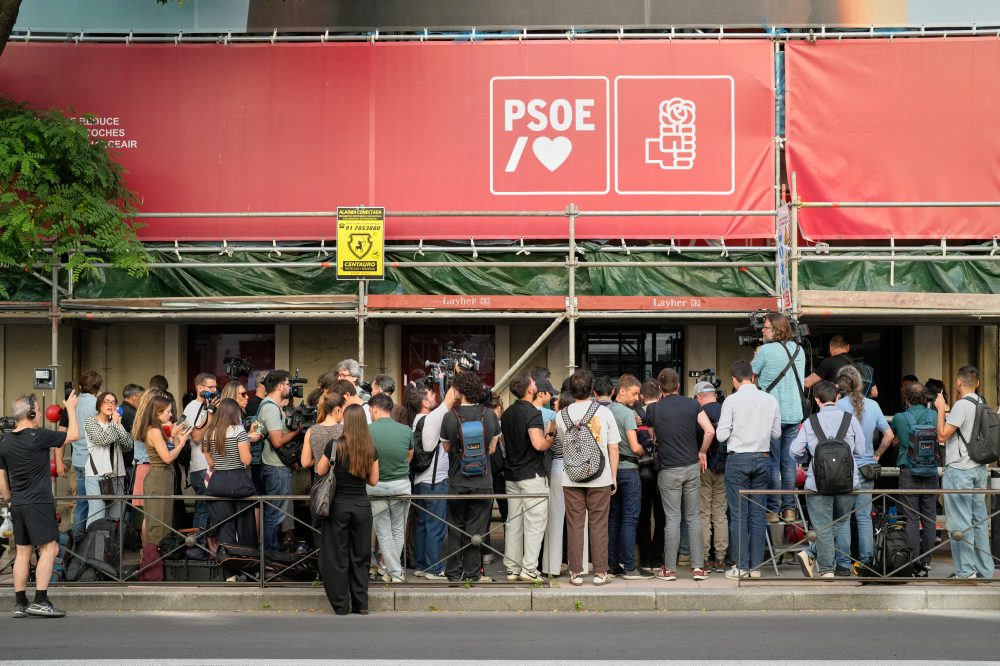
Spain's Socialist Party (PSOE) faces escalating corruption investigations as of May 27, 2026, with police raids on party headquarters and multiple high-level officials under judicial scrutiny. The High Court investigation, led by Judge Santiago Pedraz, targets former PSOE organization secretary Santos Cerdán and other party officials on charges including bribery, falsification of commercial documents, influence peddling, and obstruction of justice. Simultaneously, former Prime Minister José Luis Rodríguez Zapatero faces investigation for alleged money laundering and influence peddling related to a 2021 airline bailout, while former Transport Minister José Luis Ábalos faces trial for illegal commissions on mask sales. Prime Minister Pedro Sánchez's coalition government operates as a minority administration dependent on far-left Sumar party and Basque Nationalist Party support—both have signaled potential withdrawal if corruption allegations are substantiated.
For cross-border e-commerce sellers, this political instability creates indirect but measurable operational risks. Spain represents the EU's 5th largest e-commerce market (~€35B annually) and serves as a critical logistics hub for European distribution. Political uncertainty typically triggers regulatory delays, budget constraints, and policy postponements affecting business operations. Specifically, sellers should monitor: (1) VAT compliance delays—Spanish tax authority (AEAT) may experience resource constraints or policy shifts during government instability, potentially delaying VAT refund processing or changing compliance deadlines; (2) Customs and logistics disruptions—Spain's ports and logistics infrastructure could face operational changes if government procurement policies shift; (3) Regulatory unpredictability—new governments often revise e-commerce regulations, data protection enforcement, and consumer protection standards within 6-12 months of taking office.
Historical precedent shows political transitions in EU nations typically create 3-6 month periods of regulatory uncertainty. During Spain's 2018-2020 government formation crisis, VAT refund processing delays extended from standard 30 days to 60-90 days, and several planned e-commerce regulations were postponed. Sellers with significant Spanish inventory exposure (FBA warehouses, 3PL partnerships) or high VAT refund dependency should consider diversifying logistics routes through Portugal or France. Additionally, the investigation's focus on "falsification of commercial documents" and "fraudulent invoices" signals potential future tightening of invoice verification requirements—sellers should audit their Spanish supplier documentation and payment records for compliance with evolving standards. While constitutional safeguards make Sánchez's immediate removal unlikely, the political pressure creates a 12-18 month window of regulatory flux that could impact seller operations, particularly for businesses with €500K+ annual Spanish revenue.
Questions 8
How should sellers adjust their pricing strategy for the Spanish market during this period?
Political instability typically creates currency volatility and consumer spending uncertainty. The Euro may experience 2-5% fluctuation against major currencies during extended political crises. Sellers should: (1) Implement dynamic pricing that adjusts for currency fluctuations weekly rather than monthly; (2) Avoid aggressive price cuts—consumer confidence remains relatively stable in developed EU markets; (3) Monitor competitor pricing closely as some sellers may exit the market, creating pricing power opportunities; (4) Consider offering payment plan options (installments) to reduce purchase friction during uncertain periods. Historically, sellers maintaining stable pricing with flexible payment options gain market share during political uncertainty as consumers seek reliable vendors.
How should I communicate with my Spanish customers during this political uncertainty?
Maintain professional, apolitical communication focused on business continuity. Assure customers that: (1) Shipping timelines remain unchanged; (2) VAT and pricing are stable; (3) Your business complies with all Spanish regulations; (4) Customer data security is unaffected. Avoid political commentary or speculation about government changes. If shipping delays occur due to customs processing increases, communicate proactively with 48-hour advance notice. Monitor Spanish social media sentiment; if political crisis deepens, consider temporary promotional campaigns emphasizing reliability and compliance to rebuild consumer confidence. Spanish consumers value stability during uncertainty—emphasize your track record of consistent service. If you operate a Spanish-language storefront, ensure all compliance information is clearly visible and regularly updated.