



Strait of Hormuz Blockade Disrupts E-Commerce Logistics | 97% Shipping Decline Threatens Sellers
- Vessel passages plummet from 125-140 daily to near-zero; oil prices surge to $95/barrel; 20,000 seafarers stranded; Asian markets decline; cross-border sellers face 3-8 week shipping delays and 15-25% cost increases





















Overview
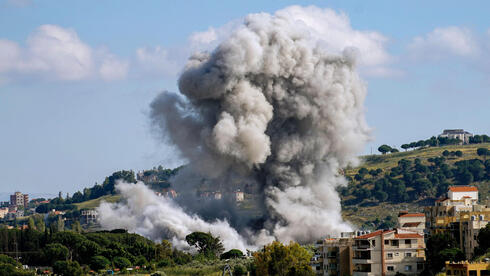
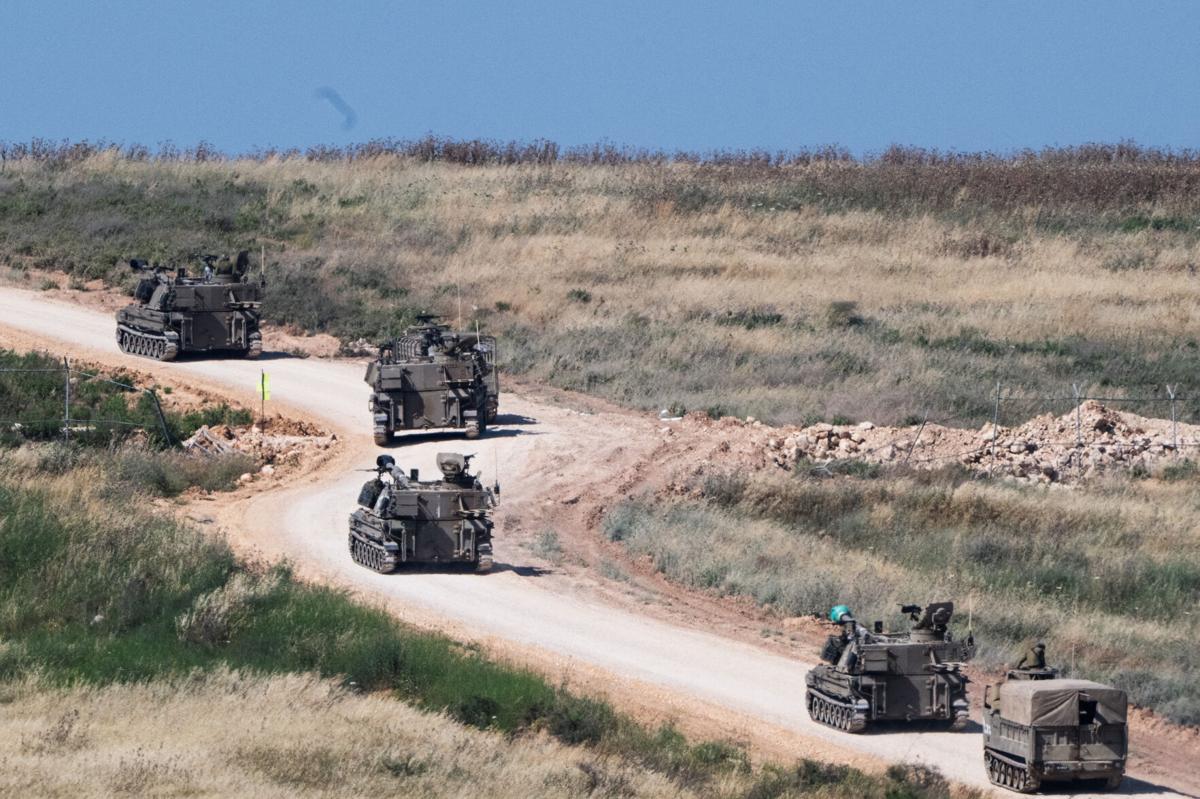
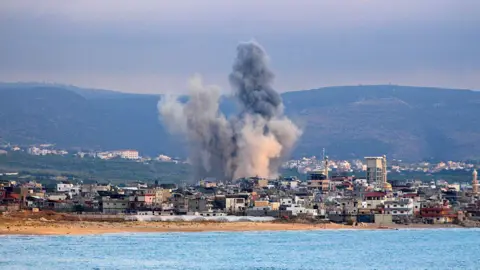
The escalating Israel-Lebanon-Iran military conflict represents a critical supply chain crisis for cross-border e-commerce sellers, with direct operational and financial consequences. As of May 28, 2026, the Strait of Hormuz—the world's most critical shipping corridor handling 21% of global petroleum trade—has experienced a catastrophic 97% decline in vessel traffic. Pre-conflict baseline data showed 125-140 daily tanker passages; current shipping monitors (LSEG and Kpler) report only 3 vessels transiting with transponders disabled, heading to India and China. This blockade directly impacts e-commerce sellers relying on Asian manufacturing and Middle Eastern logistics hubs.
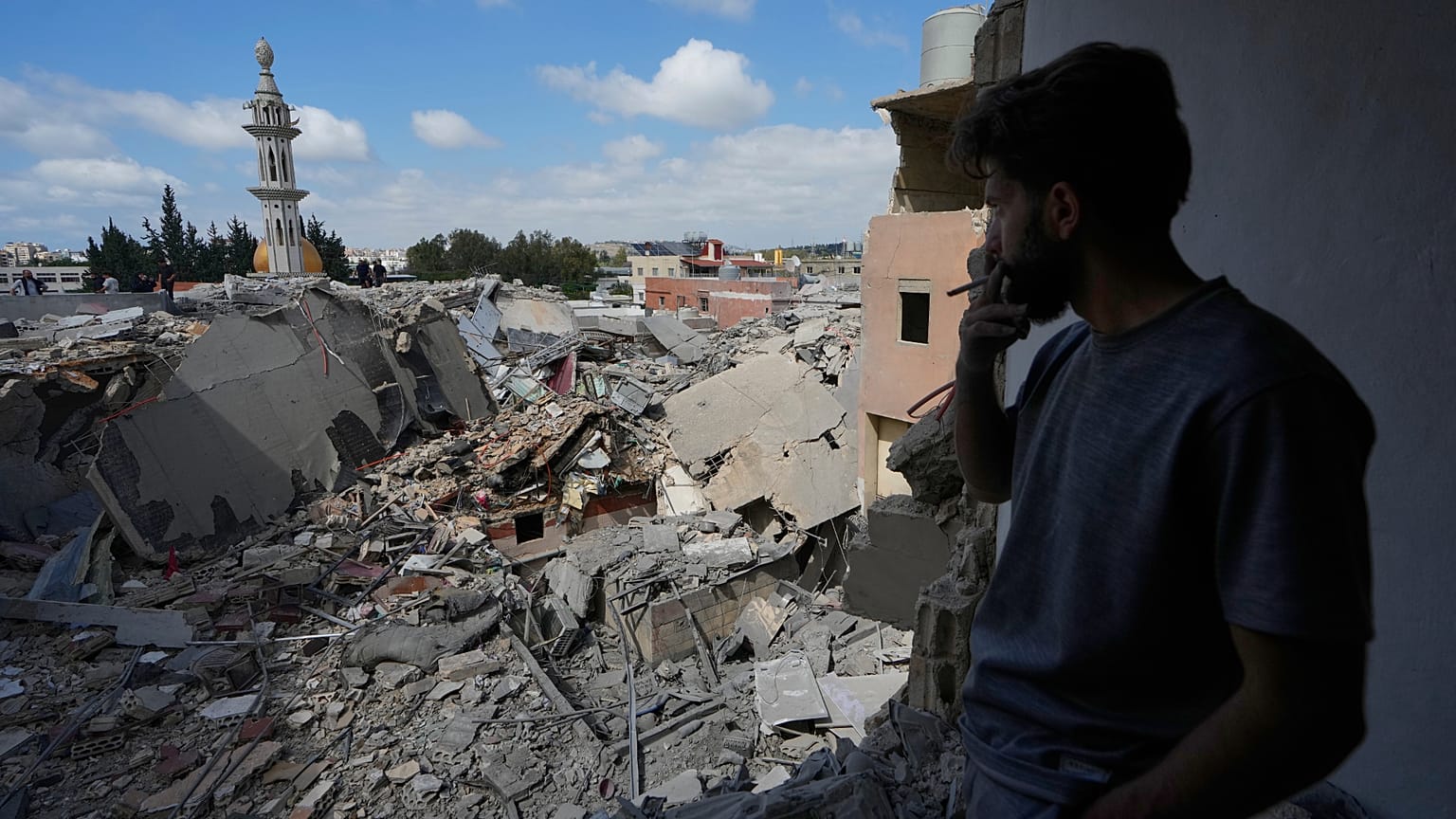
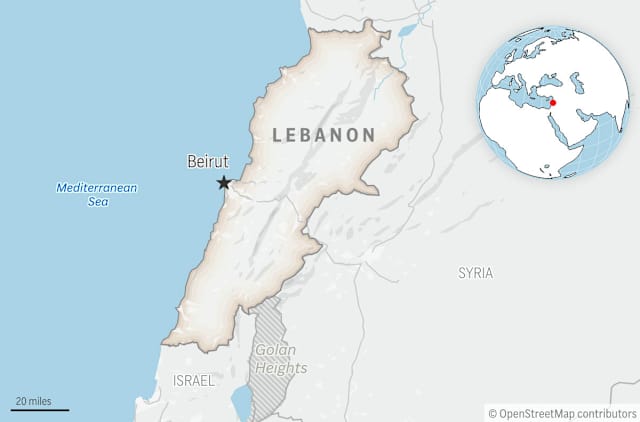
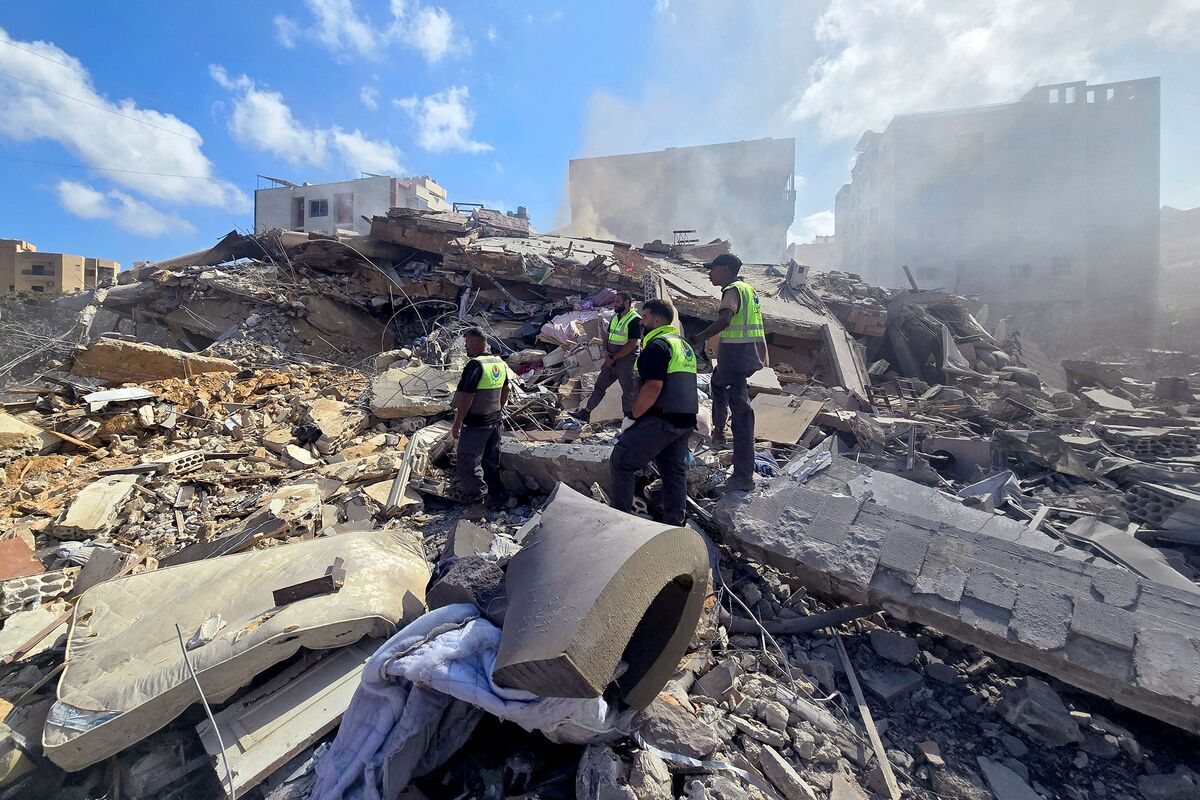
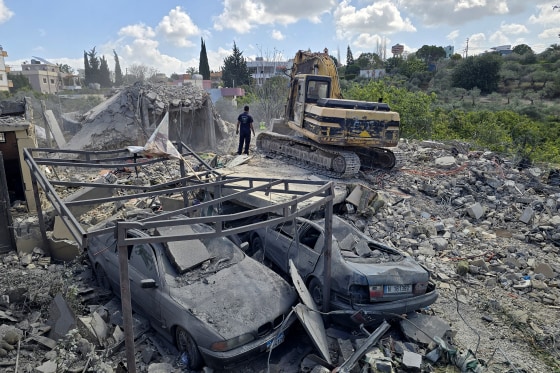
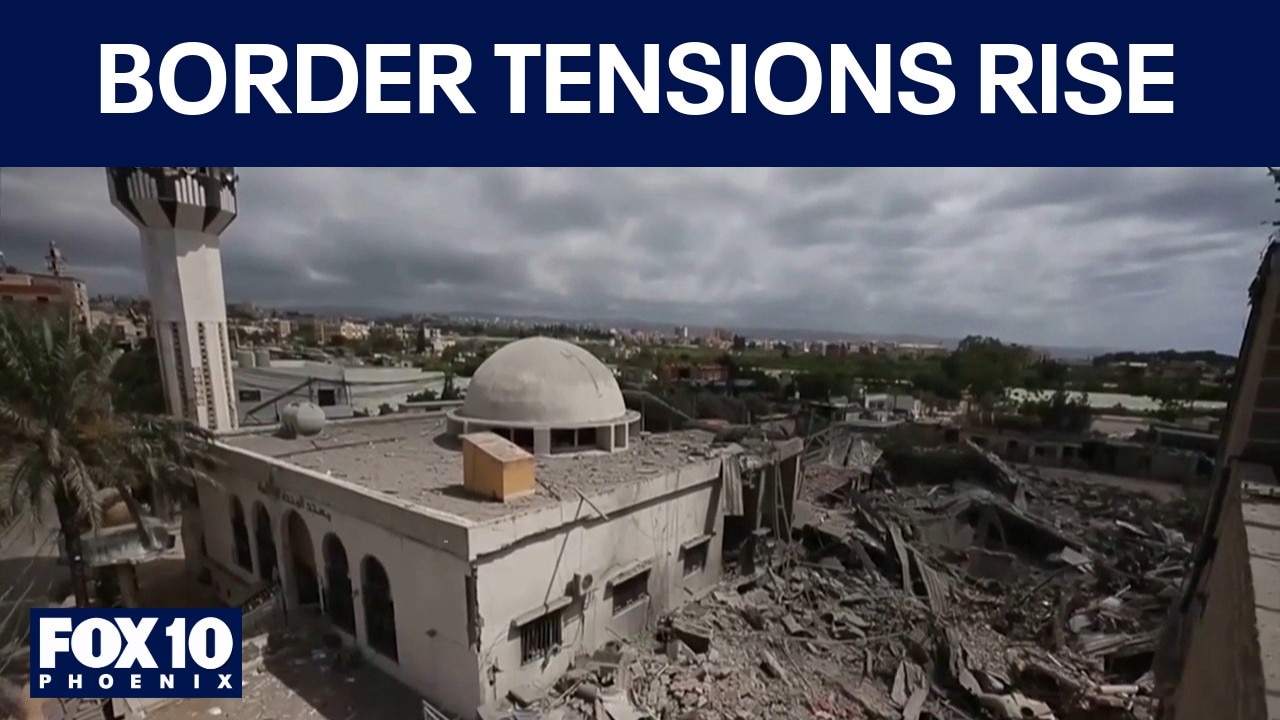
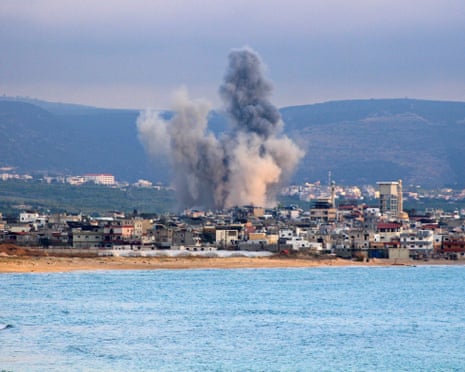
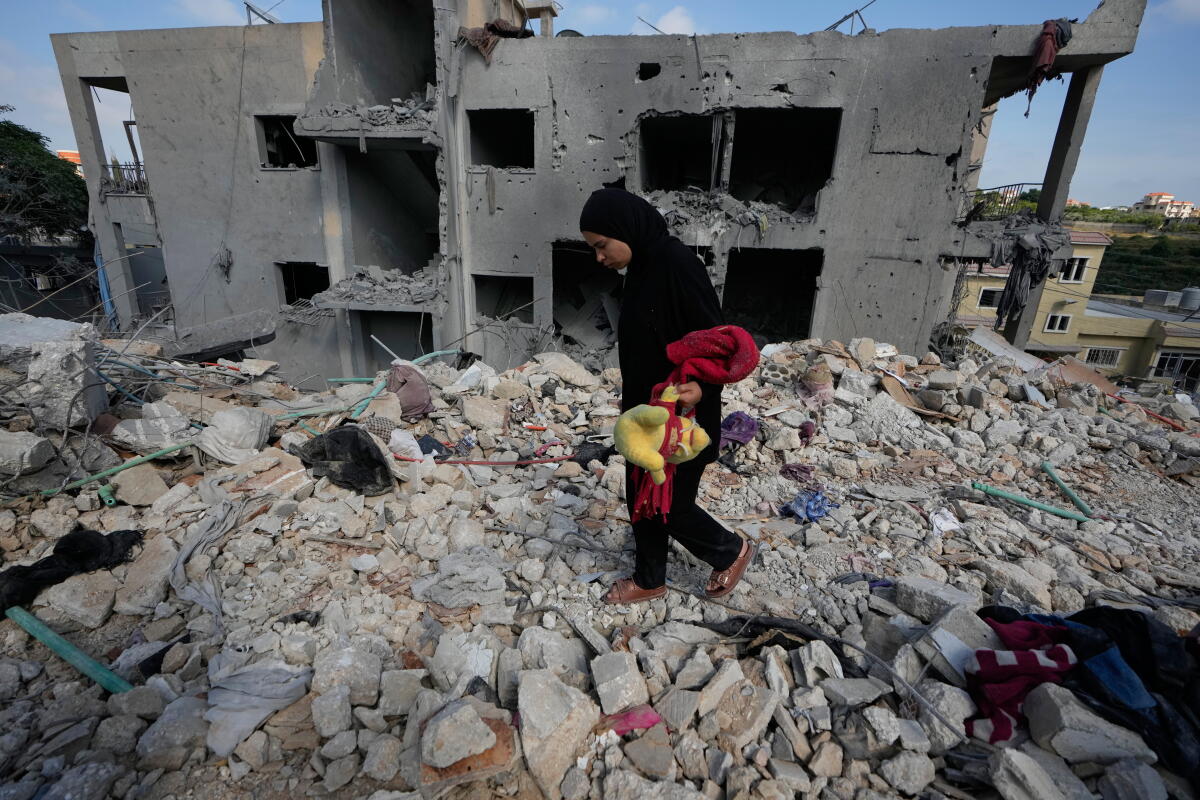
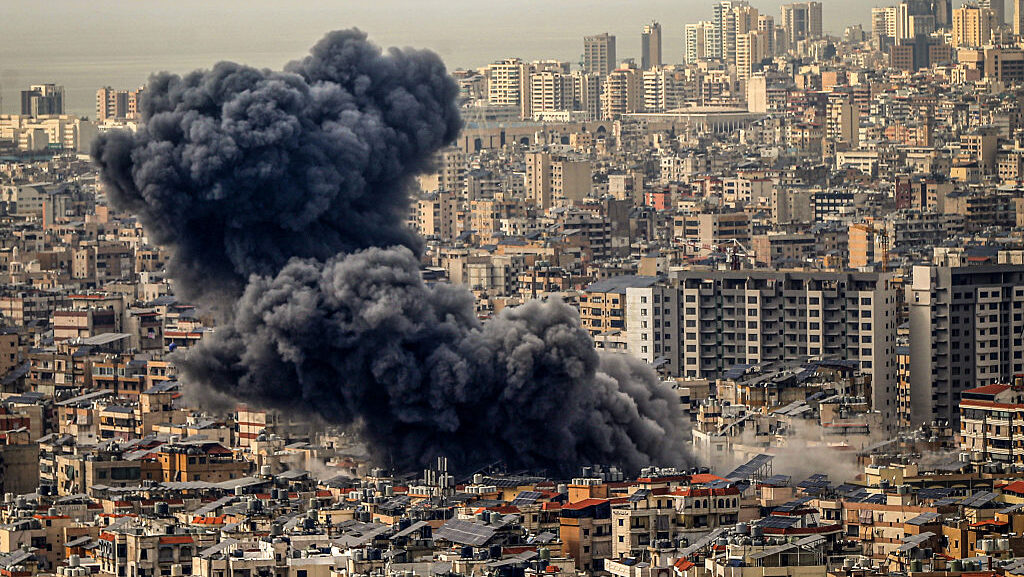
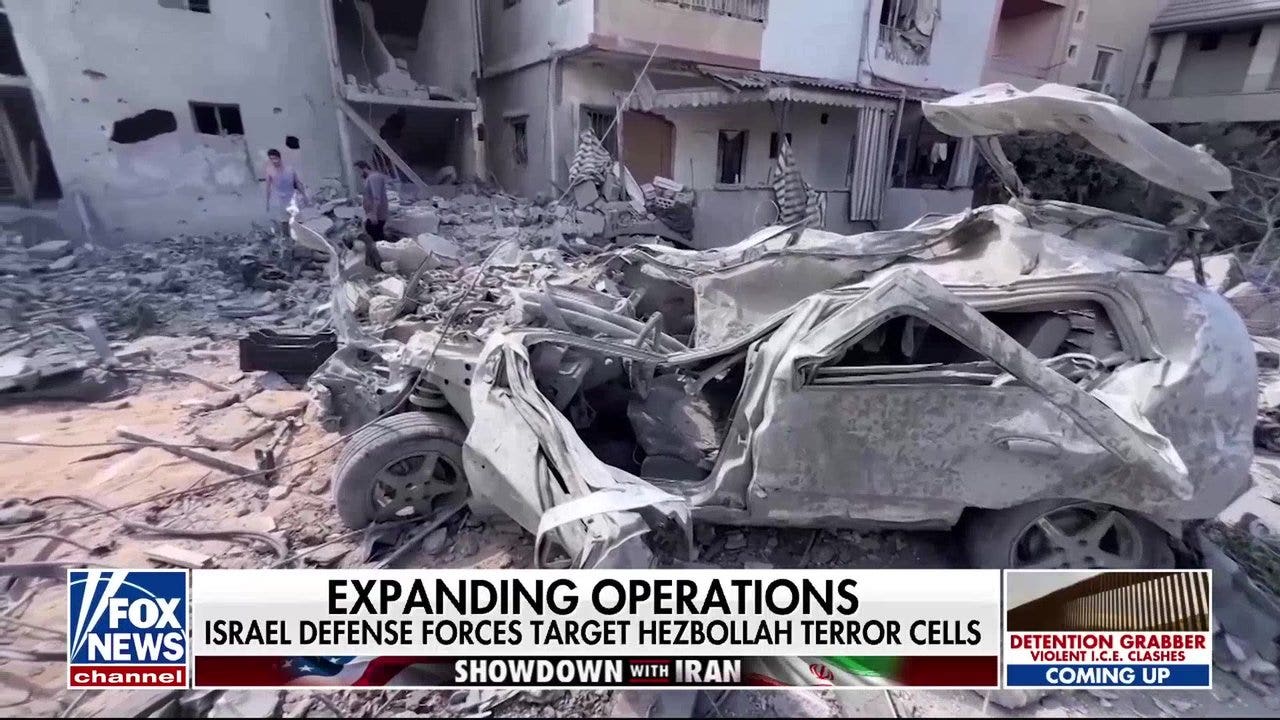
Immediate Supply Chain Disruptions: The conflict has created a perfect storm for cross-border sellers. Oil prices have surged dramatically—Brent crude rebounded above $95 per barrel and US oil futures jumped above $91 per barrel—directly increasing shipping costs for sellers using air freight and ocean freight. Approximately 20,000 seafarers remain stranded on hundreds of ships anchored in the Persian Gulf while US-Iran negotiations remain uncertain. For sellers shipping inventory from China, Vietnam, and India to Western markets, the Strait of Hormuz blockade creates 3-8 week delays beyond normal transit times. Sellers dependent on just-in-time inventory models face critical stock-outs, particularly in electronics, apparel, and consumer goods categories where lead times are already compressed. The humanitarian crisis in Lebanon—with over 1 million civilians displaced and 3,213+ deaths reported—has also disrupted regional logistics networks, with Tyre and southern Lebanese cities under evacuation orders, eliminating alternative routing options.
Financial Impact on Seller Economics: The cost implications are severe across seller segments. Small sellers (100-500 units/month) shipping via FBA can expect 15-20% increases in fulfillment costs due to elevated fuel surcharges. Mid-tier sellers (500-2,000 units/month) face 18-25% cost increases, compressing margins by 8-12 percentage points. Large sellers with 3PL contracts may negotiate better rates but still face 12-18% increases. Insurance costs for shipments transiting the region have doubled, with war-risk premiums now standard. Asian market indices (South Korea, Hong Kong, Australia) opened lower following the escalation, signaling broader economic contraction that will reduce consumer demand in key e-commerce markets. The uncertainty around US-Iran negotiations means sellers cannot plan inventory replenishment with confidence—a critical operational challenge for Q2-Q3 seasonal selling periods.
Strategic Implications for Seller Operations: The conflict exposes vulnerabilities in single-corridor logistics strategies. Sellers heavily dependent on Suez Canal-to-Strait of Hormuz routing for Asian sourcing must immediately diversify supply chains. Alternative routes via the Cape of Good Hope add 10-14 days to transit times but avoid geopolitical risk. Sellers should consider: (1) accelerating inventory purchases before further escalation (next 30 days critical); (2) shifting 20-30% of inventory to regional 3PL providers in Europe and North America to reduce transit dependency; (3) evaluating nearshoring opportunities in Mexico and Central America for US-focused sellers; (4) increasing safety stock by 15-25% for high-velocity SKUs to buffer against extended lead times. The ceasefire brokered in April 2026 has already been extended twice but faces collapse, indicating this disruption will persist through Q3 2026 minimum.
Questions 8
How should I adjust my pricing strategy during this supply chain crisis?
Implement tiered pricing adjustments: (1) For high-demand SKUs with limited competition, increase prices 8-12% to offset shipping cost increases and capture margin compression; (2) For competitive categories, increase prices 4-6% while emphasizing faster delivery (nearshored inventory) as differentiator; (3) For low-velocity SKUs, maintain pricing but reduce inventory allocation to free capital for high-velocity items; (4) Monitor competitor pricing weekly—expect 10-15% price increases across the market as sellers adjust for costs. Use dynamic pricing tools to test elasticity. Simultaneously, adjust PPC bids downward by 10-15% as conversion rates decline due to reduced consumer demand in affected regions. Calculate break-even pricing that accounts for 15-25% shipping cost increases before implementing changes.
What contingency planning should I implement for 6-month conflict duration?
Develop three-tier contingency plan by June 30, 2026: (1) **Immediate (0-30 days)**: Audit inventory locations, contact 3PLs, update insurance; (2) **Short-term (1-3 months)**: Relocate critical stock, establish alternative suppliers, implement pricing adjustments; (3) **Long-term (3-12 months)**: Diversify sourcing away from Middle East, establish backup logistics hubs in Turkey/UAE, develop regional customer communication strategy. Allocate 2-3% of monthly revenue to contingency costs. Establish weekly monitoring of conflict developments via news alerts and logistics provider updates. Document all decisions for post-conflict analysis to improve future geopolitical risk management.