


Strait of Hormuz Tensions Drive 21% Global Shipping Risk | Cross-Border Seller Impact
- Escalating Iran-US military conflict threatens 21% of global petroleum trade and container shipping volumes; sellers face 8-15% shipping cost increases and supply chain routing delays through critical Middle East corridor















Overview
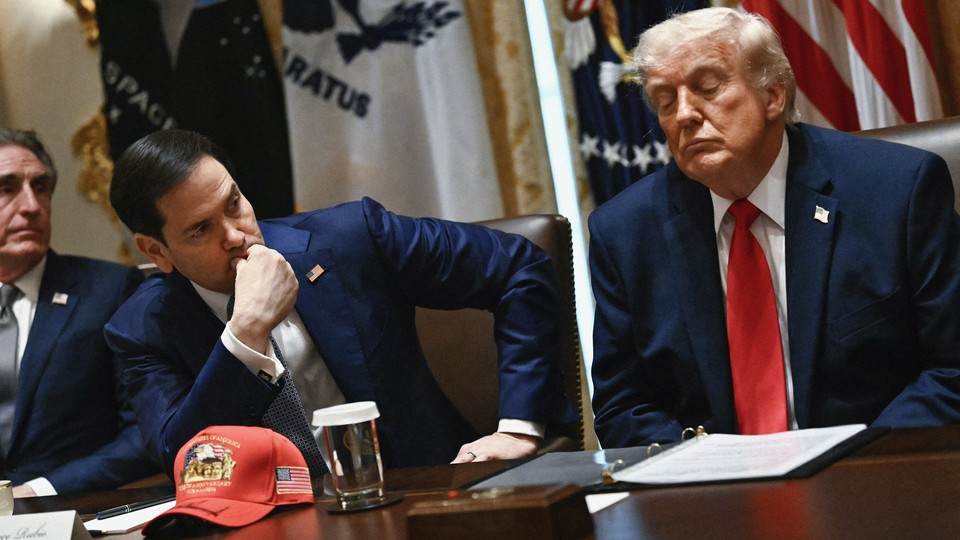
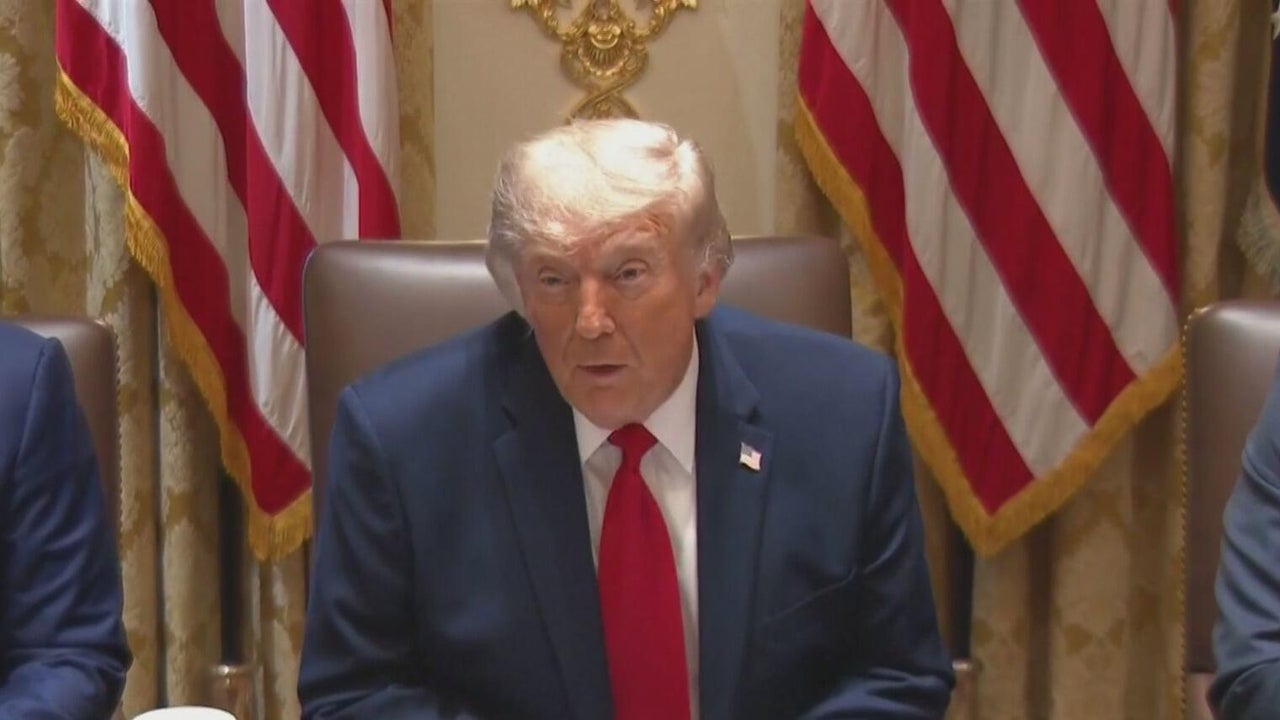
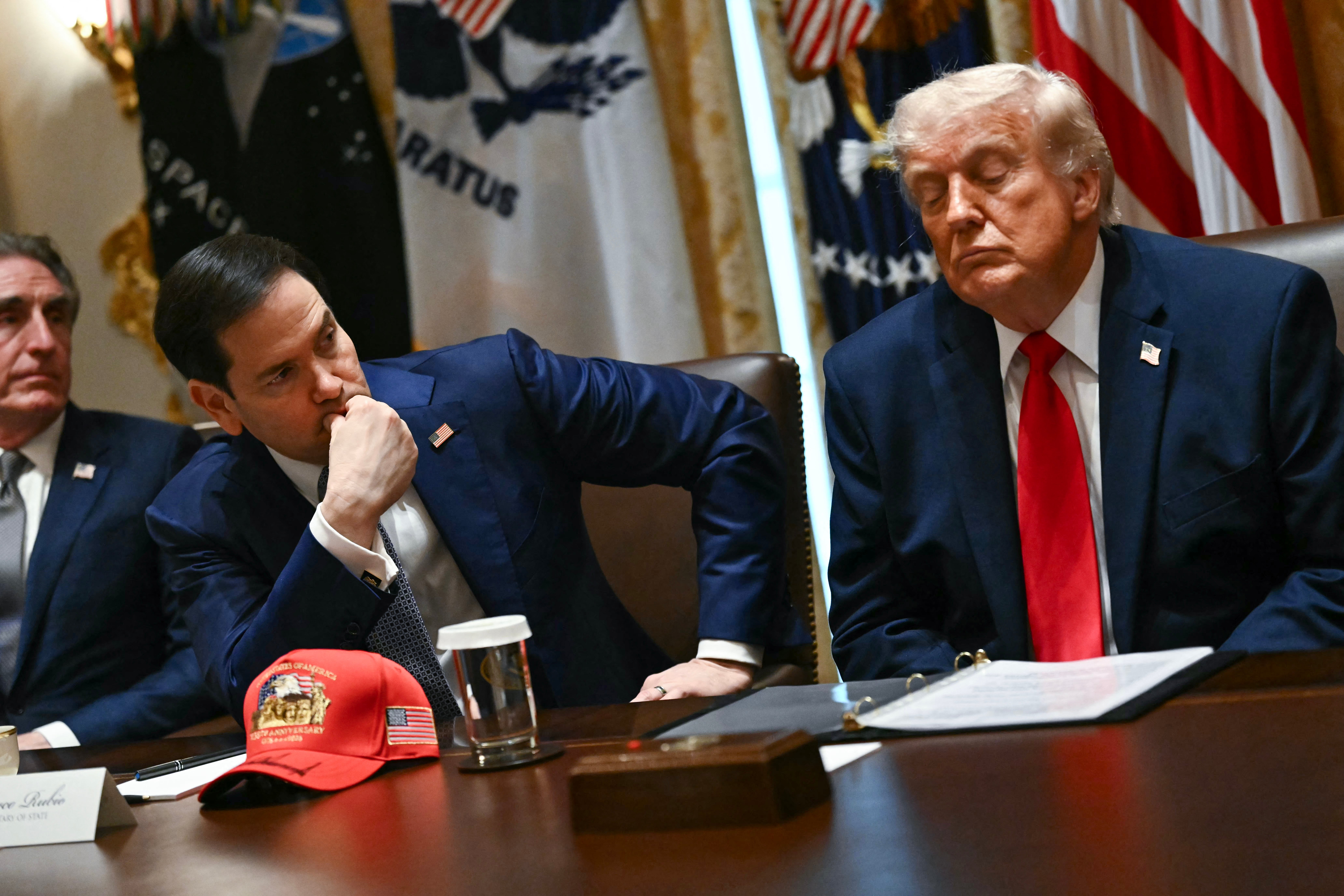
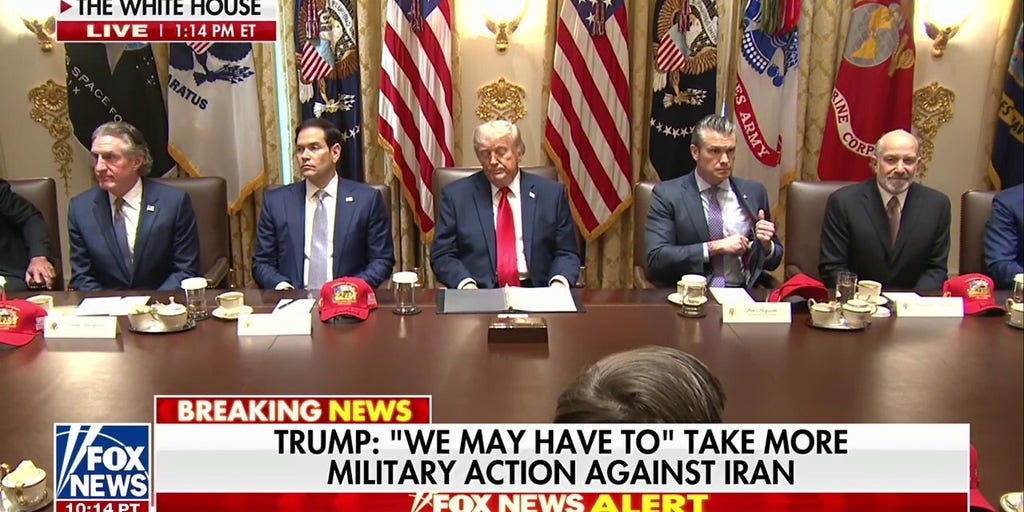
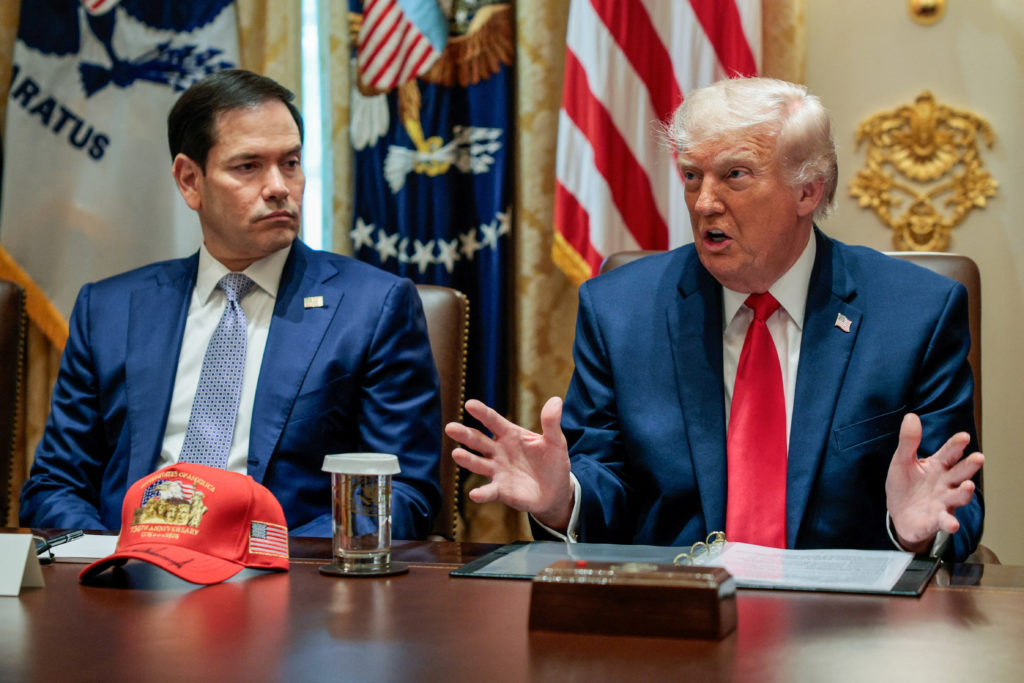
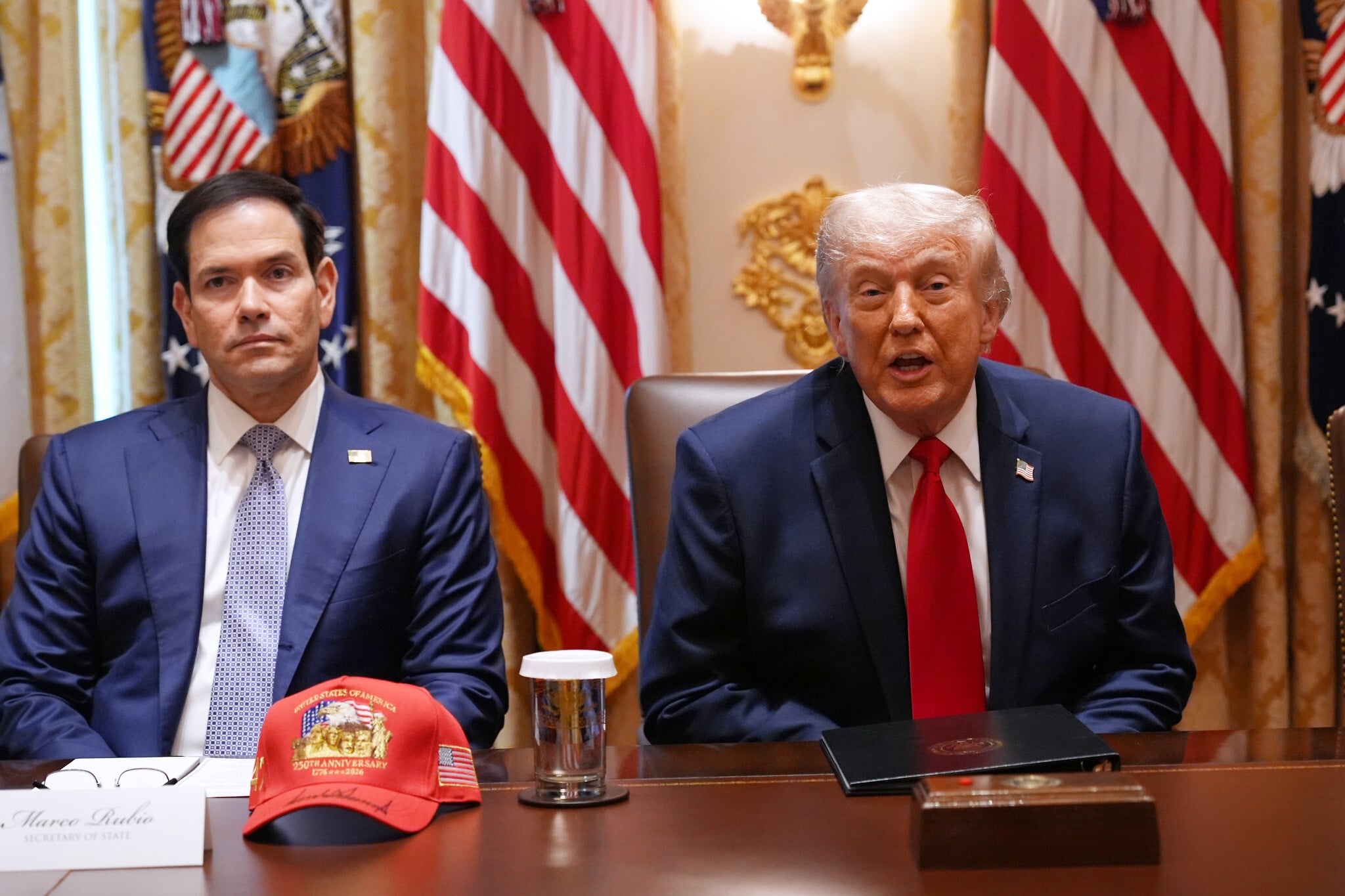
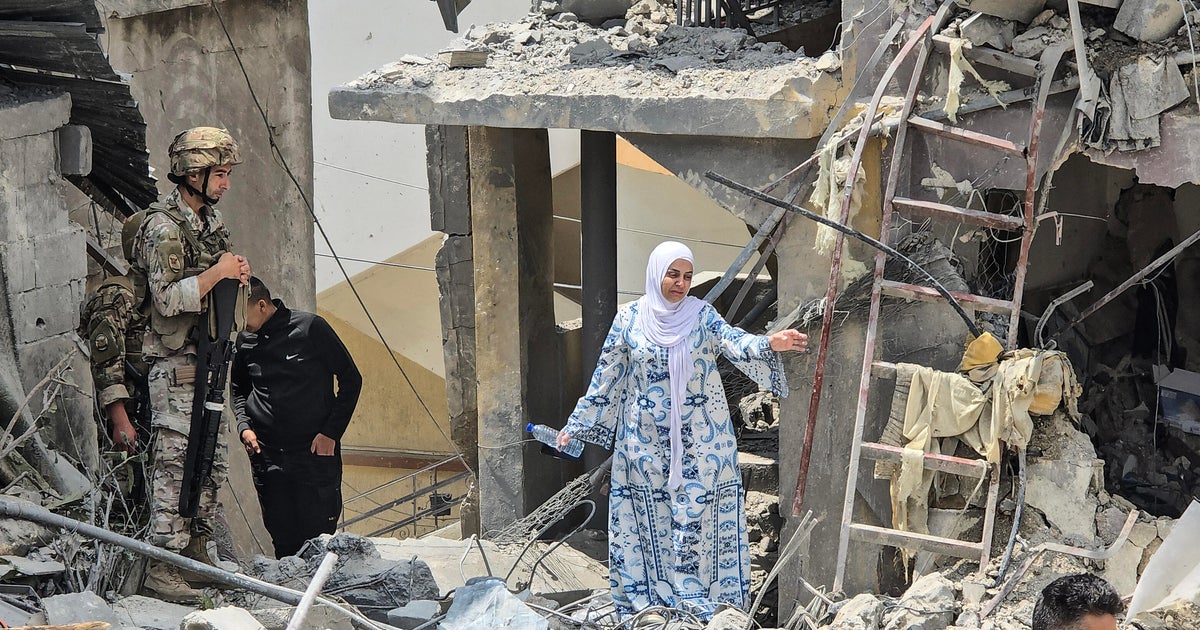
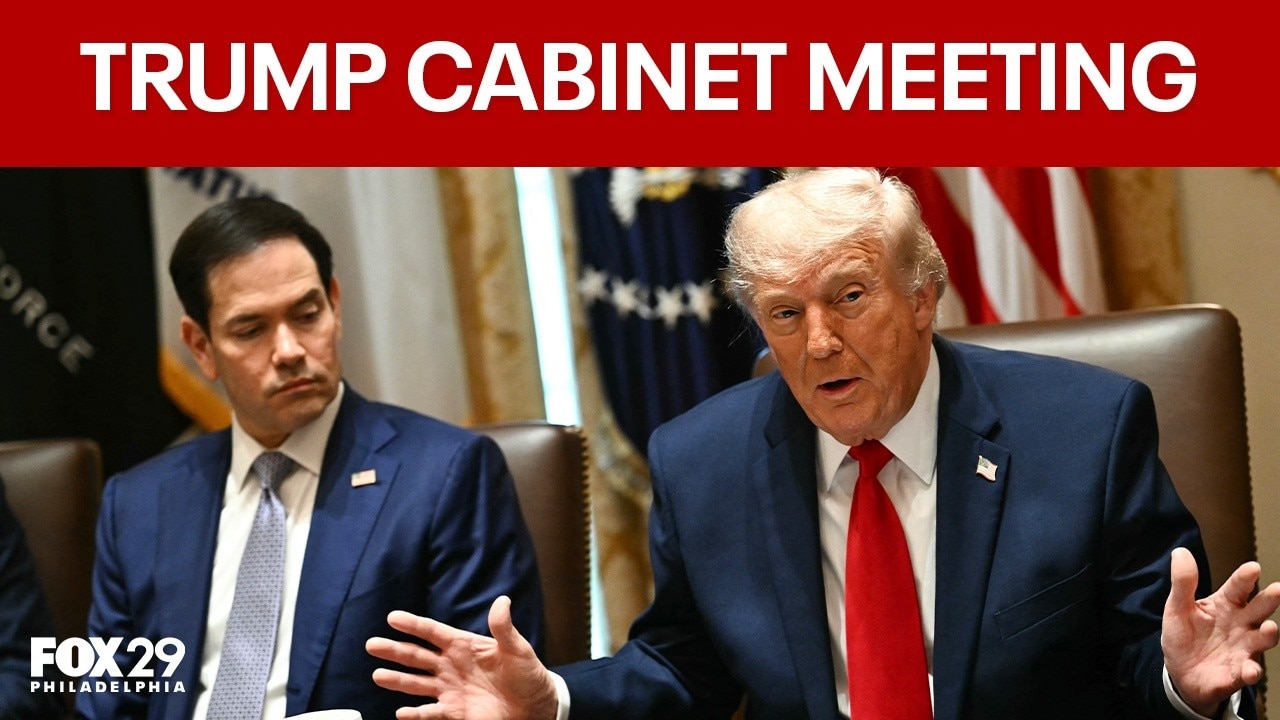
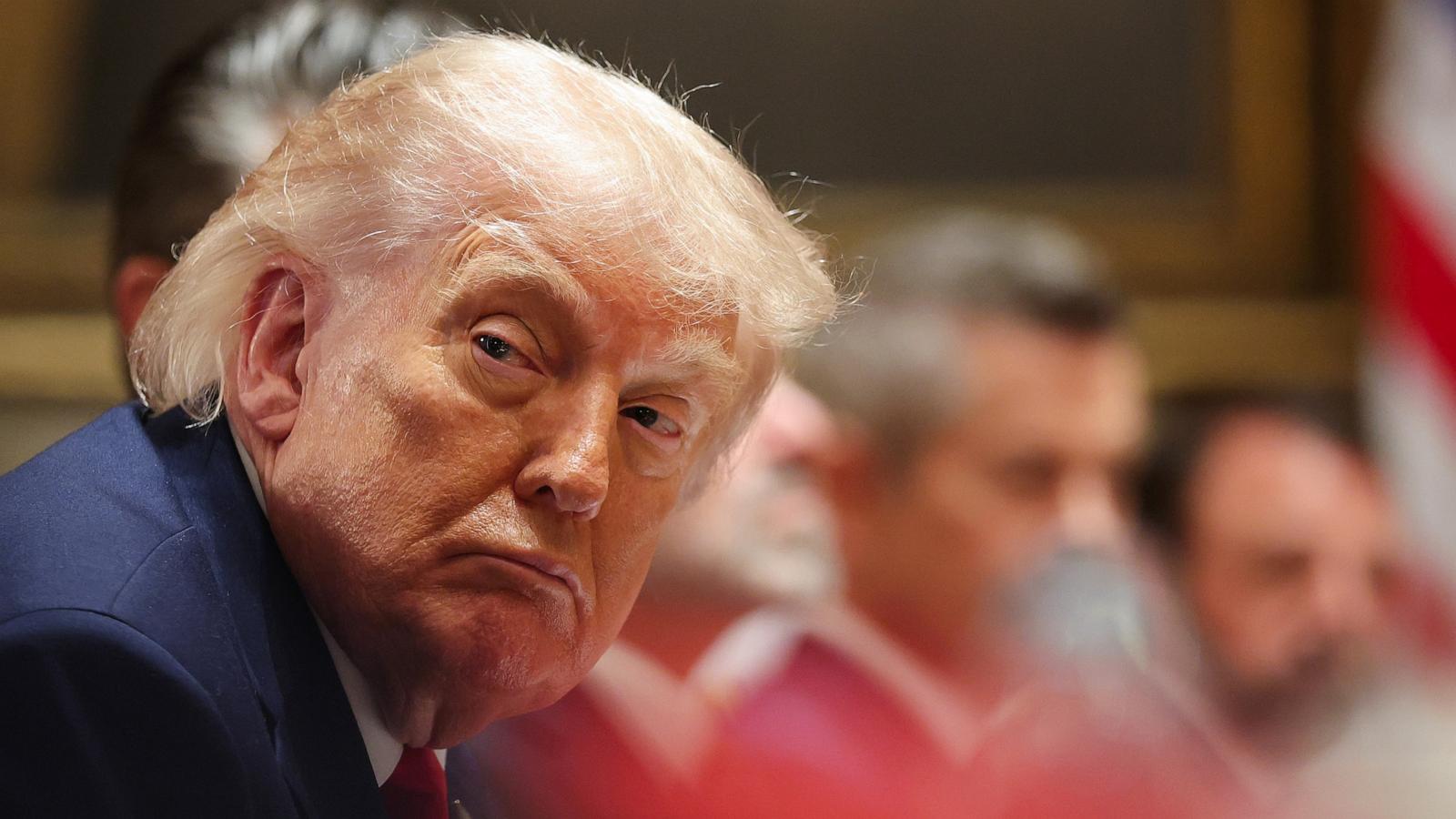
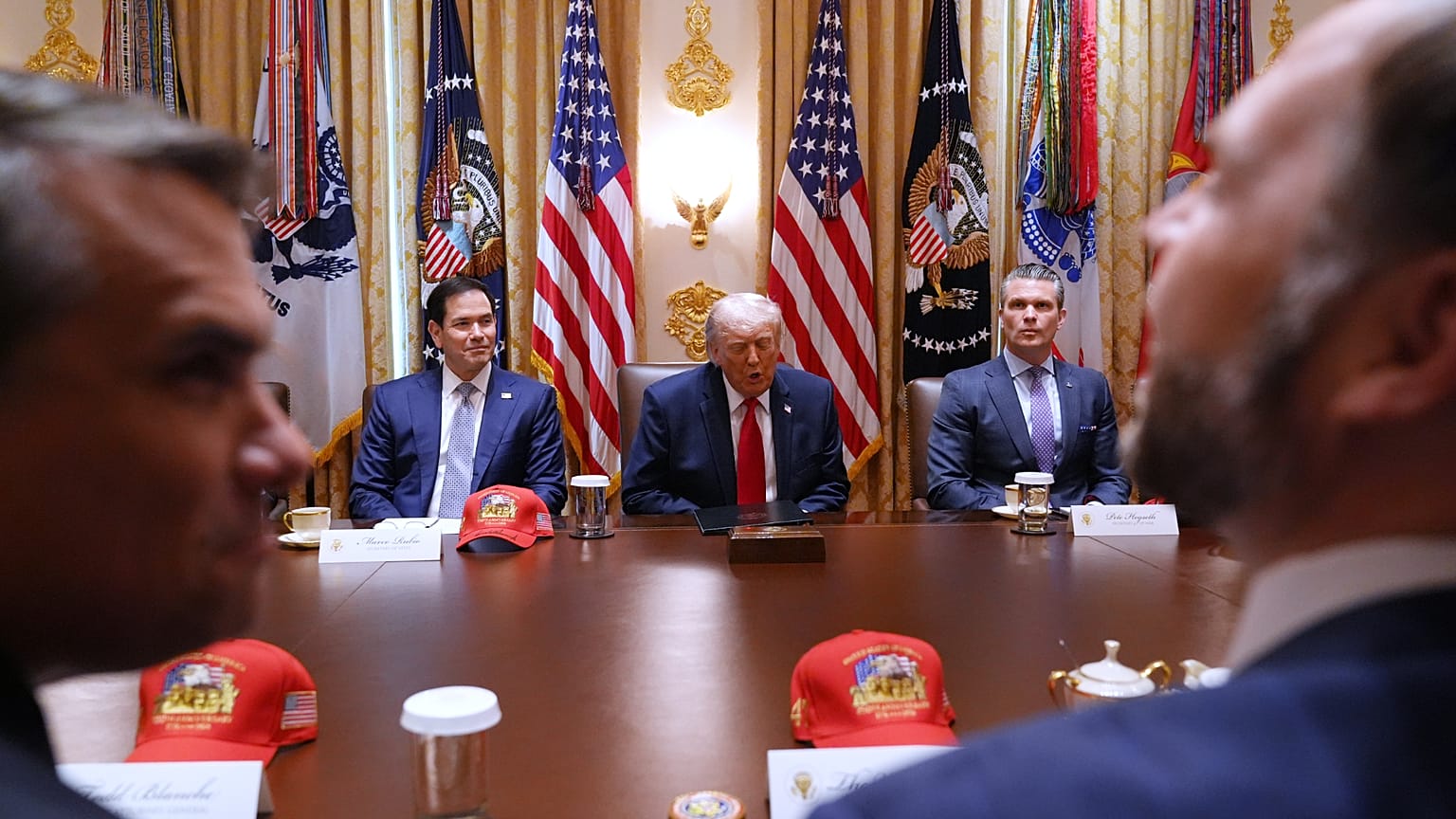
The escalating military tensions in the Middle East, particularly around the Strait of Hormuz, represent a critical supply chain risk for cross-border e-commerce sellers. The news reports US-Iran military exchanges, Iranian attacks on American air bases, US defensive strikes targeting Iranian infrastructure, and the addition of Iran's Persian Gulf Strait Authority to US Treasury sanctions lists. The Strait of Hormuz handles approximately 21% of global petroleum trade and significant container shipping volumes, making it a critical chokepoint for international commerce. Trump administration statements indicate the US will oversee the Strait's security and maintain it open to international commerce, but the ongoing military escalation that began February 28 creates immediate operational uncertainty for sellers.
For cross-border e-commerce sellers, this geopolitical situation directly impacts three critical operational areas: First, shipping cost volatility is accelerating. Sellers routing inventory through Middle Eastern corridors or dependent on petroleum-based shipping costs (fuel surcharges, insurance premiums) face 8-15% cost increases as logistics providers adjust for heightened risk. Sellers shipping electronics, apparel, and consumer goods from Asia to Europe or North America via the Suez Canal alternative face 3-5 week routing delays and 12-18% premium costs compared to direct Hormuz passage. Second, supply chain sourcing dependencies create exposure. Sellers with manufacturing or component sourcing in the Persian Gulf region (petrochemicals, fertilizers, industrial equipment) face production delays and input cost inflation. Third, market access restrictions are tightening. The sanctions on Iran's Persian Gulf Strait Authority prohibit US entities from conducting business with Iranian port authorities, effectively closing the Iranian market for US-based sellers and creating compliance risks for sellers with existing Iranian customer bases or supply chain dependencies.
Strategic implications for seller segments: Large sellers (10,000+ monthly units) with established 3PL networks can absorb 8-12% cost increases through volume negotiations and alternative routing. Mid-market sellers (1,000-10,000 units) face margin compression of 5-8% unless they adjust pricing or shift sourcing. Small sellers (<1,000 units) dependent on low-cost Asian sourcing are most vulnerable, as alternative routing adds $200-400 per shipment. Sellers in petroleum-dependent categories (plastics, chemicals, packaging materials) face input cost inflation of 10-20%. The timing window is critical: sellers should evaluate alternative sourcing countries (Vietnam, India, Indonesia) and 3PL providers within 30-60 days before shipping cost increases become permanent market pricing.
Questions 8
How can I leverage this geopolitical shift for competitive advantage?
Early movers who shift to Vietnam/India sourcing by July 2026 gain 12-18 month first-mover advantages before competitors recognize the opportunity. Sellers can lock in 8-15% tariff rates with Vietnam suppliers while competitors still pay 25-35% on Middle East-routed goods, creating 15-20% margin advantages. This allows aggressive pricing (5-10% price reductions) to capture market share while maintaining margins. Large sellers should establish exclusive supplier relationships in Vietnam by Q3 2026. Small sellers should join sourcing cooperatives to negotiate volume discounts. The window closes by Q4 2026 when competitors catch on.
How long will these shipping cost increases persist based on geopolitical timelines?
The Trump administration statement that the US will oversee Strait security suggests medium-term stabilization (6-12 months), but military escalation that began February 28 indicates no immediate resolution. Historical precedent: the 2019 Hormuz tensions lasted 8 months with sustained 10-12% shipping premiums. Expect current elevated costs to persist through Q2-Q3 2026 minimum. Sellers should plan for 12-18 month cost elevation and adjust pricing strategies accordingly. Monitor weekly shipping index updates from Freightos and Container xChange to track cost normalization and adjust procurement timing.