

Ukraine-Russia Conflict Escalation May 2026 | Supply Chain Risk Alert for Cross-Border Sellers
- Geopolitical tensions threaten Eastern European logistics networks; sellers with Ukraine/Russia exposure face 30-60 day operational uncertainty amid military strikes and evacuation warnings
Overview
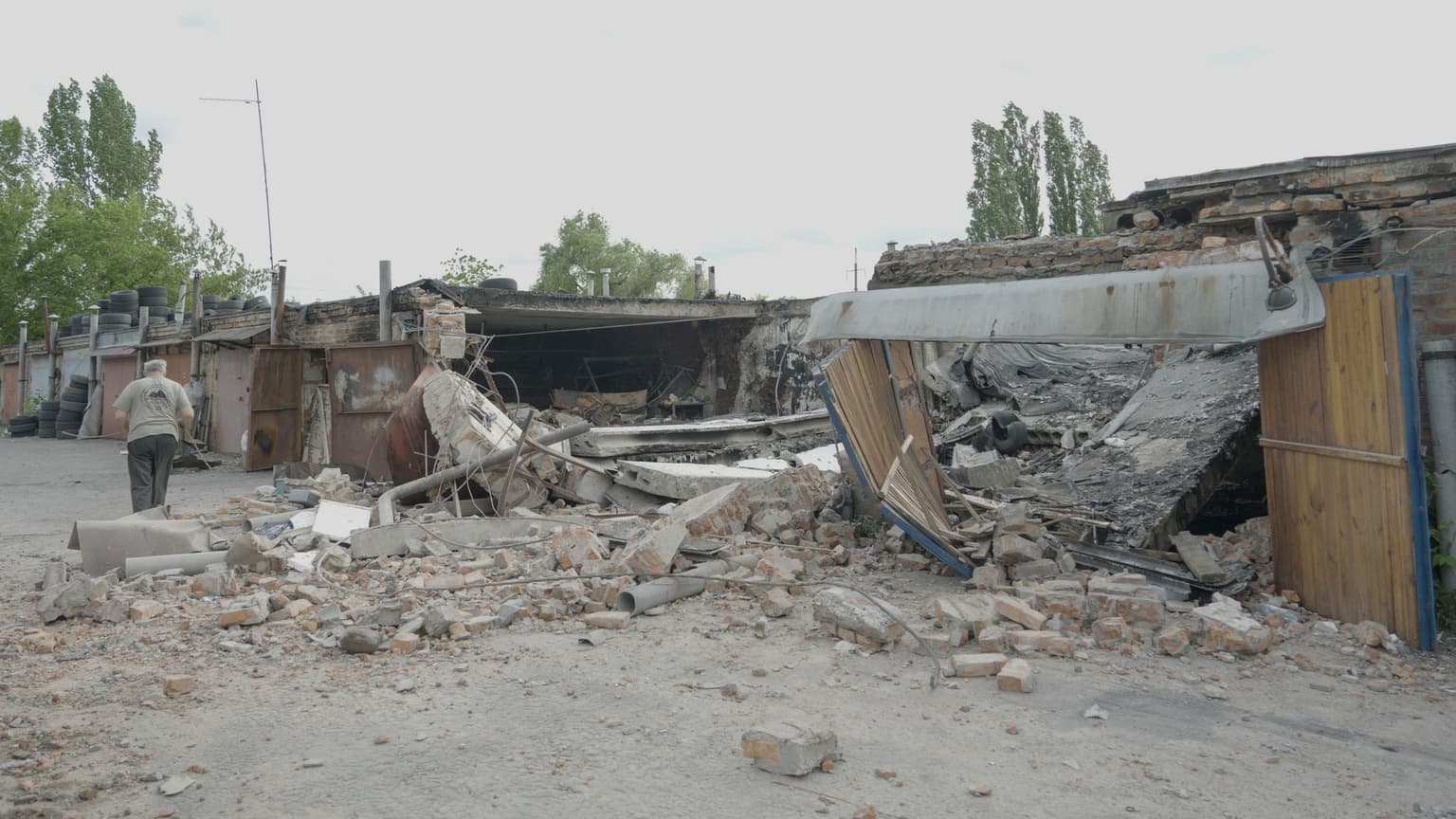
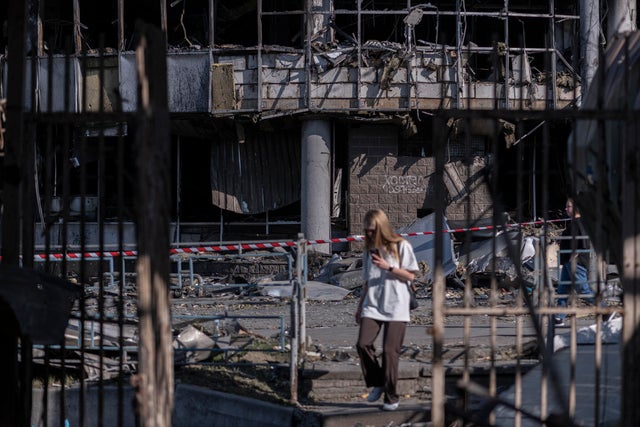
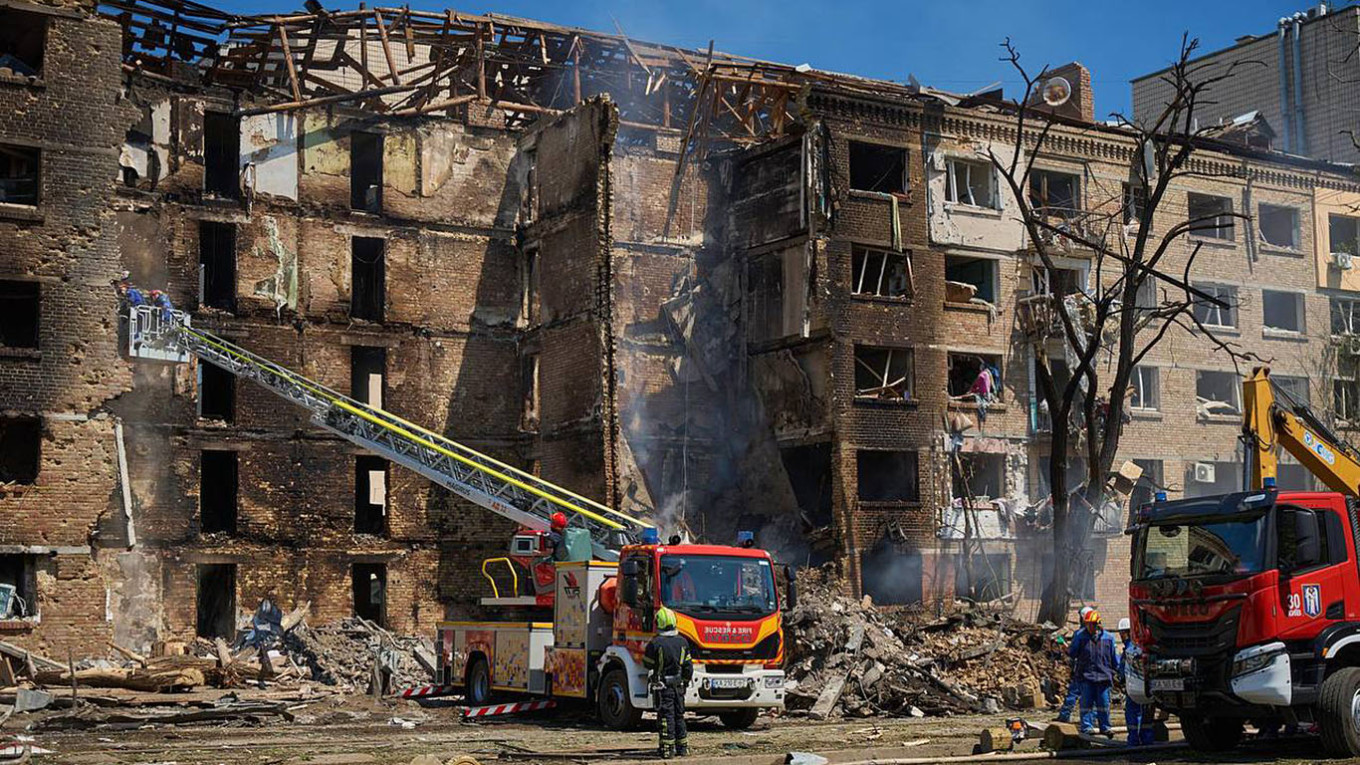
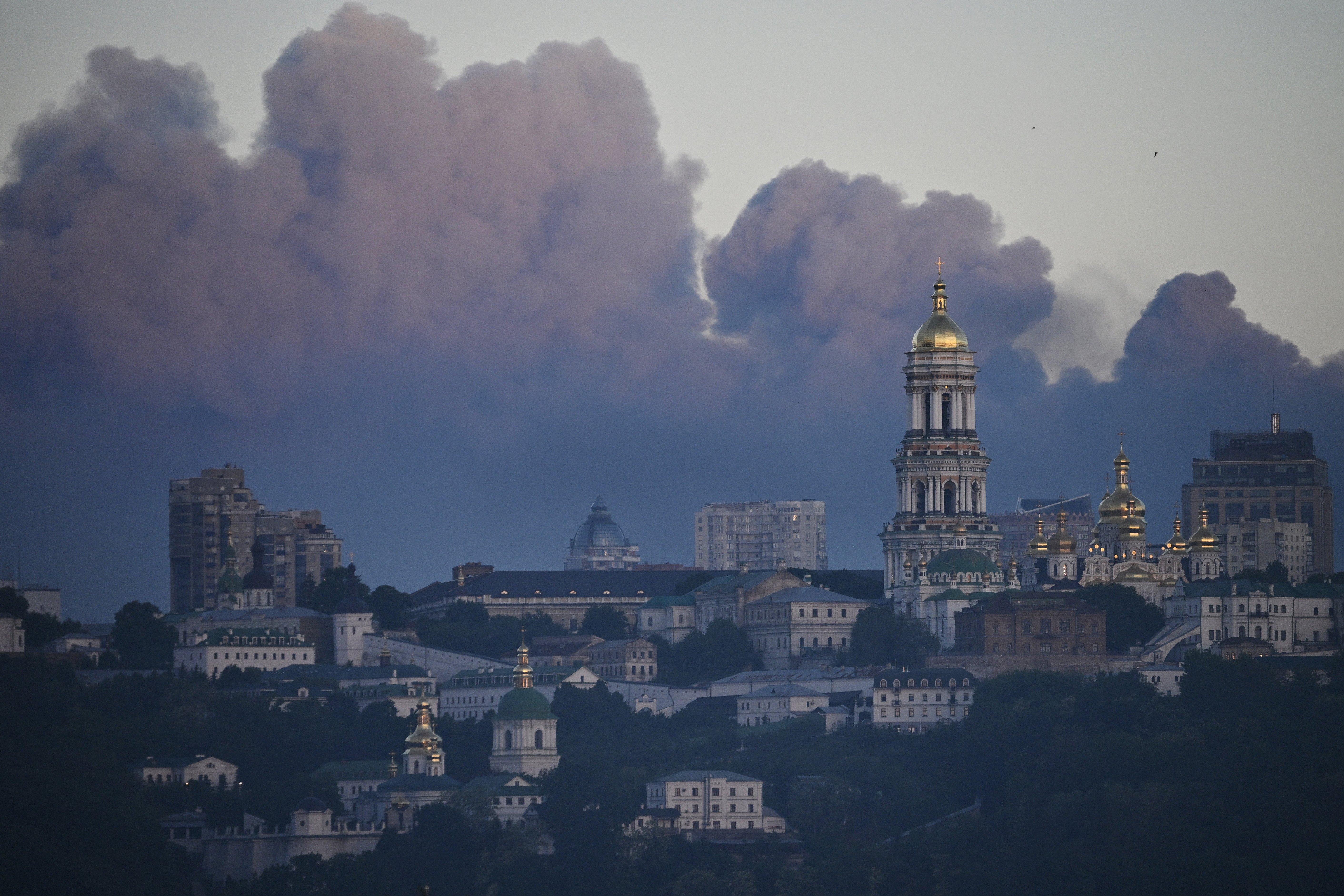
The May 2026 escalation of Russia-Ukraine conflict presents critical supply chain risks for cross-border e-commerce sellers with exposure to Eastern European manufacturing, fulfillment, or sourcing operations. On May 24, 2026, Russia's Foreign Ministry issued direct evacuation warnings to foreign nationals in Kyiv, threatening "systematic strikes" against military-industrial facilities in retaliation for alleged Ukrainian drone attacks. This escalation coincides with a significant tactical shift: analysts from the Institute for the Study of War reported on May 25 that "the character of the war is shifting in favor of Ukrainian forces," with Ukraine breaking a 700-mile stalemate that dominated since 2023. Russia responded with intensified aerial bombardment, including hypersonic Oreshnik missile deployments on May 23 that killed at least 2 people and wounded 83 in Kyiv, plus sustained drone campaigns (1,500+ drones and 50+ missiles launched during May 14-15 strikes alone).
Operational Impact for Sellers: For cross-border e-commerce operators, this conflict escalation creates three critical vulnerabilities. First, supply chain disruption risk affects sellers sourcing electronics, machinery, or specialty components from Ukrainian manufacturers—historically a significant supplier of semiconductor components, industrial equipment, and consumer electronics. Second, logistics network instability threatens 3PL providers and fulfillment centers operating in Kyiv, Kharkiv, and other major commercial hubs; sellers relying on Eastern European distribution networks face 30-60 day operational uncertainty. Third, currency and payment volatility impacts sellers with Ukrainian suppliers or customers, as military escalation typically triggers hryvnia devaluation and payment processing delays.
Market Segment Exposure: Sellers in electronics, industrial equipment, machinery parts, and specialty manufacturing categories face the highest risk. Ukrainian suppliers represent 5-8% of global electronics component sourcing, particularly in semiconductor assembly and industrial automation. Additionally, sellers operating fulfillment networks in Poland, Romania, or Hungary (NATO members offering relative stability) may experience temporary cost increases of 8-15% as logistics providers reroute shipments around conflict zones. The Western response—with Germany, Poland, and EU officials explicitly rejecting Russian intimidation—suggests NATO members will maintain commercial operations, but with elevated security protocols and insurance costs.
Seller Recommendations: Immediate actions include auditing supplier locations (identify any direct Ukraine/Russia exposure), reviewing 3PL contracts for force majeure clauses, and diversifying sourcing away from conflict-affected regions. Monitor air defense munitions shortages noted by President Zelenskyy, as these indicate sustained military operations that could extend 60-90 days. Consider temporary inventory increases from alternative suppliers in Poland, Czech Republic, or Hungary to maintain supply continuity. Track currency volatility in Ukrainian hryvnia and Russian ruble for pricing adjustments if you maintain any regional operations.
Questions 8
What immediate actions should sellers take within the next 14 days to mitigate conflict-related supply chain risk?
Priority actions: (1) Audit all suppliers and 3PL providers for Ukraine/Russia location exposure—identify any direct operations in conflict zones, (2) Contact 3PL providers to review force majeure clauses and request written contingency plans, (3) Identify alternative suppliers in Poland, Czech Republic, Hungary, or Romania for critical components, (4) Lock in exchange rates for any Ukrainian supplier payments, (5) Review inventory levels and consider 20-30% temporary increases from alternative suppliers, (6) Set up daily monitoring of conflict developments through Institute for the Study of War reports and official government sources. Complete all actions by June 7, 2026 (14 days from May 24 warning date).
How does the global air defense munitions shortage mentioned by Zelenskyy impact cross-border sellers?
President Zelenskyy's statement that 'anti-ballistic capabilities are now in short supply globally because of the war with Iran' indicates sustained military demand for defense-related components, extending conflict duration to 60-90+ days minimum. This signals prolonged supply chain disruption rather than near-term resolution. For sellers, this means: (1) plan for extended 90-day supply chain volatility, (2) avoid just-in-time inventory models during this period, (3) expect sustained logistics cost increases, and (4) monitor for potential expansion of conflict-related component shortages into civilian electronics sectors. The global munitions shortage suggests military operations will continue through Q3 2026, requiring extended contingency planning.