


Travel Restrictions & Quarantine Policy Impact on Cross-Border Health Services & Logistics
- Title 42 travel bans affect 900+ suspected Ebola cases; Kenya facility diverts medical supply chains and creates logistics disruptions for health product sellers







Overview
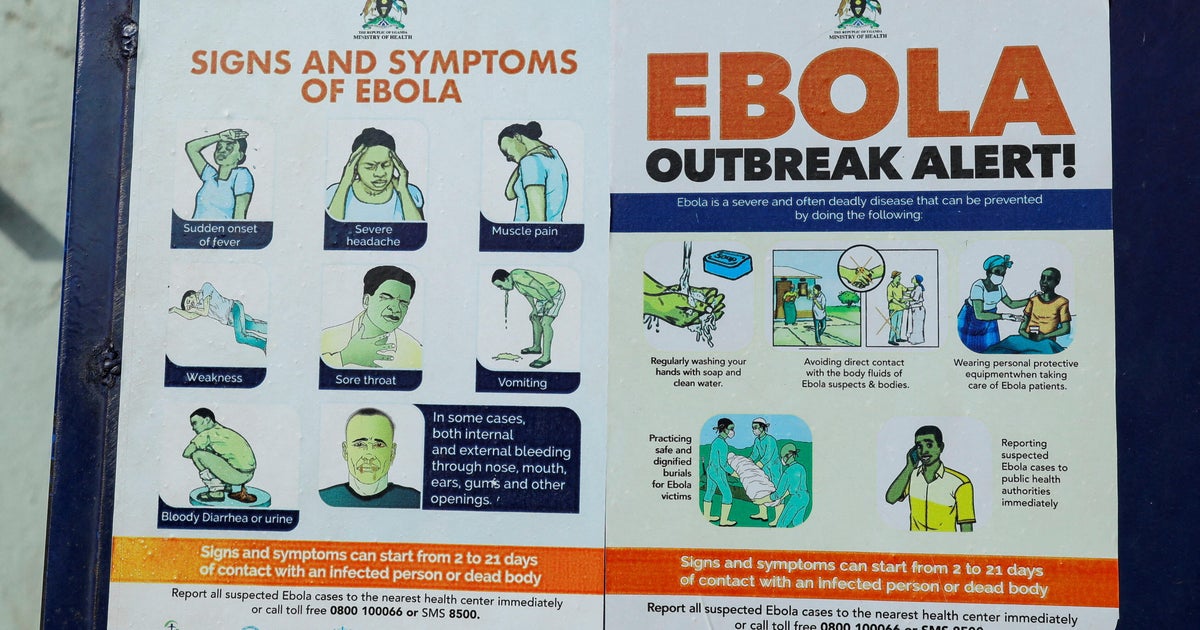
The Trump administration's May 27, 2026 announcement to establish an Ebola quarantine and treatment facility in Kenya rather than repatriating exposed Americans represents a significant policy shift with cascading effects on cross-border commerce, particularly in medical supplies, protective equipment, and health services logistics. The decision restricts travel for green card holders and recent visitors to DRC, Uganda, and South Sudan—regions experiencing 900+ suspected Ebola cases and 223+ deaths—creating supply chain disruptions that impact e-commerce sellers in medical device, pharmaceutical, and personal protective equipment (PPE) categories.
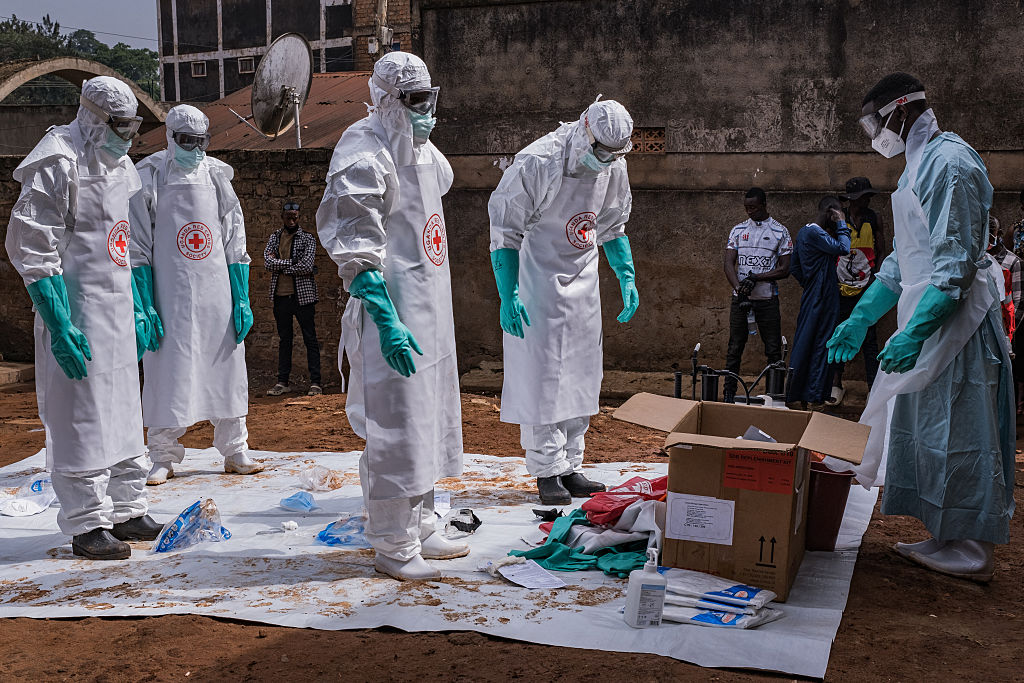
Supply Chain & Logistics Impact: The Kenya facility announcement signals a fundamental shift in medical evacuation protocols. Rather than utilizing established U.S. biocontainment infrastructure (CDC facilities, military medical centers), the administration is building regional capacity in East Africa. This creates immediate opportunities and challenges for sellers: (1) Medical supply sellers face increased demand for PPE, diagnostic equipment, and treatment supplies destined for Kenya facility operations; (2) Logistics providers experience routing changes—shipments previously destined for U.S. ports (Dulles, JFK, Atlanta, Houston) now redirect to Kenyan entry points, affecting 3PL networks and customs clearance timelines; (3) Pharmaceutical sellers specializing in antiviral treatments and supportive care medications see demand concentration in East African markets rather than U.S. distribution centers.
Travel Restrictions & Workforce Implications: The policy's restriction on green card holders and recent travelers creates a critical workforce shortage in affected regions. Public health experts including Jennifer Nuzzo (Brown University Pandemic Center) and Jeremy Konyndyk (Refugees International) warn this discourages American health professionals from volunteering, directly impacting organizations that supply medical personnel, training materials, and operational support to outbreak response efforts. For sellers, this means reduced demand for professional development courses, telemedicine platforms, and remote monitoring equipment that typically support international health worker deployments. Conversely, sellers of personal protective equipment, isolation supplies, and quarantine facility furnishings may see increased demand as Kenya facility construction accelerates.
Market Segmentation: The outbreak's spread to major transport hubs (Goma, Kampala) creates distinct seller opportunities: (1) Regional sellers in East Africa can capitalize on local demand for medical supplies and quarantine equipment; (2) U.S.-based sellers of diagnostic equipment and treatment supplies face longer shipping routes and customs delays; (3) Sellers of workplace safety and infection control products targeting healthcare facilities see expanded addressable market in Kenya and neighboring countries establishing containment protocols.
Questions 8
How do travel restrictions from Title 42 affect medical supply sellers shipping to Africa?
Title 42 restrictions banning green card holders and recent travelers to DRC, Uganda, and South Sudan create logistics bottlenecks for medical supply shipments. Sellers must now route PPE, diagnostic equipment, and treatment supplies through alternative customs entry points and 3PL providers familiar with Kenyan port operations. Processing delays typically increase 2-3 weeks as shipments navigate enhanced health screening at Dulles, JFK, Atlanta, and Houston airports before rerouting to East Africa. Sellers should update carrier agreements to specify Kenyan destination ports and budget 15-20% additional logistics costs for alternative routing.
What product categories see increased demand from the Kenya quarantine facility?
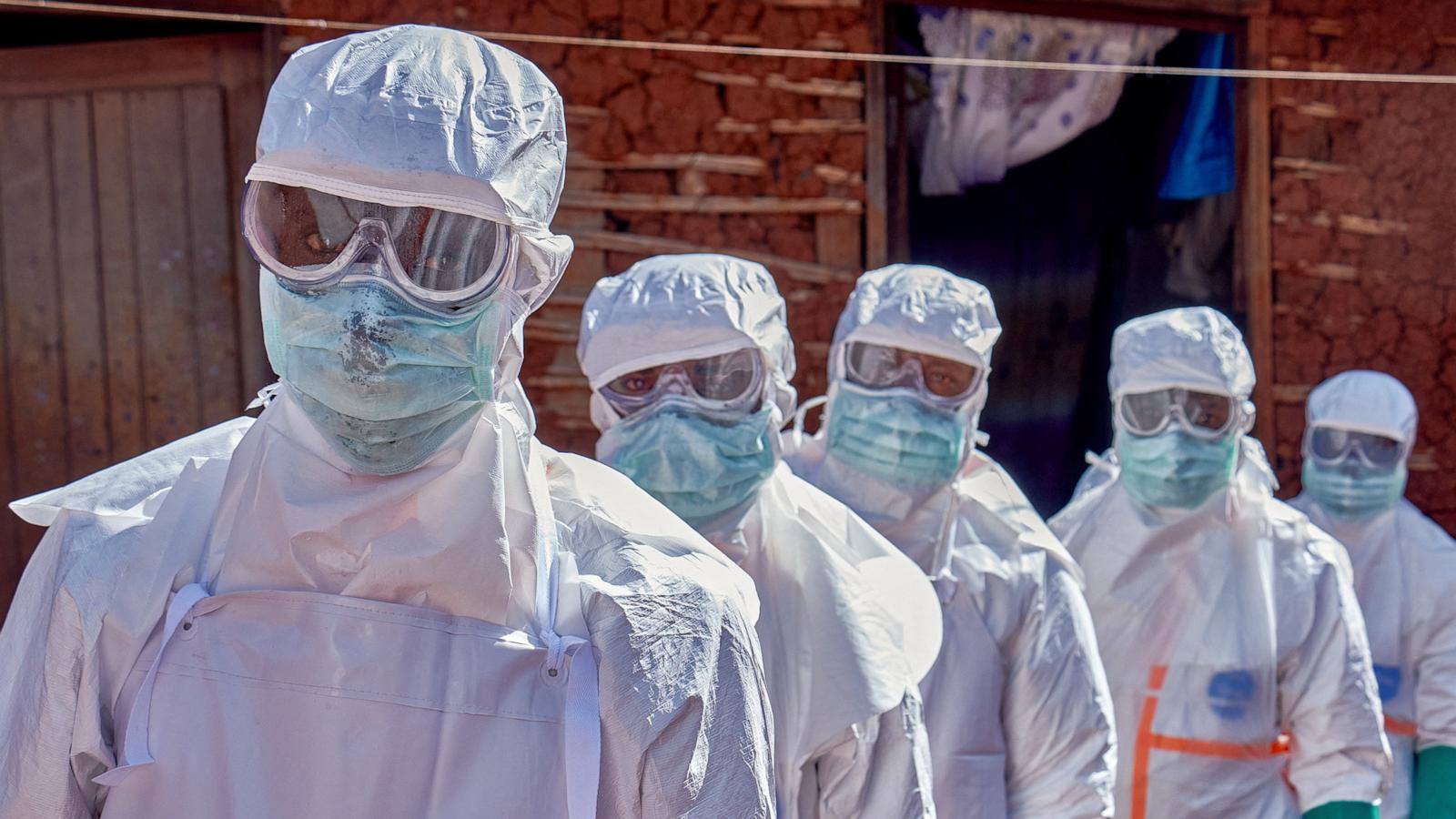
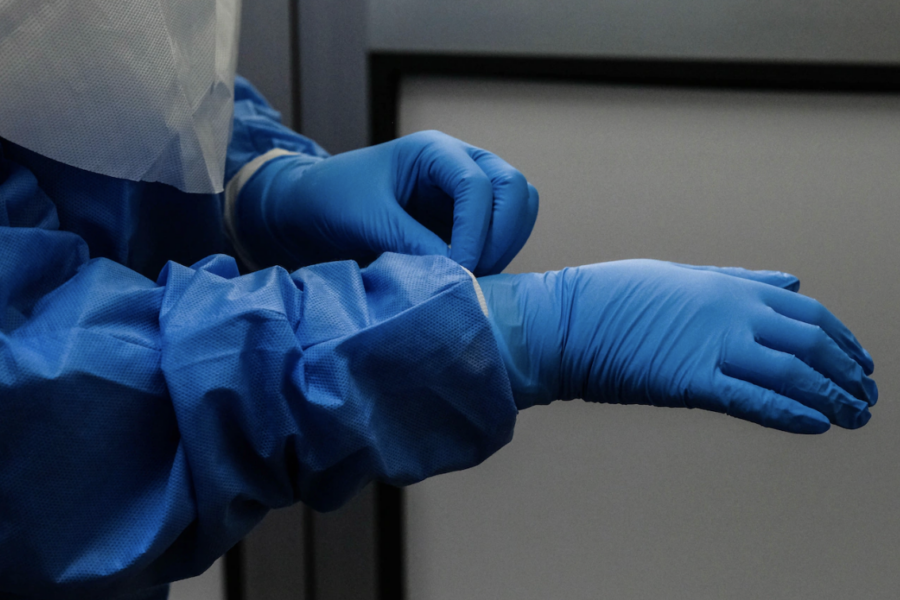
The Kenya facility announcement creates immediate demand spikes in: (1) Personal protective equipment (N95 masks, face shields, gowns)—estimated 50,000+ units needed for facility staffing; (2) Medical diagnostic equipment (rapid Ebola tests, blood analysis systems); (3) Isolation and containment supplies (negative pressure room equipment, biohazard disposal containers); (4) Pharmaceutical products (antivirals, supportive care medications); (5) Facility furnishings and medical furniture. Sellers in these categories should prioritize inventory allocation to East African distribution channels and establish direct relationships with Kenyan healthcare procurement agencies.