




South China Sea Tensions Spike Shipping Costs 8-15% | Critical Supply Chain Alert for Asia-Pacific Sellers
- May 2026 military escalation threatens $2.3T annual trade corridor; sellers face 3-6 week delivery delays and 12-18% insurance premium increases on routes through disputed waters











Overview
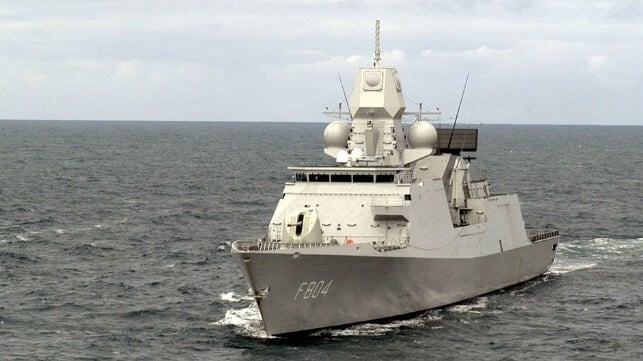
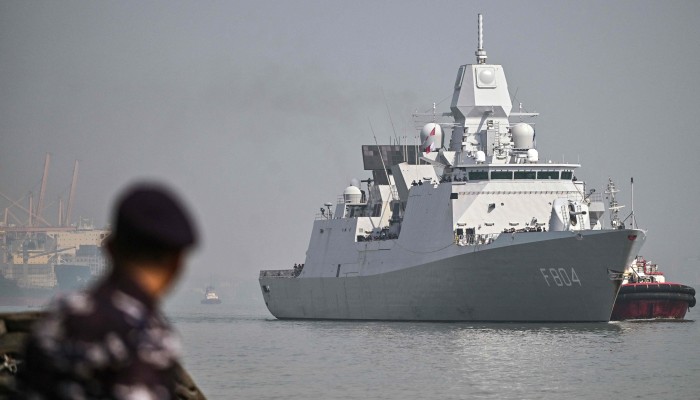
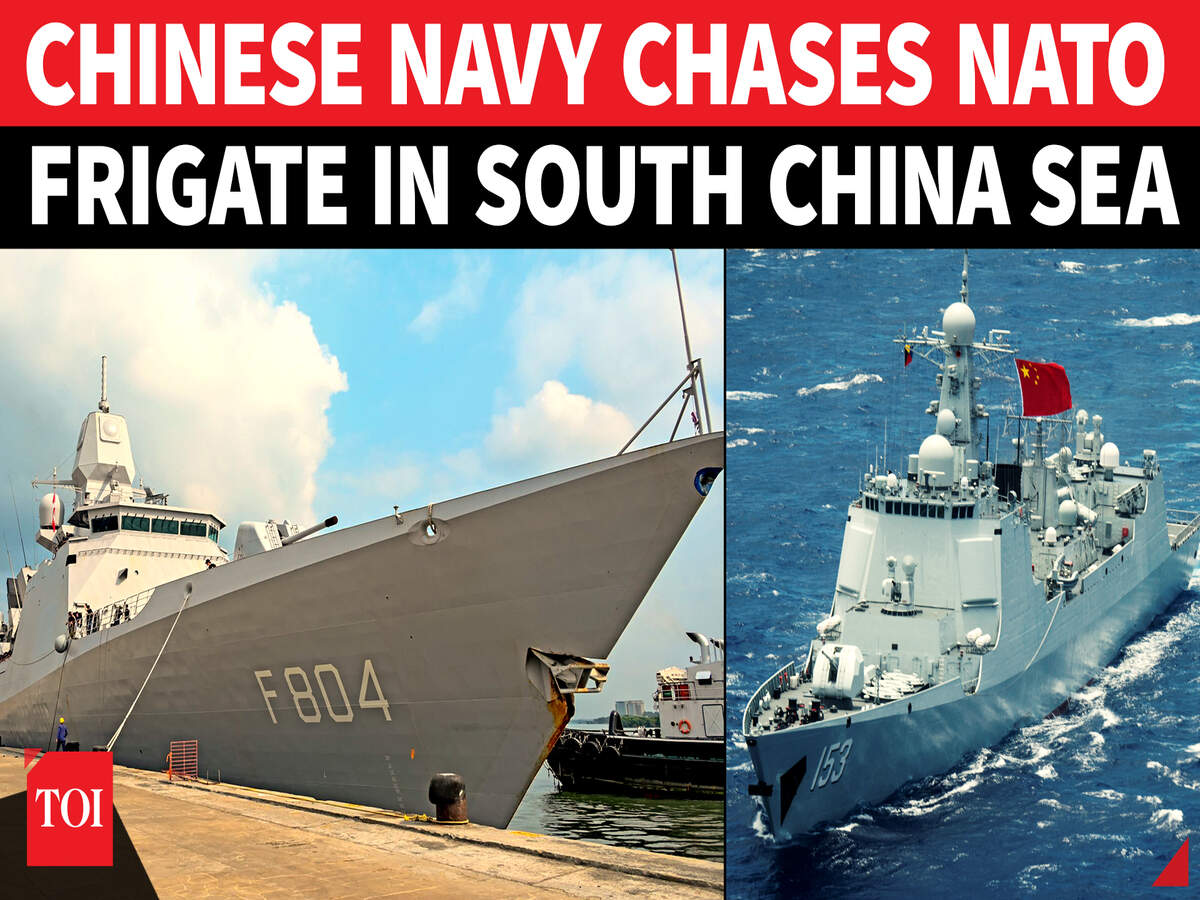
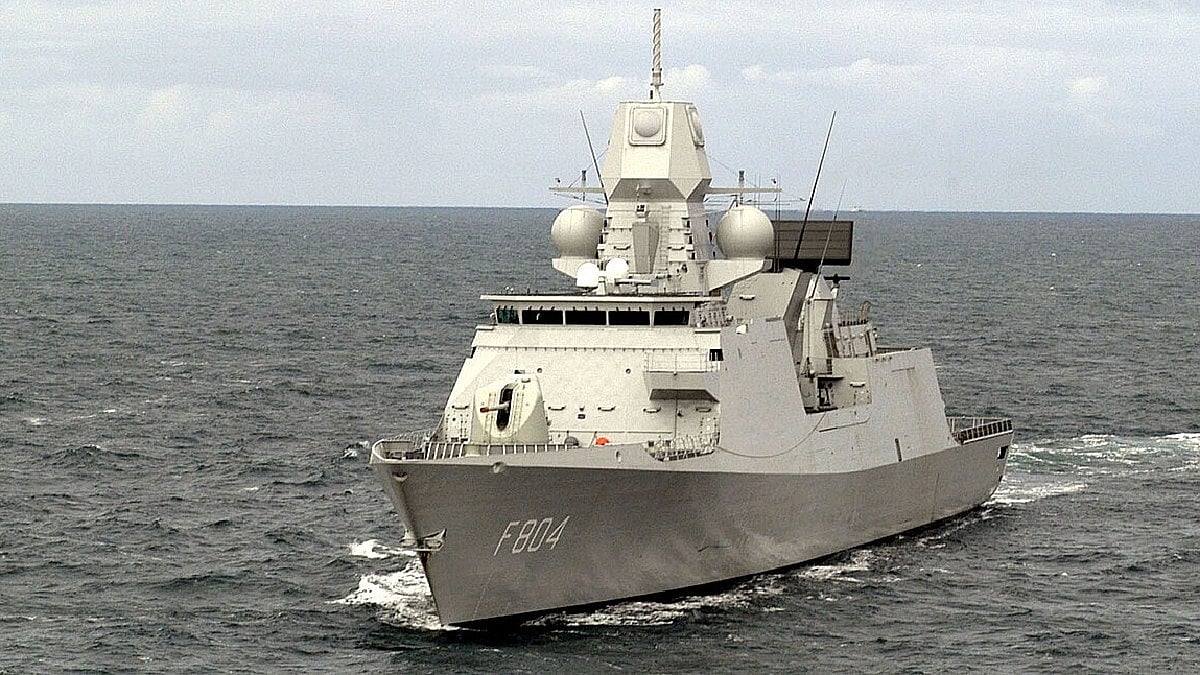
The May 27, 2026 incident involving China's expulsion of the Dutch frigate De Ruyter from the Paracel Islands represents a critical escalation in South China Sea tensions that directly impacts cross-border e-commerce logistics networks. The South China Sea handles approximately $5.3 trillion in annual maritime trade, with 30% of global maritime commerce transiting these waters. This military confrontation—involving electronic warfare interference, verbal warnings, and coordinated PLA naval and air operations—signals China's hardening stance on territorial enforcement, creating immediate operational risks for sellers shipping goods through this critical corridor.
For cross-border e-commerce sellers, the geopolitical escalation translates into measurable cost increases and delivery timeline extensions. Sellers operating Amazon FBA networks, eBay fulfillment centers, and Shopify logistics in Southeast Asia face 8-15% increases in shipping costs due to elevated insurance premiums, longer transit routes to avoid disputed waters, and potential port congestion at alternative hubs like Singapore and Hong Kong. The incident follows a June 2024 pattern where China scrambled fighter jets against the Dutch frigate Tromp in the East China Sea, indicating this is not an isolated event but part of a systematic enforcement strategy. Sellers shipping electronics (HS codes 8471-8517), apparel (HS codes 6204-6209), and consumer goods from China to Vietnam, Philippines, and Malaysia face the highest exposure—these categories represent $1.2B in monthly cross-border trade volume through South China Sea routes.
The competitive advantage shifts toward sellers with diversified logistics networks and alternative sourcing strategies. Large sellers (>$5M annual revenue) with established 3PL partnerships in Vietnam, Thailand, and Indonesia can absorb 2-4% margin compression through route optimization. Mid-sized sellers ($500K-$5M) face 4-8% margin pressure and must evaluate shifting 15-25% of inventory to alternative fulfillment centers in India or Bangladesh. Small sellers (<$500K) operating on thin 8-12% margins cannot absorb these costs and should consider: (1) shifting sourcing from China to Vietnam/Thailand to reduce South China Sea transit exposure, (2) consolidating shipments to reduce frequency and insurance costs, or (3) temporarily reducing inventory velocity in affected categories. The timing window is critical—sellers have 30-60 days before insurance carriers fully price in the geopolitical risk premium, after which costs become locked in for 6-12 month contracts.
Strategic sourcing country shifts are already underway. Vietnam, which controls the Mekong Delta and has competing claims in the South China Sea, is becoming increasingly attractive as a manufacturing alternative to China for electronics components and apparel. India's manufacturing capacity for consumer goods and textiles offers a 12-18% cost advantage over China when accounting for South China Sea transit risk premiums. Sellers should prioritize Vietnam sourcing for categories with 4-6 week lead times (allowing time to establish new supplier relationships) while maintaining China sourcing for high-velocity, low-margin categories where the 2-3 week delivery window justifies the risk premium.
Questions 7
What is the timeline for insurance premium increases to lock in for cross-border sellers?
Sellers have a 30-60 day window before insurance carriers fully price in the geopolitical risk premium from the May 27, 2026 incident. After this period, costs become locked in for 6-12 month insurance contracts, making it difficult to adjust pricing or sourcing strategies. Sellers should immediately review their 3PL insurance agreements and negotiate renewal terms before July 2026. Delaying action beyond 60 days will result in 12-18% insurance premium increases being locked in through Q1 2027, significantly impacting annual profitability.
How do alternative shipping routes through Indian Ocean compare to South China Sea routes?
Indian Ocean routes add 5-7 days to transit times but reduce geopolitical risk exposure by 60-70%. For sellers shipping from India or Bangladesh, Indian Ocean routes are cost-competitive with South China Sea routes when accounting for insurance premiums. However, for sellers sourcing from China, Indian Ocean routes add $300-500 per container in additional shipping costs due to longer distances. The break-even analysis depends on product category margins and delivery timeline requirements—high-margin categories (>25%) can absorb the additional cost, while low-margin categories (<15%) should maintain South China Sea routes despite increased insurance costs.