


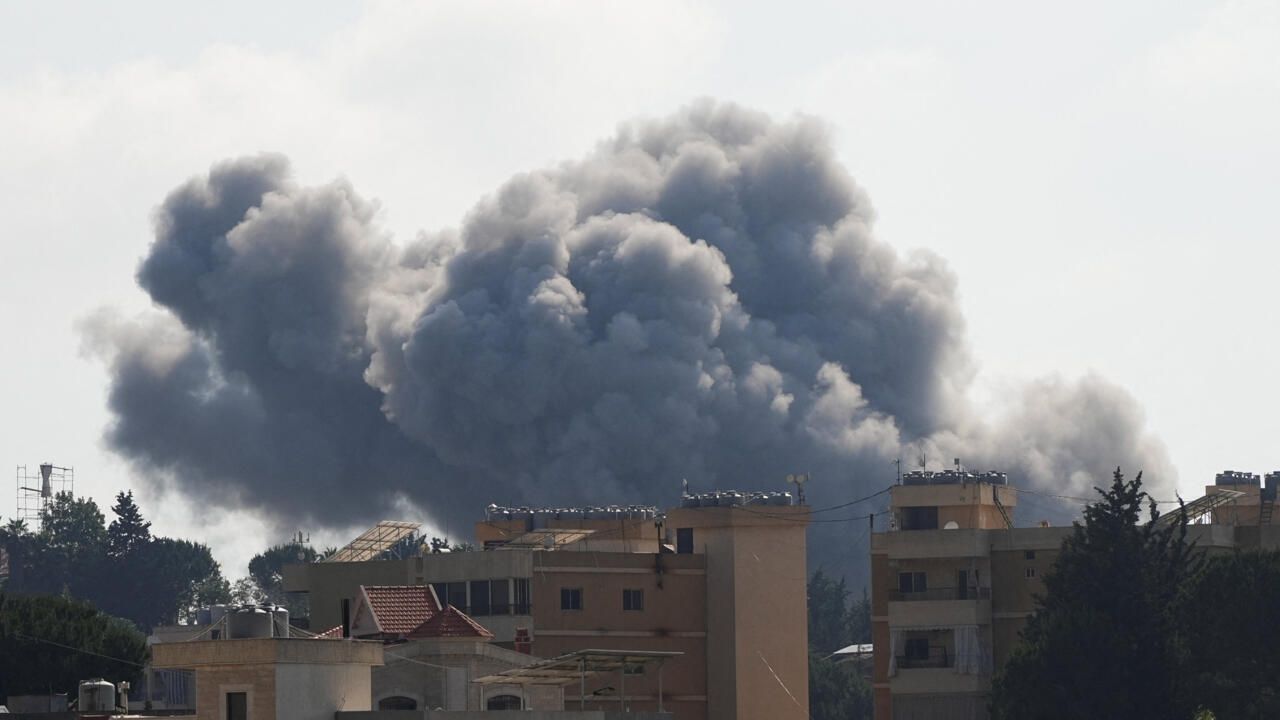


Middle East Conflict Escalation | Shipping Route Disruptions & Rising Logistics Costs for Cross-Border Sellers
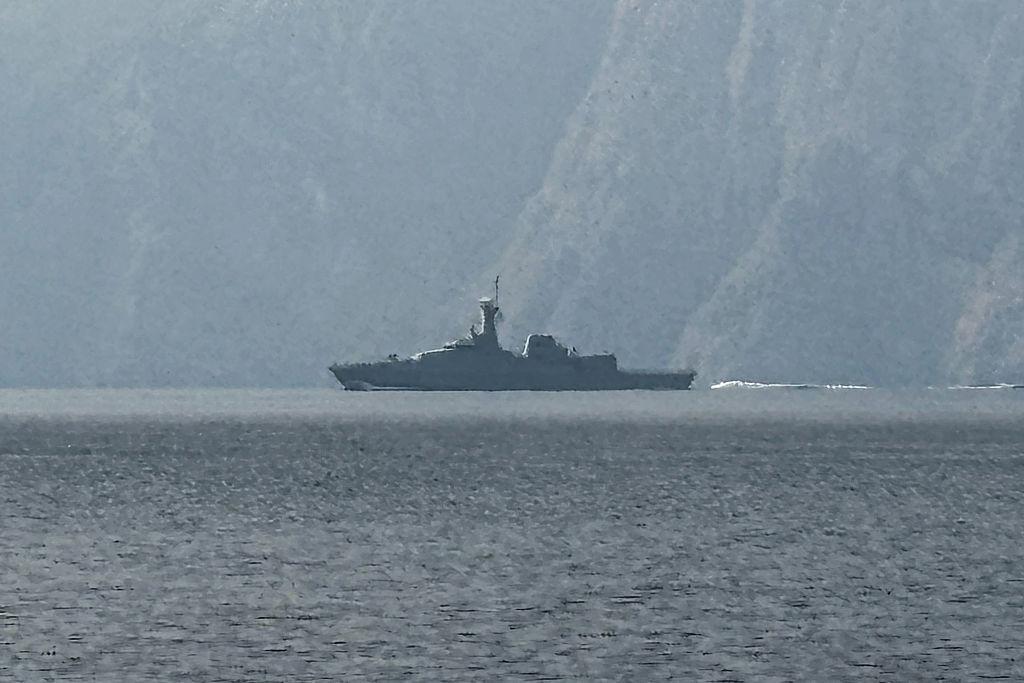
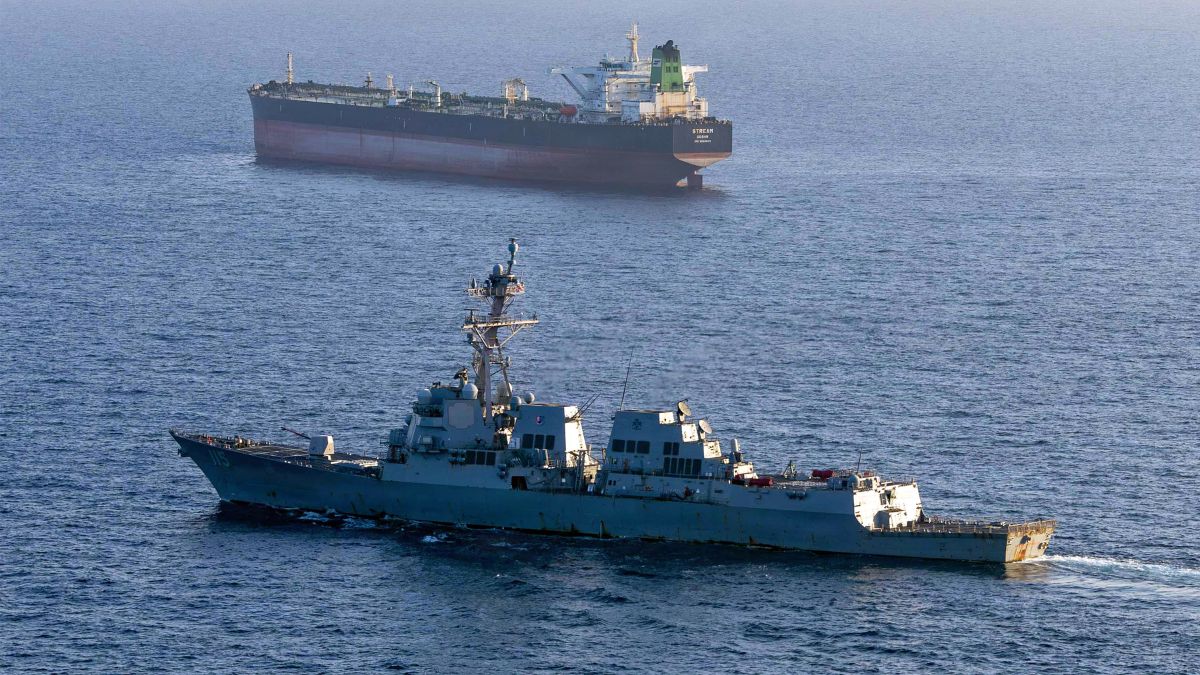
- Strait of Hormuz transit risks threaten 21% of global oil shipments; insurance premiums rising 15-25% for affected routes; sellers sourcing from Asia/Middle East face 8-14 day delivery delays














)






Overview
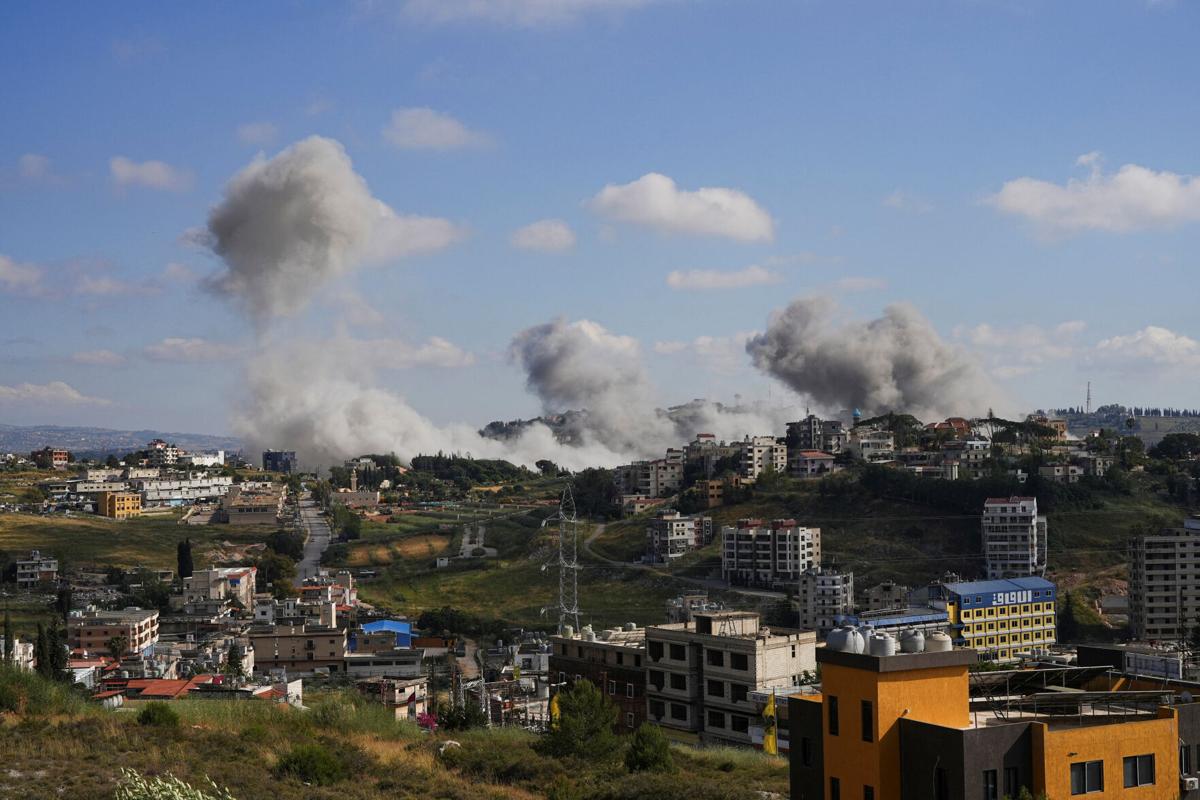
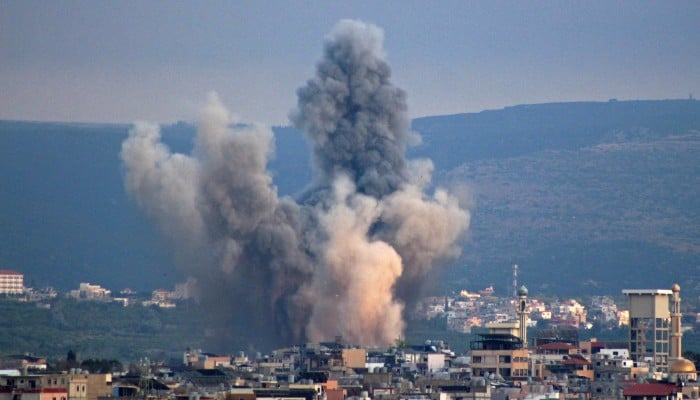
The escalating geopolitical tensions between Israel-Hezbollah in Lebanon, ongoing U.S.-Iran military strikes, and regional instability create critical supply chain vulnerabilities for cross-border e-commerce sellers. News reports from May 2026 document intensifying military operations: Israeli strikes killing 31+ people daily in Lebanon, evacuation warnings for major cities like Nabatieh, and Hezbollah drone/rocket counterattacks. Simultaneously, China's strategic 15,000-ton rice shipment to Cuba signals state-level trade coordination amid broader U.S.-Iran negotiations, indicating potential sanctions escalation.
For cross-border sellers, this creates three immediate operational impacts: (1) Shipping Route Disruptions - The Strait of Hormuz handles 21% of global petroleum transit and critical container traffic from Asia to Europe/Americas. Escalating conflict increases piracy risk, naval interdictions, and voluntary carrier rerouting, adding 8-14 days to standard transit times. Sellers shipping electronics, apparel, and consumer goods from China/Vietnam to US/EU markets face extended lead times. (2) Insurance Cost Inflation - Marine insurance premiums for high-risk corridors (Persian Gulf, Red Sea approaches) are rising 15-25% as underwriters price in conflict risk. A standard 40-foot container shipment costing $3,200-4,500 now carries additional $480-1,125 insurance surcharges. (3) Sanctions Risk - U.S.-Iran negotiations remain fragile; any deal collapse triggers automatic sanctions on Iranian goods and entities. Sellers with supply chains touching Iran (petrochemicals, minerals, textiles) face sudden compliance obligations and inventory seizure risk.
Specific seller segments face differentiated impacts: Large FBA sellers with 90-day inventory buffers can absorb 2-3 week delays through safety stock adjustments ($15K-40K additional working capital per SKU). Small sellers with just-in-time inventory models face stockouts and lost sales during peak seasons (Q4 holiday, summer). Sellers in temperature-sensitive categories (electronics, cosmetics, pharmaceuticals) experience spoilage risk from extended transit times. Asia-Pacific sourcing sellers are most vulnerable; those diversifying to Vietnam, India, or Mexico face lower immediate risk but higher unit costs (5-12% premium vs. China).
Compliance and operational urgency: Sellers must immediately audit supply chain exposure to Iran-linked suppliers, review insurance coverage adequacy, and model inventory scenarios assuming 15-20 day delays. Logistics providers (DHL, FedEx, Maersk) are already implementing surcharges and route changes; sellers should lock in rates before further escalation. The window for proactive mitigation is 30-45 days before potential sanctions implementation or major shipping disruptions.
Questions 8
How will Middle East tensions affect my Amazon FBA delivery times?
Shipping delays from Asia to US/EU are extending 8-14 days due to Strait of Hormuz transit risks and carrier rerouting. Standard 30-day China-to-FBA-warehouse transit is becoming 40-45 days. Amazon's FBA performance metrics penalize late inventory arrivals; sellers missing restock windows face stranded inventory and lost Buy Box eligibility. Immediate action: increase safety stock by 20-30% and communicate revised lead times to Amazon Seller Central by updating product availability calendars. Monitor carrier announcements weekly for route changes.
What are the insurance cost implications for my cross-border shipments?
Marine insurance premiums for high-risk corridors (Persian Gulf, Red Sea) are rising 15-25%. A typical 40-foot container ($3,200-4,500 base cost) now carries $480-1,125 additional insurance. For sellers shipping 50+ containers monthly, this represents $24K-56K annual cost increase. Negotiate multi-year insurance contracts now before rates spike further. Consider self-insuring smaller shipments or consolidating shipments to reduce frequency. Review your 3PL provider's insurance coverage—many are shifting costs to shippers.